
 Voorvertoning
 Verstuur
 Delen
Delen
 Details bekijken
 Gids
Gids

 Download
 Vergelijkbare items
 Röntgenonderzoek
 Diavoorstelling
 Vraag & antwoord
 Statistieken
Ecce Homo

- 190.0 x 150.0 cm


 Lees meer
Giclée / Kunstafdrukken
Giclée- of canvasafdruk van museumkwaliteit met een snelle productie en flexibele afwerkingsmogelijkheden. ( Bestel handgeschilderde reproductie Schakel over naar digitale afbeeldingen)




P118B €10

P118H €10

P118W €10

P438Z €10

P508JH €12

P508YH €12

P805H €10

P805Z €10

P919BZ €10

P919G €10

P919XJ €10

P959ZH €10

P968JZ €12

W106C €8

W218G €10

W218JH €8

W218Y €10

W307PJ €10

W316G €10

W316PJ €8

W316Y €10

W398PJ €8

W4111J €10

W500HY €15

W500JH €15

W692G €12

W849H €8

W940BG €15

W953PJ €8




Kies uit onze vooraf ingestelde maten die overeenkomen met de originele verhoudingen van het kunstwerk.

Voer de gewenste breedte en hoogte in, passend bij uw lijst of muur. Een afdruk kan alleen worden ingekort en nooit groter worden gemaakt dan het origineel; een formaat met andere verhoudingen zal daarom een deel van de afbeelding verliezen. Wij sturen u een digitaal mockup ter goedkeuring voordat we tot drukwerk overgaan. De afbeelding op deze pagina toont niet de werkelijke uitsnede — dit is alleen te zien op het mockup.
Wereldwijde levering () binnen 2 weken in plaats van de standaard 4/5 weken. (8 november)

Gratis wereldwijde expressverzending

Hoogwaardig linnen canvas

Volledige verzendverzekering

Garantie op terugbetaling van invoerrechten

Garantie op exacte kleurweergave

Retourbeleid van 100 dagen (alleen bij defecten)

100% Geld-terug-garantie

Korting bij meerdere afnames
 De optie voor glas is alleen beschikbaar bij een formaat kleiner dan 110 cm.

Ecce Homo
Giclée / Kunstafdrukken
Afmetingen reproductie
-


Eindtotaal
€ 72
A Vision of Suffering and Grace: Lovis Corinth’s Ecce Homo
In the profound depths of 1925, a year that marked both a creative zenith and the final chapter for the German master Lovis Corinth, there emerged a work of staggering emotional intensity: Ecce Homo. This oil on canvas masterpiece, currently housed within the prestigious Kunstmuseum Basel, serves as a visceral window into one of history's most poignant moments. The painting captures the biblical moment of "Behold the Man," presenting a scene that transcends mere religious iconography to touch upon the universal essence of human vulnerability and resilience. Through his masterful command of the medium, Corinth invites the viewer into a space where the divine and the mortal collide under a heavy, atmospheric sky.
The composition is a masterclass in dramatic tension, centered around the figure of Jesus Christ, whose presence dominates the canvas with a quiet yet overwhelming gravity. Adorned with the crown of thorns, he stands flanked by two other figures, creating a triangular stability that is paradoxically disrupted by the raw, expressive energy of the brushwork. Corinth utilizes chiaroscuro—the dramatic interplay of light and shadow—to sculpt the forms of the men, lending them a sculptural weight that feels almost tangible. This technique does more than create depth; it directs the eye through a landscape of sorrow, where the stark highlights on the central figure’s face contrast sharply with the encroaching darkness, mirroring the spiritual struggle at the heart of the narrative.
Beyond the human drama, Corinth weaves subtle layers of symbolism into the periphery of the scene to enhance its dynamic movement. In the background, the presence of two horses and the delicate silhouettes of three birds drifting in the sky introduce a sense of life continuing amidst the tragedy. These elements provide a breath of naturalism that prevents the painting from becoming purely a study of grief, instead grounding the crucifixion in a living, breathing world. The artist’s ability to synthesize the structured traditions of Impressionism with the raw, emotive power of Expressionism allows the background to pulse with an almost restless energy, ensuring that every inch of the 190 x 150 cm canvas vibrates with life.
For the discerning collector or interior designer, a reproduction of Ecce Homo offers more than just a decorative element; it provides a profound focal point for any curated space. The painting’s rich textures and somber palette make it an ideal centerpiece for rooms designed to evoke contemplation, sophistication, and depth. Whether placed in a quiet study or a grand gallery-style living area, the work commands attention through its historical significance and its ability to stir the soul. Owning a high-quality hand-painted reproduction allows one to bring the heavy, transformative atmosphere of Corinth’s late period into the modern home, serving as a timeless reminder of the beauty found within the most profound human struggles.
Veelgestelde vragen
Hoe komen contrast en harmonie samen in "Ecce Homo"?
De kleuranalyse van "Ecce Homo" door Lovers Corinth legt een Statement contrast en een Balanced Harmony harmonie vast.
Voor welke ruimte en welk gebruik wordt "Ecce Homo" aanbevolen?
Aanbevolen gebruik (Focal) en ruimte (Living Room) zijn de twee aanbevelingen voor "Ecce Homo" door Lovers Corinth.
Kan ik augmented reality gebruiken om "Ecce Homo" door Lovers Corinth in mijn eigen ruimte te bekijken?
"Ecce Homo" heeft een augmented reality-preview: de AR-weergave-pagina van het kunstwerk toont het in uw eigen ruimte op een compatibel apparaat.
Biografie kunstenaar
A Life Forged in Paint: The World of Lovis Corinth
Lovis Corinth, geboren Franz Heinrich Louis op 21 juli 1858 in de Pruisische provincie Oost-Pruisen, was een figuur die de tumultueuze overgang van de 19e naar het begin van de 20e eeuwse kunstwereld belichaamde. Zijn reis was geen van onmiddellijke erkenning, maar eerder een geleidelijke evolutie, gevoed door onvermoeid studie, diverse invloeden en uiteindelijk persoonlijke tragedie. Corinth’s vroegste jaren waren geworteld in de landelijke landschappen van zijn geboorteplaats, Tapiau, waar zijn vader als leerlooier werkte. Deze vroege blootstelling aan de fysieke arbeid en de ruwe schoonheid van de natuur zou subtiel doorschemeren in zijn latere werk, zelfs midden in meer verfijnde stijlinvloeden. Hij begon aanvankelijk zijn studie aan de Academie van Königsberg in 1876, maar realiseerde zich snel dat academische traditie alleen niet aan zijn artistieke ambities zou voldoen. Een periode van reizen volgde, die hem naar München, Antwerpen en uiteindelijk Parijs leidde – elk stadje als een cruciale tussenstap in zijn ontwikkeling. In München absorbeerde hij de nauwkeurige realisme gepromoot door Ludwig von Löfftz, waardoor zijn waarnemingsvaardigheden werden verfijnd en zijn techniek werd beheerst. Antwerpen introduceerde hem aan de dramatische Barok intensiteit van Rubens, terwijl Parijs hem blootstelde aan de opkomende Impressionistische beweging, hoewel zijn eerste reactie aanvankelijk een terughoudende observatie was in plaats van onmiddellijke omarming.From Naturalism to a Synthesis of Styles
Corinth’s artistieke ontwikkeling werd niet gekenmerkt door snelle revoluties, maar door een geleidelijke assimilatie en synthese van diverse invloeden. Zijn vroege werk leunde zwaar op naturalisme, weerspiegelend de heersende academische normen van die tijd. Schilderingen zoals “In the Slaughterhouse” (1878), met zijn onverbogen weergave van dierlijke kadavers, tonen dit toewijding aan representatie, toch verschijnen zelfs hier al een opkomende emotionele intensiteit. Het onderwerp zelf – gruwelijk en visceraal – hint naar een bereidheid om ongemakkelijke waarheden te confronteren, een kenmerk dat later in zijn werk steeds prominenter zou worden. Zijn tijd doorgebracht met het bestuderen van de oude meesters, met name Rubens, instilleddeed hem een liefde voor dynamische composities en expressieve penseelstreken. Echter, zijn blootstelling aan Impressionisme – aanvankelijk bekeken met scepsis – bleek uiteindelijk transformatief te zijn. Hij nam de gebroken kleur en vluchtige lichteffecten van Monet of Renoir niet simpelweg over; in plaats daarvan integreerde hij deze elementen in zijn eigen unieke visie, waardoor een stijl ontstond die impressionistische levendigheid met een Duits karakter combineerde. Deze synthese zou uiteindelijk hem positioneren als een brug tussen Impressionisme en Expressionisme, twee bewegingen die het artistieke landschap van het begin van de 20e eeuw bepaalden.A Master of Portraiture and Landscape
Hoewel Corinth verschillende genres door zijn carrière verkende – waaronder biblieke scènes en mythologische onderwerpen – is hij vooral herinnerd als een meester in portretten en landschappen. Zijn portretten waren niet alleen bedoeld om fysieke gelijkenis vast te leggen; het was een poging om de psychologische dieptes van zijn onderwerpen te doorbreken, hun innerlijke levens te onthullen door subtiele gebaren, expressieve ogen en zorgvuldig overwogen composities. Hij bezat een opmerkelijke vaardigheid om karakter en emotie met verbazingwekkende beknoptheid over te brengen. Vergelijkbaar hierbij waren zijn landschappen niet simpelweg weergaven van landschapsschilderingen, maar emotionele reacties op de natuur. De Walchensee-regio in het Beierse Alpengebergte werd een bijzonder bron van inspiratie, die hem een schat aan motieven opleverde die hij herhaaldelijk verkende in zijn latere jaren. Deze schilderijen worden gekenmerkt door hun levendige kleuren, dynamische penseelstreken en een gevoel van ruwe energie dat Corinth’s eigen passie voor de natuur weerspiegelt. Hij was niet geïnteresseerd in idyllische representaties; in plaats daarvan zocht hij om de ongeregelde kracht en inherente drama van het landschap vast te leggen.Tragedy, Resilience and Lasting Legacy
Een cruciale gebeurtenis in Corinth’s leven – en waarschijnlijk ook in zijn artistieke ontwikkeling – was een beroerte die hij in december 1911 leed. De verlamming die dit veroorzaakte aan de linkerzijde van zijn lichaam bedreigde zijn carrière in feite te beëindigen. Toezichmend met onwrikbare vastberadenheid en het steunende handje van zijn vrouw, Charlotte Berend-Corinth, leerde hij opnieuw schilderen, zich aanpassend aan zijn fysieke beperkingen en een nog expressievere stijl ontwikkelend. Deze periode markeerde een keerpunt in zijn werk, omdat zijn schilderijen steeds krachtiger, gestileerder en emotioneel geladen werden. Hij omarmde een losser penseel en intensere kleuren, anticiperend op de stijlinnovaties die de Expressionistische beweging zouden definiëren. Corinth’s invloed strekte zich uit verder dan zijn eigen schilderkunst; hij was ook een gerespecteerde leraar en schrijver over kunst, waarbij hij essays publiceerde zoals “On Learning to Paint” in 1908, die inzichten bood in zijn artistieke filosofie en techniek. Hij diende als president van de Berlijnse Secessie van 1915 tot aan zijn dood in 1925, progressieve kunstideeën promootend en een levendige creatieve gemeenschap bevorderend. Lovis Corinth’s nalatenschap ligt niet alleen in zijn opmerkelijke oeuvre, maar ook in zijn onwrikbare toewijding aan artistieke integriteit en zijn vermogen om persoonlijke tragedie te transformeren in diepgaande artistieke expressie. Hij blijft een sleutelfiguur in de geschiedenis van Duitse kunst, een meester die twee tijdperken verbond en een onuitwisbare stempel op generaties kunstenaars achterliet.
Lovers Corinth
1858 - 1925 , Nederland
Belangrijkste feiten
- Artistic Movement Or Style: Impressionisme & Expressionisme
- Artists Or Movements Influenced By This Artist: ['Barbizon school']
- Artists Who Influenced This Artist:
- Courbet
- Rubens
- Date Of Birth: 21 juli 1858
- Full Name: Franz Heinrich Louis Corinth
- Nationality: Duits
- Notable Artworks:
- In de slagerij
- Zelfportret
- Place Of Birth: Tauwade, Nederland
Gerelateerde artikelen
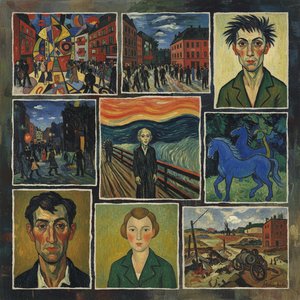
Top 10 Expressionistische Meesterwerken: Kunst voor uw Interieur | OriginalUniqueArt
Ontdek de 10 meest invloedrijke expressionistische meesterwerken! Van Munch's 'De Schreeuw' tot Kandinsky's abstractie. Leer over kunst, emotie & kleur. Museumkwaliteit reproducties op OriginalUniqueArt.com – uw bron voor unieke wanddecoratie.
The Soul of Subjectivity: A Collector's Guide to the Raw Emotion and Lasting Power of Expressionist Art
Discover the profound power of Expressionist art. From the raw intensity of Edvard Munch to the visceral textures of Neo-Expressionism, explore how subjective emotion and distorted reality define this movement. An expert guide for discerning collectors seeking depth and soul in fine art.
Unleashing Emotion: A Definitive Guide to the Power and Legacy of Expressionist Painting
Explore the profound emotional depth of Expressionist painting. From the bold colors of Emil Nolde to the distorted forms of Kirchner, discover how this movement redefined art through raw feeling and visceral texture in our expert guide to art history.
Beyond the Surface: The Raw Emotion and Subjective Truth of Expressionist Portraiture
Explore the profound emotional depth of Expressionist portraiture. From Edvard Munch to Francis Bacon, discover how masters used distortion and color to reveal inner truths. Learn about this pivotal movement and find museum-quality oil reproductions for your collection.

Unmasking Emotion: A Definitive Guide to the Psychological Depth of Expressionist Portraiture
Explore the profound psychological depth of Expressionist portraiture. From Munch to Schiele, discover how distorted forms and visceral brushstrokes unmask raw human emotion in this definitive guide for art enthusiasts and collectors.


