

 Bekijk op ware grootte
 Verstuur
 Delen
Delen
 Details bekijken
 Gids voor studentenkunstwerken

 Download
 Vergelijkbare items
 Röntgenonderzoek
 Diavoorstelling
 Statistieken
Zonder titel
 Acryl op canvas
- Wanddecoratie
- Conceptual Photography
 1983
1983 41.0 x 41.0 cm
 Hammer Museum
 Lees meer
Giclée / Kunstafdrukken
Giclée- of canvasafdruk van museumkwaliteit met een snelle productie en flexibele afwerkingsmogelijkheden. ( Koop handgeschilderd kunstwerk Schakel over naar digitale afbeeldingen)




P118B $10

P118H $10

P118W $10

P438Z $10

P508JH $12

P508YH $12

P805H $10

P805Z $10

P919BZ $10

P919G $10

P919XJ $10

P959ZH $10

P968JZ $12

W106C $8

W218G $10

W218JH $8

W218Y $10

W307PJ $10

W316G $10

W316PJ $8

W316Y $10

W398PJ $8

W4111J $10

W500HY $15

W500JH $15

W692G $12

W849H $8

W940BG $15

W953PJ $8




Kies uit onze vooraf ingestelde maten die overeenkomen met de originele verhoudingen van het kunstwerk.

U kunt uw eigen afmetingen opgeven om in een specifieke lijst of ruimte te passen. Als de door u gekozen maat niet overeenkomt met de proporties van het originele kunstwerk, zullen wij de afbeelding bijsnijden of uitbreiden met een gespiegelde of effen rand. Een digitaal mockup wordt ter goedkeuring naar u verzonden voordat de productie begint.
Houd er rekening mee dat de preview op het scherm de werkelijke bijsneding of uitbreiding niet weergeeft. Alleen de mockup toont de uiteindelijke compositie nauwkeurig.
Hoewel aangepaste maten beschikbaar zijn, raden wij aan een afmeting uit de vooraf bepaalde lijst te kiezen om de originele proporties te behouden.
Wereldwijde levering () binnen 2 weken in plaats van de standaard 4/5 weken. (26 september)

Gratis wereldwijde expressverzending

Hoogwaardig linnen canvas

Volledige verzendverzekering

Garantie op terugbetaling van invoerrechten

Garantie op exacte kleurweergave

Retourbeleid van 100 dagen (alleen bij defecten)

100% Geld-terug-garantie

Korting bij meerdere afnames
 De optie voor glas is alleen beschikbaar bij een formaat kleiner dan 110 cm.

Zonder titel
Giclée / Kunstafdrukken
Formaat reproductie
-


Totaalprijs
$ 81
Een Intrigerende Confrontatie tussen Kunst en Körperlichkeit: Een Analyse van ‘Sin título’
Deze prachtige zwart-wit fotografie, getiteld ‘Sin título’ (Untitled), behoort aan een belangrijke reeks werken van Liliana Maresca, een Argentijnse kunstenaar die een unieke stem vertegenwoordigde binnen de kunstgeschiedenis van de jaren ’80. Het beeld wordt gekenmerkt door een eenvoudige maar krachtige compositie: een naakte vrouw houdt een houten kader vast dat een abstract schilderij bevat. Een directe verwijzing naar het werk zelf, maar ook een diepere exploratie van thema’s als representatie en persoonlijke expressie.Een Gebruikmaking van Licht en Schatten voor Dramatische Intensiteit
De fotografie maakt gebruik van een natuurlijke lichtinval, waardoor een subtiele balans tussen licht en schaduw wordt gecreëerd. Deze zorgvuldige aandacht voor het licht draagt bij aan de emotionele impact van het beeld en benadrukt de vormen binnen het kader op een manier die zowel elegant als enigmatisch is. De vloer onder de vrouw is afgewisseld met een houten vloer, wat een gevoel van stabiliteit geeft tegenover de beweging van het lichaam en het kader. Een bewuste keuze die bijdraagt aan de compositie’s balans.Een Conceptuele Fotografie Die Grenzen Verleggt
‘Sin título’ valt onder de categorie conceptual fotografie – een stijl die zich richt op het overbrengen van een idee of concept, eerder dan het simpelweg vastleggen van een scène. Maresca wilde niet alleen een afbeelding produceren; ze wilde een dialoog aangaan met de kijker over kunst en identiteit. De keuze voor zwart-wit versterkt deze boodschap enorm, waardoor alle kleuren verdwijnen en de aandacht volledig wordt gefixeerd op vorm en tekstuur. Een stijl die ook terugkomt in haar andere werken en haar artistieke visie onderstreept.Symboliek en Emotionele Diepgang: De Naakte Vrouw als Symbool van Creativiteit
De naakte vrouw zelf is een centrale element binnen het beeld en kan worden geïnterpreteerd als een symbool van kwetsbaarheid, eerlijkheid en ongefilterde creativiteit. Het kader dat het schilderij bevat dient als een visuele barrière en vertegenwoordigt de kunstenaar’s rol bij het presenteren van haar werk aan het publiek. De abstracte kunst binnen het kader suggereert de complexiteit van artistieke expressie en nodigt uit tot contemplatie over thema's zoals schoonheid en emotie. Een prachtige manier om een kunstwerk te laten spreken zonder woorden.Een Uitstekende Techniek en Materiaalgebruik
De fotografie werd gemaakt met gebruikmaking van hoogwaardige fotografische film en een professionele camera, wat resulteert in een scherp beeld dat de nuances van licht en schaduw perfect vastlegt. Het houten kader is zorgvuldig gekozen om een warme kleurtoon te bieden die contrasteert met het zwart-wit beeldmateriaal. De kunstenaar gebruikte ook verschillende texturen – de huid van de vrouw, het hout van het kader en het oppervlak van het schilderij – om een rijke visuele ervaring te creëren voor de kijker. Een kunstwerk dat niet alleen mooi is om naar te kijken maar ook een gevoel van historische context en artistieke innovatie oproept.Biografie van de kunstenaar
Liliana Maresca: A Voice of the Post-Dictatorship Generation
Liliana Maresca (1951 – 1994) remains a profoundly enigmatic and vital figure in Argentine art, particularly for her poignant exploration of the turbulent years following the end of the military dictatorship. Born in Avellaneda, Buenos Aires, she emerged from the vibrant bohemian scene of early democracy with an uncompromising artistic vision that blended sculpture, painting, performance, and installation into powerfully evocative works. Maresca’s career, tragically cut short by AIDS at the age of 43, nevertheless left behind a legacy of challenging conventions, confronting social issues, and offering a uniquely intimate perspective on Argentina's transition.
Maresca’s early artistic training encompassed diverse disciplines – ceramics, drawing, and sculpture – reflecting her desire to engage with various materials and techniques. She studied at the Escuela Nacional de Cerámica in Mexico, absorbing influences from masters like Renato Benedetti, Miguel Angel Bengochea, and Emilio Renart. This foundation informed her later practice, characterized by a willingness to utilize unconventional media—discarded objects, street refuse, even her own body—to create works that defied traditional artistic boundaries. Her early career was marked by a rebellious spirit, exemplified by exhibitions like “Lavarte” in a laundromat, a deliberate disruption of the art world’s established spaces and norms.
The Echoes of Trauma and Transformation
Maresca's work is inextricably linked to the aftermath of Argentina’s brutal military dictatorship (1976-1983). The period following its collapse was one of profound social and political upheaval, marked by economic instability, widespread poverty, and a lingering sense of trauma. Maresca responded to this context with an urgent need to address the nation's wounds, not through overt political statements, but through deeply personal and symbolic explorations. Her installations frequently referenced the discarded remnants of everyday life—shopping carts, umbrellas, abandoned furniture—transforming these symbols of marginalization into potent metaphors for social injustice and the fragility of human existence.
The 1985 installation “Una bufanda para la ciudad de Buenos Aires” (A scarf for the city of Buenos Aires) is a particularly striking example. Constructed from thousands of rags collected from the streets, the enormous scarf became a visual representation of collective suffering and resilience. Similarly, "Recolecta" (Collects), presented in 1990, used discarded shopping carts to critique the plight of the homeless population, transforming these symbols of consumerism into emblems of social vulnerability. These works weren’t didactic; instead, they invited viewers to confront uncomfortable truths through a visceral and emotionally resonant experience.
Performance, Photography, and the Body
Beyond her sculptural installations, Maresca was also a prolific performer and photographer. Her 1984 photograph “Maresca se entrega a todo destino” (Maresca goes for anything), featuring herself nude in a white mask, is a complex and layered work that has been interpreted as a commentary on identity, race, gender, and the pervasive influence of media imagery. The mask obscures her face, creating an ambiguous figure that simultaneously embodies vulnerability and defiance. This image, along with other photographic performances, demonstrated Maresca’s willingness to push boundaries and challenge conventional notions of beauty and representation.
Her performance art often blurred the lines between artist and subject, utilizing her own body as a medium for exploring themes of mortality, sexuality, and social critique. These performances were frequently staged in public spaces, further amplifying their impact and inviting direct engagement with the audience.
A Retrospective Legacy
Liliana Maresca’s retrospective at the Centro Cultural Recoleta in 1994, titled “Frenesí” (Frenzied), tragically became her final public exhibition. Her untimely death from AIDS just days after its opening underscored the precariousness of her life and work. Despite this premature end, Maresca's artistic legacy continues to resonate within Argentine art history. Her innovative use of materials, her unflinching engagement with social issues, and her deeply personal approach to artistic expression have cemented her position as a key figure in the post-dictatorship generation—an artist who dared to confront the darkness while simultaneously seeking beauty and meaning in the fragments of a shattered nation.
Her work is now recognized for its powerful emotional honesty and its enduring relevance to contemporary social and political concerns. OriginalUniqueArt continues to offer high-quality reproductions of her evocative works, ensuring that her unique artistic vision remains accessible to a wider audience.

Liliana Maresca
1951 - 1994 , Argentina
Snelle feiten
- Artistic Movement Or Style: Post-dictatorship art
- Artists Or Movements Influenced By This Artist:
- Neo-Dadaism
- Minimalism
- Artists Who Influenced This Artist:
- Renato Benedetti
- Emilio Renart
- Date Of Birth: May 8, 1951
- Date Of Death: November 13, 1994
- Full Name: Liliana Maresca
- Nationality: Argentine
- Notable Artworks:
- Untitled (Liliana Maresca with her work)
- Recolecta
- Liliana Maresca at Marconetti Building
- Frenesí
- Place Of Birth: Avellaneda, Argentina
Gerelateerde artikelen

Top 10 Legendarische Bronzen Meesterwerken die de Kunst Veranderden | OriginalUniqueArt
Ontdek de 10 meest legendarische bronzen meesterwerken die de kunstgeschiedenis veranderden! Van Rodin tot Michelangelo, leer over techniek & betekenis. Museumkwaliteit reproducties voor uw interieur op OriginalUniqueArt.com. Exploreer de collectie online!
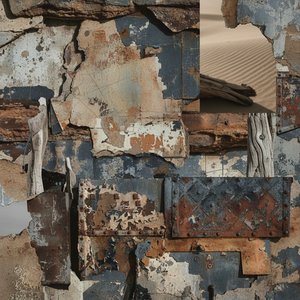
Aaron Siskind: Deconstructing Reality – A Photographic Exploration of Texture, Form & the Abstract Landscape
Explore the transformative journey of Aaron Siskind, from social realism to pioneering abstract photography. Discover his iconic series & lasting influence on modern art. A guide for collectors.

The Enduring Form: Sculpture Across History, Technique & Emotional Resonance
Explore the rich history of sculpture with OriginalUniqueArt. Discover key techniques, influential artists & investment potential for discerning collectors. Expert insights into valuing and collecting timeless masterpieces.

The Enduring Form: Exploring Themes & Techniques in Sculpture Across Historical Periods
Explore the rich history of sculpture from ancient masterpieces to contemporary innovations. Discover key techniques, influential artists & investment potential for discerning art collectors.

Top 10 Bronzen Beeldhouwwerken die de Kunst Voorgoed Veranderden | OriginalUniqueArt
Ontdek de 10 meest legendarische bronzen beeldhouwwerken die kunstgeschiedenis schreven! Van Rodin tot Michelangelo, leer over hun meesterwerken & technieken. Vind museumkwaliteit reproducties en inspiratie voor uw interieur op OriginalUniqueArt.com.
