Tekstgrootte

() ·

Een schilderij speciaal voor u gemaakt, met de hand

Studies of embryos

Handgemaakte olieverfreproductie

Met de hand geschilderd in olieverf op canvas in uw gewenste maat en lijst, op bestelling gemaakt door onze kunstenaars. ( Schakel over naar print Schakel over naar digitale afbeeldingen)

Beschrijving verzamelobject

Explore Leonardo da Vinci's groundbreaking 'Studies of Embryos,' a rare glimpse into his anatomical investigations and the intersection of art & science during the Renaissance. Witness meticulous drawings revealing fetal development.

Biografie kunstenaar

Ontdek Leonardo da Vinci (1452-1519): het Renaissance-genie achter de Mona Lisa & Het Laatste Avondmaal! Ontdek zijn sfumato-techniek, anatomische studies & baanbrekende uitvindingen.

vanaf ·

Hoofdstuk 1

Hoe groot moet het zijn?

Schuif om de afmetingen te wijzigen; de afbeelding aan de linkerzijde toont de lijst in de werkelijke breedte. De oorspronkelijke verhoudingen blijven behouden.

Standaardformaat
op maat gemaakt
CM
INCH

Kies uit onze vooraf ingestelde maten die overeenkomen met de originele verhoudingen van het kunstwerk.

breedte
hoogte

Voer de breedte en hoogte in die u nodig heeft, passend bij uw lijst of uw muur. Omdat dit handgeschilderd is, kan de kunstenaar bij een afmeting met een andere beeldverhouding iets meer rondom het schilderij schilderen of juist iets meer weglaten — u kiest zelf. Wij sturen u een digitaal mockup ter goedkeuring voordat het schilderwerk begint. De afbeelding die op deze pagina wordt getoond, is niet het uiteindelijke resultaat — alleen de mockup geeft dit weer.


Hoofdstuk 2

Hoe moet het worden geleverd?

Kies de randen van het canvas

Kies uw lijst

Corner sample of the WhiteWrap canvas edge finish, stretched on massief hout bars
Wit €1
Corner sample of the BlurSideWrap canvas edge finish, stretched on massief hout bars
Vervagende randen €1
Corner sample of the ExtendedWrap canvas edge finish, stretched on massief hout bars
Doorlopende rand €1
Corner sample of the P118B picture frame: gegoten polystyreen, 5 cm wide and 3 cm thick
P118B €10
Corner sample of the P118H picture frame: gegoten polystyreen, 5 cm wide and 3 cm thick
P118H €10
Corner sample of the P118W picture frame: gegoten polystyreen, 5 cm wide and 3 cm thick
P118W €10
Corner sample of the P438Z picture frame: gegoten polystyreen, 5.5 cm wide and 3.5 cm thick
P438Z €10
Corner sample of the P508JH picture frame: gegoten polystyreen, 7 cm wide and 3.5 cm thick
P508JH €12
Corner sample of the P508YH picture frame: gegoten polystyreen, 7 cm wide and 3.5 cm thick
P508YH €12
Corner sample of the P805H picture frame: gegoten polystyreen, 5 cm wide and 3.5 cm thick
P805H €10
Corner sample of the P805Z picture frame: gegoten polystyreen, 5 cm wide and 3.5 cm thick
P805Z €10
Corner sample of the P919BZ picture frame: gegoten polystyreen, 7 cm wide and 3.5 cm thick
P919BZ €10
Corner sample of the P919G picture frame: gegoten polystyreen, 7 cm wide and 3.5 cm thick
P919G €10
Corner sample of the P919XJ picture frame: gegoten polystyreen, 7 cm wide and 3.5 cm thick
P919XJ €10
Corner sample of the P959ZH picture frame: gegoten polystyreen, 5 cm wide and 3 cm thick
P959ZH €10
Corner sample of the P968JZ picture frame: gegoten polystyreen, 6 cm wide and 4 cm thick
P968JZ €12
Corner sample of the W106C picture frame: massief hout, 5 cm wide and 3 cm thick
W106C €8
Corner sample of the W218G picture frame: massief hout, 5 cm wide and 3 cm thick
W218G €10
Corner sample of the W218JH picture frame: massief hout, 5 cm wide and 3 cm thick
W218JH €8
Corner sample of the W218Y picture frame: massief hout, 5 cm wide and 3 cm thick
W218Y €10
Corner sample of the W307PJ picture frame: massief hout, 6 cm wide and 3 cm thick
W307PJ €10
Corner sample of the W316G picture frame: massief hout, 6 cm wide and 3 cm thick
W316G €10
Corner sample of the W316PJ picture frame: massief hout, 6 cm wide and 3 cm thick
W316PJ €8
Corner sample of the W316Y picture frame: massief hout, 6 cm wide and 3 cm thick
W316Y €10
Corner sample of the W398PJ picture frame: massief hout, 5 cm wide and 3 cm thick
W398PJ €8
Corner sample of the W4111J picture frame: massief hout, 6.5 cm wide and 3.5 cm thick
W4111J €10
Corner sample of the W500HY picture frame: massief hout, 7 cm wide and 5 cm thick
W500HY €15
Corner sample of the W500JH picture frame: massief hout, 7 cm wide and 5 cm thick
W500JH €15
Corner sample of the W692G picture frame: massief hout, 8 cm wide and 4 cm thick
W692G €12
Corner sample of the W849H picture frame: massief hout, 5 cm wide and 3 cm thick
W849H €8
Corner sample of the W940BG picture frame: massief hout, 7.5 cm wide and 4.5 cm thick
W940BG €15
Corner sample of the W953PJ picture frame: massief hout, 6 cm wide and 3.5 cm thick
W953PJ €8
Corner sample of the H24-GOLD picture frame: gesneden hout met gesso, 10 cm wide and 6 cm thick
H24-GOLD €30
Corner sample of the H24-SILVER picture frame: gesneden hout met gesso, 10 cm wide and 6 cm thick
H24-SILVER €30
Corner sample of the H36-GOLD picture frame: gesneden hout met gesso, 15 cm wide and 6.5 cm thick
H36-GOLD €45
Corner sample of the H36-SILVER picture frame: gesneden hout met gesso, 15 cm wide and 6.5 cm thick
H36-SILVER €45
Lijstvoorbeeld
Ingelijst

Lijstrand: . Totale afmetingen inclusief lijst: .

Hoofdstuk 3

Wie schildert het, en moet er iets veranderen?

Voorbeelden van wat aangepast kan worden: Vervang het gezicht door een foto van de klant; Voeg een huisdier toe (bijv. vervang de kat door een hond); Voeg een verborgen boodschap toe aan de achtergrond; Wijzig het landschap of de elementen in de achtergrond.
Na de bestelling zal het team van OriginalUniqueArt.com per e-mail contact opnemen met de klant voor instructies en een mockup-voorbeeld verstrekken

Wereldwijde levering () binnen 3 tot 4 weken in plaats van de standaard 5 weken. (4 november). Zonder concessies aan de kwaliteit.

Hoofdstuk 4

De laatste hand aan

Een naambordje, zoals in een museum?

Details van de gegraveerde bronzen plaat

This elegant plaque features the artist's name and the title of the artwork, finely engraved for a timeless presentation.

It is made from bronze with a refined, elegant finish. The text is precisely laser-engraved for a sharp and permanent result. Measuring 9x2 cm, the plaque is compact yet easy to read. It's built to be durable and scratch-resistant, offering a professional, museum-quality look. Mounting is simple thanks to the included adhesive backing.

Details transparante acrylplaat

The plaque includes essential engraved details such as the artist's name, the title of the artwork, the date it was created, the type of media used-like oil on canvas or watercolor-a brief description of the piece, and a QR code that links to the complete artwork information.

It is crafted from clear acrylic, offering a sleek, modern appearance. The text is UV-engraved in black to ensure strong visual contrast. With a size of 10x15 cm, it ensures optimal readability. It comes equipped with two metal hooks for secure wall mounting. The plaque is designed to be weather-resistant, making it suitable for various environments, and it includes interactive features that work seamlessly with smartphone scanning.

Details zwarte acrylplaat

This elegant plaque includes engraved information such as the artist's name, the title of the artwork, the date it was created, the type of media used (like oil on canvas or watercolor), a short description of the artwork, and a QR code for quick access to more information.

The plaque itself is made from refined black acrylic with a premium finish. The text is laser-engraved in white for high contrast and readability. Its size is 10x15 cm, designed to be easy to read. It comes with two metal hooks for professional mounting. The design is sleek and fits any interior style. It is also weather-resistant and durable, with built-in digital integration for mobile compatibility.

Een beschermende vernis?

Wanneer heeft u het nodig?

Hoofdstuk 5

Uw schilderij, zoals u het heeft besteld

Studies of embryos

Druktechniek

Afmetingen reproductie

-

Geselecteerde topkunstenaars

Meer detail, verfijning en extra productietijd

-

Lijst voor reproductie

-

-

Voor kunstwerken of reproducties die aan één zijde groter zijn dan 105 cm (ongeveer 41 inch), wordt de lijst als een losse set verzonden. Deze methode garandeert een veilige levering en voorkomt schade tijdens het transport.

Professionele montage vereist - dit is geen doe-het-zelfproduct.
De set moet worden gemonteerd en het canvas moet worden gespannen door een ervaren professionele lijstenmaker, met gebruik van houtlijm (niet inbegrepen), een doekspanter en klemmen om de sponningen recht te houden terwijl de lijm droogt. Onjuiste montage of een ongelijkmatige spanning op het canvas kan het kunstwerk permanent beschadigen en wordt niet gedekt door onze garantie.

  • Alle massief houten onderdelen zijn inbegrepen, nauwkeurig op maat gesneden voor montage.

  • Te monteren met de meegeleverde schroeven, plus houtlijm voor de hoekverbindingen, die niet wordt meegeleverd en door uw lijstenmaker moet worden aangeschaft.

  • Professioneel gereedschap is vereist en niet inbegrepen: een spanner voor canvas en klemmen om de latten recht te houden terwijl de lijm droogt.

Belangrijk:
De hoekverbindingen vereisen houtlijm, de latten moeten met lijmklemmen worden vastgehouden tot de lijm volledig is opgedroogd, en het spannen van het canvas op het samengestelde frame vereist een doekspanter. Geen van deze artikelen is inbegrepen in de set. Wij adviseren u om een ervaren professionele lijstenmaker te raadplegen voordat u deze maat bestelt.

Naamplaatje

-

-

Beschermende vernislaag

Glanzende vernis (versterkt de kleuren en biedt bescherming tegen licht en vocht)

-

Mijn kunstwerk aanpassen

Voorbeelden van aanpassingen: vervang het gezicht door een eigen foto; voeg een huisdier toe (bijv. vervang de kat door een hond); verwerk een verborgen boodschap in de achtergrond; wijzig het landschap of andere elementen op de achtergrond.

-

Spoedlevering

Wereldwijde levering () binnen 3 tot 4 weken in plaats van de standaard 5 weken. (4 november). Geen concessies aan de kwaliteit.

-

Spoedlevering

Wereldwijde levering naar binnen 5 weken. (11 november).

Inbegrepen

Eindtotaal

€ 267

Totaalprijs € 267

De optie voor glas is alleen beschikbaar bij een formaat kleiner dan 110 cm.

Inbegrepen bij elke bestelling

  • Gratis wereldwijde expressverzending
  • Hoogwaardig linnen canvas
  • Volledige verzendverzekering
  • Garantie op terugbetaling van invoerrechten
  • Garantie op exacte kleurweergave
  • Retourbeleid van 100 dagen (alleen bij defecten)
  • 100% Geld-terug-garantie
  • Korting bij meerdere afnames

Leonardo da Vinci’s Embryological Studies: A Window into Renaissance Anatomy and the Soul

Leonardo da Vinci's "Studies of Embryos," housed within the Royal Library in Windsor, isn’t merely a scientific illustration; it’s a profoundly intimate meditation on life’s genesis. Completed around 1509, this remarkable wash-on-paper work transcends the boundaries of art and science, offering an unparalleled glimpse into the mind of a true Renaissance polymath – a man obsessed with understanding not just how things *looked*, but how they *became*. The painting's unassuming size—305 x 220 cm—belies the monumental significance contained within its delicate lines and subtle washes. It’s a testament to Leonardo’s relentless pursuit of knowledge, driven by an almost spiritual curiosity about the miraculous process of human development.

The composition itself is deceptively simple yet remarkably complex. At its heart lies a central image: a fetal form nestled within a shell-like container – a deliberate choice that immediately evokes notions of protection, vulnerability, and nascent potential. Surrounding this focal point are numerous smaller drawings, meticulously arranged, depicting various stages of embryonic development. These aren’t static representations; they're dynamic sequences illustrating the astonishing transformations occurring within the womb. Notice how Leonardo doesn’t shy away from anatomical detail – the delicate bones, the burgeoning organs, the subtle shifts in form – yet he renders them with a remarkable sensitivity and reverence, suggesting an almost loving regard for this fragile life.

The Anatomical Precision of a Visionary

What truly distinguishes these studies is Leonardo’s unparalleled anatomical understanding. He wasn't simply copying existing knowledge; he was actively engaged in observation and experimentation. The painting reflects his deep engagement with the field, informed by his own clandestine dissections – a practice considered highly controversial at the time. Crucially, these weren’t sterile academic exercises. Leonardo’s meticulous annotations, visible alongside the drawings, reveal a mind grappling with profound questions about the mechanics of life and death. The work is deeply rooted in the anatomical knowledge of the era, yet it surpasses it through Leonardo's unique perspective.

The influence of Marcantonio della Torre, an anatomist who died in Pisa in 1511, is particularly evident. Leonardo had studied the works of Della Torre and incorporated his findings into these drawings, demonstrating a collaborative spirit within the scientific community of the time. However, Leonardo’s own observations went far beyond mere transcription; he challenged established theories and proposed innovative interpretations based on his direct investigations. The meticulous detail—the careful shading, the precise rendering of musculature—is indicative of a man driven by an almost obsessive need for accuracy, reflecting the core principles of Renaissance humanism.

Symbolism and the Human Condition

Beyond its scientific value, “Studies of Embryos” is rich in symbolic meaning. The shell itself represents protection, nurturing, and the cyclical nature of life – a potent metaphor for the womb as the cradle of humanity. The careful arrangement of the smaller drawings around the central figure can be interpreted as a visual representation of time’s passage, charting the journey from conception to birth. Leonardo wasn't simply documenting biological processes; he was exploring fundamental questions about human existence—our origins, our potential, and our ultimate destiny.

Interestingly, the painting’s creation coincided with a period of intense intellectual ferment in Europe. The Renaissance witnessed a renewed interest in classical learning, coupled with a burgeoning spirit of scientific inquiry. Leonardo's work embodies this synthesis – a harmonious blend of art and science that sought to understand the world through observation, reason, and imagination. His relentless pursuit of knowledge, his willingness to challenge established dogma, and his profound sensitivity to the beauty and complexity of life continue to inspire artists and scientists alike.

A Legacy of Innovation

Leonardo da Vinci’s “Studies of Embryos” stands as a pivotal work in the history of art and science. It represents a radical departure from traditional artistic conventions, demonstrating a commitment to anatomical accuracy and scientific observation that was unprecedented at the time. His meticulous drawings laid the groundwork for future studies in embryology, profoundly influencing generations of scientists and artists. The painting’s enduring appeal lies not only in its technical brilliance but also in its profound exploration of the human condition—a testament to Leonardo's genius as a visionary artist and a relentless seeker of knowledge.

Veelgestelde vragen

Is "Studies of embryos" een van de meest populaire werken van Leonardo Da Vinci?

Het populariteitsniveau van "Studies of embryos" door Leonardo Da Vinci is Iconisch.

Wat zijn de afmetingen van het originele "Studies of embryos"?

De afmetingen van "Studies of embryos" door Leonardo Da Vinci zijn 305 x 220 cm. Reproducties kunnen in andere formaten worden besteld met behoud van dezelfde verhoudingen.

In welk jaar werd "Studies of embryos" door Leonardo Da Vinci gemaakt?

"Studies of embryos" door Leonardo Da Vinci werd gecreëerd in 1509.

Meer over dit schilderij

Voorvertoning Bekijk in AR Schakel over naar print Schakel over naar digitale afbeeldingen Verstuur
Details bekijken Gids Toevoegen aan favorieten Download Vergelijkbare items Röntgenonderzoek Diavoorstelling Vraag & antwoord Statistieken

In cijfers

  • 1509het jaar waarin het werd geschilderd
  • 29lijsten om uit te kiezen
  • standaardmaten, in hun eigen verhoudingen
  • 5weken om te schilderen en te leveren
Leonardo Da Vinci

Leonardo Da Vinci

1452 - 1519, Italië

Snelle feiten over Leonardo Da Vinci

  • Artistic Movement Or Style: Hoge Renaissance
  • Artists Or Movements Influenced By This Artist: ['Renaissance kunst']
  • Artists Who Influenced This Artist: ['Andrea del Verrocchio']
  • Date Of Birth: 15 april 1452
  • Date Of Death: 2 mei 1519
  • Full Name: Leonardo da Vinci
  • Nationality: Italiaans
  • Notable Artworks (List Of Titles):
    • Mona Lisa
    • Het Laatste Avondmaal
  • Place Of Birth (City And Country): Vinci, Italië

Biografie kunstenaar

Het leven en de nalatenschap van Leonardo da Vinci.

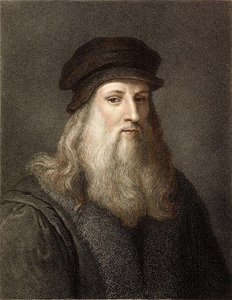
Leonardo di ser Piero da Vinci, geboren in 1452 nabij het Toscaanse dorpje Vinci, blijft ongetwijfeld de meest universeel erkende figuur uit de Renaissance—een ware polymath wiens onverzadigbare nieuwsgierigheid hem over vele disciplines dreef en een onuitwisbare stempel drukte op kunst, wetenschap en techniek. Zijn naam is synoniem geworden met genialiteit, een bewijs van zijn buitengewone breedte aan talent en visionair denkvermogen. Geboren buiten het huwelijk uit Piero da Vinci, een notaris, en Caterina, een boerin, was Leonardo’s vroege leven onconventioneel, maar bood hem tegelijkertijd toegang tot zowel de praktische wereld als een waardering voor de natuur die zijn artistieke visie diepgaand zou vormen. Hij ontving een basisopleiding in lezen, schrijven en rekenen, maar het was zijn leerperiode onder Andrea del Verrocchio in Florence die zijn creatieve vonk echt aanwakkerde. Binnen de werkplaats van Verrocchio leerde Leonardo niet enkel schilderen of beeldhouwen; hij werd ondergedompeld in een wereld van technische vaardigheid, waarbij hij meesterschap verwierf in metaalbewerking, houtbewerking, tekenkunst en de complexiteit van artistieke creatie—een fundament waarop hij zijn veelzijdige genie zou bouwen. Zelfs tijdens deze vormende periode gingen er geruchten rond over zijn uitzonderlijke talent, met verhalen die suggereerden dat Verrocchio zelf het schilderen neerlegde nadat hij getuige was geweest van Leonardo’s superieure bekwaamheid.

Milanese innovaties en artistieke bloei

In 1482 begon Leonardo aan een nieuw hoofdstuk toen hij in dienst trad bij Ludovico Sforza, de hertog van Milaan. Dit was niet louter een artistieke aanstelling; Leonardo fungeerde als militair ingenieur, architect, beeldhouwer en ontwerper voor het hof—een getuigenis van zijn diverse vaardigheden. Hij bedacht innovatieve fortificaties, ontwierp uitgebreide toneeldecors en schetste zelfs plannen voor fantastische machines. Het was echter tijdens deze periode dat hij begon aan een van zijn meest iconische meesterwerken: Het Laatste Avondmaal. Geschilderd als fresco in het refectorium van het klooster Santa Maria delle Grazie, overstijgt dit werk loutere representatie; het is een diepgaande verkenning van menselijke emotie en psychologisch drama, waarbij het exacte moment waarop Christus zijn verraad aankondigt, wordt vastgelegd. De compositie, innovatief voor zijn tijd, en het meesterlijke gebruik van perspectief zouden de westerse kunst eeuwenlang diepgaand beïnvloeden. Hoewel veel beeldhouwprojecten tijdens zijn Milanese periode onvoltooid bleven, bleef Leonardo's inventieve geest floreren, wat de basis legde voor toekomstige wetenschappelijke ontdekkingen.

De terugkeer naar Florence en het streven naar perfectie

Na de Franse invasie van Milaan in 1499 keerde Leonardo terug naar Florence, een stad die een hoogtepunt in artistieke ontwikkeling beleefde. Hoewel hij in deze tijd minder voltooide werken produceerde, was hun impact immens. Het was hier dat hij begon aan wat ongetwijfeld het beroemdste schilderij ter wereld zou worden: de Mona Lisa (La Gioconda). De raadselachtige glimlach en de hypnotiserende blik van het onderwerp hebben toeschouwers generaties lang gefascineerd, terwijl Leonardo’s revolutionaire sfumato-techniek—het subtiele verloop van licht en schaduw om vage contouren en atmosferisch perspectief te creëren—aanzienlijk bijdroeg aan de etherische kwaliteit van het schilderij. Deze periode zag ook de voortdurende verfijning van zijn anatomische studies, gedreven door een onwankelbaar verlangen om het menselijk lichaam met wetenschappelijke precisie te begrijrei. Hij ontleedde lijken en documenteerde nauwgezet spieren, botten en organen in een reeks ongelooflijk gedetailleerde tekeningen die eeuwen voor hun tijd waren.

Een nalatenschap voorbij de kunst: wetenschap, uitvinding en blijvende invloed

De latere jaren van Leonardo werden gekenmerkt door reizen tussen Florence, Milaan en Rome, waarbij hij altijd werd gezocht vanwege zijn expertise, maar vaak projecten onvoltooid achterliet—misschien een weerspiegeling van zijn rusteloze intellect en de enorme omvang van zijn interesses. In 1516 aanvaardde hij een uitnodiging van koning Frans I om te leven en werken in het Château du Clos Lucé nabij Amboise in Frankrijk, waar hij zijn laatste jaren doorbracht. Hij stierf daar in 1519 en liet een enorme nalatenschap na die veel verder reikt dan de wereld van de kunst. Zijn notitieboeken onthullen baanbrekend werk op het gebied van anatomie, optica, hydraulica, geologie en cartografie—en bevatten concepten voor uitvindingen die eeuwen voor hun tijd lagen, waaronder vliegmachines, tanks en geavanceerde wapens. De impact van Leonardo da Vinci op de kunstgeschiedenis is onmeetbaar. Hij verhief de status van kunstenaars van bekwame ambachtslieden naar intellectuele figuren, door aan te tonen dat artistieke creatie gevoed kon worden door wetenschappelijk onderzoek en een diep begrip van de natuurlijke wereld. Zijn schilderijen worden gevierd om hun realisme, psychologische diepgang en innovatieve technieken. Hij blijft een symbool van menselijke nieuwsgierigheid, creativiteit en het onvermoeibare streven naar kennis—een ware belichaming van de geest van de Renaissance, wiens nalatenschap eeuwen na zijn dood nog steeds ontzag en fascinatie oproept.

Belangrijkste prestaties & blijvende impact

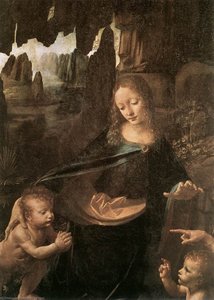
  • Schilderkunst: Mona Lisa, Het Laatste Avondmaal, Madonna van de Rotsen, Annunciatie
  • Tekenen & Schetsen: Uitgebreide anatomische studies, Ingenieursontwerpen (vliegmachines, wapens), Botanische illustraties
  • Wetenschap & Techniek: Baanbrekend werk in anatomie, optica, hydraulica, geologie en cartografie. Concepten voor uitvindingen die eeuwen voor hun tijd lagen.