- Home

- Reproductie van olieverfschilderij
- Lasar Segall
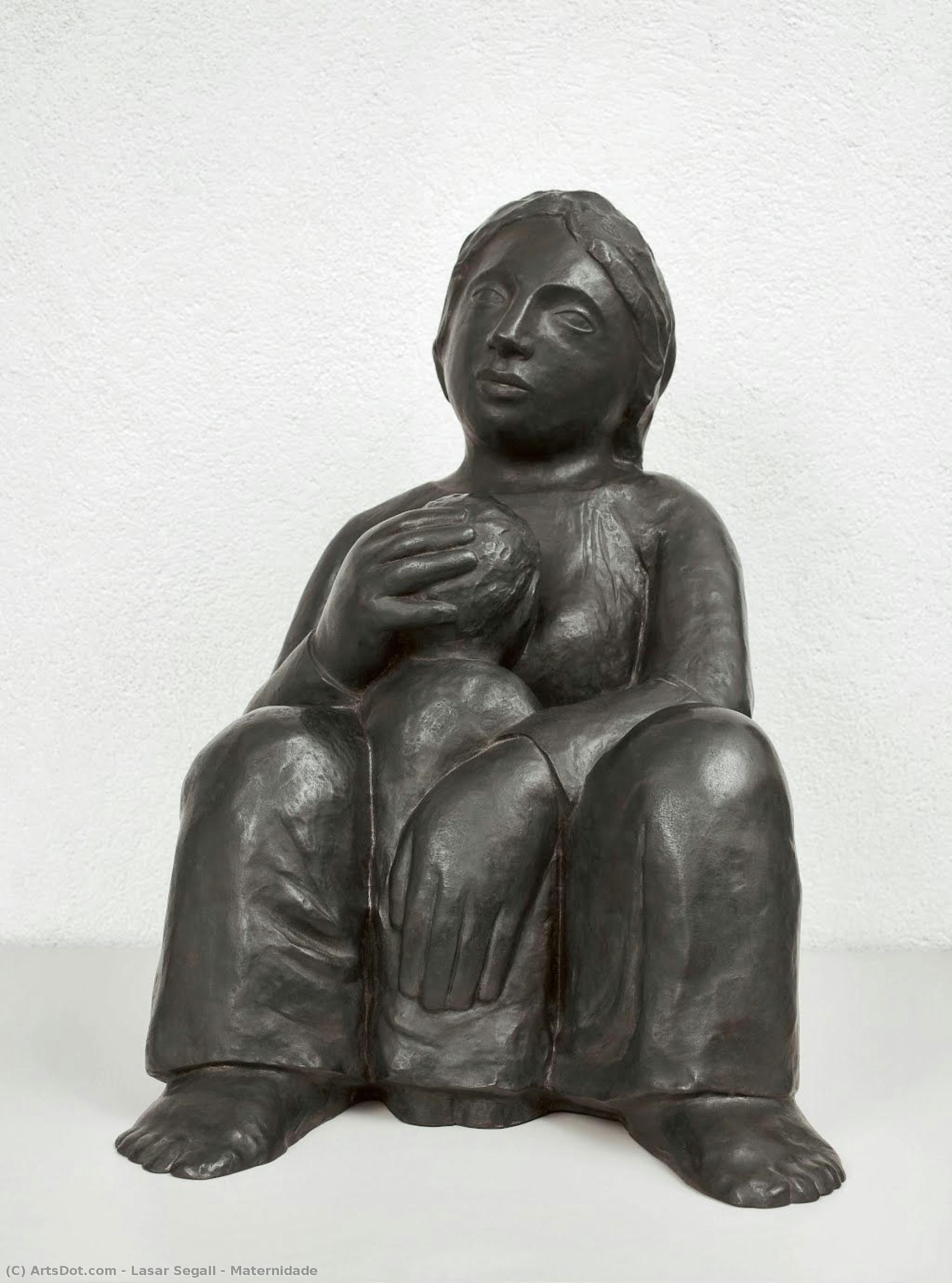
- Materniteit
 Print kopen Koop afbeelding in hoge resolutie
 Verstuur
 Delen
Delen
 Details bekijken
 Toevoegen aan favorieten

 Download
 Vergelijkbare werken
 Röntgenonderzoek
 Diavoorstelling
Materniteit
 Olieverf op canvas
- Wandkunst
 Renaissance
 5.0 x 44.0 cm
 Museu Lasar Segall
 Lees meer
Handgemaakte olieverfreproductie
Met de hand geschilderd in olieverf op canvas in uw gewenste maat en lijst, op bestelling gemaakt door onze kunstenaars.




P118B $10

P118H $10

P118W $10

P438Z $10

P508JH $12

P508YH $12

P805H $10

P805Z $10

P919BZ $10

P919G $10

P919XJ $10

P959ZH $10

P968JZ $12

W106C $8

W218G $10

W218JH $8

W218Y $10

W307PJ $10

W316G $10

W316PJ $8

W316Y $10

W398PJ $8

W4111J $10

W500HY $15

W500JH $15

W692G $12

W849H $8

W940BG $15

W953PJ $8




Kies uit onze vooraf ingestelde maten die overeenkomen met de originele verhoudingen van het kunstwerk.

U kunt uw eigen afmetingen invoeren om in een specifieke lijst of ruimte te passen. Als de door u gekozen maat niet overeenkomt met de verhoudingen van het originele beeld, zullen we het kunstwerk bijsnijden of het schilderij uitbreiden met extra handgeschilderde elementen. Een digitale mockup wordt ter goedkeuring naar u verzonden voordat de productie begint.
Houd er rekening mee dat de preview op het scherm niet de werkelijke uitsnede of uitbreiding weergeeft. Alleen de mockup toont de uiteindelijke compositie nauwkeurig.
Hoewel aangepaste afmetingen mogelijk zijn, raden we aan een maat uit de vooraf gedefinieerde lijst te selecteren om de originele verhoudingen te behouden.
Na de bestelling zal het team van OriginalUniqueArt.com per e-mail contact opnemen voor instructies en een mockup-voorbeeld sturen.
Wereldwijde levering () binnen 3/4 weken in plaats van de standaard 5 weken. (18 juli). Geen concessies aan de kwaliteit.

Gratis wereldwijde expressverzending

Hoogwaardig linnen canvas

Volledige verzendverzekering

Garantie op terugbetaling van invoerrechten

Garantie op exacte kleurweergave

60 dagen retourbeleid (alleen bij defecten)

100% Geld-terug-garantie

Korting bij meerdere afnames
 De optie voor glas is alleen beschikbaar bij een formaat kleiner dan 110 cm.

Materniteit
Techniek reproductie
Afmetingen reproductie
-


Eindtotaal
-
Beschrijving kunstwerk
Maternidade: Een Symfonie van Kwetsbaarheid
“Maternidade” (Moederschap), geschilderd in 1935 door de Litouws-Braziliaanse kunstenaar Lasar Segall, is meer dan een eenvoudige weergave van een vrouw en kind; het is een diepgaande en ontroerende verkenning van menselijke verbinding, vervoering en de blijvende kracht van familierelaties. Deze schildering, uitgevoerd in olie op linnen, is een perfect voorbeeld van Segalls kenmerkende stijl – een krachtige combinatie van Expressionisme, Cubisme en diep persoonlijke symboliek, geworteld in zijn eigen ervaringen als vluchteling en kunstenaar, navigerend door een tijdperk van enorme sociale omwentelingen. De compositie is opvallend direct. Een vrouw, weergegeven met een duidelijke stevigheid maar tegelijkertijd doordrenkt van onmiskenbare kwetsbaarheid, omhelst haar babyzoon in haar armen. Het gezicht van het kind blijft grotendeels verborgen, wat de sfeer van mysterie versterkt en de beschermende omarming van de moeder benadrukt. Segalls meesterlijke gebruik van kleur – aardse bruintinten, gedempte groentinten en vlekken van oker – draagt significant bij aan het sombere maar troostrijke klimaat van het schilderij. Deze kleuren roepen een gevoel van aardsheid op, die de instinctieve verbinding tussen moeder en kind weerspiegelen, terwijl ze tevens de moeilijkheden suggereren waarmee mensen geconfronteerd werden die hun huizen hadden verlaten.Een Spiegelbeeld van Vervoering en Veerkracht
Segalls leven is onlosmakelijk verbonden met dit kunstwerk. Hij vluchtte tijdens het vroege 20e eeuw uit vervolging in Litouwen, en vestigde zich uiteindelijk in Brazilië, waarbij hij een diep gevoel van verlies meebracht en een toewijding ontwikkelde om de menselijke conditie eerlijk en onomwonden weer te geven. “Maternidade” kan worden geïnterpreteerd als een krachtige meditatie over deze ervaring – een getuigenis van de veerkracht van de menselijke geest en de blijvende behoefte aan verbinding in tijden van chaos. De rauwe emotie van het schilderij spreekt direct tot universele thema’s van moederschap, bescherming en de diepe band tussen generaties.De Invloed van Cubisme
Segalls invloed van Cubisme is duidelijk zichtbaar in zijn fragmentarische vormen en meervoudige perspectieven, wat subtiel suggereert de verbroken aard van identiteit en ervaring, vaak geassocieerd met vervoering. In tegenstelling tot sommige Cubistische werken die zich richten op intellectuele abstractie, dient Segalls gebruik van deze techniek om het emotionele impact van het schilderij te versterken, waardoor de kijker’s empathie voor de figuren in het werk wordt vergroot.Symbolisme en Emotionele Resonantie
Buiten zijn formele elementen is “Maternidade” rijk aan symbolische betekenis. De vrouw's houding – beschermend, omsluitend, bijna sculpturaal – suggereert een fortuin tegen de wereld, terwijl haar blik zowel tederheid als een stille vastberadenheid uitdrukt. Het kind’s bestaan vertegenwoordigt niet alleen toekomstige generaties, maar ook de voortzetting van het leven zelf, een symbool van hoop in tijden van nood. De titel zelf onderstreept zijn centrale thema: het fundamentele belang van moederschap als bron van kracht, veiligheid en blijvende liefde.Biografie van de kunstenaar
A Life Forged in Displacement: The Journey of Lasar Segall
Lasar Segall’s life was a testament to the power of art born from displacement and suffering, a narrative etched onto canvas with raw emotion and innovative technique. Born on July 21, 1891, in Vilnius, Lithuania—then part of the Russian Empire—Segall inherited a profound connection to his Jewish heritage through his father, a Torah scribe. This early immersion in tradition would become a recurring undercurrent throughout his artistic explorations, even as he navigated a world increasingly defined by upheaval and change. His formative years were steeped in the anxieties of a society grappling with political unrest and religious persecution, themes that would later dominate his work. The seeds of an artist acutely sensitive to human vulnerability were sown early, nurtured by a childhood shadowed by uncertainty.From Berlin to Brazil: A Blossoming Artistic Voice
At fifteen, Segall embarked on a journey that would irrevocably shape his artistic trajectory, moving to Berlin in 1906 to study at the Königliche Akademie der Künste. This immersion into the vibrant German art scene proved pivotal, exposing him to new ideas and techniques while simultaneously solidifying his commitment to self-expression. He continued his studies in Dresden, becoming a “Meisterschüler” at the Kunstakademie, where he began developing a distinctive style characterized by troubled figures inhabiting claustrophobic spaces, their features often exaggerated to convey profound emotional distress. These early works were not merely representations of form; they were visceral expressions of alienation and suffering, influenced by African tribal art and foreshadowing the Expressionist movement that would soon claim him as one of its own. Segall’s involvement with the Dresden Secession Gruppe in 1919, alongside artists like Otto Dix and Conrad Felixmüller, marked a significant step toward artistic independence and a rejection of conventional norms. However, the turbulence of post-war Europe fueled his desire for a new beginning. In 1923, he made the momentous decision to relocate to São Paulo, Brazil, joining siblings who had already established themselves in the country. This move proved transformative, not only offering him refuge but also exposing him to a culture brimming with vibrant colors, diverse influences, and a unique energy that would infuse his art with new life.Brazilian Rhythms and Modernist Visions
Brazil became more than just a haven for Segall; it was a catalyst for artistic reinvention. He quickly embraced the country’s multifaceted identity, drawing inspiration from its bustling cities, lush landscapes, and diverse population. The red-light districts of Rio de Janeiro, the lives of plantation workers, and the vibrant energy of the favelas all found their way onto his canvases. His participation in the pivotal Semana de Arte Moderna (Modern Art Week) in 1922 solidified his position as a leading figure in the Brazilian modernist movement, challenging traditional artistic conventions and paving the way for a new era of creative expression. While retaining elements of Expressionism, Segall’s style evolved towards a more Cubist-influenced approach, reflecting the dynamic forms and bold colors of Brazilian life. He became a Brazilian citizen, fully immersing himself in the cultural landscape while continuing to explore universal themes of human suffering, displacement, and identity.A Legacy of Empathy and Social Commentary
The mature phase of Segall’s career was marked by a deepening exploration of portraiture, landscapes imbued with social commentary, and a continued commitment to portraying the marginalized and oppressed. His portraits, such as “Portrait of Lucy” (1937) and “Lucy with Flower” (1942), are particularly poignant, capturing not just physical likeness but also the inner lives and emotional complexities of his subjects. These works demonstrate an extraordinary ability to convey empathy and understanding through expressive brushwork and a keen sensitivity to human emotion. His landscapes often served as vehicles for social critique, reflecting on the realities of poverty, inequality, and injustice in Brazil. Throughout his life, Segall remained deeply connected to his Jewish heritage and experiences as an immigrant, themes that consistently resurfaced in his art. He died on August 2, 1957, leaving behind a rich artistic legacy that continues to resonate with audiences today. The Museu Lasar Segall in São Paulo, housed in his former residence and studio, stands as a testament to his enduring influence and provides invaluable insight into the life and work of this remarkable artist—a pivotal figure who bridged European traditions with Brazilian realities, leaving an indelible mark on the landscape of modern art. His work remains a powerful reminder of the importance of empathy, social consciousness, and artistic integrity.
Lasar Segall
1891 - 1957 , Lithuania
Belangrijkste feiten
- Artistic Movement Or Style: Expressionism, Modernism
- Artists Or Movements Influenced By This Artist: ['Brazilian modern artists']
- Artists Who Influenced This Artist: ['African tribal art']
- Date Of Birth: July 21, 1891
- Date Of Death: August 2, 1957
- Full Name: Lasar Segall
- Nationality: Lithuanian-Brazilian
- Notable Artworks:
- Lucy with Flower
- Portrait of Lucy
- Place Of Birth: Vilnius, Lithuania
Gerelateerde artikelen
Top 10 Meesterwerken van het Modernisme: Kunst voor een Verfijnd Interieur
Ontdek de 10 meest invloedrijke meesterwerken van het modernisme! Van Monet tot Picasso, leer over kunstgeschiedenis en technieken. Vind museumkwaliteit reproducties & interieurinspiratie op OriginalUniqueArt.com. Exploreer de collectie online!

Umberto Boccioni: Dynamism, Futurist Ideals & the Evolution of Modern Sculpture
Explore the revolutionary art of Umberto Boccioni, a leading figure of Futurism. Discover his iconic sculptures & paintings, and delve into the movement's impact on modern art history with OriginalUniqueArt.
Figurative Expressionism: Emotional Intensity & Subjective Reality in 20th-Century Art
Explore the powerful world of Figurative Expressionism with OriginalUniqueArt. Discover key artists like Kirchner & Beckmann, understand its emotional depth, and learn how to collect this influential 20th-century art movement.
Top 10 Meesterwerken Olieverf die de Kunst voorgoed Veranderden | OriginalUniqueArt.nl
Ontdek de 10 meest legendarische olieverf meesterwerken die kunstgeschiedenis schreven! Van Van Gogh tot Rembrandt, leer over iconische technieken & emotionele impact. Vind museumkwaliteit reproducties en woondecoratie inspiratie op OriginalUniqueArt.com.

The Enduring Allure of Marble in Art History: From Classical Sculpture to Modern Abstraction
Explore the captivating history of marble sculpture from ancient Greece to modern art. Discover renowned artists like Canova & Michelangelo, carving techniques, and investment insights at OriginalUniqueArt.


