
 Voorvertoning
 Verstuur
 Delen
Delen
 Details bekijken

 Download
 Vergelijkbare items
 Röntgenonderzoek
 Diavoorstelling
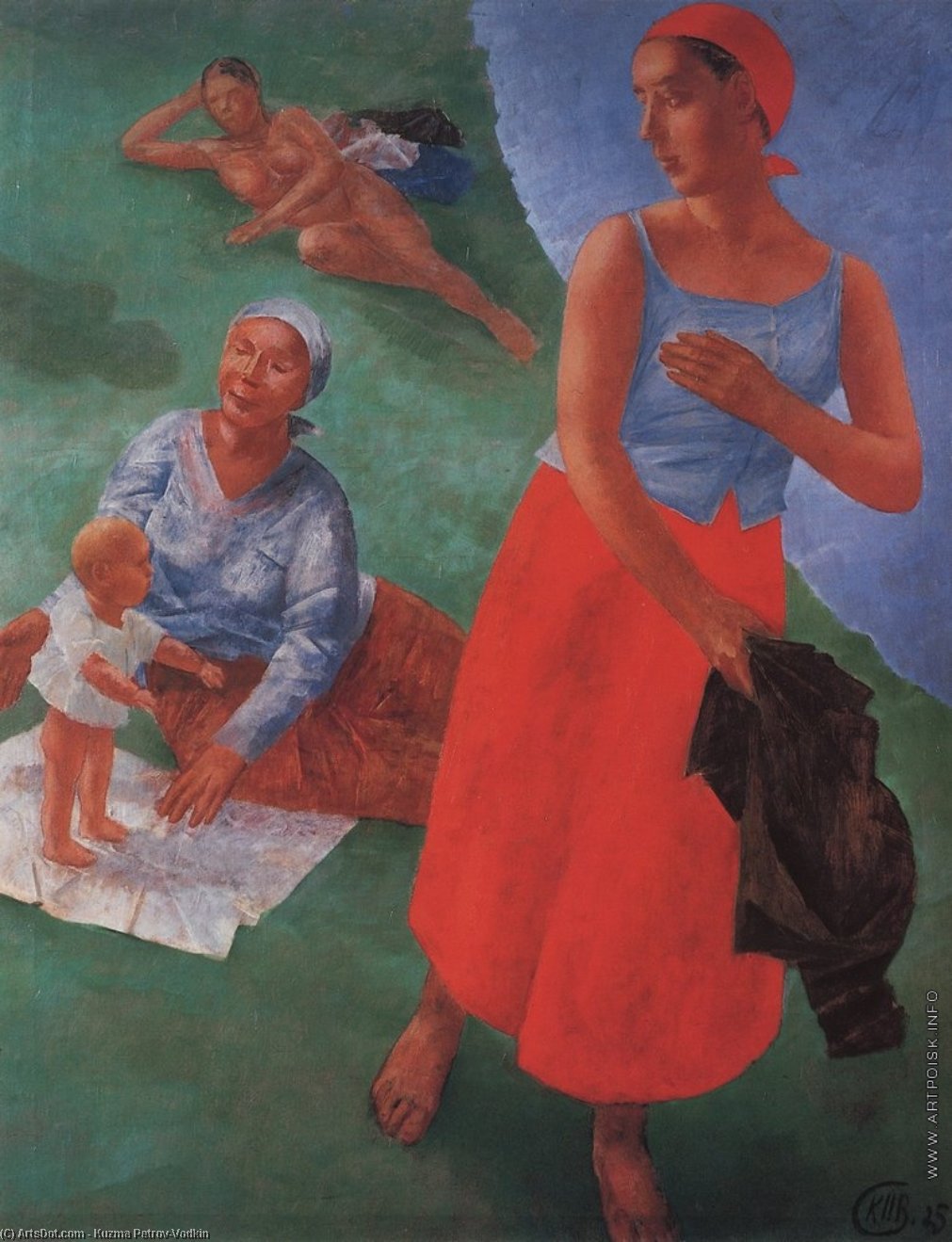
First Steps


 Lees meer
Handgemaakte olieverfreproductie
Met de hand geschilderd in olieverf op canvas in uw gewenste maat en lijst, op bestelling gemaakt door onze kunstenaars. ( Bestel print Koop afbeelding)




































Kies uit onze vooraf ingestelde maten die overeenkomen met de originele verhoudingen van het kunstwerk.

U kunt uw eigen afmetingen invoeren om in een specifieke lijst of ruimte te passen. Als de door u gekozen maat niet overeenkomt met de verhoudingen van het originele beeld, zullen we het kunstwerk bijsnijden of het schilderij uitbreiden met extra handgeschilderde elementen. Een digitale mockup wordt ter goedkeuring naar u verzonden voordat de productie begint.
Houd er rekening mee dat de preview op het scherm niet de werkelijke uitsnede of uitbreiding weergeeft. Alleen de mockup toont de uiteindelijke compositie nauwkeurig.
Hoewel aangepaste afmetingen mogelijk zijn, raden we aan een maat uit de vooraf gedefinieerde lijst te selecteren om de originele verhoudingen te behouden.
Na de bestelling zal het team van OriginalUniqueArt.com per e-mail contact opnemen met de klant voor instructies en een mockup-voorbeeld sturen.
Wereldwijde levering () binnen 3 tot 4 weken in plaats van de standaard 5 weken. (13 augustus). Zonder concessies aan de kwaliteit.

Gratis wereldwijde expressverzending

Hoogwaardig linnen canvas

Volledige verzendverzekering

Garantie op terugbetaling van invoerrechten

Garantie op exacte kleurweergave

Retourbeleid van 60 dagen (alleen bij defecten)

100% Geld-terug-garantie

Korting bij meerdere afnames
 De optie voor glas is alleen beschikbaar bij een formaat kleiner dan 110 cm.

First Steps
Druktechniek
Afmetingen reproductie
-


Eindtotaal
$ 300
Biografie van de kunstenaar
A Visionary of Spherical Space: The Life and Art of Kuzma Petrov-Vodkin
Kuzma Sergeevich Petrov-Vodkin, a name that resonates deeply within the heart of early 20th-century Russian art, was far more than simply a painter; he was a philosophical explorer of form, a master weaver of symbolism, and a poignant chronicler of his nation’s turbulent soul. Born in 1878 in Khvalynsk, a small, unassuming provincial town nestled along the banks of the Volga River, Petrov-Vodkin's artistic journey began not within the imposing walls of established academies but amidst the vibrant, profoundly spiritual world inherited from Russian icon painting traditions and the skilled hands of local signmakers. These formative influences instilled in him an unwavering reverence for line, color, and narrative—qualities that would ultimately define his uniquely distinctive aesthetic throughout his remarkable career. His formal artistic training commenced at the Baron Stieglitz School in Saint Petersburg between 1895 and 1897, providing a crucial foundation upon which he would subsequently build a style that boldly diverged from prevailing artistic currents of the time. He wasn’t merely absorbing techniques; rather, he was meticulously synthesizing tradition with an emerging modern sensibility, forging a path that stood apart from the established norms.The Genesis of a Singular Style: Spherical Perspective and Symbolic Resonance
Petrov-Vodkin's most enduring legacy—and perhaps his single greatest contribution to art history—is undoubtedly his groundbreaking development of “spherical perspective.” Rejecting the conventional, linear perspective championed by Renaissance masters, he embraced a far more expansive, almost cosmic view. This wasn’t simply an aesthetic choice; it was deeply rooted in his philosophical convictions and spiritual inclinations. He sought to represent not just what the eye perceived but how space *felt*, creating compositions that drew the viewer into a swirling vortex of emotion and meaning—a deliberate attempt to capture the subjective experience of reality. The painting The Dream, completed in 1910, became an immediate focal point for intense debate within Russian artistic circles. Alexandre Benois, a prominent figure associated with the Society for the Promotion of New Art, championed Petrov-Vodkin’s innovative approach, while Ilya Repin, a celebrated realist painter, voiced reservations and criticisms. Despite these differing viewpoints, the painting undeniably sparked a vital conversation about the boundless possibilities of modern art. The work's dreamlike quality—achieved through flattened planes, ambiguous figures, and a carefully orchestrated interplay of light and shadow—evokes a profound sense of psychological depth and invites viewers to contemplate the mysteries of the subconscious. Bathing of a Red Horse, created in 1912, solidified Petrov-Vodkin’s reputation as a visionary artist. This iconic image—depicting a group of peasant youths playfully bathing a crimson horse against a backdrop of rolling hills—is often interpreted as a potent symbol of impending social upheaval and the transformative power of nature. The painting's vibrant color palette, its unconventional composition, and its evocative symbolism collectively signaled a decisive departure from traditional realism towards a more symbolic and emotionally charged form of artistic expression.Beyond the Canvas: Literary Pursuits and Reflections on Life
Petrov-Vodkin’s creative spirit extended far beyond the confines of the canvas. Following his arduous battle with pulmonary tuberculosis in 1927, he embarked upon a remarkable literary career—a period of intense introspection and prolific writing that mirrored his artistic explorations. He produced three significant semi-autobiographical volumes: *Khvalynsk*, *Euclid’s Space*, and *Samarkandia*—each offering intimate glimpses into his childhood memories, philosophical musings, and the very process of his artistic creation. These literary works weren't merely recollections; they were profound explorations of memory, perception, and the enduring human quest for meaning in a world undergoing rapid transformation. They provide invaluable insight into the intellectual and spiritual foundations that underpinned his artistic vision—a vision deeply intertwined with Russian folklore, Orthodox spirituality, and a yearning for universal harmony.Influences and Artistic Development
Petrov-Vodkin’s artistic development was shaped by a confluence of influences. Initially, he was drawn to the traditions of Russian icon painting, absorbing their emphasis on line, color, and symbolic representation. His early training at the Baron Stieglitz School provided him with a solid grounding in classical techniques, while his subsequent studies under Valentin Serov—a leading figure of the Peredvizhniki (Wanderers) movement—exposed him to the principles of realism and social commentary. However, Petrov-Vodkin’s artistic sensibilities soon transcended these influences, leading him to experiment with new forms of expression. He was profoundly impacted by the Symbolist movement in Europe, particularly its emphasis on dream imagery, mythology, and spiritual symbolism. This influence is evident in his early works, which often feature allegorical figures and evocative landscapes. Later in his career, he began to incorporate elements of Cubism and Fauvism into his style, while retaining his distinctive spherical perspective and symbolic language.Legacy and Historical Significance
Kuzma Petrov-Vodkin’s artistic legacy extends far beyond the confines of his own prolific output. He left an indelible mark on subsequent generations of Russian artists, inspiring them to explore new avenues of symbolism, perspective, and emotional expression. His unique approach to spherical space continues to fascinate art historians and practitioners alike, demonstrating a remarkable ability to capture not just what is seen but how it *feels*. Petrov-Vodkin’s work remains an important part of the cultural heritage of Russia, and his paintings are held in esteemed collections such as the Kramskoy Museum of Fine Arts in Voronezh and the Krasnoyarsk Art Museum (Krasnoyarsk). His art serves as a poignant reminder of the enduring connection between art, spirituality, and the ongoing human search for meaning in an ever-changing world.Museums Featuring Petrov-Vodkin’s Work
- Kramskoy Museum of Fine Arts (Voronezh, Russia)
- Krasnoyarsk Art Museum (Krasnoyarsk, Russia)

Kuzma Petrov-Vodkin
1878 - 1939 , Rusland
Belangrijkste feiten
- Artistic Movement Or Style: Post-Impressionisme
- Artists Or Movements Influenced By This Artist: ['Russische iconen']
- Artists Who Influenced This Artist:
- Burov
- Serov
- Date Of Birth: 5 nov 1878
- Date Of Death: 15 feb 1939
- Full Name: Kuzma Sergejevitsj Petrov-Vodkin
- Nationality: Russisch
- Notable Artworks:
- Droom
- Paard rood baden
- Place Of Birth: Khvalynsk, Rusland

