

 Voorvertoning
 Verstuur
 Delen
Delen
 Details bekijken

 Download
 Vergelijkbare items
 Röntgenonderzoek
 Diavoorstelling
The Mill. October. Ligachevo
 Oil
Oil- WallArt
- Post-Impressionism
 1913
1913- Modern
 60.0 x 81.0 cm
 Lees meer
Giclée / Kunstafdrukken
Giclée- of canvasafdruk van museumkwaliteit met een snelle productie en flexibele afwerkingsmogelijkheden. ( Bestel handgeschilderde reproductie Koop afbeelding)




P118B $10

P118H $10

P118W $10

P438Z $10

P508JH $12

P508YH $12

P805H $10

P805Z $10

P919BZ $10

P919G $10

P919XJ $10

P959ZH $10

P968JZ $12

W106C $8

W218G $10

W218JH $8

W218Y $10

W307PJ $10

W316G $10

W316PJ $8

W316Y $10

W398PJ $8

W4111J $10

W500HY $15

W500JH $15

W692G $12

W849H $8

W940BG $15

W953PJ $8




Kies uit onze vooraf ingestelde maten die overeenkomen met de originele verhoudingen van het kunstwerk.

U kunt uw eigen afmetingen opgeven om in een specifieke lijst of ruimte te passen. Als de door u gekozen maat niet overeenkomt met de proporties van het originele kunstwerk, zullen wij de afbeelding bijsnijden of uitbreiden met een gespiegelde of effen rand. Een digitaal mockup wordt ter goedkeuring naar u verzonden voordat de productie begint.
Houd er rekening mee dat de preview op het scherm de werkelijke bijsneding of uitbreiding niet weergeeft. Alleen de mockup toont de uiteindelijke compositie nauwkeurig.
Hoewel aangepaste maten beschikbaar zijn, raden wij aan een afmeting uit de vooraf bepaalde lijst te kiezen om de originele proporties te behouden.
Wereldwijde levering () binnen 2 weken in plaats van de standaard 4/5 weken. (30 augustus)

Gratis wereldwijde expressverzending

Hoogwaardig linnen canvas

Volledige verzendverzekering

Garantie op terugbetaling van invoerrechten

Garantie op exacte kleurweergave

Retourbeleid van 60 dagen (alleen bij defecten)

100% Geld-terug-garantie

Korting bij meerdere afnames
 De optie voor glas is alleen beschikbaar bij een formaat kleiner dan 110 cm.

The Mill. October. Ligachevo
Giclée / Kunstafdrukken
Afmetingen reproductie
-


Eindtotaal
$ 81
A Symphony of Rural Life in October
In the evocative masterpiece "The Mill. October. Ligachevo," Konstantin Yuon invites the viewer into a poignant, breathing moment of Russian pastoral life. Painted in 1913, this post-impressionist gem captures more than just a landscape; it captures the very soul of a community intertwined with the rhythms of the earth. The scene unfolds around a rustic barn or cabin, serving as the heart of a bustling countryside gathering. As the eyes wander through the composition, one discovers a rich tapestry of life: at least thirteen figures are woven into the scenery, engaged in the quiet, industrious activities that define rural existence. A horse stands sentinel near the center-right, while a loyal dog rests near the periphery, and cows graze peacefully throughout the meadow. This is not a static portrait but a living, breathing tableau where every element—from the weathered wood of the fences to the scattered livestock—contributes to a profound sense of communal harmony.
The technique employed by Yuon reflects his sophisticated command over light and texture, hallmarks of his training at the Moscow School of Painting, Sculpture and Architecture. Through a post-impressionist lens, he utilizes a palette that mirrors the cooling, golden-brown hues of an October afternoon. The brushwork is deliberate yet fluid, capturing the atmospheric weight of the autumn air. There is a palpable sense of movement in the way the light hits the figures and the animals, creating a shimmering effect that suggests the fleeting nature of the season. For the discerning collector or interior designer, this painting offers a remarkable depth; its ability to command attention through subtle tonal shifts makes it an ideal centerpiece for spaces that value warmth, heritage, and a connection to the natural world.
Historical Resonance and Emotional Depth
To understand this work is to understand the transitional era of Russian art in which Yuon operated. Moving between the light-drenched philosophies of Impressionism and the grounded reality of what would later become Soviet Realism, Yuon found his most profound expression in these seasonal landscapes. "The Mill. October. Ligachevo" serves as a nostalgic window into a way of life that was on the precipice of monumental change. The symbolism within the piece is subtle yet pervasive; the mill and the barn represent stability and the sustenance provided by the land, while the gathering of people suggests the enduring strength of human connection against the backdrop of the changing seasons. The autumn setting itself acts as a metaphor for maturity and the quiet preparation for the coming winter.
For those seeking to adorn a home or gallery with a high-quality reproduction, this painting offers an unparalleled emotional impact. It evokes a sense of nostalgia and tranquility, making it a perfect choice for creating a sanctuary-like atmosphere in a sophisticated interior. The artwork does not merely decorate a wall; it tells a story of resilience, community, and the timeless beauty of the Russian countryside. Whether placed in a sunlit study or a grand living area, Yuon’s work brings with it an aura of historical importance and an invitation to reflect on the simple, profound beauty of life in rhythm with nature.
Biografie van de kunstenaar
Early Life and Artistic Foundations
Konstantin Fyodorovich Yuon, geboren in Moskou op 24 oktober 1875, kwam uit een familie die zowel een Zwitserse-Russische erfenis als een sterke artistieke traditie combineerde. Zijn broer, Paul Juon, zou wereldberoemd worden als componist – een duidelijke aanwijzing voor de creatieve stromingen die door hun opvoeding heen vloeiden. Vanaf jonge leeftijd toonde Konstantin een aangeboren interesse in visuele expressie, gekneed door zijn moeder, die kunstzinnigheid stimuleerde binnen het gezin. Deze vroege blootstelling legde de basis voor zijn formele opleiding aan de Moskouse School van Schilderkunst, Beeldhouwkunst en Architectuur van 1892 tot 1898. Daar kreeg hij leiding van eminente meesters zoals Konstantin Savitsj en Konstantin Korovin, die hun technieken en filosofieën overdraagden – elementen die zijn vroege artistieke traject zouden vormgeven. Deze formative jaren waren niet beperkt tot Rusland; Yuon reisde door Europa, met name Parijs, waar hij de opkomende Impressionistische beweging ontmoette. Hoewel hij gefascineerd was door kunstenaars zoals Camille Pissarro, kopieerde hij deze stijlen niet blindelings – hij synthetiseerde deze invloeden met een uniek Russisch gevoel voor esthetiek, waardoor hij zijn eigen, onderscheidende stijl creëerde.Van Symbolisme tot Socialistische Realiteit
Yuon’s vroege werk kenmerkt zich door een evocatieve mix van Impressionistische landschappen, verrijkt met subtiele Symbolistische ondertonen. Schilderingen zoals *To the Trinity* (1903) en *Tverskoy Boulevard* (1909) illustreren deze periode, waarbij flitsende momenten van licht en atmosfeer worden vastgelegd, terwijl tegelijkertijd diepere emotionele resonanties worden gesuggereerd. Hij was niet tevreden om uitsluitend binnen het Impressionisme te blijven; Yuon begon te experimenteren met lyrische landschappen die elementen integreerden uit traditionele Russische kunstvormen – de delicate precisie van Palekh-miniatuurkunst en de spirituele diepte van iconografie. Deze fusie creëerde een unieke visuele taal, doordrenkt van nationale identiteit, maar toch open voor innovatie. Echter, de politieke omwentelingen van het begin van de 20e eeuw veranderden het pad van Yuon’s artistieke ontwikkeling drastisch. Naarmate de Sovjet-periode aanbrak, navigeerde hij door de verschuivende eisen van een nieuwe ideologische omgeving. Zijn stijl evolueerde geleidelijk naar een meer academische benadering, waarbij de beginselen van Socialistische Realisme werden omarmd – een stijl die gericht was op toegankelijkheid en diende als instrument voor het verspreiden van revolutionaire idealen. Deze verschuiving is krachtig zichtbaar in zijn monumentale werk *Parade on the Red Square on November 7, 1941*, een patriottische weergave van Sovjet kracht tijdens de oorlog.Een Multifacetisch Carrière en Institutioneel Leiderschap
Konstantin Yuon’s bijdragen gingen verder dan het schilderen; hij was ook een invloedrijke figuur in de organisatie en administratie van de Russische kunstwereld. Hij co-stichtte zowel de Unie van Russische Kunstenaars als, later, de Vereniging van Kunstenaars voor Revolutionaire Rusland, waarbij hij actief de richting van artistieke expressie vormgaf tijdens perioden van diepgaande sociale veranderingen. Zijn administratieve talenten werden verder erkend door zijn leiderschapsfuncties: hij diende als directeur van het Onderzoeksinstituut van de Academie der Kunsten (1948-1950) en, culminerend in een gerespecteerde carrière, werd hij Secretaris-Generaal van de Unie van Kunstenaars voor Revolutionaire Rusland (1956-1958). Deze posities stonden hem toe om zijn visie op Russische kunst te bevorderen. Zijn toewijding werd erkend met prestigieuze onderscheidingen, waaronder de Stalinprijs in 1943 en de Orde van Lenin – waardoor hij een nationale schat werd.Een Erfgoed en Een Duurzaam Invloed
Konstantin Yuon’s nalatenschap is complex en veelzijdig – een getuigenis van een kunstenaar die turbulente tijden doorstond terwijl hij toegewijd bleef aan zijn vak. Hij staat als een sleutelfiguur in de Russische kunstgeschiedenis, die de kloof overbrugt tussen de esthetische gevoelens van het laat-19e eeuw en de ideologische eisen van de Sovjet-periode. Zijn vroege Symbolistische landschappen bezitten een spookachtige schoonheid die nog steeds kijkers aanspoort, terwijl zijn latere Socialistische Realistische werken waardevolle inzichten bieden in de artistieke strategieën die door het Sovjetregime werden gebruikt. Vandaag de dag worden Yuon’s schilderijen bewaard in prominente museumcollecties in Rusland, waaronder de Tretyakov Gallery en het Taganrogse Kunstmuseum – waardoor ze voor toekomstige generaties toegankelijk blijven.- Bekende Werken: *New Planet*, *Bean Vine*, *Parade on the Red Square on November 7, 1941*.
- Belangrijke Invloeden: Konstantin Savitsj, Konstantin Korovin, Valentin Serov, Camille Pissarro.
- Artistieke Bewegingen: Impressionisme, Symbolisme, Socialistische Realisme.

Konstantin Yuon
1875 - 1958 , Rusland
Belangrijkste feiten
- Artistic Movement Or Style: Impressionisme, Symbolisme, SocReal
- Artists Or Movements Influenced By This Artist: ['Savitsky']
- Artists Who Influenced This Artist:
- Korovin
- Serov
- Pissarro
- Date Of Birth: 24 okt 1875
- Date Of Death: 11 apr 1958
- Full Name: Konstantin Fyodorovich Yuon
- Nationality: Russisch
- Notable Artworks:
- Nieuwe Planeet
- Bonenstruik
- Parade Red Plein
- Place Of Birth: Moskou, Rusland
Gerelateerde artikelen

Top 10 Post-Impressionistische Meesterwerken: Kunst die de Geschiedenis Schreef | OriginalUniqueArt.nl
Ontdek de 10 meest iconische meesterwerken van het Post-Impressionisme! Van Gogh, Monet, Cézanne en meer. Leer over hun technieken & emoties achter deze tijdloze kunst. Museumkwaliteit reproducties op OriginalUniqueArt.com – Kunst voor uw interieur.
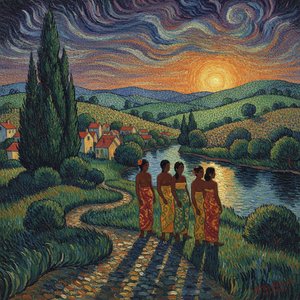
Beyond Impressionism: Exploring the Emotional Depth and Vibrant Mastery of Post-Impressionist Art
Discover the profound evolution of art beyond Impressionism. Explore the emotional depth, vibrant colors, and revolutionary techniques of Post-Impressionist masters like Van Gogh and Cézanne in this expert guide to art history's most expressive movement.

Beyond Impressionism: Exploring the Emotional Depth and Vibrant Textures of Post-Impressionist Landscapes
Discover the profound emotional depth of Post-Impressionist landscapes. Explore how masters like Van Gogh revolutionized art through vibrant color, textured impasto, and symbolic expression in this expert guide to the movement that redefined modern art history.
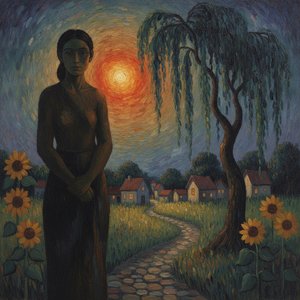
Beyond the Light: Discovering the Soul and Emotional Depth of Post-Impressionism
Embark on a cultural journey through Post-Impressionism. Discover the profound emotional depth of masters like Van Gogh and Cézanne, exploring how they moved beyond light to capture the very soul of human experience through vibrant color and symbolic form.
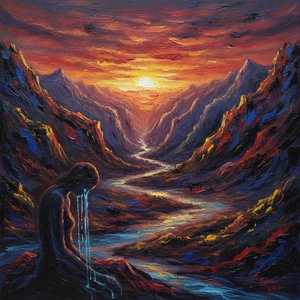
Capturing Emotion: A Journey Through the Soul of Expressionist Landscapes
Explore the profound emotional depth of Expressionist landscapes. Discover how Post-Impressionist masters moved beyond light to capture the soul through vibrant color and form. A curated journey for true art lovers seeking the beauty of expressive mastery.

