

 Bekijk op ware grootte
 Verstuur
 Delen
Delen
 Details bekijken
 Gids voor studentenkunstwerken

 Download
 Vergelijkbare items
 Röntgenonderzoek
 Diavoorstelling
 Statistieken
Mermaid
 Vienna Secession
 1914
1914- Modern
 37.0 x 50.0 cm
 Lees meer
Giclée / Kunstafdrukken
Giclée- of canvasafdruk van museumkwaliteit met een snelle productie en flexibele afwerkingsmogelijkheden. ( Koop handgeschilderd kunstwerk Schakel over naar digitale afbeeldingen)




P118B €10

P118H €10

P118W €10

P438Z €10

P508JH €12

P508YH €12

P805H €10

P805Z €10

P919BZ €10

P919G €10

P919XJ €10

P959ZH €10

P968JZ €12

W106C €8

W218G €10

W218JH €8

W218Y €10

W307PJ €10

W316G €10

W316PJ €8

W316Y €10

W398PJ €8

W4111J €10

W500HY €15

W500JH €15

W692G €12

W849H €8

W940BG €15

W953PJ €8




Kies uit onze vooraf ingestelde maten die overeenkomen met de originele verhoudingen van het kunstwerk.

Voer de breedte en de hoogte in die u nodig heeft, passend bij uw lijst of uw muur. Een afdruk kan alleen worden ingekort, nooit groter worden gemaakt dan het origineel, waardoor een formaat met een andere verhouding een deel van de afbeelding verliest. Wij sturen u een digitaal mockup ter goedkeuring voordat we iets drukken. De afbeelding op deze pagina toont niet de werkelijke uitsnede — dit is alleen te zien op het mockup.
Wereldwijde levering () binnen 2 weken in plaats van de standaard 4/5 weken. (23 oktober)

Gratis wereldwijde expressverzending

Hoogwaardig linnen canvas

Volledige verzendverzekering

Garantie op terugbetaling van invoerrechten

Garantie op exacte kleurweergave

Retourbeleid van 100 dagen (alleen bij defecten)

100% Geld-terug-garantie

Korting bij meerdere afnames
 De optie voor glas is alleen beschikbaar bij een formaat kleiner dan 110 cm.

Mermaid
Giclée / Kunstafdrukken
Formaat reproductie
-


Totaalprijs
€ 71
A Dreamscape of Gold and Shadow
In the evocative masterpiece Mermaid, created in 1914 by the visionary Koloman Moser, we are invited into a realm where the boundaries between reality and myth dissolve. The painting presents a mesmerizing vision of a woman reclining within a mysterious, cave-like sanctuary, her form bathed in an otherworldly glow. Moser employs a striking palette, most notably through the use of vibrant yellow skin tones that illuminate the subject against the darker, more somber textures of the rocky environment. This deliberate use of color does not merely depict a figure; it breathes life into a dream, transforming a simple study of a reclining woman into a luminous centerpiece of symbolic depth. As she rests in a state of profound stillness, the viewer is drawn into her quietude, feeling the weight of the silence that permeates this subterranean world.
The composition is a masterclass in balanced complexity, where every element serves to heighten the sense of enchantment. Beyond the central figure, Moser weaves a delicate tapestry of life: a solitary fish glides near the upper reaches of the frame, while another finds its place in the lower depths, suggesting an aquatic or primordial connection to the setting. The presence of birds—one hovering above and another perched on the periphery—adds a layer of ethereal movement to the otherwise static scene. These creatures act as silent witnesses to the mermaid's slumber, bridging the gap between the earthbound rocks and the boundless sky. For the discerning collector or interior designer, this interplay of fauna and flora creates a narrative richness that makes the piece a captivating focal point for any sophisticated space.
The Legacy of the Vienna Secession
To understand the profound impact of Mermaid, one must look to the historical currents of early 20th-century Austria. As a foundational figure of the Vienna Secession, Koloman Moser was instrumental in breaking away from traditional academic constraints to embrace a more stylized, decorative, and symbolic language. This painting reflects that transition perfectly, blending the organic textures of nature with a highly curated, almost graphic sensibility. The technique reveals a sophisticated command over light and shadow, using the ruggedness of the cave walls to contrast with the smooth, idealized curves of the subject. It is this tension between the raw and the refined that gives the work its enduring emotional resonance.
For those seeking to adorn their homes with art that inspires contemplation, a high-quality reproduction of this work offers more than mere decoration; it offers an entry point into the soul of the Secessionist movement. The painting’s ability to evoke mystery and tranquility makes it an ideal choice for creating an atmosphere of elegance and introspection. Whether placed in a contemporary gallery setting or a classic study, Mermaid serves as a timeless testament to Moser's ability to capture the ephemeral beauty of myth through the lens of modern design.
Vragen & Antwoorden
Waar kan ik een gids vinden voor "Mermaid"?
De Gids-pagina van "Mermaid" door Koloman Moser biedt een printbaar factsheet van twee pagina's: het kunstwerk met de bijbehorende identificatietabel, een tijdlijn die het werk plaatst binnen de levensloop van de kunstenaar, andere werken van de kunstenaar, het gemeten kleurenpalet en kant-en-klare citaten in vier verschillende stijlen.
Welke kleur valt het meest op in "Mermaid"?
De kleur die het meest opvalt in "Mermaid" is Rosy Brown (#ae9d82). De dominante kleur is handig bij het afstemmen van een kunstwerk op een interieur.
Hoe verhouden de kleuren van "Mermaid" door Koloman Moser zich tot de emotie van het kunstwerk?
In "Mermaid" begeleiden Earthy kleuren een Mysterious gevoel.
Biografie van de kunstenaar
Early Life and Artistic Foundations
Koloman Moser, a name inextricably linked to the vibrant spirit of Vienna’s artistic landscape at the turn of the 20th century, was born on March 30, 1868, in the heart of Vienna, Austria-Hungary – a region brimming with cultural ferment. His origins were deeply rooted in a family connected to the prestigious Wiener Akademie, an institution that nurtured young artists and instilled within him a profound appreciation for classical aesthetics. However, it wasn’t solely through formal training that Moser's artistic sensibilities blossomed; his upbringing also exposed him to the world of craftsmanship, particularly through the workshops associated with the Theresianum, a renowned academy dedicated to various artisanal skills. This unique blend of academic rigor and practical experience proved instrumental in shaping his diverse talents – he was equally adept at painting, graphic design, architecture, and the creation of exquisite applied arts. The influence of this early environment fostered an innate eye for detail, a deep understanding of materials, and a nascent desire to infuse beauty into every facet of life.A Pioneer of the Vienna Secession
Moser’s artistic trajectory took a decisive turn in 1897 when he became one of the founding members of the Vienna Secession – a movement that irrevocably altered the course of Viennese art. Dissatisfied with the conservative confines of the established art world, a group of forward-thinking artists, including Gustav Klimt, Josef Hoffmann, and others, sought to establish their own independent platform for artistic expression. The Secession’s manifesto, boldly rejecting academic traditions, declared its intention to “break away from the old foundations” and forge a new path rooted in innovation and aesthetic freedom. Moser quickly emerged as a key figure within this revolutionary collective, contributing significantly to the Secession's influential journal, *Ver Sacrum*, with his distinctive graphic designs – characterized by their geometric precision, elegant typography, and a subtle yet powerful sense of modernity. His involvement signaled not just an artistic shift but also a commitment to challenging established norms and embracing a more dynamic approach to visual communication.The Wiener Werkstätte: A Synthesis of Art and Craft
Building upon the foundations laid by the Secession, Moser played a pivotal role in the establishment of the Wiener Werkstätte (Vienna Workshop) in 1903 – a collaborative endeavor that epitomized the movement’s core philosophy of “Gesamtkunstwerk” or total work of art. Alongside Josef Hoffmann and Fritz Wärndorfer, Moser envisioned a space where artists and craftsmen could unite to create aesthetically pleasing household goods, integrating design, production, and functionality into a harmonious whole. The Wiener Werkstätte championed the idea that every element of an object – from its initial concept to its final execution – should be carefully considered and executed with artistic intention. Moser’s contributions to this remarkable workshop were vast and varied, encompassing furniture design, ceramics, textiles, metalwork, and even fashion, demonstrating his versatility as a designer and his commitment to elevating the status of applied arts. The collaborative spirit fostered within the Werkstätte allowed for experimentation, innovation, and a profound appreciation for the beauty of everyday objects.Architectural Innovations and Decorative Masterpieces
Beyond his contributions to graphic design and applied arts, Moser’s talents extended significantly into the realm of architecture. His most celebrated architectural achievement is undoubtedly the apse mosaic and stained-glass windows he designed for the Kirche am Steinhof (Church at the Steinhof) in Vienna – a project completed in 1904. This monumental undertaking showcased his ability to seamlessly blend artistic vision with functional design, creating a space that was both visually stunning and spiritually evocative. The intricate mosaic panels, depicting scenes from the life of Christ, combined with the vibrant stained-glass windows, transformed the church into a masterpiece of Art Nouveau architecture – a testament to Moser’s innovative spirit and his profound understanding of light, color, and form. His work on this project solidified his reputation as a leading architect and designer, demonstrating his ability to create works that transcended mere functionality and embraced artistic expression.Legacy and Enduring Influence
Koloman Moser's life was tragically cut short in October 1918, succumbing to cancer at the age of 50. Despite his untimely death, his legacy continues to resonate throughout the world of art and design. His pioneering spirit, innovative designs, and unwavering commitment to artistic excellence have left an indelible mark on Vienna’s cultural heritage. Furthermore, Moser's influence extends far beyond Austria, shaping the development of Art Nouveau and inspiring generations of artists and designers. A poignant reminder of his enduring impact is found on the Austrian 100 Euro Steinhof Church commemorative coin (2005), a symbolic recognition of his profound contribution to Viennese art and design. Moser’s work continues to be studied, admired, and celebrated as a testament to the power of artistic vision and the transformative potential of integrating beauty into everyday life.
Koloman Moser
1868 - 1918 , Oostenrijk
Snelle feiten
- Artistic Movement Or Style: Secessieschool
- Artists Or Movements Influenced By This Artist: ['Art Nouveau']
- Artists Who Influenced This Artist: ['Wiener Werkstätte']
- Date Of Birth: 30 mrt 1868
- Date Of Death: 18 okt 1918
- Full Name: Koloman Moser
- Nationality: Oostenrijks
- Notable Artworks:
- Decoratie façade
- Danser
- Drie kermend vrouwen
- Place Of Birth: Wenen, Oostenrijk-Hongarije
Gerelateerde artikelen
Top 10 Meesterwerken in Kleur van Aarde: Kunstprints voor een Warm Interieur
Ontdek de top 10 beroemde schilderijen in warme aardekleuren! Van Rembrandt tot Van Gogh, leer over kunststijlen & technieken. Vind museumkwaliteit reproducties en interieurinspiratie op OriginalUniqueArt.com.
Top 10 Meesterwerken Gedomineerd door Okergeel: Kunst voor uw Interieur
Ontdek de top 10 beroemde schilderijen gedomineerd door okergeel! Van Gogh, Rembrandt & Vermeer – leer hun verhaal en bewonder warme kleuren in kunst. Vind museumkwaliteit reproducties voor uw interieur op OriginalUniqueArt.com.
Top 10 Meesterwerken Gedomineerd door 'Chrome Geel': Kunst voor uw Interieur
Ontdek de top 10 beroemde schilderijen gedomineerd door 'Chrome Geel'! Van Gogh, Monet en meer. Leer over kunststijlen & technieken. Museumkwaliteit reproducties voor uw interieur op OriginalUniqueArt.com
Top 10 Meesterwerken in 'Paddestoel' Tinten: Kunst voor een Verfijnd Interieur
Ontdek 10 beroemde schilderijen in warme 'paddestoel' tinten! Van Gogh, Monet & meer. Laat je inspireren door kunstgeschiedenis en creëer een elegante sfeer met museumkwaliteit reproducties op OriginalUniqueArt.com.
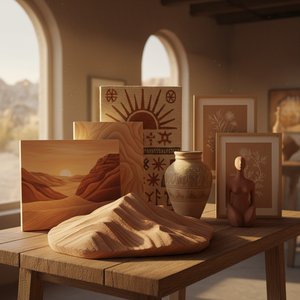
Top 10 Meesterwerken in Zandkleuren: Kunst voor een Warm Interieur | OriginalUniqueArt.com
Ontdek 10 beroemde schilderijen die baden in zandkleuren! Van Monet tot Rembrandt, leer de verhalen achter deze meesterwerken. Vind museumkwaliteit kunst reproducties & interieurinspiratie op OriginalUniqueArt.com.
