
 Bekijk op ware grootte
 Verstuur
 Delen
Delen
 Details bekijken
 Gids voor studentenkunstwerken

 Download
 Vergelijkbare items
 Röntgenonderzoek
 Diavoorstelling
 Statistieken
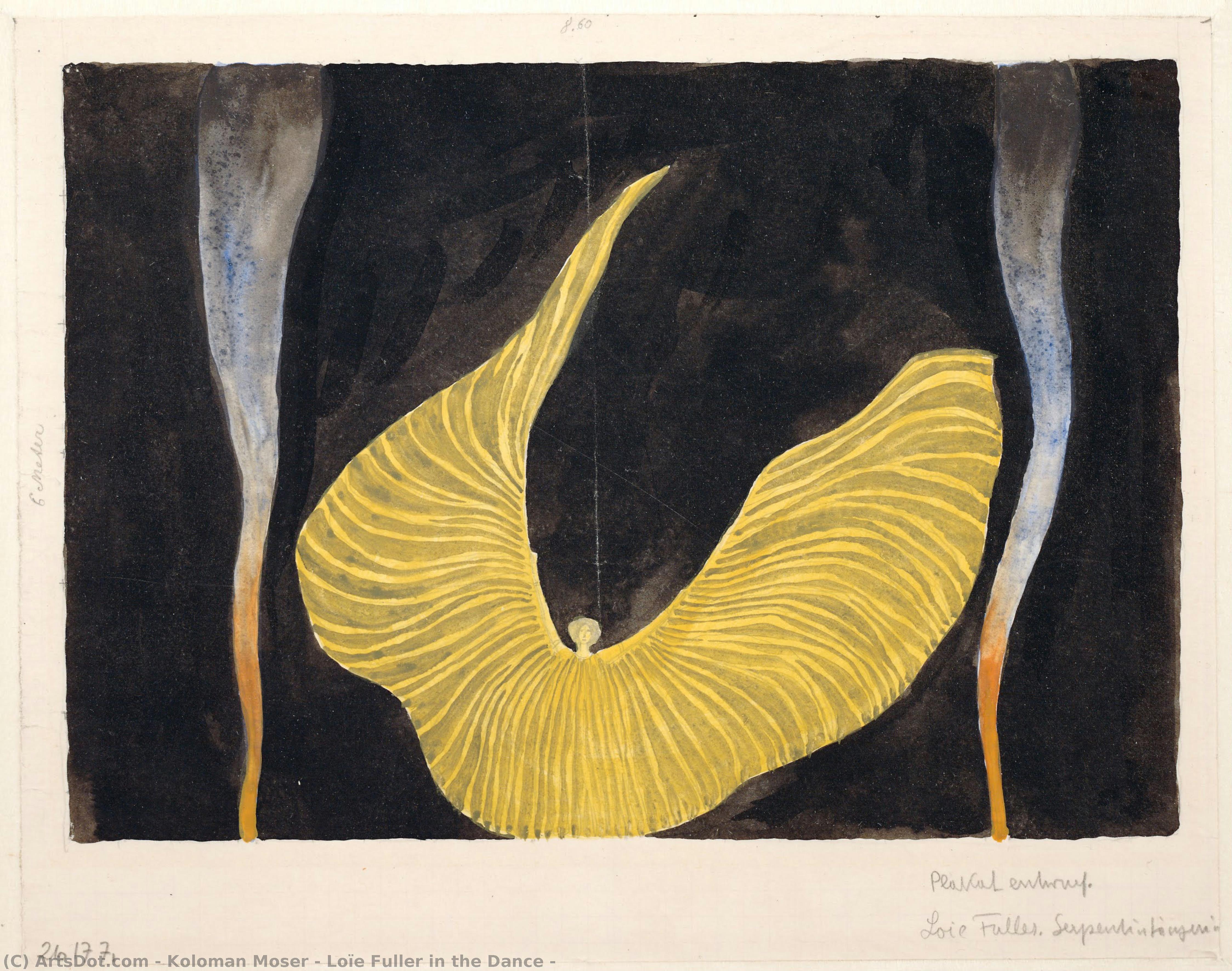
Loïe Fuller in the Dance


 Lees meer
Giclée / Kunstafdrukken
Giclée- of canvasafdruk van museumkwaliteit met een snelle productie en flexibele afwerkingsmogelijkheden. ( Koop handgeschilderd kunstwerk Schakel over naar digitale afbeeldingen)




P118B $10

P118H $10

P118W $10

P438Z $10

P508JH $12

P508YH $12

P805H $10

P805Z $10

P919BZ $10

P919G $10

P919XJ $10

P959ZH $10

P968JZ $12

W106C $8

W218G $10

W218JH $8

W218Y $10

W307PJ $10

W316G $10

W316PJ $8

W316Y $10

W398PJ $8

W4111J $10

W500HY $15

W500JH $15

W692G $12

W849H $8

W940BG $15

W953PJ $8




Kies uit onze vooraf ingestelde maten die overeenkomen met de originele verhoudingen van het kunstwerk.

U kunt uw eigen afmetingen opgeven om in een specifieke lijst of ruimte te passen. Als de door u gekozen maat niet overeenkomt met de proporties van het originele kunstwerk, zullen wij de afbeelding bijsnijden of uitbreiden met een gespiegelde of effen rand. Een digitaal mockup wordt ter goedkeuring naar u verzonden voordat de productie begint.
Houd er rekening mee dat de preview op het scherm de werkelijke bijsneding of uitbreiding niet weergeeft. Alleen de mockup toont de uiteindelijke compositie nauwkeurig.
Hoewel aangepaste maten beschikbaar zijn, raden wij aan een afmeting uit de vooraf bepaalde lijst te kiezen om de originele proporties te behouden.
Wereldwijde levering () binnen 2 weken in plaats van de standaard 4/5 weken. (27 september)

Gratis wereldwijde expressverzending

Hoogwaardig linnen canvas

Volledige verzendverzekering

Garantie op terugbetaling van invoerrechten

Garantie op exacte kleurweergave

Retourbeleid van 100 dagen (alleen bij defecten)

100% Geld-terug-garantie

Korting bij meerdere afnames
 De optie voor glas is alleen beschikbaar bij een formaat kleiner dan 110 cm.

Loïe Fuller in the Dance
Giclée / Kunstafdrukken
Formaat reproductie
-


Totaalprijs
$ 81
The Ethereal Dance of Abstraction
Gazing upon this watercolor, one is immediately drawn into a realm suspended between waking dream and vivid memory. The piece, titled Loïe Fuller in the Dance, transcends mere portraiture; it captures an ephemeral moment of pure kinetic energy made visible. Two large, stylized forms seem to materialize from the deep, velvety expanse of the background, suggesting figures caught mid-waltz or immersed in a ritualistic ballet. The composition is breathtaking in its ambiguity, inviting the viewer not just to look, but to feel the movement itself—the sweep of fabric, the arc of an outstretched limb, all rendered with exquisite delicacy.
Technique and Luminous Mystery
The mastery displayed here lies profoundly within the handling of watercolor. The artist has employed a technique that speaks directly to the fluidity of emotion: wet-on-wet washes create areas where color bleeds into neighboring tones, resulting in a soft, almost breathable texture. Against the near-black void, luminous pools of pale blue and vibrant yellow seem to glow from an internal source. These colors do not merely sit on the paper; they appear to emanate light, suggesting that the very act of dancing is a source of illumination. The visible brushstrokes are not flaws, but rather signatures of the process—a testament to the artist's hand guiding pigment across damp paper.
Symbolism of Form and Flow
The forms themselves resist easy categorization. They are curvilinear, amorphous, and deeply suggestive rather than literal. This abstraction points toward deeper symbolic currents. The swirling patterns woven through the figures evoke concepts far grander than a mere performance—they speak of energy, the ceaseless flow of life force, or perhaps the intricate entanglement of human intimacy. In the context of early 20th-century artistic movements, this emphasis on emotional resonance over strict realism aligns with Expressionist impulses, suggesting that the true subject is not Loïe Fuller, but the universal experience of ecstatic movement and connection.
Historical Echoes and Decorative Resonance
While the piece evokes a sense of timeless mystery, its creation around 1902 places it within a fascinating cultural crucible. It hints at the burgeoning modernism that would soon challenge academic traditions. For the collector or designer, this artwork offers unparalleled decorative depth. Imagine this vision rendered in reproduction—its soft glow against richly paneled walls or alongside minimalist furniture would create an immediate focal point of sophisticated drama. It is art that whispers secrets rather than shouting statements, lending any space an air of cultivated, introspective romance.
Biografie van de kunstenaar
Early Life and Artistic Foundations
Koloman Moser, a name inextricably linked to the vibrant spirit of Vienna’s artistic landscape at the turn of the 20th century, was born on March 30, 1868, in the heart of Vienna, Austria-Hungary – a region brimming with cultural ferment. His origins were deeply rooted in a family connected to the prestigious Wiener Akademie, an institution that nurtured young artists and instilled within him a profound appreciation for classical aesthetics. However, it wasn’t solely through formal training that Moser's artistic sensibilities blossomed; his upbringing also exposed him to the world of craftsmanship, particularly through the workshops associated with the Theresianum, a renowned academy dedicated to various artisanal skills. This unique blend of academic rigor and practical experience proved instrumental in shaping his diverse talents – he was equally adept at painting, graphic design, architecture, and the creation of exquisite applied arts. The influence of this early environment fostered an innate eye for detail, a deep understanding of materials, and a nascent desire to infuse beauty into every facet of life.A Pioneer of the Vienna Secession
Moser’s artistic trajectory took a decisive turn in 1897 when he became one of the founding members of the Vienna Secession – a movement that irrevocably altered the course of Viennese art. Dissatisfied with the conservative confines of the established art world, a group of forward-thinking artists, including Gustav Klimt, Josef Hoffmann, and others, sought to establish their own independent platform for artistic expression. The Secession’s manifesto, boldly rejecting academic traditions, declared its intention to “break away from the old foundations” and forge a new path rooted in innovation and aesthetic freedom. Moser quickly emerged as a key figure within this revolutionary collective, contributing significantly to the Secession's influential journal, *Ver Sacrum*, with his distinctive graphic designs – characterized by their geometric precision, elegant typography, and a subtle yet powerful sense of modernity. His involvement signaled not just an artistic shift but also a commitment to challenging established norms and embracing a more dynamic approach to visual communication.The Wiener Werkstätte: A Synthesis of Art and Craft
Building upon the foundations laid by the Secession, Moser played a pivotal role in the establishment of the Wiener Werkstätte (Vienna Workshop) in 1903 – a collaborative endeavor that epitomized the movement’s core philosophy of “Gesamtkunstwerk” or total work of art. Alongside Josef Hoffmann and Fritz Wärndorfer, Moser envisioned a space where artists and craftsmen could unite to create aesthetically pleasing household goods, integrating design, production, and functionality into a harmonious whole. The Wiener Werkstätte championed the idea that every element of an object – from its initial concept to its final execution – should be carefully considered and executed with artistic intention. Moser’s contributions to this remarkable workshop were vast and varied, encompassing furniture design, ceramics, textiles, metalwork, and even fashion, demonstrating his versatility as a designer and his commitment to elevating the status of applied arts. The collaborative spirit fostered within the Werkstätte allowed for experimentation, innovation, and a profound appreciation for the beauty of everyday objects.Architectural Innovations and Decorative Masterpieces
Beyond his contributions to graphic design and applied arts, Moser’s talents extended significantly into the realm of architecture. His most celebrated architectural achievement is undoubtedly the apse mosaic and stained-glass windows he designed for the Kirche am Steinhof (Church at the Steinhof) in Vienna – a project completed in 1904. This monumental undertaking showcased his ability to seamlessly blend artistic vision with functional design, creating a space that was both visually stunning and spiritually evocative. The intricate mosaic panels, depicting scenes from the life of Christ, combined with the vibrant stained-glass windows, transformed the church into a masterpiece of Art Nouveau architecture – a testament to Moser’s innovative spirit and his profound understanding of light, color, and form. His work on this project solidified his reputation as a leading architect and designer, demonstrating his ability to create works that transcended mere functionality and embraced artistic expression.Legacy and Enduring Influence
Koloman Moser's life was tragically cut short in October 1918, succumbing to cancer at the age of 50. Despite his untimely death, his legacy continues to resonate throughout the world of art and design. His pioneering spirit, innovative designs, and unwavering commitment to artistic excellence have left an indelible mark on Vienna’s cultural heritage. Furthermore, Moser's influence extends far beyond Austria, shaping the development of Art Nouveau and inspiring generations of artists and designers. A poignant reminder of his enduring impact is found on the Austrian 100 Euro Steinhof Church commemorative coin (2005), a symbolic recognition of his profound contribution to Viennese art and design. Moser’s work continues to be studied, admired, and celebrated as a testament to the power of artistic vision and the transformative potential of integrating beauty into everyday life.
Koloman Moser
1868 - 1918 , Oostenrijk
Snelle feiten
- Artistic Movement Or Style: Secessieschool
- Artists Or Movements Influenced By This Artist: ['Art Nouveau']
- Artists Who Influenced This Artist: ['Wiener Werkstätte']
- Date Of Birth: 30 mrt 1868
- Date Of Death: 18 okt 1918
- Full Name: Koloman Moser
- Nationality: Oostenrijks
- Notable Artworks:
- Decoratie façade
- Danser
- Drie kermend vrouwen
- Place Of Birth: Wenen, Oostenrijk-Hongarije
Gerelateerde artikelen

Ephemeral Visions: Exploring the Artistic Legacy & Contemporary Practice of Watercolor Painting
Explore the captivating world of watercolor painting! Discover its rich history, essential techniques, influential artists & collecting tips. A comprehensive guide for art enthusiasts from OriginalUniqueArt.

Top 10 Legendarische Aquarellen die de Kunst voor Altijd Veranderden | OriginalUniqueArt
Ontdek de 10 legendarische aquarellen die kunstgeschiedenis schreven! Van Turner tot Monet, leer over techniek, emotie & impact. Vind museumkwaliteit reproducties en interieurinspiratie op OriginalUniqueArt.com.

Ephemeral Visions: Exploring the History & Emotional Resonance of Watercolor Painting
Explore the captivating history of watercolor painting, from ancient techniques to modern masters like Kandinsky & Blake. Discover essential artists, collecting tips & the emotional power of this luminous medium. Expert insights for art enthusiasts.
Koloman Moser: A Synthesis of Art Nouveau, Secessionism & the Gesamtkunstwerk Ideal
Explore the life & work of Koloman Moser, a pivotal figure in the Vienna Secession & Wiener Werkstätte. Discover his stunning graphic design, architecture, and applied arts – a true pioneer of Viennese Art Nouveau. Learn more at OriginalUniqueArt.

The Vienna Secession: A Rebellion of Form & Spirit in Fin-de-Siècle Art
Discover the revolutionary Vienna Secession art movement! Explore Klimt, Olbrich & more. Learn about its history, characteristics & lasting influence on modern art. High-quality reproductions available.
