

 Voorvertoning
 Verstuur
 Delen
Delen
 Details bekijken

 Download
 Vergelijkbare items
 Röntgenonderzoek
 Diavoorstelling
ZWANZEN

 Lees meer
Giclée / Kunstafdrukken
Giclée- of canvasafdruk van museumkwaliteit met een snelle productie en flexibele afwerkingsmogelijkheden. ( Bestel handgeschilderde reproductie Koop afbeelding)




P118B $10

P118H $10

P118W $10

P438Z $10

P508JH $12

P508YH $12

P805H $10

P805Z $10

P919BZ $10

P919G $10

P919XJ $10

P959ZH $10

P968JZ $12

W106C $8

W218G $10

W218JH $8

W218Y $10

W307PJ $10

W316G $10

W316PJ $8

W316Y $10

W398PJ $8

W4111J $10

W500HY $15

W500JH $15

W692G $12

W849H $8

W940BG $15

W953PJ $8




Kies uit onze vooraf ingestelde maten die overeenkomen met de originele verhoudingen van het kunstwerk.

U kunt uw eigen afmetingen opgeven om in een specifieke lijst of ruimte te passen. Als de door u gekozen maat niet overeenkomt met de proporties van het originele kunstwerk, zullen wij de afbeelding bijsnijden of uitbreiden met een gespiegelde of effen rand. Een digitaal mockup wordt ter goedkeuring naar u verzonden voordat de productie begint.
Houd er rekening mee dat de preview op het scherm de werkelijke bijsneding of uitbreiding niet weergeeft. Alleen de mockup toont de uiteindelijke compositie nauwkeurig.
Hoewel aangepaste maten beschikbaar zijn, raden wij aan een afmeting uit de vooraf bepaalde lijst te kiezen om de originele proporties te behouden.
Wereldwijde levering () binnen 2 weken in plaats van de standaard 4/5 weken. (6 september)

Gratis wereldwijde expressverzending

Hoogwaardig linnen canvas

Volledige verzendverzekering

Garantie op terugbetaling van invoerrechten

Garantie op exacte kleurweergave

Retourbeleid van 100 dagen (alleen bij defecten)

100% Geld-terug-garantie

Korting bij meerdere afnames
 De optie voor glas is alleen beschikbaar bij een formaat kleiner dan 110 cm.

ZWANZEN
Giclée / Kunstafdrukken
Afmetingen reproductie
-


Eindtotaal
$ 81
Een Moment Gefrozen in Tijd: Het Onderzoeken van Katsushika Hokusai’s *Wild Geese and Water*
Het schilderij, getiteld *Wild Geese and Water*, belichaamt de geest van het Edo-periode Japan—een tijd gekenmerkt door zorgvuldige observatie van de natuur naast diepe filosofische contemplatie. Gemaakt door de legendarische Katsushika Hokusai (1760–1849), gaat dit kunstwerk verder dan eenvoudige afbeelding; het is een meesterlijke distillering van visuele storytelling, waarbij een vluchtige blik wordt geworpen op de serene schoonheid van herfstlandschappen en hint naar diepere thema’s van tijdelijkheid en veerkracht.- Onderwerp: De compositie draait om een groep ganzen die een enorme ruimte gevuld water onder een dramatische lucht—een klassieke scène uit Hokusai's beroemde *Drieënfantsioen Fuji* reeks. Deze ganzen zijn niet alleen vogels; ze vertegenwoordigen reizigers, pelgrims die zowel letterlijk als figuurlijk op reis gaan.
- Stijl: Hokusai’s stijl is onmiskenbaar Romantisch Impressionistisch—gekaraktiseerd door gedurfde lijnen, vlak perspectief en een bewuste vereenvoudiging van vorm. Anders dan Europese kunsttradities gericht op realistische representatie, gaf Hokusai prioriteit aan het overbrengen van emotie en atmosfeer boven nauwkeurige detail.
Techniek: Ukiyo-e Meesterschap – Een Symfonie van Kleur en Linie
Het kunstwerk illustreert de technieken van *ukiyo-e*, Japanse houtsnijkunstdrukken. Vaardige ambachtslieden hakten zorgvuldig complexe ontwerpen uit houten blokken, waarbij ze ink met precisie aanbrachten om prachtige prints te creëren. Hokusai’s meesterlijke gebruik van pruisengroen—een pigment dat tijdens zijn leven vanuit Europa werd geïmporteerd—was revolutionair voor zijn tijd en draagt significant bij aan de etherische kwaliteit van het schilderij. Het aanbrengen van meerdere lagen kleur door middel van herhaalde drukken vergroot de visuele impact, terwijl de kunstenaar slim gebruik maakte van hatching en schaduwtechnieken om tekstuur en volume weer te geven, waardoor het landschap tot leven komt met een opvallende subtiliteit.Historische Context: Reflecties op Mortaliteit en Harmonie
*Wild Geese and Water* ontstond tijdens een periode van belangrijke sociale en intellectuele omwenteling in Japan. De Edo shogunate oefende strenge controle uit over de samenleving, waardoor een cultuur floreerde van gestructureerde rituelen en esthetische idealen. Ondanks deze rigide structuur ontstond er echter een groeiend enthousiasme voor Zen Boeddhistisme—een filosofie die mindfulness en acceptatie van tijdelijkheid benadrukt. De ganzen zelf kunnen worden geïnterpreteerd als symbolen van vastberadenheid en de cyclische aard van bestaan, waardoor deze filosofische stromingen worden gereflexeerd.Emotionele Resonantie: Het Vangen van Rust Amidst Verandering
Uiteindelijk slaagt *Wild Geese and Water* erin een diepe gevoelens van rust op te roepen—een stilte die het dynamisme van de scène onderdrukt. De uitgestrekte lucht en het tumultueuze water dienen als herinneringen aan de krachten die ons leven vormen, maar de ganzen houdings beklemtoon een onwrikbare geest van kalme acceptatie. Dit kunstwerk nodigt kijkers uit om schoonheid naast kwetsbaarheid te overwegen, waardoor er nadrukkelijk wordt gelegd op het belang van het waarderen van momenten van sereniteit.Biografie van de kunstenaar
A Life Etched in Ink: The World of Katsushika Hokusai
Katsushika Hokusai, a name synonymous with Japanese art and the instantly recognizable image of *The Great Wave off Kanagawa*, was far more than just a printmaker. Born in Edo (modern-day Tokyo) around 1760, his life unfolded as an intensely restless pursuit of artistic mastery – a continuous evolution marked by shifting names and an insatiable curiosity about the world around him. From humble beginnings as the son of a mirror maker, Hokusai’s early inclination towards art wasn't immediately encouraged; yet, he relentlessly honed his skills, reportedly beginning to draw at the age of six. This unwavering dedication would define a career spanning nearly nine decades, leaving behind a legacy that continues to resonate profoundly with audiences worldwide. His father, Nakajima Ise, though not an artist himself, recognized and perhaps fostered this nascent talent, laying the groundwork for a journey that would fundamentally transform Japanese visual culture. Hokusai’s early life wasn't one of privilege, but rather a steady climb fueled by ambition and a deep-seated passion to capture the essence of the world around him.From Apprenticeship to Innovation: The Blossoming of a Style
Hokusai’s formal artistic training began at twelve when he entered the studio of Katsukawa Shunshō, a leading master of *ukiyo-e* – “pictures of the floating world.” This genre, immensely popular during the Edo period, served as a vibrant mirror reflecting the daily life of Japan: actors performing in Kabuki theaters, courtesans engaging in elaborate rituals, sweeping landscapes, and glimpses into the bustling urban culture. Under Shunshō’s guidance, Hokusai mastered the intricate techniques of woodblock printing – a demanding process requiring exceptional precision and artistic skill. However, he wasn't content to simply replicate his teacher’s established style; even in his early work, a palpable restlessness was evident – a fervent desire to push boundaries and explore new avenues of expression. He began experimenting with diverse subjects, venturing beyond the traditional focus on actors and courtesans, including book illustrations and single-sheet prints, constantly refining his skills and developing a uniquely powerful visual language. This period also witnessed the first of many name changes—a common practice among *ukiyo-e* artists, signifying periods of artistic reinvention or affiliation with different schools – reflecting Hokusai’s constant evolution.Mount Fuji and the Floating World: Defining Masterpieces
Hokusai's artistic output was astonishingly prolific; tens of thousands of woodblock prints, paintings, and illustrated books bear his signature. While he explored a vast array of subjects—from scenes of everyday life to fantastical creatures—it was his series *Thirty-Six Views of Mount Fuji* (circa 1831) that cemented his enduring fame. This monumental collection wasn’t merely a straightforward depiction of a landscape; it was a masterful exploration of perspective, composition, and the sheer power of nature. The wave itself – a towering, dynamic force about to crash down upon tiny boats – embodies both the breathtaking beauty and the underlying terror of the sea. Beyond *Fuji*, works like *Fireworks at Ryōgoku Bridge* (1790) demonstrated his remarkable ability to capture the energy and dynamism of everyday life in Japan with astonishing detail and a sense of immediacy. His *Hokusai Manga* – a collection of sketches and studies encompassing people, animals, landscapes, and even fantastical creatures—was groundbreaking in its scope and influence, foreshadowing the development of modern manga as an art form. These works weren’t isolated achievements; they were milestones in a continuous artistic journey, each building upon the last to create a body of work that is both deeply rooted in Japanese tradition and remarkably innovative.The Old Man Mad About Painting
Hokusai's life was one of constant reinvention, marked by numerous name changes – over thirty throughout his career – each reflecting a new phase in his artistic development. He often referred to himself as “Gakyō Rōjin,” or "Old Man Crazy to Paint," a fitting title for an artist who remained passionately devoted to his craft well into his eighties. This relentless pursuit of perfection, coupled with his innovative spirit and profound understanding of both Japanese tradition and the wider world, cemented Hokusai’s legacy as a true master of *ukiyo-e* and a pivotal figure in the history of art. He continued to experiment with new techniques and subjects until his death in 1849 at the age of 89, leaving behind an unparalleled body of work that continues to captivate and inspire.A Legacy Beyond Borders: Hokusai's Enduring Influence
Hokusai’s impact extended far beyond Japan. In the late 19th century, as Japan opened its doors to the West, *ukiyo-e* prints flooded European markets, sparking a phenomenon known as *Japonisme*. Artists like Claude Monet, Edgar Degas, and Vincent van Gogh were profoundly influenced by Hokusai’s bold compositions, vibrant colors, and unconventional perspectives. Van Gogh, in particular, was deeply moved by *The Great Wave off Kanagawa*, even recreating it in his own paintings. Hokusai's influence wasn't limited to Impressionism; it permeated various modern art movements, shaping the way artists approached composition, color, and subject matter. His emphasis on capturing fleeting moments, his dynamic use of line, and his ability to find beauty in everyday life resonated with a generation of artists seeking new forms of expression. Even today, Hokusai’s work continues to inspire and challenge artists around the world, solidifying his place as one of the most important figures in art history.- Major Influences: Ukiyo-e traditions, Chinese landscape painting, everyday life in Edo.
- Key Characteristics: Bold lines, vibrant colors, dynamic compositions, keen observation of nature.

Hokusai
1760 - 1849 , Japan
Belangrijkste feiten
- Artistic Movement Or Style: Ukiyo-e
- Artists Or Movements Influenced By This Artist:
- Impressionisme
- Van Gogh
- Artists Who Influenced This Artist:
- Chinese landschap
- Tradities
- Date Of Birth: 31 okt 1760
- Date Of Death: 10 mei 1849
- Full Name: Katsushika Hokusai
- Nationality: Japanse
- Notable Artworks:
- De grote golf
- Fuji
- Manga
- Place Of Birth: Tokyo, Japan
Gerelateerde artikelen

Katsushika Hokusai's 25 Meesterwerken: Japanse Kunst voor uw Interieur | OriginalUniqueArt
Ontdek de 25 meesterwerken van Katsushika Hokusai, de Japanse Ukiyo-e kunstenaar! Reis door zijn iconische prints zoals 'The Great Wave' en Mount Fuji. Vind museumkwaliteit reproducties & inspiratie voor uw interieur op OriginalUniqueArt.com.

Top 10 Legendarische Aquarellen die de Kunst voor Altijd Veranderden | OriginalUniqueArt
Ontdek de 10 legendarische aquarellen die kunstgeschiedenis schreven! Van Turner tot Monet, leer over techniek, emotie & impact. Vind museumkwaliteit reproducties en interieurinspiratie op OriginalUniqueArt.com.
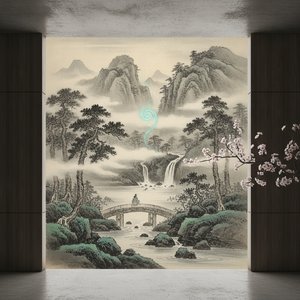
Echoes of Eternity: Unveiling the Spiritual Depth and Timeless Beauty of Japanese Landscape Painting
Embark on a soulful journey through the ephemeral beauty of Japanese landscape painting. Discover the profound philosophy of Ukiyo-e and the legendary mastery of Hokusai. Explore timeless artistry and find inspiration in the spiritual depth of nature's most captivating landscapes.

Ephemeral Visions: Exploring the Artistic Legacy & Contemporary Practice of Watercolor Painting
Explore the captivating world of watercolor painting! Discover its rich history, essential techniques, influential artists & collecting tips. A comprehensive guide for art enthusiasts from OriginalUniqueArt.

Ephemeral Visions: Exploring the History & Emotional Resonance of Watercolor Painting
Explore the captivating history of watercolor painting, from ancient techniques to modern masters like Kandinsky & Blake. Discover essential artists, collecting tips & the emotional power of this luminous medium. Expert insights for art enthusiasts.


