
 Voorvertoning
 Verstuur
 Delen
Delen
 Details bekijken

 Download
 Vergelijkbare items
 Röntgenonderzoek
 Diavoorstelling
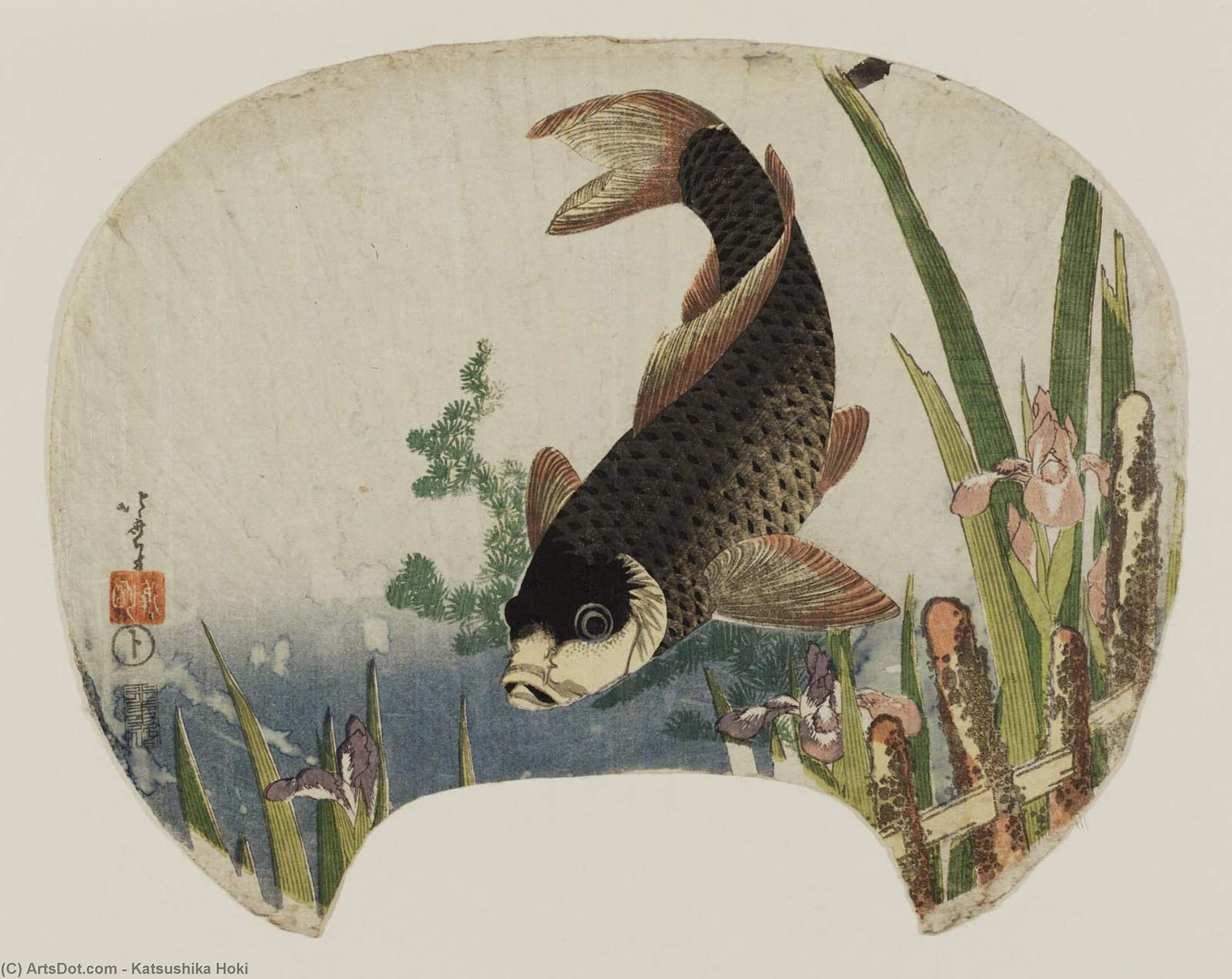
Carp En Iris

 Lees meer
Koop een digitale afbeelding in hoge resolutie met verbeterde kwaliteit, die veel superieur is aan de online voorvertoning.
Elk bestand wordt met uiterste precisie voorbereid door onze interne specialisten, met behulp van geavanceerde tools en deskundige handmatige retouche. Wij garanderen dat elke afbeelding een uitzonderlijke helderheid, nauwkeurige kleurweergave en verfijnde details bezit.
Het uiteindelijke bestand wordt binnen 72 uur per e-mail geleverd, geoptimaliseerd voor direct gebruik in professionele, redactionele en printomgevingen. Dit is dezelfde kwaliteit waarop vooraanstaande designstudio's, uitgevers en galerieën vertrouwen.
Digitale afbeeldingen
Download een bestand met hoge resolutie voor persoonlijke weergave, afdrukken en creatieve projecten. ( Bestel print Bestel handgeschilderde reproductie)
Inbegrepen bij elke bestelling van een digitale afbeelding
Professionele digitale levering, gegarandeerd
Wanneer u kiest voor OriginalUniqueArt.com, ontvangt u niet alleen een afbeelding – u krijgt een professioneel verbeterd digitaal kunstwerk, met precisie vervaardigd en voorzien van een tevredenheidsgarantie. Dit is alles wat automatisch bij uw bestelling is inbegrepen:

Snelle levering per e-mail
Uw hoogwaardige digitale afbeeldingsbestand wordt binnen 72 uur na bestelling naar u gemaild – klaar voor direct gebruik.

AI-verbeterd digitaal bestand
Uw kunstwerk wordt professioneel geoptimaliseerd met behulp van geavanceerde AI-tools en handmatige bewerkingen, waardoor maximale details, helderheid en kleurnauwkeurigheid worden gegarandeerd.

Gratis levenslange herlevering van digitale afbeeldingen
Je bestand per ongeluk verwijderd of kwijtgeraakt? Geen zorgen – we sturen het u op elk gewenst moment gratis opnieuw toe.

Geen invoerkosten – nooit
Geniet direct van uw kunstwerk zonder invoerrechten, belastingen of verzendkosten – digitale downloads zijn altijd belastingvrij.

Garantie op kleurgetrouwheid
Met behulp van professionele hulpmiddelen en kleurbeheer zorgen wij ervoor dat uw digitale afbeelding de originele kleuren zo nauwkeurig mogelijk weergeeft.

60 dagen tevredenheidsgarantie
Als u niet tevreden bent met uw digitale afbeelding, passen wij deze aan of storten wij 100% terug binnen 60 dagen – zonder vragen gesteld.

100% Geld-terug-garantie
Niet tevreden? Ontvang binnen 60 dagen na ontvangst van uw digitale bestand uw volledige aankoopbedrag terug – zonder vragen te stellen.

Korting bij grote bestellingen
Koop 3 afbeeldingen, bespaar 10% - Koop 5, bespaar 15% - Koop 10+, bespaar 20%. Ideaal voor creatieve projecten, galerieën en bureaus.
Beschrijving verzamelobject
Carp And Iris: A Reflection of Tranquility and Prosperity
Katsushika Hokusai’s *Carp And Iris*, produced circa 1830-32 during the Edo period, stands as a quintessential example of Japanese woodblock printing (Ukiyo-e), embodying not merely visual beauty but also profound cultural symbolism. This masterful print captures a serene scene—a koi fish gracefully swimming amidst lush aquatic plants—against a backdrop of blurred foliage and water, skillfully conveying movement and depth within the confines of a flattened perspective.
- Composition & Style: The vertical orientation immediately establishes dominance by the koi fish, positioned centrally against a softly rendered landscape. Characteristic Ukiyo-e techniques – bold outlines delineating shapes, flat planes of color achieved through layered washes—create an impressionistic effect that prioritizes mood and suggestion over meticulous realism.
- Technique: Hokusai’s mastery lies in his masterful use of sumi ink and gampi paper. The printing process involved carving intricate woodblocks, applying ink with precise brushstrokes, and transferring the image onto the paper—a testament to centuries-old craftsmanship. Subtle textural variations contribute to a grainy appearance that enhances the print's aged aesthetic.
- Symbolism: Koi fish hold immense significance in Japanese culture, representing perseverance, resilience, and ultimately, transformation into dragons – symbols of imperial power and good fortune. The iris flower, similarly revered for its purity and longevity, complements the fish’s symbolism, reinforcing themes of harmony and spiritual enlightenment.
- Historical Context: Produced during Hokusai's prolific output—particularly his celebrated *Thirty-Six Views of Mount Fuji* series—this print reflects the broader artistic trends of the Edo period. It exemplifies a fascination with nature as inspiration for art, aligning closely with Zen Buddhist ideals and capturing the spirit of Japan’s golden age.
- Emotional Impact: The overall impression is one of tranquility and contemplative beauty. The muted palette and diffused lighting evoke an atmosphere of stillness, inviting viewers to contemplate the profound connection between humanity and the natural world—a timeless message that continues to resonate with audiences today.
A reproduction of *Carp And Iris* offers a captivating glimpse into Hokusai’s artistic vision and the enduring legacy of Ukiyo-e. Its delicate detail and evocative composition make it an ideal addition to any interior space, fostering a sense of serenity and celebrating Japan's rich artistic heritage.
Kunstenaarsbiografie
A Life Etched in Ink: The World of Katsushika Hokusai
Katsushika Hokusai, a name synonymous with Japanese art and the instantly recognizable image of *The Great Wave off Kanagawa*, was far more than just a printmaker. Born in Edo (modern-day Tokyo) around 1760, his life unfolded as an intensely restless pursuit of artistic mastery – a continuous evolution marked by shifting names and an insatiable curiosity about the world around him. From humble beginnings as the son of a mirror maker, Hokusai’s early inclination towards art wasn't immediately encouraged; yet, he relentlessly honed his skills, reportedly beginning to draw at the age of six. This unwavering dedication would define a career spanning nearly nine decades, leaving behind a legacy that continues to resonate profoundly with audiences worldwide. His father, Nakajima Ise, though not an artist himself, recognized and perhaps fostered this nascent talent, laying the groundwork for a journey that would fundamentally transform Japanese visual culture. Hokusai’s early life wasn't one of privilege, but rather a steady climb fueled by ambition and a deep-seated passion to capture the essence of the world around him.From Apprenticeship to Innovation: The Blossoming of a Style
Hokusai’s formal artistic training began at twelve when he entered the studio of Katsukawa Shunshō, a leading master of *ukiyo-e* – “pictures of the floating world.” This genre, immensely popular during the Edo period, served as a vibrant mirror reflecting the daily life of Japan: actors performing in Kabuki theaters, courtesans engaging in elaborate rituals, sweeping landscapes, and glimpses into the bustling urban culture. Under Shunshō’s guidance, Hokusai mastered the intricate techniques of woodblock printing – a demanding process requiring exceptional precision and artistic skill. However, he wasn't content to simply replicate his teacher’s established style; even in his early work, a palpable restlessness was evident – a fervent desire to push boundaries and explore new avenues of expression. He began experimenting with diverse subjects, venturing beyond the traditional focus on actors and courtesans, including book illustrations and single-sheet prints, constantly refining his skills and developing a uniquely powerful visual language. This period also witnessed the first of many name changes—a common practice among *ukiyo-e* artists, signifying periods of artistic reinvention or affiliation with different schools – reflecting Hokusai’s constant evolution.Mount Fuji and the Floating World: Defining Masterpieces
Hokusai's artistic output was astonishingly prolific; tens of thousands of woodblock prints, paintings, and illustrated books bear his signature. While he explored a vast array of subjects—from scenes of everyday life to fantastical creatures—it was his series *Thirty-Six Views of Mount Fuji* (circa 1831) that cemented his enduring fame. This monumental collection wasn’t merely a straightforward depiction of a landscape; it was a masterful exploration of perspective, composition, and the sheer power of nature. The wave itself – a towering, dynamic force about to crash down upon tiny boats – embodies both the breathtaking beauty and the underlying terror of the sea. Beyond *Fuji*, works like *Fireworks at Ryōgoku Bridge* (1790) demonstrated his remarkable ability to capture the energy and dynamism of everyday life in Japan with astonishing detail and a sense of immediacy. His *Hokusai Manga* – a collection of sketches and studies encompassing people, animals, landscapes, and even fantastical creatures—was groundbreaking in its scope and influence, foreshadowing the development of modern manga as an art form. These works weren’t isolated achievements; they were milestones in a continuous artistic journey, each building upon the last to create a body of work that is both deeply rooted in Japanese tradition and remarkably innovative.The Old Man Mad About Painting
Hokusai's life was one of constant reinvention, marked by numerous name changes – over thirty throughout his career – each reflecting a new phase in his artistic development. He often referred to himself as “Gakyō Rōjin,” or "Old Man Crazy to Paint," a fitting title for an artist who remained passionately devoted to his craft well into his eighties. This relentless pursuit of perfection, coupled with his innovative spirit and profound understanding of both Japanese tradition and the wider world, cemented Hokusai’s legacy as a true master of *ukiyo-e* and a pivotal figure in the history of art. He continued to experiment with new techniques and subjects until his death in 1849 at the age of 89, leaving behind an unparalleled body of work that continues to captivate and inspire.A Legacy Beyond Borders: Hokusai's Enduring Influence
Hokusai’s impact extended far beyond Japan. In the late 19th century, as Japan opened its doors to the West, *ukiyo-e* prints flooded European markets, sparking a phenomenon known as *Japonisme*. Artists like Claude Monet, Edgar Degas, and Vincent van Gogh were profoundly influenced by Hokusai’s bold compositions, vibrant colors, and unconventional perspectives. Van Gogh, in particular, was deeply moved by *The Great Wave off Kanagawa*, even recreating it in his own paintings. Hokusai's influence wasn't limited to Impressionism; it permeated various modern art movements, shaping the way artists approached composition, color, and subject matter. His emphasis on capturing fleeting moments, his dynamic use of line, and his ability to find beauty in everyday life resonated with a generation of artists seeking new forms of expression. Even today, Hokusai’s work continues to inspire and challenge artists around the world, solidifying his place as one of the most important figures in art history.- Major Influences: Ukiyo-e traditions, Chinese landscape painting, everyday life in Edo.
- Key Characteristics: Bold lines, vibrant colors, dynamic compositions, keen observation of nature.

Hokusai
1760 - 1849 , Japan
Belangrijkste feiten
- Artistic Movement Or Style: Ukiyo-e
- Artists Or Movements Influenced By This Artist:
- Impressionisme
- Van Gogh
- Artists Who Influenced This Artist:
- Chinese landschap
- Tradities
- Date Of Birth: 31 okt 1760
- Date Of Death: 10 mei 1849
- Full Name: Katsushika Hokusai
- Nationality: Japanse
- Notable Artworks:
- De grote golf
- Fuji
- Manga
- Place Of Birth: Tokyo, Japan

