
 Voorvertoning
 Verstuur
 Delen
Delen
 Details bekijken

 Download
 Vergelijkbare items
 Röntgenonderzoek
 Diavoorstelling
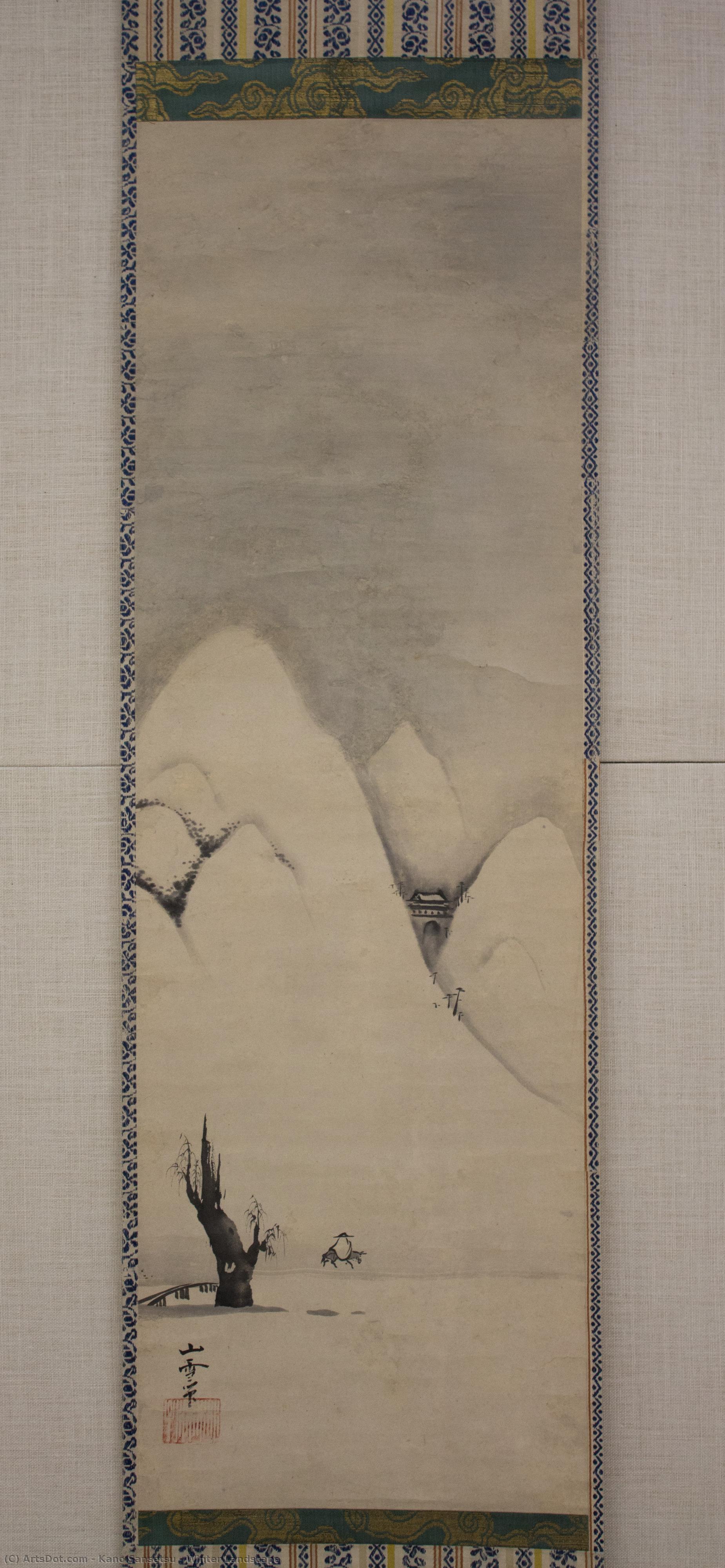
Winter Landscape
 601
601 74.0cm x 24.0cm
 Lees meer
Koop een digitale afbeelding in hoge resolutie met verbeterde kwaliteit, die veel superieur is aan de online voorvertoning.
Elk bestand wordt met uiterste precisie voorbereid door onze interne specialisten, met behulp van geavanceerde tools en deskundige handmatige retouche. Wij garanderen dat elke afbeelding een uitzonderlijke helderheid, nauwkeurige kleurweergave en verfijnde details bezit.
Het uiteindelijke bestand wordt binnen 72 uur per e-mail geleverd, geoptimaliseerd voor direct gebruik in professionele, redactionele en printomgevingen. Dit is dezelfde kwaliteit waarop vooraanstaande designstudio's, uitgevers en galerieën vertrouwen.
Digitale afbeeldingen
Download een bestand met hoge resolutie voor persoonlijke weergave, afdrukken en creatieve projecten. ( Bestel print Bestel handgeschilderde reproductie)
Inbegrepen bij elke bestelling van een digitale afbeelding
Professionele digitale levering, gegarandeerd
Wanneer u kiest voor OriginalUniqueArt.com, ontvangt u niet alleen een afbeelding – u krijgt een professioneel verbeterd digitaal kunstwerk, met precisie vervaardigd en voorzien van een tevredenheidsgarantie. Dit is alles wat automatisch bij uw bestelling is inbegrepen:

Snelle levering per e-mail
Uw hoogwaardige digitale afbeeldingsbestand wordt binnen 72 uur na bestelling naar u gemaild – klaar voor direct gebruik.

AI-verbeterd digitaal bestand
Uw kunstwerk wordt professioneel geoptimaliseerd met behulp van geavanceerde AI-tools en handmatige bewerkingen, waardoor maximale details, helderheid en kleurnauwkeurigheid worden gegarandeerd.

Gratis levenslange herlevering van digitale afbeeldingen
Je bestand per ongeluk verwijderd of kwijtgeraakt? Geen zorgen – we sturen het u op elk gewenst moment gratis opnieuw toe.

Geen invoerkosten – nooit
Geniet direct van uw kunstwerk zonder invoerrechten, belastingen of verzendkosten – digitale downloads zijn altijd belastingvrij.

Garantie op kleurgetrouwheid
Met behulp van professionele hulpmiddelen en kleurbeheer zorgen wij ervoor dat uw digitale afbeelding de originele kleuren zo nauwkeurig mogelijk weergeeft.

60 dagen tevredenheidsgarantie
Als u niet tevreden bent met uw digitale afbeelding, passen wij deze aan of storten wij 100% terug binnen 60 dagen – zonder vragen gesteld.

100% Geld-terug-garantie
Niet tevreden? Ontvang binnen 60 dagen na ontvangst van uw digitale bestand uw volledige aankoopbedrag terug – zonder vragen te stellen.

Korting bij grote bestellingen
Koop 3 afbeeldingen, bespaar 10% - Koop 5, bespaar 15% - Koop 10+, bespaar 20%. Ideaal voor creatieve projecten, galerieën en bureaus.
Beschrijving verzamelobject
Kunstenaarsbiografie
Kano Sansetsu: Weaver of Winter Light and the Soul of the Kanō School
Kano Sansetsu (1589-1651), a name that resonates through the halls of Japanese art history, was more than just a painter; he was the architect of a dynasty, the guiding hand behind the Kanō school’s evolution into one of Japan's most revered artistic institutions. Born Heshiro Mitsuie in Hizen Province, Kyūshū, amidst a backdrop of personal tragedy – his father’s early death leaving him an orphan at sixteen – he embarked on a path shaped by apprenticeship, adoption, and ultimately, leadership. His life story is inextricably linked to the rise of Kyoto as the imperial capital and the burgeoning power of the shogunate, a confluence that profoundly influenced both his artistic development and the trajectory of the Kanō school itself. Sansetsu’s early years were defined by his rigorous training under the tutelage of Kanō Sanraku, a master painter renowned for his pioneering work in introducing Chinese painting techniques to Japan. This apprenticeship wasn't merely about replicating existing styles; it was an immersion into a philosophy of art deeply rooted in Zen Buddhism – a pursuit of harmony, balance, and the ephemeral beauty of nature. Crucially, he married Sanraku’s daughter, solidifying his position within the school and ultimately becoming adopted by the master after the death of Sanraku's eldest son, inheriting not just a title but also a legacy of artistic refinement. This adoption marked a pivotal moment, transforming him from a student into the heir apparent, setting the stage for his future role as leader.A Style Forged in Harmony and Innovation
Sansetsu’s artistic style is immediately recognizable – a captivating blend of traditional Japanese aesthetics and innovative approaches that distinguished the Kanō school from its predecessors. His paintings are characterized by an exquisite sensitivity to light and atmosphere, particularly evident in his masterful depictions of winter landscapes. He possessed an uncanny ability to capture the subtle nuances of snow-covered branches, frozen streams, and the ethereal glow of twilight, creating scenes imbued with a profound sense of tranquility and beauty. Unlike earlier Kanō painters who primarily focused on portraits and courtly subjects, Sansetsu’s work leaned heavily into landscape and nature studies – a shift that reflected the growing influence of Zen philosophy and a desire to capture the essence of the natural world. His use of color was deliberate and restrained, often employing subtle gradations of blue, gray, and white to evoke the mood and texture of his subjects. Furthermore, he skillfully manipulated brushstrokes, layering them with precision and control to achieve remarkable depth and realism. Notable works like “Winter Landscape” and "Wang ziyou visiting dai andao on a snowy evening" exemplify this mastery, showcasing not just technical skill but also an emotional resonance that draws the viewer into the scene. His painting of “Crabs and Peonies,” while seemingly simple in subject matter, demonstrates his ability to balance delicate floral forms with the textures of natural elements, creating a visually harmonious composition.The Leader and Legacy of the Kanō School
Sansetsu’s ascension as the leader of the Kanō school marked a significant turning point in its history. He didn't simply maintain the established traditions; he actively shaped their evolution, introducing new techniques and expanding the range of subjects explored by the artists within his circle. His son, Kanō Einō, continued this legacy, further refining the school’s style and solidifying its reputation as one of Japan’s finest artistic institutions. The influence of Sansetsu extended far beyond his immediate family; countless artists who followed in the Kanō tradition benefited from his guidance and expertise. The establishment of the Seiji Togo Memorial Yasuda Kasai Museum of Art, dedicated to preserving and showcasing the works of the Kanō school, stands as a testament to his enduring impact on Japanese art history.Key Works: Windows into a World of Beauty
Several paintings stand out as particularly representative of Sansetsu’s artistic vision and technical skill. “Winter Landscape” remains perhaps his most iconic work, a breathtaking depiction of a snow-laden forest that captures the stillness and serenity of winter with remarkable precision. “Wang ziyou visiting dai andao on a snowy evening,” another celebrated piece, portrays a scene of quiet contemplation amidst a wintry landscape, demonstrating Sansetsu’s ability to convey mood and atmosphere through subtle color choices and delicate brushwork. The painting “Crabs and Peonies” is a testament to his skill in balancing the textures of nature with the elegance of floral forms. These works, alongside others such as "Transcendent" and "Two chickens on thatched roof," offer a glimpse into the artist’s profound understanding of Japanese aesthetics and his ability to translate that understanding onto canvas.A Lasting Impact on Art and Culture
Kano Sansetsu's legacy extends far beyond the individual paintings he created. He played a crucial role in shaping the Kanō school, transforming it from a regional workshop into a national institution. His dedication to preserving and advancing traditional Japanese painting techniques ensured that the school’s artistic principles would be passed down through generations of artists. The continued appreciation for his work, as evidenced by its presence in prestigious collections like those at the Metropolitan Museum of Art and its ongoing celebration within institutions such as Google Arts & Culture, underscores his enduring significance in the history of Japanese art. His life and work serve as a powerful reminder of the transformative power of artistic vision and the lasting impact that one individual can have on an entire cultural tradition.
Kanō Sansetsu
1651 , Japan
Belangrijkste feiten
- Artistic Movement Or Style: Kanō School
- Artists Or Movements Influenced By This Artist:
- Kanō Einō
- Kanō School
- Artists Who Influenced This Artist: ['Kanō Sanraku']
- Date Of Birth: 1589
- Date Of Death: 1651
- Full Name: Kanō Sansetsu
- Nationality: Japanese
- Notable Artworks:
- Winter Landscape
- Wang ziyou visiting dai andao
- Crabs and peonies
- Place Of Birth: Hizen Province, Japan

