
 Voorvertoning
 Verstuur
 Delen
Delen
 Details bekijken
 Gids
Gids

 Download
 Vergelijkbare items
 Röntgenonderzoek
 Diavoorstelling
 Q&A
Q&A Statistieken
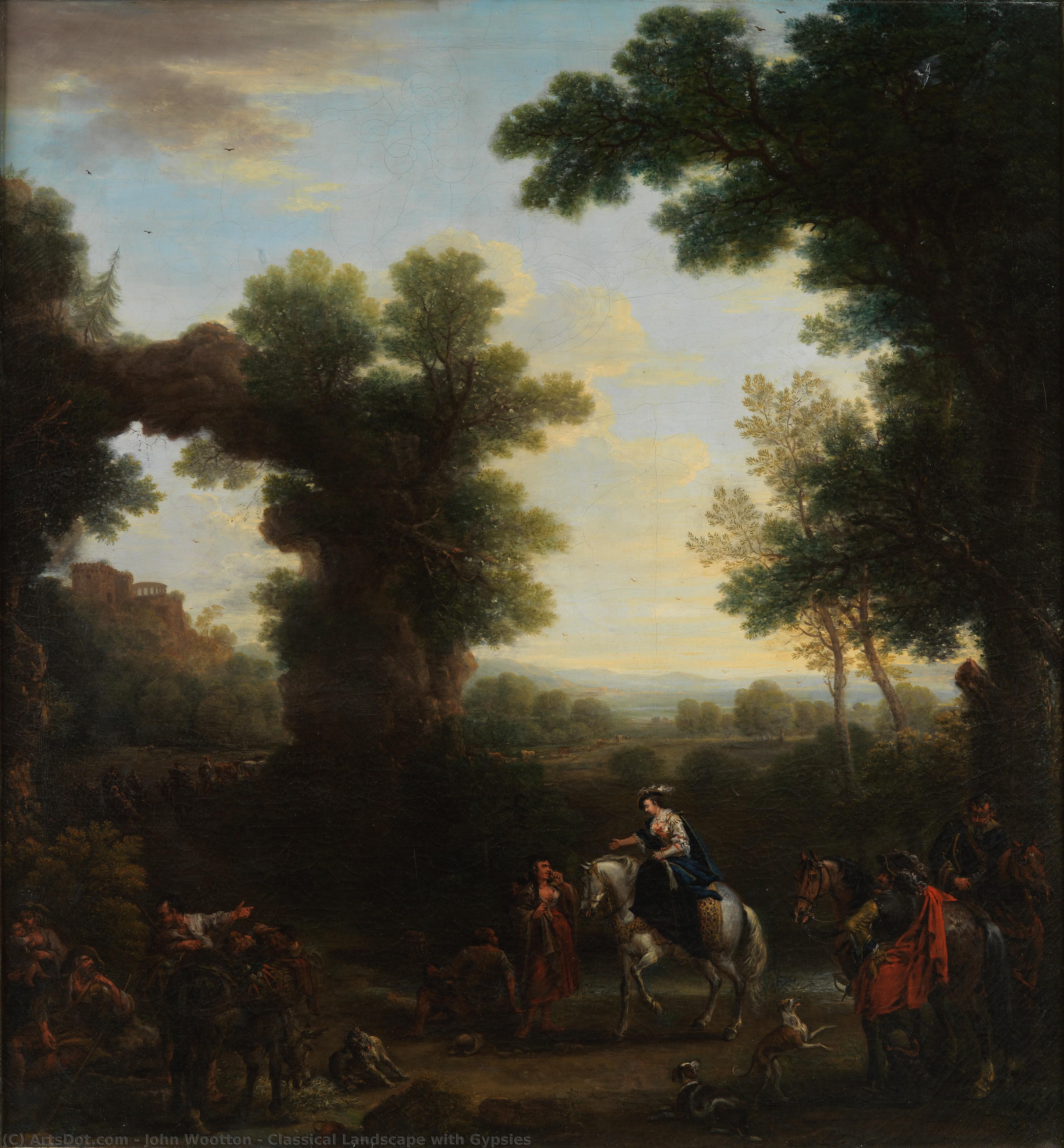
Classical Landscape with Gypsies
 Oil On Canvas
- WallArt
- Baroque Landscape Painting
 1748
1748- Early Modern
 140.0 x 131.0 cm
 Metropolitan Museum of Art
 Lees meer
Giclée / Kunstafdrukken
Giclée- of canvasafdruk van museumkwaliteit met een snelle productie en flexibele afwerkingsmogelijkheden. ( Bestel handgeschilderde reproductie Schakel over naar digitale afbeeldingen)




P118B €10

P118H €10

P118W €10

P438Z €10

P508JH €12

P508YH €12

P805H €10

P805Z €10

P919BZ €10

P919G €10

P919XJ €10

P959ZH €10

P968JZ €12

W106C €8

W218G €10

W218JH €8

W218Y €10

W307PJ €10

W316G €10

W316PJ €8

W316Y €10

W398PJ €8

W4111J €10

W500HY €15

W500JH €15

W692G €12

W849H €8

W940BG €15

W953PJ €8




Kies uit onze vooraf ingestelde maten die overeenkomen met de originele verhoudingen van het kunstwerk.

Voer de gewenste breedte en hoogte in, passend bij uw lijst of muur. Een afdruk kan alleen worden ingekort en nooit groter worden gemaakt dan het origineel; een formaat met andere verhoudingen zal daarom een deel van de afbeelding verliezen. Wij sturen u een digitaal mockup ter goedkeuring voordat we tot drukwerk overgaan. De afbeelding op deze pagina toont niet de werkelijke uitsnede — dit is alleen te zien op het mockup.
Wereldwijde levering () binnen 2 weken in plaats van de standaard 4/5 weken. (29 oktober)

Gratis wereldwijde expressverzending

Hoogwaardig linnen canvas

Volledige verzendverzekering

Garantie op terugbetaling van invoerrechten

Garantie op exacte kleurweergave

Retourbeleid van 100 dagen (alleen bij defecten)

100% Geld-terug-garantie

Korting bij meerdere afnames
 De optie voor glas is alleen beschikbaar bij een formaat kleiner dan 110 cm.

Classical Landscape with Gypsies
Giclée / Kunstafdrukken
Afmetingen reproductie
-


Eindtotaal
€ 71
A Pastoral Symphony: The Enchantment of Wootton’s Landscape
In the grand tapestry of eighteenth-century British art, few works capture the harmonious tension between aristocratic refinement and the untamed spirit of nature as gracefully as John Wootton’s "Classical Landscape with Gypsies." Executed in 1748, this monumental canvas serves as a breathtaking window into the Regency era's profound fascination with pastoral beauty. The scene unfolds not merely as a static depiction of countryside, but as a meticulously choreographed tableau where the rolling hills and muted greens of the English landscape provide a stage for a lively human narrative. As one gazes upon the composition, there is an immediate sense of entering a world where time slows down, inviting the viewer to wander through the atmospheric perspective and tonal gradations that Wootton mastered so exquisitely under the tutelage of Jan Wyck.
The painting’s subject matter strikes a delicate balance between the idyllic and the itinerant. At its heart, a gathering of gypsies moves through the landscape, their presence introducing a layer of nomadic vitality to the otherwise serene setting. This juxtaposition—the transient life of the travelers set against the permanent, stately backdrop of the countryside—was a hallmark of the era's artistic curiosity. The inclusion of horses, rendered with Wootton’s signature precision, further elevates the narrative; these noble creatures are not merely animals within the frame but symbols of status, freedom, and the deep-seated connection between the landed gentry and the natural world. For the discerning collector or interior designer, this piece offers a profound sense of movement and life, making it an ideal centerpiece for spaces that require a touch of historical grandeur and organic warmth.
Mastery of Brush and Light: The Technical Brilliance
To appreciate "Classical Landscape with Gypsies" is to witness the technical prowess of a pioneer of sporting art. Wootton’s technique eschews the rigid, clinical precision often found in academic painting of his time, opting instead for loose, expressive brushstrokes that imbue the canvas with palpable emotion and dynamism. One can almost feel the breeze moving through the scattered trees and sense the heat radiating from the sun-drenched hills. His ability to manipulate light and shadow creates a sense of depth that draws the eye inward, leading the viewer from the detailed interactions in the foreground—where figures converse and tend to their mounts—toward the hazy, distant horizons.
The color palette is a masterclass in subtlety, utilizing earthy browns, soft ochres, and deep forest greens to evoke a sense of timelessness. This restrained use of color ensures that the painting does not overwhelm a room but rather complements it, providing a sophisticated foundation for luxury decor. For those seeking to integrate fine art into a contemporary or classical interior, a high-quality reproduction of this work offers more than just decoration; it provides an infusion of historical soul. The way Wootton captures the texture of animal coats, the softness of the foliage, and the very atmosphere of the English afternoon makes this painting an enduring masterpiece that continues to inspire awe and tranquility in all who behold it.
Veelgestelde vragen
Hoe verhoudt het onderwerp van "Classical Landscape with Gypsies" zich tot de gebruikelijke thema's van John Wootton?
"Classical Landscape with Gypsies" verbeeldt landscape, gypsies, equestrian art, aristocracy, pastoral scene, classical painting, british art, seventeenth century, terwijl de bekende thema's van John Wootton beaufort family patronage, equestrian tradition, aristocratic landscape, baroque style, decorative art zijn. Een vergelijking tussen beide laat zien hoe het werk zich verhoudt tot de gebruikelijke onderwerpen van de kunstenaar.
Welke afmeting moet ik kiezen voor de print van "Classical Landscape with Gypsies" in mijn kamer?
De aanbevolen combinatie voor "Classical Landscape with Gypsies" door John Wootton: een afdruk van Large in een Dining Room.
Kan ik augmented reality gebruiken om "Classical Landscape with Gypsies" door John Wootton in mijn eigen ruimte te bekijken?
"Classical Landscape with Gypsies" heeft een augmented reality-preview: de AR-weergave-pagina van het kunstwerk toont het in uw eigen ruimte op een compatibel apparaat.
Biografie kunstenaar
A Pioneer of Sporting Art: The Life and Legacy of John Wootton
John Wootton (Snitterfield, ca. 1686 – Londen, 13 november 1764) was een Engels kunstschilder, tekenaar en illustrator. Hij vervaardigde landschappen en historiestukken, maar verwierf vooral faam met zijn afbeeldingen van dieren, waaronder veel paarden en honden, en jachttaferelen. Wootton werd in zijn tijd beschouwd als een van de besten in zijn genre. Hij was een leerling van Jan Wyck, een Nederlands kunstschilder die vooral actief was in Engeland, een zoon van de Haarlemse schilder Thomas Wijck. Zijn vroegste werken laten zien dat hij reeds op jonge leeftijd een uitzonderlijke talent voor het vastleggen van beweging en natuurlijke schoonheid bezat – kwaliteiten die hij zou blijven ontwikkelen gedurende zijn hele carrière.Early Life and Artistic Training
Geboren rond 1686 in Snitterfield, Warwickshire (nabij Stratford-upon-Avon), begon Wootton zijn artistieke opleiding onder de begeleiding van Jan Wyck, een Nederlandse kunstenaar wiens stijl hij zou overnemen en die hem essentiële technische vaardigheden bijbracht. Deze opleiding gaf hem een solide basis voor het ontwikkelen van zijn eigen stijl en vormgeving, waarbij hij zich richtte op het nauwkeurig weergeven van anatomie en lichtschaduw – een combinatie die hij zou gebruiken om zijn toekomstige werken te definiëren. Zijn eerste tekeningen waren vaak eenvoudige afbeeldingen van dieren en natuurlijke omgevingen, maar reeds dan demonstreerde hij een bijzondere aandacht voor detail en een gevoel voor compositie dat hem onderscheidde van vele andere kunstenaars van zijn tijd.Establishing a Reputation and Artistic Innovation
Door de jaren heen ontwikkelde Wootton een stijl die gekenmerkt werd door een combinatie van klassieke invloeden en een directe observatie van het natuurlijke wereld. Hij was bijzonder gefascineerd door het schilderen van paarden, waarbij hij hun beweging en persoonlijkheid met ongeëvenaarde precisie en emotionele kracht vastlegde. Zijn werk werd zeer gewaagd en werd hoog aangeschouwd door de kunstkring van Londen, waar hij een belangrijke rol speelde bij het promoten van nieuwe ideeën en technieken. Hij was een actief lid van de eerste Engelse Academie van Schilderkunst en Tekenkunst en later een bestuurder van de Virtuosi Club of St Luke’s, waardoor hij een belangrijke bijdrage leverde aan het kunsthistorische debat van zijn tijd. Wootton's stijl werd sterk beïnvloed door Gaspard Dughet (Gaspar van Wittel), wiens gebruik van lichtschaduw en perspectief een nieuwe richting gaf aan het Britse landschapsschilderij. Hij introduceerde een stijl die zowel technisch hoogstaand als artistiek innovatief was, waardoor hij een belangrijke voorloper werd van toekomstige generaties kunstenaars.Major Works and Influences
Wootton’s meest bekende werken zijn onder andere “Bonny Black” (1711), een prachtige afbeelding van een paard die zijn technische vaardigheden en zijn gevoel voor natuurlijke schoonheid demonstreerde, en “The Bloody-Shouldered Arabian”, een dramatische scène uit een jacht die zijn vermogen om emotie en beweging vast te leggen laat zien. Zijn historische schilderijen, zoals “Before the Hunt” en “The Battle of Oudenaarde,” zijn gekenmerkt door een gedetailleerde weergave van gebeurtenissen en personen, waarbij hij gebruik maakte van klassieke compositieprincipes om een gevoel voor grandeur en drama te creëren. Wootton’s stijl werd sterk beïnvloed door kunstenaars zoals Jan Wyck en Gaspard Dughet, die hem essentiële technische vaardigheden bijbrachten en hem een nieuwe visie op het schilderen van natuurlijke omgevingen en historische gebeurtenissen gaven. Hij staat bekend om zijn prachtige landschappen en zijn emotioneel aangrijpende paardenportretten, waardoor hij een belangrijke figuur werd in de ontwikkeling van Britse kunst tijdens het Gouden Eeuw. Zijn werk wordt nog steeds tentoongesteld in prestigieuze musea wereldwijd, zoals het Tate Gallery (Londra), het Virginia Museum of Fine Arts (Richmond) en het Yale Center for British Art, waardoor zijn nalatenschap voortdurend wordt gewaarborgd voor toekomstige generaties kunstgeschiedenisstudenten.
John Wootton
1682 - 1764 , Verenigd Koninkrijk
Belangrijkste feiten
- Artistic Movement Or Style: Sporting art, Landscape
- Artists Or Movements Influenced By This Artist:
- Thomas Gainsborough
- George Stubbs
- Artists Who Influenced This Artist:
- Jan Wyck
- Gaspard Dughet
- Date Of Birth: ca. 1686
- Date Of Death: 1764 Londen, Engeland
- Full Name: John Wootton
- Nationality: Engels
- Notable Artworks:
- Bonny Black
- Voor de jacht
- De Bloeddoorboorde Arabier
- Place Of Birth: Snitterfield, UK
Gerelateerde artikelen

John Singer Sargent's Top 25 Meesterwerken: Portretten & Schilderijen voor uw Interieur | OriginalUniqueArt
Ontdek de 25 mooiste meesterwerken van John Singer Sargent! Van elegante portretten tot impressionistische schilderijen – leer over zijn leven, techniek & impact. Museumkwaliteit reproducties voor uw interieur op OriginalUniqueArt.com.

Top 10 Meesterwerken van het Neoclassicisme: Kunst voor een Verfijnd Interieur
Ontdek de 10 meest iconische meesterwerken van het Neoclassicisme! Van David tot Ingres, leer over kunst, techniek & geschiedenis. Vind museumkwaliteit reproducties en verfijnde decoratie op OriginalUniqueArt.com. Exploreer de collectie online!
John Frederick Herring Sr.: Equestrian Mastery & the Rise of Sporting Art in Victorian England
Explore the life & work of John Frederick Herring Sr., a leading Victorian equestrian artist. Discover his masterpieces, patronage, techniques & investment potential. Expert insights for collectors.

John Constable's Top 25 Meesterwerken: Landschappen die de Ziel Raaken | OriginalUniqueArt
Ontdek de 25 mooiste schilderijen van John Constable, meester van de Engelse Romantiek. Van idyllische landschappen tot iconische Hay Wain – bewonder zijn techniek en emotie. Museumkwaliteit reproducties & decoratie op OriginalUniqueArt.com.
Sr. John E. Ferneley: Equestrian Portraiture & England's Social Fabric
Explore the captivating world of Sr. John E. Ferneley, a master of British sporting art. Discover his exquisite equestrian paintings & insights into 19th-century society. Invest in timeless masterpieces with OriginalUniqueArt.
