

 Voorvertoning
 Verstuur
 Delen
Delen
 Details bekijken

 Download
 Vergelijkbare items
 Röntgenonderzoek
 Diavoorstelling
 Statistieken
The Via Mala


 Lees meer
Handgemaakte olieverfreproductie
Met de hand geschilderd in olieverf op canvas in uw gewenste maat en lijst, op bestelling gemaakt door onze kunstenaars. ( Schakel over naar print Schakel over naar digitale afbeelding)




P118B $10

P118H $10

P118W $10

P438Z $10

P508JH $12

P508YH $12

P805H $10

P805Z $10

P919BZ $10

P919G $10

P919XJ $10

P959ZH $10

P968JZ $12

W106C $8

W218G $10

W218JH $8

W218Y $10

W307PJ $10

W316G $10

W316PJ $8

W316Y $10

W398PJ $8

W4111J $10

W500HY $15

W500JH $15

W692G $12

W849H $8

W940BG $15

W953PJ $8




Kies uit onze vooraf ingestelde maten die overeenkomen met de originele verhoudingen van het kunstwerk.

U kunt uw eigen afmetingen invoeren om in een specifieke lijst of ruimte te passen. Als de door u gekozen maat niet overeenkomt met de verhoudingen van het originele beeld, zullen we het kunstwerk bijsnijden of het schilderij uitbreiden met extra handgeschilderde elementen. Een digitale mockup wordt ter goedkeuring naar u verzonden voordat de productie begint.
Houd er rekening mee dat de preview op het scherm niet de werkelijke uitsnede of uitbreiding weergeeft. Alleen de mockup toont de uiteindelijke compositie nauwkeurig.
Hoewel aangepaste afmetingen mogelijk zijn, raden we aan een maat uit de vooraf gedefinieerde lijst te selecteren om de originele verhoudingen te behouden.
Na de bestelling zal het team van OriginalUniqueArt.com per e-mail contact opnemen met de klant voor instructies en een mockup-voorbeeld sturen.
Wereldwijde levering () binnen 3 tot 4 weken in plaats van de standaard 5 weken. (13 september). Zonder concessies aan de kwaliteit.

Gratis wereldwijde expressverzending

Hoogwaardig linnen canvas

Volledige verzendverzekering

Garantie op terugbetaling van invoerrechten

Garantie op exacte kleurweergave

Retourbeleid van 100 dagen (alleen bij defecten)

100% Geld-terug-garantie

Korting bij meerdere afnames
 De optie voor glas is alleen beschikbaar bij een formaat kleiner dan 110 cm.

The Via Mala
Druktechniek
Afmetingen reproductie
-


Eindtotaal
$ 300
John Frederick Lewis’s “The Via Mala”: A Window into Ottoman Life
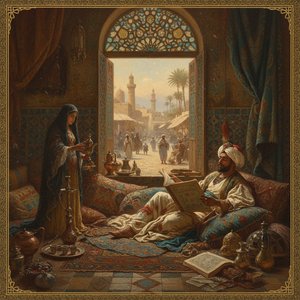
John Frederick Lewis's "The Via Mala," painted in 1827, isn’t merely a landscape; it’s a meticulously crafted portal into the world of 19th-century Orientalism. This watercolor and oil masterpiece transports us to the dramatic gorges of the Rhine Valley in Switzerland, yet its power lies not just in its topographical accuracy but in Lewis's profound understanding – and romanticized depiction – of Ottoman culture and daily life. The painting captures a pivotal moment: a group of travelers navigating a treacherous path carved into the mountainside, their figures rendered with an almost photographic realism that belies the artist’s deliberate artistic choices.
Lewis’s journey to Switzerland was part of a larger pattern – a sustained period of travel and observation across the Mediterranean and Middle East. He spent years living in Cairo, immersing himself in the sights, sounds, and customs of Ottoman society. This extended sojourn profoundly shaped his artistic vision, moving him beyond simple depictions of exotic locales towards a nuanced portrayal of human interaction within those environments. Unlike many Western artists who approached Orientalism with a sense of detached observation or even exploitation, Lewis sought to represent the people he encountered with respect and empathy, capturing their clothing, architecture, and social rituals with remarkable detail.
A Symphony of Detail: Technique and Composition
Lewis’s technical skill is immediately apparent. The painting is characterized by an extraordinary level of precision – a hallmark of his style. He meticulously rendered the rugged terrain, the weathered faces of the travelers, and the intricate details of their clothing. Notice the way he captures the play of light on the stone walls, the subtle variations in texture, and the delicate folds of fabric. This painstaking attention to detail wasn’t simply about accuracy; it was a deliberate strategy for conveying depth and realism. The composition itself is carefully balanced, drawing the eye along the winding path towards the distant horizon. The placement of figures creates a sense of movement and drama, while the use of atmospheric perspective – softening details in the distance – adds to the painting’s overall spatial coherence.
Lewis's choice of medium—watercolor and oil combined—further enhances the work’s impact. The watercolor provides a luminous quality, capturing the vibrancy of the natural landscape, while the oil lends richness and depth to the figures and architectural elements. This hybrid approach allowed him to achieve both delicate detail and bold color contrasts, creating a visually arresting effect.
Symbolism and Narrative
“The Via Mala” is rich in symbolic meaning. The treacherous path itself represents the challenges and uncertainties of life’s journey – a metaphor that resonates deeply with the travelers depicted within the scene. Their clothing—a mix of practical travel attire and elements suggestive of Ottoman influence—hints at their origins and destinations. The presence of a small, ornate tent suggests a temporary refuge amidst the harsh landscape, perhaps symbolizing the fleeting nature of encounters and the transient quality of life in foreign lands.
Interestingly, Lewis’s work connects to a contemporary novel, “Via Mala,” by John Knittel, which explored themes of guilt, betrayal, and moral ambiguity within a Swiss village. The painting can be seen as an artistic echo of this narrative, reflecting the complexities and hidden tensions that often lie beneath the surface of seemingly idyllic settings. The title itself, "The Via Mala," directly references this literary work, suggesting a shared exploration of difficult paths and shadowed secrets.
A Legacy of Orientalist Vision
John Frederick Lewis’s “The Via Mala” stands as a testament to his exceptional talent and his profound engagement with the cultures he encountered. It exemplifies the Romantic ideal of the artist as an explorer, observer, and interpreter of the world. His meticulous detail, evocative composition, and nuanced understanding of Ottoman life have secured his place as one of the most important figures in Orientalist painting. Reproductions of this captivating work offer a unique opportunity to bring this window into another era and culture into your own home, inviting contemplation on themes of travel, identity, and the enduring power of art to transcend time and distance.
Biografie van de kunstenaar
John Frederick Lewis: Een Leven in Oriëntaalst Schilderkunst
John Frederick Lewis, een vooraanstaande Engelse oriëntalist schilder, werd geboren op 14 juli 1804 in Londen. Hij was de zoon van Frederick Christian Lewis, een graveerder en landschapsschilder. Deze artistieke achtergrond binnen de familie heeft ongetwijfeld invloed gehad op zijn vroege ontwikkeling. Zijn formele opleiding begon onder toezicht van Sir Thomas Lawrence, waar hij zijn vaardigheden verder ontwikkelde naast andere kunstenaars zoals Edwin Landseer. Deze beginperiode legde een sterke basis in techniek en compositie.
Artistieke Carrière & Ontwikkeling
Lewis’s artistieke carrière ontvouwde zich in verschillende fasen, elk gekenmerkt door evoluerende stijlen en thematische focus. Eerst en vooral begon hij met uitgebreide reizen door de Middellandse Zee, waarbij hij het karakter van deze regio minutieus vastlegde in gedetailleerde waterverf- en olieverfschilderingen. Hij herhaalde vaak composities, waardoor ze in verschillende media werden gerealiseerd. Een cruciale reis naar Spanje en Marokko tussen 1832 en 1834 leverde een aanzienlijk aantal lithografieën op, die later werden gepubliceerd als “Sketches and Drawings of the Alhambra” (1835) en “Lewis’s Sketches of Spain and Spanish Character” (1836). Zijn verblijf in Cairo tussen 1841 en 1851 was zonder twijfel zijn meest productieve periode. Hier perfectioneerde hij zijn oriëntalistische stijl, waarbij hij zowel gedetailleerde genrebeelden als idealistische beelden van de Egyptische bovenklasse creëerde. Zijn huis werd een perfect decor voor zijn werk, en hij werd regelmatig bezocht door eminente figuren zoals William Makepeace Thackeray.
Bekende Werken
Lewis schiep een aanzienlijke hoeveelheid kunstwerken die bekend staan om hun minutieuze detail en evocatieve sfeer. Enkele van zijn meest herkenbare werken zijn:
- A Bedouin (Yale Center for British Art, New Haven) – Een waterverf die zijn oriëntalistische stijl illustreert.
- The Ramesseum at Thebes (Yale Center for British Art, New Haven) – Toont zijn opmerkelijke aandacht voor architectonisch detail.
- A Young Turkish Woman (Yale Center for British Art, New Haven) – Een ander opvallend voorbeeld van zijn oriëntalistische werk.
- Harem Life in Constantinople - Een gedetailleerde olieverf die Ottomaanse huiselijke leefwerkelijkheid weergeeft.
Invloeden en Artistieke Stijl
Lewis’s stijl werd gevormd door verschillende invloeden, met name de nadruk van Sir Thomas Lawrence op portretten en compositie. Echter, zijn directe observatie van Midden-Oosterse culturen stelde hem in staat om een unieke esthetiek te ontwikkelen gekenmerkt door:
- Minutieuze Detail: Een toewijding aan het nauwkeurig weergeven van texturen, patronen en architectonische elementen.
- Rijke Kleurenpalet: Het gebruik van levendige kleuren die geïnspireerd zijn door de landschappen en kostuums die hij tegenkwam.
- Genrebeelden & Interieurvues: De focus op alledaagse leven en intieme huiselijke omgevingen.
Historische Betekenis en Erfgoed
Lewis’s bijdrage aan de kunstwereld ligt in zijn significante rol bij het ontwikkelen van oriëntalistische schilderkunst. Zijn minutieuze weergaven van islamitische architectuur, meubilair en kostuums hebben nieuwe standaarden voor realisme binnen dit genre vastgelegd. Hij populariseerde een romantisch, maar gedetailleerd beeld van de Arabische wereld onder Westerse kijkers. Na zijn terugkeer naar Engeland in 1851 bleef hij schilderen tot aan zijn dood op 15 augustus 1876 in Walton-on-Thames. Zijn werk blijft bestudeerd en gewaardeerd vanwege zijn artistieke waarde en historische inzicht in de perceptie van het Oosten in de 19e eeuw.

John Frederick Lewis
1804 - 1876 , Verenigd Koninkrijk
Belangrijkste feiten
- Artistic Movement Or Style: Orientalisme
- Artists Or Movements Influenced By This Artist: ['Gérôme']
- Artists Who Influenced This Artist: Thomas Lawrence
- Date Of Birth: 14 juli 1804
- Date Of Death: 15 aug 1876
- Full Name: John Frederick Lewis
- Nationality: Engels
- Notable Artworks:
- A Bedouin
- Ramesseum Thebes
- Jonge Turkse vrouw
- Place Of Birth: Londen, Verenigd Koninkrijk
Gerelateerde artikelen

John Singer Sargent's Top 25 Meesterwerken: Portretten & Schilderijen voor uw Interieur | OriginalUniqueArt
Ontdek de 25 mooiste meesterwerken van John Singer Sargent! Van elegante portretten tot impressionistische schilderijen – leer over zijn leven, techniek & impact. Museumkwaliteit reproducties voor uw interieur op OriginalUniqueArt.com.

Top 10 Legendarische Aquarellen die de Kunst voor Altijd Veranderden | OriginalUniqueArt
Ontdek de 10 legendarische aquarellen die kunstgeschiedenis schreven! Van Turner tot Monet, leer over techniek, emotie & impact. Vind museumkwaliteit reproducties en interieurinspiratie op OriginalUniqueArt.com.
John Frederick Lewis: Orientalism, Detail & Genre Painting in 19th-Century British Art
Explore the captivating Orientalist paintings of John Frederick Lewis! Discover his mastery of detail, genre scenes & influence on 19th-century British art. Learn about his life, techniques & legacy at OriginalUniqueArt.

John Constable's Top 25 Meesterwerken: Landschappen die de Ziel Raaken | OriginalUniqueArt
Ontdek de 25 mooiste schilderijen van John Constable, meester van de Engelse Romantiek. Van idyllische landschappen tot iconische Hay Wain – bewonder zijn techniek en emotie. Museumkwaliteit reproducties & decoratie op OriginalUniqueArt.com.

Ephemeral Visions: Exploring the Artistic Legacy & Contemporary Practice of Watercolor Painting
Explore the captivating world of watercolor painting! Discover its rich history, essential techniques, influential artists & collecting tips. A comprehensive guide for art enthusiasts from OriginalUniqueArt.