
 Bekijk op ware grootte
 Verstuur
 Delen
Delen
 Details bekijken

 Download
 Vergelijkbare werken
 Röntgenonderzoek
 Diavoorstelling
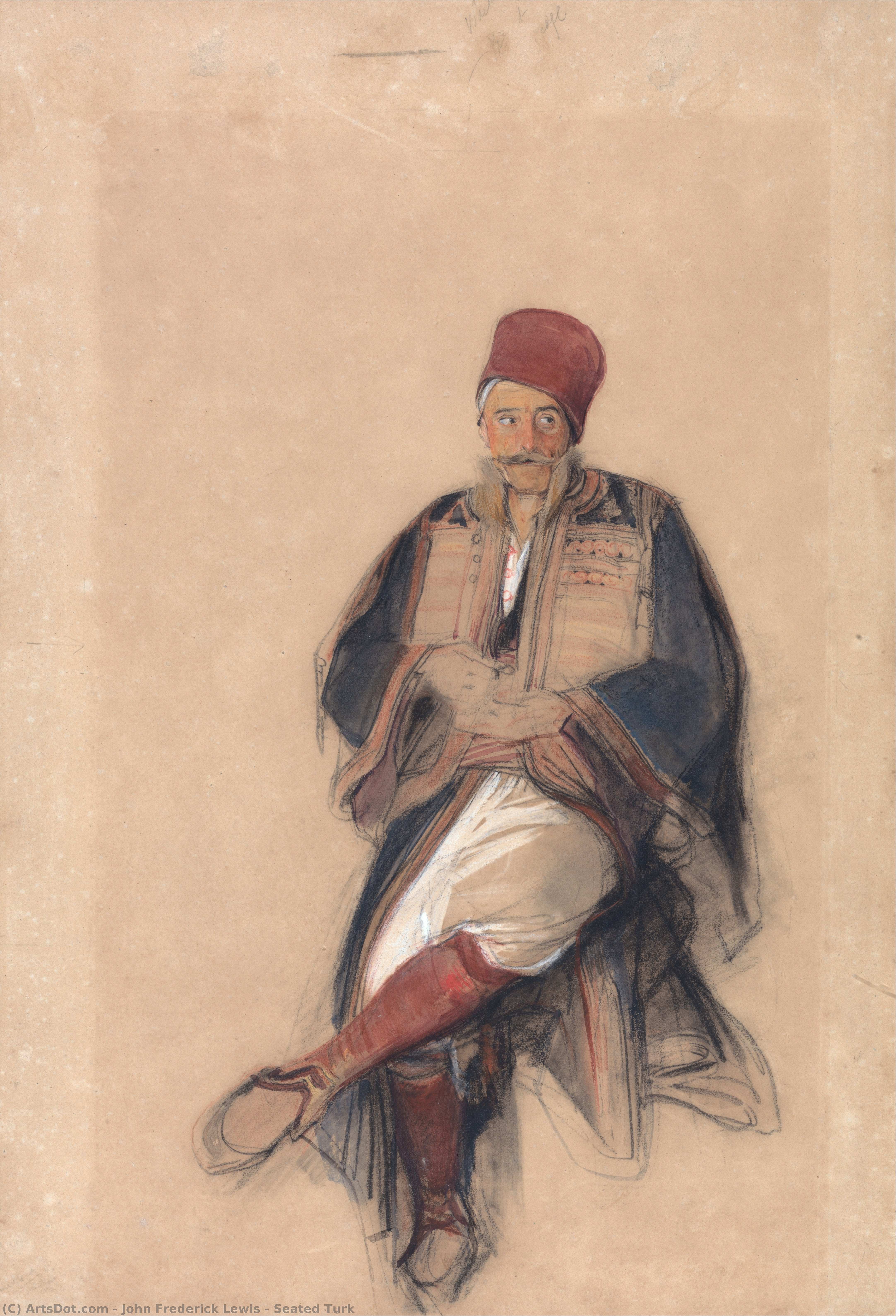
Seated Turk


 Lees meer
Giclée / Kunstafdrukken
Giclée- of canvasafdruk van museumkwaliteit met een snelle productie en flexibele afwerkingsmogelijkheden. ( Bestel een handgeschilderde reproductie van dit verzamelobject Naar afbeelding wisselen)




P118B $10

P118H $10

P118W $10

P438Z $10

P508JH $12

P508YH $12

P805H $10

P805Z $10

P919BZ $10

P919G $10

P919XJ $10

P959ZH $10

P968JZ $12

W106C $8

W218G $10

W218JH $8

W218Y $10

W307PJ $10

W316G $10

W316PJ $8

W316Y $10

W398PJ $8

W4111J $10

W500HY $15

W500JH $15

W692G $12

W849H $8

W940BG $15

W953PJ $8




Kies uit onze vooraf ingestelde maten die overeenkomen met de originele verhoudingen van het kunstwerk.

U kunt uw eigen afmetingen opgeven om in een specifieke lijst of ruimte te passen. Als de door u gekozen maat niet overeenkomt met de proporties van het originele kunstwerk, zullen wij de afbeelding bijsnijden of uitbreiden met een gespiegelde of effen rand. Een digitaal mockup wordt ter goedkeuring naar u verzonden voordat de productie begint.
Houd er rekening mee dat de preview op het scherm de werkelijke bijsneding of uitbreiding niet weergeeft. Alleen de mockup toont de uiteindelijke compositie nauwkeurig.
Hoewel aangepaste maten beschikbaar zijn, raden wij aan een afmeting uit de vooraf bepaalde lijst te kiezen om de originele proporties te behouden.
Wereldwijde levering () binnen 2 weken in plaats van de standaard 4/5 weken. (11 augustus)

Gratis wereldwijde expressverzending

Hoogwaardig linnen canvas

Volledige verzendverzekering

Garantie op terugbetaling van invoerrechten

Garantie op exacte kleurweergave

60 dagen retourbeleid (alleen bij defecten)

100% Geld-terug-garantie

Korting bij meerdere afnames
 De optie voor glas is alleen beschikbaar bij een formaat kleiner dan 110 cm.

Seated Turk
Giclée / Kunstafdrukken
Formaat reproductie
-


Totaalprijs
$ 81
Beschrijving verzamelobject
A Portrait of Dignified Mystery: John Frederick Lewis’s “Seated Turk”
John Frederick Lewis's "Seated Turk," painted in 1841, is more than just a portrait; it’s a meticulously crafted tableau vivant—a frozen moment imbued with an air of quiet dignity and subtle melancholy. This watercolor study, now housed at the Yale Center for British Art, offers a captivating glimpse into the burgeoning field of Orientalism within 19th-century European art, revealing both the artist's technical mastery and his engagement with exotic cultures.
The subject himself is an enigmatic figure, a man seated in what appears to be a richly appointed interior. His attire—a vibrant red headpiece, a flowing robe adorned with intricate patterns, and a delicately embroidered vest—immediately transports the viewer to the world of the Ottoman Empire. However, Lewis doesn’t simply depict a literal representation; instead, he captures an essence, a character. The man's gaze is direct yet contemplative, hinting at a life lived beyond the confines of the canvas. The composition itself is carefully balanced, with the figure occupying a significant portion of the frame while leaving ample space around him—a deliberate choice that emphasizes his importance and isolates him within a world of quiet contemplation.
Technique and Style: A Romantic Orientalist Vision
Lewis’s technique is characterized by a remarkable blend of observation and artistic license. He was famously stationed in Cairo for several years, immersing himself in the sights and sounds of Egyptian life. This firsthand experience informed his meticulous attention to detail—the textures of fabrics, the patterns on carpets, the play of light and shadow within the room. Yet, he wasn’t simply aiming for photographic realism; rather, he employed a distinctly Romantic style, prioritizing emotional impact over strict accuracy.
The watercolor medium itself is crucial to the painting's effect. Lewis masterfully utilizes layering washes—thin, translucent applications of pigment that build up gradually to create depth and luminosity. Dry brush techniques are then applied to define form and add textural interest, particularly in the folds of the clothing and the man’s hair. The muted color palette—dominated by earthy tones and rich reds—contributes to the painting's overall atmosphere of quiet contemplation. The flattened perspective, a common feature of Orientalist paintings at the time, further enhances this sense of timelessness and distance, suggesting that the scene exists outside of conventional Western notions of space and reality.
Historical Context: The Rise of Orientalism
“Seated Turk” is a product of its time—a period marked by increasing European interest in the Ottoman Empire and the broader Middle East. The 1830s and 40s witnessed a surge in travel to these regions, fueled by scientific expeditions, diplomatic missions, and, increasingly, artistic exploration. This “Orientalist” movement sought to depict the cultures of the East with a mixture of fascination and exoticism, often romanticizing them while simultaneously perpetuating stereotypes.
Lewis’s work reflects this complex dynamic. While he undoubtedly admired the beauty and sophistication of Ottoman culture, his painting also reveals a certain degree of detachment—a sense that he is observing from a position of privileged distance. Notably, Lewis deliberately avoided depicting overtly sensual or provocative scenes, choosing instead to focus on portraying dignified figures engaged in everyday activities. This approach distinguished him from some of his contemporaries who were more interested in exploiting the perceived exoticism and sensuality associated with Eastern cultures.
Symbolism and Emotional Resonance
Beyond its technical merits, “Seated Turk” possesses a subtle but powerful emotional resonance. The man’s expression—a mixture of serenity and perhaps a hint of melancholy—suggests a life lived in contemplation, far removed from the bustle of Western society. The painting invites us to consider themes of identity, cultural difference, and the complexities of human experience.
The inclusion of details such as the long pipe—a symbol of leisure and philosophical reflection—further reinforces this sense of quiet introspection. “Seated Turk” is not merely a portrait; it’s an invitation to pause, reflect, and contemplate the mysteries of another culture and the enduring questions of human existence. It remains a testament to John Frederick Lewis's skill as an artist and his profound engagement with the world beyond Europe.
Biografie van de kunstenaar
John Frederick Lewis: Een Leven in Oriëntaalst Schilderkunst
John Frederick Lewis, een vooraanstaande Engelse oriëntalist schilder, werd geboren op 14 juli 1804 in Londen. Hij was de zoon van Frederick Christian Lewis, een graveerder en landschapsschilder. Deze artistieke achtergrond binnen de familie heeft ongetwijfeld invloed gehad op zijn vroege ontwikkeling. Zijn formele opleiding begon onder toezicht van Sir Thomas Lawrence, waar hij zijn vaardigheden verder ontwikkelde naast andere kunstenaars zoals Edwin Landseer. Deze beginperiode legde een sterke basis in techniek en compositie.
Artistieke Carrière & Ontwikkeling
Lewis’s artistieke carrière ontvouwde zich in verschillende fasen, elk gekenmerkt door evoluerende stijlen en thematische focus. Eerst en vooral begon hij met uitgebreide reizen door de Middellandse Zee, waarbij hij het karakter van deze regio minutieus vastlegde in gedetailleerde waterverf- en olieverfschilderingen. Hij herhaalde vaak composities, waardoor ze in verschillende media werden gerealiseerd. Een cruciale reis naar Spanje en Marokko tussen 1832 en 1834 leverde een aanzienlijk aantal lithografieën op, die later werden gepubliceerd als “Sketches and Drawings of the Alhambra” (1835) en “Lewis’s Sketches of Spain and Spanish Character” (1836). Zijn verblijf in Cairo tussen 1841 en 1851 was zonder twijfel zijn meest productieve periode. Hier perfectioneerde hij zijn oriëntalistische stijl, waarbij hij zowel gedetailleerde genrebeelden als idealistische beelden van de Egyptische bovenklasse creëerde. Zijn huis werd een perfect decor voor zijn werk, en hij werd regelmatig bezocht door eminente figuren zoals William Makepeace Thackeray.
Bekende Werken
Lewis schiep een aanzienlijke hoeveelheid kunstwerken die bekend staan om hun minutieuze detail en evocatieve sfeer. Enkele van zijn meest herkenbare werken zijn:
- A Bedouin (Yale Center for British Art, New Haven) – Een waterverf die zijn oriëntalistische stijl illustreert.
- The Ramesseum at Thebes (Yale Center for British Art, New Haven) – Toont zijn opmerkelijke aandacht voor architectonisch detail.
- A Young Turkish Woman (Yale Center for British Art, New Haven) – Een ander opvallend voorbeeld van zijn oriëntalistische werk.
- Harem Life in Constantinople - Een gedetailleerde olieverf die Ottomaanse huiselijke leefwerkelijkheid weergeeft.
Invloeden en Artistieke Stijl
Lewis’s stijl werd gevormd door verschillende invloeden, met name de nadruk van Sir Thomas Lawrence op portretten en compositie. Echter, zijn directe observatie van Midden-Oosterse culturen stelde hem in staat om een unieke esthetiek te ontwikkelen gekenmerkt door:
- Minutieuze Detail: Een toewijding aan het nauwkeurig weergeven van texturen, patronen en architectonische elementen.
- Rijke Kleurenpalet: Het gebruik van levendige kleuren die geïnspireerd zijn door de landschappen en kostuums die hij tegenkwam.
- Genrebeelden & Interieurvues: De focus op alledaagse leven en intieme huiselijke omgevingen.
Historische Betekenis en Erfgoed
Lewis’s bijdrage aan de kunstwereld ligt in zijn significante rol bij het ontwikkelen van oriëntalistische schilderkunst. Zijn minutieuze weergaven van islamitische architectuur, meubilair en kostuums hebben nieuwe standaarden voor realisme binnen dit genre vastgelegd. Hij populariseerde een romantisch, maar gedetailleerd beeld van de Arabische wereld onder Westerse kijkers. Na zijn terugkeer naar Engeland in 1851 bleef hij schilderen tot aan zijn dood op 15 augustus 1876 in Walton-on-Thames. Zijn werk blijft bestudeerd en gewaardeerd vanwege zijn artistieke waarde en historische inzicht in de perceptie van het Oosten in de 19e eeuw.

John Frederick Lewis
1804 - 1876 , Verenigd Koninkrijk
Snelle feiten
- Artistic Movement Or Style: Orientalisme
- Artists Or Movements Influenced By This Artist: ['Gérôme']
- Artists Who Influenced This Artist: Thomas Lawrence
- Date Of Birth: 14 juli 1804
- Date Of Death: 15 aug 1876
- Full Name: John Frederick Lewis
- Nationality: Engels
- Notable Artworks:
- A Bedouin
- Ramesseum Thebes
- Jonge Turkse vrouw
- Place Of Birth: Londen, Verenigd Koninkrijk
Gerelateerde artikelen
Carl Haag: Orientalist Visions & Victorian Spirituality in Watercolor
Explore the captivating Orientalist paintings of Carl Haag (1820-1915). Discover his detailed watercolors, Victorian landscapes & spiritual themes. Expert insights for collectors and art enthusiasts at OriginalUniqueArt.
The Allure of Detail: Precision & Narrative Resonance in Art History
Explore the captivating history of detail in art – from Renaissance masterpieces to modern movements like Precisionism. Discover how specificity shapes narrative, value & collector appeal. Expert insights at OriginalUniqueArt.

Van Digitale Herinnering tot Waterkleurige Sereniteit: De Transformatie van Foto's door AI-Gestuurde Kunst
Transformeer uw foto's tot unieke meesterwerken met OriginalUniqueArt. Handgeschilderde reproducties & AI-kunst van topkwaliteit. Persoonlijke service, 30 dagen garantie & wereldwijde verzending. Creëer een tijdloos erfstuk!

Van Kinderkamer tot Familieverhalen: Gepersonaliseerde Portretten als Chroniek van Generaties
Laat een uniek familieportret schilderen door professionele kunstenaars. Bewaar uw dierbare herinneringen voor altijd met een gepersonaliseerd meesterwerk. Vraag nu een offerte aan!

Top 10 Legendarische Aquarellen die de Kunst voor Altijd Veranderden | OriginalUniqueArt
Ontdek de 10 legendarische aquarellen die kunstgeschiedenis schreven! Van Turner tot Monet, leer over techniek, emotie & impact. Vind museumkwaliteit reproducties en interieurinspiratie op OriginalUniqueArt.com.

