
 Voorvertoning
 Verstuur
 Delen
Delen
 Details bekijken
 Gids
Gids

 Download
 Vergelijkbare items
 Röntgenonderzoek
 Diavoorstelling
 Vraag & antwoord
 Statistieken
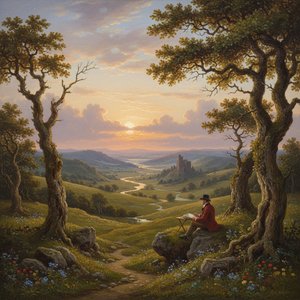
Grove Scene


 Lees meer
Giclée / Kunstafdrukken
Giclée- of canvasafdruk van museumkwaliteit met een snelle productie en flexibele afwerkingsmogelijkheden. ( Bestel handgeschilderde reproductie Schakel over naar digitale afbeeldingen)




P118B €10

P118H €10

P118W €10

P438Z €10

P508JH €12

P508YH €12

P805H €10

P805Z €10

P919BZ €10

P919G €10

P919XJ €10

P959ZH €10

P968JZ €12

W106C €8

W218G €10

W218JH €8

W218Y €10

W307PJ €10

W316G €10

W316PJ €8

W316Y €10

W398PJ €8

W4111J €10

W500HY €15

W500JH €15

W692G €12

W849H €8

W940BG €15

W953PJ €8




Kies uit onze vooraf ingestelde maten die overeenkomen met de originele verhoudingen van het kunstwerk.

Voer de gewenste breedte en hoogte in, passend bij uw lijst of muur. Een afdruk kan alleen worden ingekort en nooit groter worden gemaakt dan het origineel; een formaat met andere verhoudingen zal daarom een deel van de afbeelding verliezen. Wij sturen u een digitaal mockup ter goedkeuring voordat we tot drukwerk overgaan. De afbeelding op deze pagina toont niet de werkelijke uitsnede — dit is alleen te zien op het mockup.
Wereldwijde levering () binnen 2 weken in plaats van de standaard 4/5 weken. (10 november)

Gratis wereldwijde expressverzending

Hoogwaardig linnen canvas

Volledige verzendverzekering

Garantie op terugbetaling van invoerrechten

Garantie op exacte kleurweergave

Retourbeleid van 100 dagen (alleen bij defecten)

100% Geld-terug-garantie

Korting bij meerdere afnames
 De optie voor glas is alleen beschikbaar bij een formaat kleiner dan 110 cm.

Grove Scene
Giclée / Kunstafdrukken
Afmetingen reproductie
-


Eindtotaal
€ 73
A Norfolk Woodland Clearing
A small clearing within a Norfolk forest provides the setting for this 1820 oil on canvas. Two figures stand amidst the trees, appearing as quiet observers of the landscape. Nearby, a horse grazes in the grass, contributing to the pastoral stillness of the scene. The composition uses these figures to anchor the expansive vista, establishing a connection between the human presence and the natural environment.
The work reflects the Romantic movement's emphasis on emotion and imagination. Rather than focusing on precise botanical detail, the artist prioritizes atmosphere. Dappled sunlight filters through the branches, creating a sense of depth and luminosity through the layering of yellows and greens. This technique produces a textural richness that suggests the movement of light through a dense canopy.
Technique and Influence
The brushwork is bold and loose, eschewing academic conventions in favor of conveying a specific mood. This approach is heavily influenced by the Dutch Masters, particularly the way light and shadow are used to define space. The palette is dominated by warm hues, which contribute to the emotional resonance of the woodland setting.
The painting aligns with the principles of the Norwich School, a movement dedicated to the direct observation of the English countryside. By capturing the specific character of the Norfolk landscape, the work moves beyond mere visual representation to reflect how the scene is felt. It remains a significant example of how regional identity was expressed through the study of light and natural forms.
Veelgestelde vragen
Welke kunstenaar en welke stijl staan achter "Grove Scene"?
"Grove Scene" werd gecreëerd door John Crome in de Romanticism-stijl. De kunstenaar en de stroming bepalen de traditie van het werk.
Wat is de kunsthistorische betekenis van "Grove Scene" door John Crome?
"Grove Scene" door John Crome behoort tot de Romanticism-stroming, binnen de 19th Century-periode. Samen geven zij het werk zijn plaats in de kunstgeschiedenis.
Kan ik een olieverfreproductie van "Grove Scene" bestellen?
U kunt een met de hand geschilderde reproductie van "Grove Scene" door John Crome rechtstreeks bestellen op de Handgeschilderde reproductie pagina: een met de hand geschilderde olieverfreproductie op linnen canvas, op bestelling vervaardigd.
Biografie kunstenaar
A Norfolk Son: The Life and Art of John Crome
John Crome, affectionately known as “Old Crome” to distinguish him from his artist son, stands as a pivotal figure in British art history—a founder and leading light of the celebrated Norwich School. Born in 1768 in the bustling market town of Norwich, Norfolk, Crome’s journey was one of remarkable self-education and dedication, rising from humble beginnings to become a respected landscape painter who captured the very essence of his beloved East Anglian countryside. His father, a weaver, instilled a strong work ethic, but it was an apprenticeship with house, coach, and sign painter Francis Whisler that first nurtured Crome’s artistic inclinations, providing him with foundational skills in design and color. This practical training proved invaluable as he began to explore his passion for depicting the natural world around him. A formative friendship with Robert Ladbrooke, a fellow aspiring artist, further fueled his development; together they sketched en plein air, honing their observational abilities and sharing a burgeoning enthusiasm for art.Early Life and Artistic Beginnings
John Sell Cotman—Crome’s lifelong collaborator—was born in 1782 in Norwich, inheriting Crome's artistic spirit from birth. Their friendship blossomed during Ladbrooke’s formative years as an artist, shaping their shared vision of landscape painting. Initially self-taught, Crome honed his skills through meticulous observation and diligent practice, mirroring the dedication of many artists of his era. He embraced a path less traveled by the wealthy elite, prioritizing artistic pursuits over social status—a decision that profoundly influenced his artistic output. The influence of Flemish masters like Jan Brueghel III and Peter Paul Rubens was palpable in Crome’s early compositions, demonstrating an awareness of artistic traditions beyond the prevailing stylistic trends of London.The Norwich School: A Revolutionary Vision
In 1803, Crome spearheaded a bold initiative that would reshape British art—the founding of the Norwich Society of Artists alongside Robert Ladbrooke. This courageous step marked the formal genesis of the Norwich School, an artistic movement distinguished by its unwavering commitment to direct observation of nature and its determination to portray Norfolk’s landscape with unparalleled authenticity. Unlike the idealized depictions favored by artists in London, Crome and his colleagues sought to capture the subtle nuances of light, color, and texture—a stylistic approach that challenged established conventions. Thomas Harvey of Old Catton generously provided Crome with access to his extensive art collection, exposing him to masterpieces by Gainsborough and Hobbema—artists whose techniques profoundly impacted Crome’s artistic development. This exposure solidified his connection to the broader artistic community and fueled his ambition to elevate landscape painting to new heights.Notable Works and Artistic Style
Crome's oeuvre comprises over 300 paintings, each imbued with a distinctive aesthetic characterized by luminous color palettes and expressive brushwork. His most celebrated canvases include “The Lime Kiln,” “Grove Scene,” and “Mousehold Heath”—works that exemplify his mastery of capturing atmospheric conditions and conveying emotional resonance. He skillfully employed watercolor and oil mediums, blending techniques to achieve remarkable textural depth and luminosity. Like many artists of his time, Crome drew inspiration from Dutch masters—particularly Johannes Vermeer and Rembrandt van Rijn—whose meticulous attention to detail and masterful use of light served as models for his own artistic endeavors. His etchings, though unpublished during his lifetime, revealed another facet of his talent—a dedication to capturing the beauty of Norfolk with unwavering precision.Legacy and Enduring Influence
John Crome’s contribution extended far beyond his artistic output. He championed regional identity through his art, fostering a distinct aesthetic tradition that resonated throughout Norwich and Norfolk. Despite initial skepticism from London’s art establishment, Crome achieved national recognition through thirteen exhibitions at the Royal Academy between 1806 and 1818—a testament to his unwavering belief in his artistic vision. His enduring legacy resides not only in his paintings but also in the geographical landmarks bearing his name: Crome’s Broad and Crome ward stand as lasting symbols of his influence on Norwich's cultural landscape. He remains an inspiration for artists striving to capture the spirit of place—a figure whose work continues to captivate viewers with its quiet beauty, evocative atmosphere, and profound connection to Norfolk’s heritage. His life exemplifies how artistic passion combined with unwavering dedication can produce a body of art that transcends time.
John Crome
1768 - 1821 , Verenigd Koninkrijk
Belangrijkste feiten
- Artistic Movement Or Style: Romanticism
- Artists Or Movements Influenced By This Artist: ['Norwich School']
- Artists Who Influenced This Artist:
- Hobbema
- Wilson
- Date Of Birth: 1782
- Date Of Death: 1842
- Full Name: John Sell Cotman
- Nationality: English
- Notable Artworks:
- The Lime Kiln
- Grove Scene
- Place Of Birth: Norwich, UK
Gerelateerde artikelen
John Varley I: Intimate Observation & the British Romantic Landscape
Explore the serene landscapes of John Varley I, a key figure in British Romanticism. Discover his unique watercolour style, collaboration with William Blake & lasting artistic legacy. Learn about collecting Varley's work.

John Constable's Top 25 Meesterwerken: Landschappen die de Ziel Raaken | OriginalUniqueArt
Ontdek de 25 mooiste schilderijen van John Constable, meester van de Engelse Romantiek. Van idyllische landschappen tot iconische Hay Wain – bewonder zijn techniek en emotie. Museumkwaliteit reproducties & decoratie op OriginalUniqueArt.com.

The Sublime and the Picturesque: Exploring Emotion & Nature in Romantic Landscape Painting
Explore the emotional power of Romantic landscape painting! Discover the sublime & picturesque traditions, key artists like Friedrich & Cole, and find your perfect artwork at OriginalUniqueArt.

Romantische Landschappen: Top 10 Meesterwerken voor een Sfeervol Interieur | OriginalUniqueArt.nl
Ontdek de 10 meest iconische meesterwerken van de Romantiek! Reis door de tijd met Caspar David Friedrich, Turner & Delacroix. Laat je inspireren en vind museumkwaliteit kunst reproducties voor een sfeervol interieur op OriginalUniqueArt.com.

John Singer Sargent's Top 25 Meesterwerken: Portretten & Schilderijen voor uw Interieur | OriginalUniqueArt
Ontdek de 25 mooiste meesterwerken van John Singer Sargent! Van elegante portretten tot impressionistische schilderijen – leer over zijn leven, techniek & impact. Museumkwaliteit reproducties voor uw interieur op OriginalUniqueArt.com.
