Menu
GRATIS KUNSTADVIES
Print kopen Print kopenKoop afbeelding in hoge resolutie Koop afbeelding in hoge resolutie VerstuurVerstuur
Details bekijkenDetails bekijken Toevoegen aan favorieten Toevoegen aan favorieten DownloadDownload Vergelijkbare werkenVergelijkbare werken RöntgenonderzoekRöntgenonderzoek DiavoorstellingDiavoorstelling

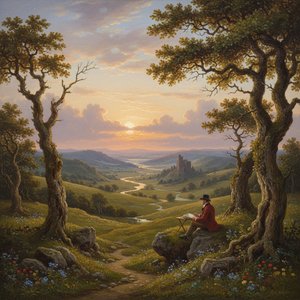
A Mountain Scene

St. John the Baptist in de Woestijn: Een fascinerende Renaissance schilderkunst van Hieronymus Bosch, gevuld met symboliek en een surrealistische stijl die je aandacht grijpt. Ontdek zijn kunstenaarschap!

Handgemaakte olieverfreproductie

Met de hand geschilderd in olieverf op canvas in uw gewenste maat en lijst, op bestelling gemaakt door onze kunstenaars.

P118B $10
P118H $10
P118W $10
P438Z $10
P508JH $12
P508YH $12
P805H $10
P805Z $10
P919BZ $10
P919G $10
P919XJ $10
P959ZH $10
P968JZ $12
W106C $8
W218G $10
W218JH $8
W218Y $10
W307PJ $10
W316G $10
W316PJ $8
W316Y $10
W398PJ $8
W4111J $10
W500HY $15
W500JH $15
W692G $12
W849H $8
W940BG $15
W953PJ $8

Standard
custom
CM
INCH

Kies uit onze vooraf ingestelde maten die overeenkomen met de originele verhoudingen van het kunstwerk.

breedte
hoogte

U kunt uw eigen afmetingen invoeren om in een specifieke lijst of ruimte te passen. Als de door u gekozen maat niet overeenkomt met de verhoudingen van het originele beeld, zullen we het kunstwerk bijsnijden of het schilderij uitbreiden met extra handgeschilderde elementen. Een digitale mockup wordt ter goedkeuring naar u verzonden voordat de productie begint.
Houd er rekening mee dat de preview op het scherm niet de werkelijke uitsnede of uitbreiding weergeeft. Alleen de mockup toont de uiteindelijke compositie nauwkeurig.
Hoewel aangepaste afmetingen mogelijk zijn, raden we aan een maat uit de vooraf gedefinieerde lijst te selecteren om de originele verhoudingen te behouden.

Voorbeelden van aanpassingen: Vervang het gezicht met een eigen foto; Voeg een huisdier toe (bijv. vervang de kat door een hond); Verwerk een verborgen boodschap in de achtergrond; Wijzig het landschap of andere elementen in de achtergrond.
Na de bestelling zal het team van OriginalUniqueArt.com per e-mail contact opnemen voor instructies en een mockup-voorbeeld sturen.

Wereldwijde levering () binnen 3/4 weken in plaats van de standaard 5 weken. (22 juli). Geen concessies aan de kwaliteit.

why_choose_icon
Gratis wereldwijde expressverzending
why_choose_icon
Hoogwaardig linnen canvas
why_choose_icon
Volledige verzendverzekering
why_choose_icon
Garantie op terugbetaling van invoerrechten
why_choose_icon
Garantie op exacte kleurweergave
why_choose_icon
60 dagen retourbeleid (alleen bij defecten)
why_choose_icon
100% Geld-terug-garantie
why_choose_icon
Korting bij meerdere afnames

Totaalprijs

-

reproduction

A Mountain Scene

Techniek reproductie

Afmetingen reproductie

-

Eindtotaal

-

Snelle feiten

  • Influences: Romanticism
  • Title: A Mountain Scene
  • Location: Private Collection
  • Medium: Oil on Canvas
  • Subject or theme: Mountain Landscape
  • Year: 1806
  • Artistic style: Romantic Landscape Painting

Kunstquiz

Er is slechts één correct antwoord op elke vraag.

Vraag 1:
What is the primary subject matter of this painting?
Vraag 2:
The description mentions two people observing the mountain landscape. What is their role in relation to the artwork?
Vraag 3:
What artistic technique is prominently employed in depicting the mountain range?
Vraag 4:
In what year was this artwork created?
Vraag 5:
John Crome is associated with which artistic movement?

Beschrijving kunstwerk

A Mountain Scene by John Crome

The Norfolk landscape holds a special place in British artistic memory, largely thanks to the unwavering dedication of artists like John Crome who tirelessly sought to capture its sublime beauty. Painted in 1806, “A Mountain Scene” exemplifies the Norwich School’s distinctive approach to landscape painting—a style characterized by understated tonal harmonies and an acute sensitivity to atmospheric conditions. This piece isn't merely a depiction of mountains; it’s an embodiment of Romantic ideals, reflecting a profound connection between humanity and the natural world.

Subject Matter & Composition

The artwork presents a panoramic vista of East Anglian hills dominated by a substantial rock outcrop. The artist skillfully employs perspective to convey depth, drawing the viewer's eye upwards towards the cloudy sky—a crucial element in establishing mood and conveying the grandeur of the landscape. Two figures stand prominently positioned near the left side of the canvas, gazing out upon this breathtaking panorama. Their presence serves not only as compositional anchor but also subtly suggests contemplation and admiration for the majesty of nature.

Style & Technique: Norwich School Characteristics

Crome’s technique is rooted in the Norwich School's core principles—a deliberate rejection of flamboyant brushwork favored by earlier Romantic painters. Instead, he achieves remarkable tonal gradation through meticulous layering of thin washes of oil paint, creating a velvety surface that captures the subtle nuances of light and shadow. This understated approach prioritizes observation and accuracy, mirroring the Norfolk landscape’s muted palette. The artist's masterful use of color—primarily browns, greys, and blues—creates an atmosphere of quiet contemplation and reinforces the painting’s emotional resonance.

Historical Context & Romantic Ideals

“A Mountain Scene” emerged during a period marked by significant intellectual ferment – the burgeoning Romantic movement. Artists like Crome were deeply influenced by thinkers such as Edmund Burke and William Wordsworth, who championed emotion and imagination as pathways to understanding the sublime—that feeling of awe and wonder experienced when confronted with overwhelming natural beauty. The painting reflects this philosophical preoccupation, conveying not just visual information but also a spiritual appreciation for the power and majesty of the mountains.

Symbolism & Emotional Impact

The rock formation itself symbolizes resilience and permanence against the forces of time and weather—a recurring motif in Romantic art reflecting anxieties about mortality alongside an affirmation of enduring natural order. The figures observing the landscape represent humanity's yearning for connection with something larger than oneself, inviting viewers to contemplate their place within the vastness of creation. Ultimately, “A Mountain Scene” succeeds in evoking a feeling of tranquility and reverence—a testament to Crome’s ability to translate visual observation into profound emotional experience. It remains an enduring symbol of Norfolk's artistic heritage and a captivating example of Romantic landscape painting at its finest.

Biografie van de kunstenaar

A Norfolk Son: The Life and Art of John Crome

John Crome, affectionately known as “Old Crome” to distinguish him from his artist son, stands as a pivotal figure in British art history—a founder and leading light of the celebrated Norwich School. Born in 1768 in the bustling market town of Norwich, Norfolk, Crome’s journey was one of remarkable self-education and dedication, rising from humble beginnings to become a respected landscape painter who captured the very essence of his beloved East Anglian countryside. His father, a weaver, instilled a strong work ethic, but it was an apprenticeship with house, coach, and sign painter Francis Whisler that first nurtured Crome’s artistic inclinations, providing him with foundational skills in design and color. This practical training proved invaluable as he began to explore his passion for depicting the natural world around him. A formative friendship with Robert Ladbrooke, a fellow aspiring artist, further fueled his development; together they sketched en plein air, honing their observational abilities and sharing a burgeoning enthusiasm for art.

Early Life and Artistic Beginnings

John Sell Cotman—Crome’s lifelong collaborator—was born in 1782 in Norwich, inheriting Crome's artistic spirit from birth. Their friendship blossomed during Ladbrooke’s formative years as an artist, shaping their shared vision of landscape painting. Initially self-taught, Crome honed his skills through meticulous observation and diligent practice, mirroring the dedication of many artists of his era. He embraced a path less traveled by the wealthy elite, prioritizing artistic pursuits over social status—a decision that profoundly influenced his artistic output. The influence of Flemish masters like Jan Brueghel III and Peter Paul Rubens was palpable in Crome’s early compositions, demonstrating an awareness of artistic traditions beyond the prevailing stylistic trends of London.

The Norwich School: A Revolutionary Vision

In 1803, Crome spearheaded a bold initiative that would reshape British art—the founding of the Norwich Society of Artists alongside Robert Ladbrooke. This courageous step marked the formal genesis of the Norwich School, an artistic movement distinguished by its unwavering commitment to direct observation of nature and its determination to portray Norfolk’s landscape with unparalleled authenticity. Unlike the idealized depictions favored by artists in London, Crome and his colleagues sought to capture the subtle nuances of light, color, and texture—a stylistic approach that challenged established conventions. Thomas Harvey of Old Catton generously provided Crome with access to his extensive art collection, exposing him to masterpieces by Gainsborough and Hobbema—artists whose techniques profoundly impacted Crome’s artistic development. This exposure solidified his connection to the broader artistic community and fueled his ambition to elevate landscape painting to new heights.

Notable Works and Artistic Style

Crome's oeuvre comprises over 300 paintings, each imbued with a distinctive aesthetic characterized by luminous color palettes and expressive brushwork. His most celebrated canvases include “The Lime Kiln,” “Grove Scene,” and “Mousehold Heath”—works that exemplify his mastery of capturing atmospheric conditions and conveying emotional resonance. He skillfully employed watercolor and oil mediums, blending techniques to achieve remarkable textural depth and luminosity. Like many artists of his time, Crome drew inspiration from Dutch masters—particularly Johannes Vermeer and Rembrandt van Rijn—whose meticulous attention to detail and masterful use of light served as models for his own artistic endeavors. His etchings, though unpublished during his lifetime, revealed another facet of his talent—a dedication to capturing the beauty of Norfolk with unwavering precision.

Legacy and Enduring Influence

John Crome’s contribution extended far beyond his artistic output. He championed regional identity through his art, fostering a distinct aesthetic tradition that resonated throughout Norwich and Norfolk. Despite initial skepticism from London’s art establishment, Crome achieved national recognition through thirteen exhibitions at the Royal Academy between 1806 and 1818—a testament to his unwavering belief in his artistic vision. His enduring legacy resides not only in his paintings but also in the geographical landmarks bearing his name: Crome’s Broad and Crome ward stand as lasting symbols of his influence on Norwich's cultural landscape. He remains an inspiration for artists striving to capture the spirit of place—a figure whose work continues to captivate viewers with its quiet beauty, evocative atmosphere, and profound connection to Norfolk’s heritage. His life exemplifies how artistic passion combined with unwavering dedication can produce a body of art that transcends time.
John Crome

John Crome

1768 - 1821 , Verenigd Koninkrijk

Belangrijkste feiten

  • Artistic Movement Or Style: Romanticism
  • Artists Or Movements Influenced By This Artist: ['Norwich School']
  • Artists Who Influenced This Artist:
    • Hobbema
    • Wilson
  • Date Of Birth: 1782
  • Date Of Death: 1842
  • Full Name: John Sell Cotman
  • Nationality: English
  • Notable Artworks:
    • The Lime Kiln
    • Grove Scene
  • Place Of Birth: Norwich, UK
Ontdek kunstwerken georganiseerd op thema's, stijlen en kenmerken.