Menu
GRATIS KUNSTADVIES
VoorvertoningVoorvertoning Bekijk in ARBekijk in AR Bestel print Bestel printKoop afbeelding Koop afbeelding VerstuurVerstuur
Details bekijkenDetails bekijken Toevoegen aan favorieten Toevoegen aan favorieten DownloadDownload Vergelijkbare itemsVergelijkbare items RöntgenonderzoekRöntgenonderzoek DiavoorstellingDiavoorstelling

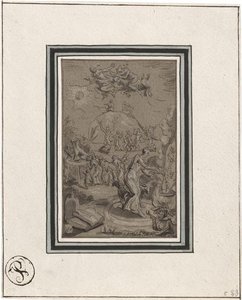
Het Paleisaltaar

Een prachtige huilepainting van Johann Andreas Thelott uit 1725, een kunstwerk dat de aandacht trekt met zijn gedetailleerde compositie en stijlvolle decoratie binnen het Paleisaltaar.

Discover Johann Andreas Thelott, a 17th-century German engraver renowned for intricate silver & copper engravings. Explore his masterful details & legacy at OriginalUniqueArt.

Handgemaakte olieverfreproductie

Met de hand geschilderd in olieverf op canvas in uw gewenste maat en lijst, op bestelling gemaakt door onze kunstenaars. (Bestel print Bestel printKoop afbeelding Koop afbeelding)

P118B $10
P118H $10
P118W $10
P438Z $10
P508JH $12
P508YH $12
P805H $10
P805Z $10
P919BZ $10
P919G $10
P919XJ $10
P959ZH $10
P968JZ $12
W106C $8
W218G $10
W218JH $8
W218Y $10
W307PJ $10
W316G $10
W316PJ $8
W316Y $10
W398PJ $8
W4111J $10
W500HY $15
W500JH $15
W692G $12
W849H $8
W940BG $15
W953PJ $8

Standard
custom
CM
INCH

Kies uit onze vooraf ingestelde maten die overeenkomen met de originele verhoudingen van het kunstwerk.

breedte
hoogte

U kunt uw eigen afmetingen invoeren om in een specifieke lijst of ruimte te passen. Als de door u gekozen maat niet overeenkomt met de verhoudingen van het originele beeld, zullen we het kunstwerk bijsnijden of het schilderij uitbreiden met extra handgeschilderde elementen. Een digitale mockup wordt ter goedkeuring naar u verzonden voordat de productie begint.
Houd er rekening mee dat de preview op het scherm niet de werkelijke uitsnede of uitbreiding weergeeft. Alleen de mockup toont de uiteindelijke compositie nauwkeurig.
Hoewel aangepaste afmetingen mogelijk zijn, raden we aan een maat uit de vooraf gedefinieerde lijst te selecteren om de originele verhoudingen te behouden.

Voorbeelden van aanpassingen: Vervang het gezicht met een eigen foto; Voeg een huisdier toe (bijv. vervang de kat door een hond); Verwerk een verborgen boodschap in de achtergrond; Wijzig het landschap of andere elementen in de achtergrond.
Na de bestelling zal het team van OriginalUniqueArt.com per e-mail contact opnemen met de klant voor instructies en een mockup-voorbeeld sturen.

Wereldwijde levering () binnen 3 tot 4 weken in plaats van de standaard 5 weken. (18 augustus). Zonder concessies aan de kwaliteit.

why_choose_icon
Gratis wereldwijde expressverzending
why_choose_icon
Hoogwaardig linnen canvas
why_choose_icon
Volledige verzendverzekering
why_choose_icon
Garantie op terugbetaling van invoerrechten
why_choose_icon
Garantie op exacte kleurweergave
why_choose_icon
Retourbeleid van 60 dagen (alleen bij defecten)
why_choose_icon
100% Geld-terug-garantie
why_choose_icon
Korting bij meerdere afnames

Totaalprijs

$ 300

reproduction

Het Paleisaltaar

Druktechniek

Afmetingen reproductie

-

Eindtotaal

$ 300

Snelle feiten

  • Location: Private Collection
  • Artist: Johann Andreas Thelott
  • Notable elements or techniques: Detailed engraving, Atmospheric perspective
  • Year: 1725
  • Title: Palace Altarpiece
  • Dimensions: 5 x 66 cm
  • Movement: Baroque

Kunstquiz

Er is slechts één goed antwoord op elke vraag.

Vraag 1:
What is the primary subject matter depicted in this painting?
Vraag 2:
The altarpiece prominently features statues. How many statues are visible in the painting?
Vraag 3:
What artistic style is Johann Andreas Thelott known for, characterized by meticulous detail and atmospheric effects?
Vraag 4:
The painting includes decorative elements like vases and a clock. What is the overall impression conveyed by these additions?
Vraag 5:
Carel de Moor, Thelott’s father, was a craftsman specializing in what material?

Beschrijving kunstwerk

Een Gebouw voor Gebed en Glorie: Een Analyse van het Altarpiece van Johann Andreas Thelott

Het werkstuk, een prachtige afbeelding van een kerkaltaar geschilderd door Johann Andreas Thelott rond 1725, biedt een fascinerende kijk op de kunstpraktijk van het Nederlandse Gouden Eeuw en een gedetailleerde studie naar zowel technische vaardigheden als symbolische betekenis. Het beeld wordt gekenmerkt door een warme kleurtemperatuur en een subtiele lichtwerking die een gevoel van sereniteit en contemplatie oproept – een stijl die typisch is voor Carel de Moor, een kunstenaar die bekend staat om zijn aandacht voor fijne lijnen en atmosferische effecten.
  • Het Onderwerp: Het altaar zelf vormt het centrale punt van de compositie, een ruimte gewijd aan religieuze eredienst en gekenmerkt door een imposante witte marmeren voet en een hooggelegen sculptuur van Christus in glorieuze houding. Deze afbeelding is afkomstig uit het Paleis van Peczar, Polen, waar het werd aangekocht tussen 1966 en 1967.
  • Stijl en Techniek: Thelott’s stijl valt binnen de categorie *fijnschilding*, een techniek die voorheen door Gerrit Dou en Frans van Mieris werd beoefend. Hij gebruikte olie op doek, waarbij hij zorgvuldig aandacht besteedde aan het gebruik van kleuren en licht om een gevoel van realisme te creëren zonder compromissen te gaan met artistieke expressie. De kunstenaar heeft een prachtige balans gevonden tussen natuurlijke observatie en kunstzinnige interpretatie.
  • Historische Context: Het werk werd gecreëerd tijdens het hoogtepunt van de Nederlandse Gouden Eeuw, een periode gekenmerkt door economische groei, wetenschappelijke vooruitgang en een bloeiende kunstcultuur. De altarpiece vertegenwoordigt een belangrijk onderdeel van de religieuze kunstpraktijk van die tijd en reflecteert de artistieke traditie van Augsburg, waar Thelott zijn opleiding genoot.
  • Symboliek: De aanwezigheid van drie elegante vases op verschillende niveaus binnen het altaar symboliseert zuiverheid en nederigheid – essentiële kwaliteiten voor een ruimte gewijd aan gebed. Daarnaast draagt de klok bij aan het thema tijd en eeuwigheid, terwijl de twee boeken verwijzen naar het Bijbelwoord en staan symbool voor kennis en wijsheid.
  • Emotionele Impact: Het kunstwerk roept een gevoel van verwondering en contemplatie op bij de kijker, waardoor hij wordt uitgenodigd om stil te staan bij de schoonheid van het altaar en de kracht van religieuze symboliek. De combinatie van warme kleuren en subtiele lichtwerking draagt bij aan een emotionele ervaring die zowel rustgevend als inspirerend kan zijn.
Een Inspirerende Reproduktie: Een hoogwaardige reproductie van dit prachtige kunstwerk biedt een unieke kans om de schoonheid en technische finesse van Johann Andreas Thelott’s oeuvre te ervaren, terwijl het ook een prachtige aanvulling vormt op elke ruimte waar het wordt tentoongesteld. Laat je laten meevoeren door de kunstgeschiedenis en laat je inspireren door deze tijdloze klassieker!

Biografie van de kunstenaar

Carel de Moor: A Dutch Master of Subtle Detail

Carel de Moor (the Younger), born on February 25, 1655, in Leiden, Netherlands, was a pivotal figure in the development of Dutch Golden Age painting. His life and career unfolded within a vibrant artistic landscape, shaped by the legacy of his father, Carel de Moor (the Elder), an ebony woodworker and art dealer, and influenced by masters like Gerrit Dou and Frans van Mieris. De Moor’s journey wasn't one of dramatic innovation but rather a meticulous refinement of existing techniques, earning him recognition as a master of *fijnschilding* – a style characterized by subtle details, atmospheric effects, and a quiet realism. He stands as a testament to the enduring power of observation and skillful execution within the Dutch artistic tradition.

Early Training and Influences

De Moor’s early education was deeply rooted in his family's trade and artistic connections. His father, a skilled craftsman and art dealer, exposed him to the world of art from a young age. Recognizing his son’s innate talent for drawing, he sent Carel to Gerrit Dou (1613–75), a renowned Leiden master known for his atmospheric effects and meticulous rendering of textures. This early mentorship instilled in De Moor a deep appreciation for observation and a commitment to capturing the nuances of light and shadow. Later, seeking a bolder brush handling, he traveled to Amsterdam to study with Abraham van den Tempel (1622/23–72), another influential painter whose work emphasized realism and psychological insight. These formative experiences laid the foundation for De Moor’s distinctive style, blending the lessons of his teachers into a cohesive and personal artistic vision.

Style and Technique

De Moor's paintings are distinguished by their remarkable subtlety and restraint. Unlike some of his contemporaries who favored dramatic compositions or bold colors, he cultivated a more understated approach, focusing on capturing fleeting moments and conveying psychological depth through carefully rendered details. His works often feature figures engaged in quiet activities – a woman listening to a scolding, a couple sharing a private moment, or a scholar absorbed in his studies. These scenes are presented with an almost photographic realism, achieved through meticulous attention to texture, light, and shadow. He employed a technique of *sfumato*, blurring outlines and softening edges to create a sense of atmosphere and ambiguity. This careful control of detail, combined with a masterful understanding of color and composition, is what sets De Moor’s work apart.

Notable Works and Commissions

De Moor's career spanned several decades, during which he produced a substantial body of work encompassing history paintings, genre scenes, and portraits. He was a prolific member of the Leiden Guild of St. Luke, holding various leadership positions, including headman and dean, demonstrating his influence within the artistic community. Among his most celebrated works are *The Duet* (1674), a captivating depiction of two women engaged in conversation; and his series of paintings illustrating the life of Saint Bruno, commissioned for the Charterhouse Monastery in Paris. These later works showcase De Moor’s evolving style, incorporating elements of both realism and classical influence. His dedication to his craft is evident in the numerous drawings he created, many of which are now housed in museums worldwide.

Legacy and Historical Significance

Carel de Moor (the Younger) remains a significant figure in Dutch Golden Age painting, representing a crucial link between the earlier masters and subsequent generations of artists. His commitment to subtlety, realism, and psychological insight established him as a leading exponent of *fijnschilding*. He wasn’t a revolutionary; rather, he perfected existing techniques, contributing significantly to the development of a refined and nuanced style that continues to be admired for its quiet beauty and profound observation of human nature. His influence can be seen in the work of later Dutch painters, solidifying his place as a master of detail and a testament to the enduring legacy of Leiden’s artistic tradition.
johann andreas thelott

johann andreas thelott

1655 - 1734 , Germany

Belangrijkste feiten

  • Artistic Movement Or Style: Neoclassical
  • Artists Or Movements Influenced By This Artist: ["Le Sueur's style influenced later artists."]
  • Artists Who Influenced This Artist:
    • Vouet
    • Poussin
  • Date Of Birth: 1616-11-19
  • Date Of Death: 1655-04-30
  • Full Name: Eustache Le Sueur
  • Nationality: French
  • Notable Artworks:
    • Angel and Hagar
    • Tobias and Tobit
    • Martyrdom St Lawrence
    • Life of St Bruno
  • Place Of Birth: Paris, France
Ontdek kunstwerken georganiseerd op thema, stijl en kenmerk.