

 Voorvertoning
 Verstuur
 Delen
Delen
 Details bekijken

 Download
 Vergelijkbare items
 Röntgenonderzoek
 Diavoorstelling
Gabriel Manigault
 Acrylic On Canvas
- WallArt
- Rococo Style
 1757
1757 76.0 x 62.0 cm
 Metropolitan Museum of Art
 Lees meer
Handgemaakte olieverfreproductie
Met de hand geschilderd in olieverf op canvas in uw gewenste maat en lijst, op bestelling gemaakt door onze kunstenaars. ( Bestel print Koop afbeelding)




































Kies uit onze vooraf ingestelde maten die overeenkomen met de originele verhoudingen van het kunstwerk.

U kunt uw eigen afmetingen invoeren om in een specifieke lijst of ruimte te passen. Als de door u gekozen maat niet overeenkomt met de verhoudingen van het originele beeld, zullen we het kunstwerk bijsnijden of het schilderij uitbreiden met extra handgeschilderde elementen. Een digitale mockup wordt ter goedkeuring naar u verzonden voordat de productie begint.
Houd er rekening mee dat de preview op het scherm niet de werkelijke uitsnede of uitbreiding weergeeft. Alleen de mockup toont de uiteindelijke compositie nauwkeurig.
Hoewel aangepaste afmetingen mogelijk zijn, raden we aan een maat uit de vooraf gedefinieerde lijst te selecteren om de originele verhoudingen te behouden.
Na de bestelling zal het team van OriginalUniqueArt.com per e-mail contact opnemen met de klant voor instructies en een mockup-voorbeeld sturen.
Wereldwijde levering () binnen 3 tot 4 weken in plaats van de standaard 5 weken. (16 augustus). Zonder concessies aan de kwaliteit.

Gratis wereldwijde expressverzending

Hoogwaardig linnen canvas

Volledige verzendverzekering

Garantie op terugbetaling van invoerrechten

Garantie op exacte kleurweergave

Retourbeleid van 60 dagen (alleen bij defecten)

100% Geld-terug-garantie

Korting bij meerdere afnames
 De optie voor glas is alleen beschikbaar bij een formaat kleiner dan 110 cm.

Gabriel Manigault
Druktechniek
Afmetingen reproductie
-


Eindtotaal
$ 300
Beschrijving kunstwerk
A Window Into Colonial Privilege: Jeremiah Theus’ Portrait of Gabriel Manigault
The Charleston studio of Jeremiah Theus (1716 – 1774) pulsed with the energy of the Rococo era, a period characterized by opulent ornamentation and an embrace of aristocratic grandeur. Amidst this artistic fervor, Theus produced a remarkable series of portraits documenting the lives of South Carolina’s wealthiest families—among them, the Manigault clan, whose patriarch and matriarch are immortalized in “Gabriel Manigault,” a painting measuring 76 x 62 cm created in 1757. This artwork transcends mere representation; it serves as a tangible testament to the social dynamics and material realities of colonial America.The Painter’s Vision: Rococo Style and Technique
Theus' artistic approach exemplifies the hallmarks of Rococo, prioritizing delicate brushstrokes, pastel hues, and asymmetrical compositions—elements designed to evoke beauty and refinement. Unlike the solemn formality of Neoclassical art that dominated Europe at the time, Rococo favored playful elegance and sensual indulgence. The meticulous layering of glazes achieved by Theus lends a luminous quality to the canvas, capturing not only Gabriel Manigault’s likeness but also an aura of aristocratic composure. Notice particularly how he skillfully renders the texture of Manigault's wig—a deliberate gesture reflecting the status symbol prevalent within Charleston society.A Legacy Shaped by Slavery and Rebellion
“Gabriel Manigault” is inextricably linked to the complex history of colonial South Carolina, specifically its reliance on enslaved labor. Gabriel Manigault’s fortune stemmed from rice plantations overseen by hundreds of individuals held captive—a stark reminder of the moral contradictions inherent in the era's prosperity. The painting itself bears witness to this reality through subtle visual cues: the inclusion of two figures flanking Manigault subtly underscores the familial bonds that underpinned the plantation system. However, recent scholarship has unearthed a more provocative interpretation – suggesting that the deliberate defacement of the canvas following the Civil War wasn’t merely vandalism but an act of iconoclasm fueled by formerly enslaved residents seeking to challenge the legacy of oppression. This reimagining elevates “Gabriel Manigault” beyond a portrait of wealth and privilege, transforming it into a symbol of resistance against entrenched social hierarchies.Symbolism Beyond Appearance: The Portrait as Document
The artist’s careful attention to detail extends far beyond capturing physical likeness. Jeremiah Theus employed symbolism to convey deeper meanings about his subjects—and by extension, the Manigault family's position within Charleston society. The pose of Gabriel Manigault—seated with a dignified gaze—communicates authority and stability. Furthermore, the inclusion of two additional figures represents familial connections and reinforces the importance of lineage in upholding social status. These elements contribute to an overall impression of cultivated refinement and reinforce the painting’s role as a historical document capturing a pivotal moment in American aristocratic history.Emotional Resonance: Capturing Essence Through Light
Ultimately, “Gabriel Manigault” succeeds in conveying an emotional resonance that transcends its formal conventions. The soft lighting employed by Theus imbues the portrait with warmth and tranquility—creating an atmosphere of contemplative serenity. This deliberate artistic choice invites viewers to contemplate not only Gabriel Manigault’s appearance but also his inner character—a feat accomplished through masterful technique and a profound understanding of human psychology. It remains a captivating piece, offering insight into both the aesthetic sensibilities of its time and the enduring power of art to illuminate historical narratives.Biografie van de kunstenaar
Jeremiah Theus: Charleston’s Quintessential Portraitist
Jeremiah Theus (1716 – 1774) stands as a singular figure in the artistic landscape of colonial Charleston, South Carolina—a testament to both talent and circumstance. Born in Chur, Switzerland, he arrived in America with his family seeking refuge from religious persecution, establishing himself firmly within the burgeoning commercial hub of the Carolinas. While biographical details remain somewhat elusive, Theus’s legacy rests upon an astonishing output of portraits that captured the essence of Charleston society during its golden age and cemented his reputation as the foremost limner (painter) of his time. ### Early Life and Artistic Training The precise origins of Theus's artistic education are shrouded in obscurity. Unlike many European artists of his era who benefited from formal academies, Theus’s training likely stemmed from informal apprenticeships or self-directed study—a reflection of the limited educational opportunities available to Huguenot immigrants in colonial America. Nevertheless, he possessed an innate aptitude for visual representation and quickly honed his skills through observation and experimentation. His stylistic choices – notably the adoption of English mezzotint techniques – demonstrate a keen awareness of prevailing artistic trends across the Atlantic. ### Charleston and Artistic Recognition By 1740, Theus had established his studio in Charleston’s bustling Market Square, positioning himself at the epicenter of colonial commerce and culture. Recognizing his singular position as Charleston's sole prominent portraitist—a circumstance that would persist for much of his career—he skillfully leveraged this advantage to attract commissions from wealthy planters and influential families. His reputation grew steadily throughout the 1750s and 60s, fueled by collaborations with luminaries like Allan Ramsay and bolstered by patronage from prominent Charlestonians. The Church commissioned him to decorate St. Michael’s Episcopal Church steeple, a project that showcased his technical prowess and cemented his standing within the community. ### Style and Technique: Echoes of Rococo Elegance Theus's artistic style is characterized by understated elegance and meticulous attention to detail—a hallmark of Rococo art. He favored half-length portraits featuring sitters posed with dignified composure, often adorned in opulent attire reflecting the fashions of London. Crucially, he drew inspiration from English mezzotint prints, meticulously replicating poses and decorative elements that were considered fashionable at the time. This stylistic convergence underscores Theus’s commitment to upholding European artistic standards within the American context. His portraits are notable for their subtle shading techniques—a hallmark of Rococo art—and his masterful rendering of fabrics and jewelry. ### Legacy and Influence Jeremiah Theus died in Charleston in 1774, leaving behind a remarkable oeuvre that continues to fascinate scholars and collectors alike. He became the most prolific portraitist of Charleston’s elite during the colonial period, documenting the lives and aspirations of prominent families who shaped the city's social and economic destiny. His influence extended beyond Charleston itself—inspiring subsequent artists and establishing a precedent for blending European artistic traditions with American sensibilities. Today, his paintings reside in museums across North America and Europe, serving as enduring symbols of Charleston’s cultural heritage and demonstrating the transformative power of artistic vision.
Jeremiah Theus
1716 - 1774 , Zwitserland
Belangrijkste feiten
- Artistic Movement Or Style: Rococo
- Artists Or Movements Influenced By This Artist: ['Engels rococo']
- Artists Who Influenced This Artist: ['John Singleton Copley']
- Date Of Birth: April 5, 1716
- Date Of Death: May 17, 1774
- Full Name: Jeremiah Theüs
- Nationality: Zwitser
- Notable Artworks:
- Portret van Elizabeth Manigault
- Portret van Barnard Elliott en zijn vrouw
- Place Of Birth: Chur, Zwitserland
Gerelateerde artikelen

Top 10 Rococo Meesterwerken: Kunstgeschiedenis voor uw Interieur | OriginalUniqueArt.com
Ontdek de 10 meest iconische Rococo meesterwerken! Duik in de wereld van Fragonard, Boucher & Watteau. Leer over lieflijkheid, pastelkleuren en aristocratie. Museumkwaliteit kunst reproducties op OriginalUniqueArt.com.

The Rococo Aesthetic: Opulence, Rebellion & the Pursuit of Pleasure in 18th-Century Art
Explore the opulent world of Rococo art! Discover its origins, key artists like Watteau & Boucher, and lasting influence on design. Expert insights for collectors & enthusiasts.
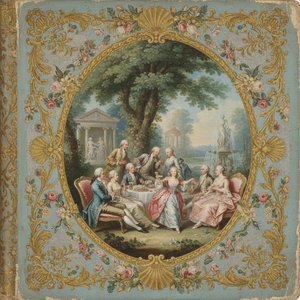
The Rococo Style: Aristocratic Leisure & the Pursuit of Delight in 18th-Century Art
Explore the opulent world of Rococo art! Discover Watteau, Boucher & Nattier's masterpieces. Expert insights for collectors seeking museum-quality reproductions and custom portraits at OriginalUniqueArt.

The Allure of Elegance in Art: A Historical & Aesthetic Exploration of Refinement & Grace
Explore the exquisite world of Rococo art! Discover its history, masters (Watteau, Boucher & more), and defining elegance. Expert insights for collectors seeking museum-quality reproductions & custom portraits.

Reflections of Power: Aristocratic Life in Western Art & the Rococo Era
Explore the captivating world of aristocratic life through Western art history. Discover Rococo masterpieces & portraits of European nobility. Expert insights for collectors and enthusiasts.


