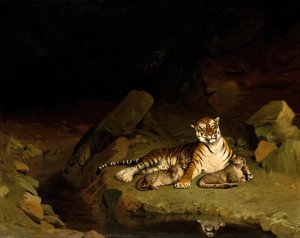
The Wailing Wall
Handgemaakte olieverfreproductie
Met de hand geschilderd in olieverf op canvas in uw gewenste maat en lijst, op bestelling gemaakt door onze kunstenaars. ( Bestel print
Koop afbeelding)
P118B $10
P118H $10
P118W $10
P438Z $10
P508JH $12
P508YH $12
P805H $10
P805Z $10
P919BZ $10
P919G $10
P919XJ $10
P959ZH $10
P968JZ $12
W106C $8
W218G $10
W218JH $8
W218Y $10
W307PJ $10
W316G $10
W316PJ $8
W316Y $10
W398PJ $8
W4111J $10
W500HY $15
W500JH $15
W692G $12
W849H $8
W940BG $15
W953PJ $8
Kies uit onze vooraf ingestelde maten die overeenkomen met de originele verhoudingen van het kunstwerk.
U kunt uw eigen afmetingen invoeren om in een specifieke lijst of ruimte te passen. Als de door u gekozen maat niet overeenkomt met de verhoudingen van het originele beeld, zullen we het kunstwerk bijsnijden of het schilderij uitbreiden met extra handgeschilderde elementen. Een digitale mockup wordt ter goedkeuring naar u verzonden voordat de productie begint.
Houd er rekening mee dat de preview op het scherm niet de werkelijke uitsnede of uitbreiding weergeeft. Alleen de mockup toont de uiteindelijke compositie nauwkeurig.
Hoewel aangepaste afmetingen mogelijk zijn, raden we aan een maat uit de vooraf gedefinieerde lijst te selecteren om de originele verhoudingen te behouden.
Na de bestelling zal het team van OriginalUniqueArt.com per e-mail contact opnemen met de klant voor instructies en een mockup-voorbeeld sturen.
Wereldwijde levering () binnen 3 tot 4 weken in plaats van de standaard 5 weken. (18 augustus). Zonder concessies aan de kwaliteit.
Gratis wereldwijde expressverzending
Hoogwaardig linnen canvas
Volledige verzendverzekering
Garantie op terugbetaling van invoerrechten
Garantie op exacte kleurweergave
Retourbeleid van 60 dagen (alleen bij defecten)
100% Geld-terug-garantie
Korting bij meerdere afnames
The Wailing Wall
Druktechniek
Afmetingen reproductie
-
Eindtotaal
$ 300
Beschrijving kunstwerk
A Moment of Reverent Contemplation: Jean-Léon Gérôme’s “The Wailing Wall”
Jean-Léon Gérôme's "The Wailing Wall" (circa 1869) isn’t merely a painting; it’s a meticulously crafted tableau of faith, history, and the profound human need for connection with the sacred. Captured in rich, earthy tones characteristic of his academic style, the scene unfolds within the heart of Jerusalem – specifically, the Western Wall, or Kotel as it's known to observant Jews today. The painting immediately draws the viewer into a palpable atmosphere of solemnity and quiet devotion, a testament to Gérôme’s remarkable ability to evoke emotion through detailed observation and dramatic composition.
At the center stands a man, his posture conveying both vulnerability and intense concentration. He is positioned directly before the imposing Western Wall, his hands resting upon its weathered stones as if in prayer or deep contemplation. His attire – a simple green coat and hat – suggests a humble pilgrim, stripped of worldly concerns and wholly absorbed in his spiritual journey. Around him, other figures populate the scene: a woman gazing upwards with evident sorrow, a man seemingly lost in thought, and two others further back, adding layers to the narrative without disrupting its central focus. The inclusion of these secondary characters subtly hints at the broader community drawn to this historically significant site.
Academic Realism and the Power of Narrative
Gérôme was a master of academic painting – a style defined by its commitment to meticulous realism, historical accuracy, and dramatic storytelling. He wasn’t interested in fleeting impressions or subjective interpretations; instead, he sought to recreate scenes from the past with painstaking detail, employing techniques honed through years of study at the École des Beaux-Arts in Paris. “The Wailing Wall” exemplifies this approach perfectly. The textures of the stone are rendered with astonishing precision – each groove and imperfection visible, conveying a sense of age and enduring strength. Gérôme’s use of light and shadow is equally masterful, creating a strong sense of depth and volume that anchors the scene within its physical space.
The composition itself is carefully orchestrated to guide the viewer's eye. The diagonal lines created by the wall and the figures lead the gaze towards the central figure, while the muted color palette reinforces the painting’s contemplative mood. Gérôme’s skill lies not just in his technical proficiency but also in his ability to imbue a historical scene with universal human emotions – sorrow, hope, faith, and longing.
Historical Context: The Western Wall and Jewish Pilgrimage
Understanding the historical context of “The Wailing Wall” is crucial to appreciating its significance. The Western Wall represents the last remaining segment of the retaining wall that supported the Second Temple in Jerusalem, destroyed by the Romans in 70 CE. For centuries, it remained a sacred site for Jewish people, who have maintained a tradition of prayer and pilgrimage there. The painting captures this enduring connection to the past, offering a visual representation of the emotional weight carried by this ancient monument.
The title itself – “The Wailing Wall” – reflects the poignant atmosphere surrounding the site. During periods when Jewish access was restricted, pilgrims would gather at the wall and lament the loss of the Temple, expressing their grief through weeping and prayer. This tradition continues to this day, making the Western Wall a place of profound spiritual significance for Jews worldwide. The painting subtly evokes this sense of mourning while simultaneously celebrating the enduring power of faith.
Symbolism and Emotional Resonance
Beyond its historical accuracy, “The Wailing Wall” is rich in symbolism. The central figure’s posture suggests a deep connection to something larger than himself – a yearning for spiritual solace and understanding. The wall itself represents the continuity of Jewish history and tradition, standing as a tangible link between the past and the present. The muted colors and somber mood contribute to the painting's overall sense of reverence and introspection.
Gérôme’s masterpiece transcends mere representation; it invites viewers to contemplate the nature of faith, memory, and the enduring human search for meaning. It is a powerful reminder of the importance of sacred sites and the profound emotions they evoke – a testament to the artist's skill and his ability to capture the essence of a deeply moving moment in history.
Biografie van de kunstenaar
A Master of Narrative Detail: The Life and Art of Jean-Léon Gérôme
Jean-Léon Gérôme, een naam die synoniem staat voor de academische schilderkunst van 19e-eeuwse Frankrijk, was meer dan alleen een bekwame technicus; hij was een verteller die het publiek verbluffde met zorgvuldig uitgewerkte scènes vol drama en exotische betovering. Geboren in Vesoul in 1824, begon zijn artistieke reis onder de begeleiding van lokale kunstenaar Claude-Basile Cariage, waardoor de basis werd gelegd voor een carrière die hem uiteindelijk tot een van de meest gerespecteerde schilders van zijn tijd zou doen uitgroeien. Na zijn vertrek naar Parijs op zestienjarige leeftijd, begon hij aanvankelijk te studeren onder Paul Delaroche, een meester in historische schilderkunst, en later bezocht hij de École des Beaux-Arts, waar hij de principes van klassieke training op zich nam. Echter, Gérôme onderscheidde zich snel niet door simpelweg imitatie, maar door een innovatieve combinatie van naukeurige realisme en dramatische narratief – een combinatie die zijn unieke stijl zou definiëren. Zijn vroege succes met *The Cock Fight* in 1847 zorgde voor een enorme bekendheid, waardoor hij een prominente figuur werd binnen de Neo-Grec beweging, die streefde naar het herleven van klassieke thema’s met een nieuwe aandacht voor archeologische details.Van Historische Pracht tot Oriëntaalse Visioenen

Gérômes artistieke reikwijdte was buitengewoon breed. Hij behandelde historische onderwerpen met een bijna cinematografische flair, waardoor ze een gevoel van directheid en psychologisch diepgang kregen. Zijn grote muurschildering, *The Age of Augustus, the Birth of Christ*, bedoeld als een flatterende allegorie voor Napoleon III, toonde zijn vermogen om complexe composities en epische verhalen aan te pakken. Toch was het in zijn oriëntalistische schilderijen dat Gérôme de publieke verbeelding werkelijk wist te veroveren. Geïnspireerd door reizen naar Turkije, Egypte en Noord-Afrika, schilderde hij scènes van harems, bruisende markten en woestijnlandschappen met een exotisme dat zowel fascineerde als, bekeken door de ogen van het moderne tijdperk, soms problematische stereotypen weerspiegelde. Schilderijen zoals *Harem Women Feeding Pigeons in a Courtyard* werden enorm populair, waardoor Europese toeschouwers een glimp opvingen van een wereld die werd gezien als mysterieus en sensueel. Deze werken waren niet simpelweg kopieën van wat hij zag; het waren zorgvuldig geconstrueerde fantasieën, gebaseerd op observatie en verbeelding om boeiende visuele verhalen te creëren. Hij documenteerde de Oosterse wereld niet alleen, maar *creëerde* deze voor Westerse consumptie – een praktijk die later kritiek zou ontvangen, maar onmiskenbaar bijdroeg aan zijn brede aantrekkingskracht.Een Pedagoog en Invloedrijke Leraar
Naast zijn eigen artistieke productie oefende Gérôme aanzienlijke invloed uit als leraar op de École des Beaux-Arts. Zijn atelier werd een broedplaats voor toekomstige generaties kunstenaars, waar studenten uit heel Europa en Amerika zich verzamelden. Onder zijn meest opmerkelijke leerlingen bevinden zich Thomas Eakins, John Singer Sargent en Mary Cassatt – kunstenaars wiens fundamenten onmiskenbaar waren gevormd door Gérôme’s strenge training en nadruk op technische vaardigheid. Hij stuurde bij hen een toewijding aan uitwerking, compositie en het belang van het studeren vanuit het echt. Hoewel zijn conservatieve artistieke meningen soms botsten met de opkomende avant-garde bewegingen, was zijn impact op de ontwikkeling van de Amerikaanse kunst, in het bijzonder, aanzienlijk. Zijn studenten namen zijn principes mee terug naar Amerika, vestigden hun eigen ateliers en droegen zo aan het voortbestaan van de academische traditie.Een Complex Kunstenaars Erfgoed: Controversie en Betekenis
Jean-Léon Gérôme stierf in Parijs in 1904, achterlatend een uitgebreide oeuvre dat nog steeds discussie en debat oproept. Hoewel zijn technische meesterschap onbetwistbaar is, blijft zijn artistieke nalatenschap complex. Zijn nauwkeurige realisme, ooit gevierd als het hoogtepunt van academische prestaties, werd door sommigen gezien als verstikkend en te veel gericht op oppervlakkigheid. De oriëntalistische schilderijen, hoewel visueel verbluffend, zijn bekritiseerd voor hun exotiserende blik en de perpetuatie van koloniale stereotypen. Het is echter cruciaal om Gérôme in zijn historische context te plaatsen. Hij was een product van zijn tijd, die het heersende attitudes en interesses van de 19e-eeuwse Europese samenleving weerspiegelde. Zijn werk biedt waardevolle inzichten in de culturele angsten en fantasieën van die tijd, zelfs als het ons uitdaagt om zijn onderliggende aannames kritisch te beoordelen. Vandaag de dag worden Gérôme’s schilderijen bewonderd niet alleen voor hun technische briljantie, maar ook voor hun vermogen om kijkers te vervoeren naar een andere tijd en plaats, waardoor ze ons uitnodigen om na te denken over de complexiteit van geschiedenis, cultuur en representatie.Belangrijke Momenten in een Opmerkelijk Carrière
- 1824: Geboren in Vesoul, Frankrijk.
- 1840: Verplaatst naar Parijs om te studeren onder Paul Delaroche.
- 1847: Bereikt vroege erkenning met *The Cock Fight* op de Parijse Salon.
- 1852-1854: Ontvangt een opdracht voor *The Age of Augustus, the Birth of Christ* en reist naar Constantinopel, Griekenland en Turkije.
- Late Carrière: Overgaat in beeldhouwen, waarbij hij polychrome werken creëerde geïnspireerd door de klassieke oudheid.
- 1904: Sterft in Parijs, achterlatend een aanzienlijk artistiek erfgoed.
Jean-Léon Gérôme
1824 - 1904 , Frankrijk
Belangrijkste feiten
- Artistic Movement Or Style: Neogriek, Academisme
- Artists Or Movements Influenced By This Artist: ['Impressionisme']
- Artists Who Influenced This Artist: ['Paul Delaroche']
- Date Of Birth: 11 mei 1824
- Date Of Death: 10 januari 1904
- Full Name: Jean-Léon Gérôme
- Nationality: Frans
- Notable Artworks:
- Cock Fight
- Pollice Verso
- Place Of Birth: Vesoul, Frankrijk


De optie voor glas is alleen beschikbaar bij een formaat kleiner dan 110 cm.