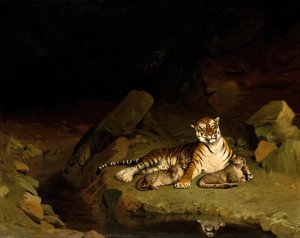
Voorvertoning
 Verstuur
 Delen
Delen
 Details bekijken
 Gids
Gids

 Download
 Vergelijkbare items
 Röntgenonderzoek
 Diavoorstelling
 Vraag & antwoord
 Statistieken
The Gray Cardinal


 Lees meer
Giclée / Kunstafdrukken
Giclée- of canvasafdruk van museumkwaliteit met een snelle productie en flexibele afwerkingsmogelijkheden. ( Bestel handgeschilderde reproductie Schakel over naar digitale afbeeldingen)




P118B €10

P118H €10

P118W €10

P438Z €10

P508JH €12

P508YH €12

P805H €10

P805Z €10

P919BZ €10

P919G €10

P919XJ €10

P959ZH €10

P968JZ €12

W106C €8

W218G €10

W218JH €8

W218Y €10

W307PJ €10

W316G €10

W316PJ €8

W316Y €10

W398PJ €8

W4111J €10

W500HY €15

W500JH €15

W692G €12

W849H €8

W940BG €15

W953PJ €8




Kies uit onze vooraf ingestelde maten die overeenkomen met de originele verhoudingen van het kunstwerk.

Voer de gewenste breedte en hoogte in, passend bij uw lijst of muur. Een afdruk kan alleen worden ingekort en nooit groter worden gemaakt dan het origineel; een formaat met andere verhoudingen zal daarom een deel van de afbeelding verliezen. Wij sturen u een digitaal mockup ter goedkeuring voordat we tot drukwerk overgaan. De afbeelding op deze pagina toont niet de werkelijke uitsnede — dit is alleen te zien op het mockup.
Wereldwijde levering () binnen 2 weken in plaats van de standaard 4/5 weken. (5 november)

Gratis wereldwijde expressverzending

Hoogwaardig linnen canvas

Volledige verzendverzekering

Garantie op terugbetaling van invoerrechten

Garantie op exacte kleurweergave

Retourbeleid van 100 dagen (alleen bij defecten)

100% Geld-terug-garantie

Korting bij meerdere afnames
 De optie voor glas is alleen beschikbaar bij een formaat kleiner dan 110 cm.

The Gray Cardinal
Giclée / Kunstafdrukken
Afmetingen reproductie
-


Eindtotaal
€ 72
A Portrait of Power and Dignity: Jean-Léon Gérôme’s “The Gray Cardinal”
Jean-Léon Gérôme stands as a titan amongst the painters of his era, an artist who achieved unparalleled renown for his ability to transform historical narratives into breathtaking visual spectacles. Born in Vesoul, France, in 1824, Gérôme's artistic trajectory was shaped by early instruction under Claude-Basile Cariage, fostering a dedication to meticulous observation and skillful execution that would characterize his entire oeuvre. His relocation to Paris at sixteen marked the commencement of a Parisian apprenticeship with Paul Delaroche, absorbing the influential lessons of a master renowned for monumental historical canvases—a formative experience undeniably crucial to Gérôme’s artistic development. Subsequently, he honed his craft at the École des Beaux-Arts, embracing the rigorous standards of classical training and solidifying his mastery of technique. Yet, it was Gérôme's refusal to adhere rigidly to convention that cemented his legacy as a singular visionary—a deliberate divergence from stylistic norms that yielded an extraordinary synthesis of realism and dramatic storytelling.- Subject Matter: The painting depicts a solemn gathering on the steps of a building, centered around a cardinal draped in black robes who commands respect through bowed postures.
- Style: Gérôme’s style exemplifies Academic Painting—characterized by idealized forms and meticulous detail aimed at conveying historical accuracy and moral significance.
Technique and Composition – A Symphony of Detail
Gérôme's mastery lay not merely in capturing a scene but in orchestrating it with breathtaking precision. Employing oil paints on canvas, he meticulously layered pigments to achieve an astonishing level of realism—a hallmark of his approach that distinguishes him from Impressionists who prioritized fleeting impressions over comprehensive representation. The composition itself is carefully constructed; the central figure dominates the frame, flanked by individuals dressed in opulent attire – a testament to the grandeur of the era. Notice the subtle gradations of light and shadow, skillfully manipulated to sculpt form and imbue the scene with palpable atmosphere. Furthermore, Gérôme’s attention to detail extends beyond the human figures; he incorporates meticulously rendered animals—two dogs positioned prominently near the center—and a horse stationed on the left side—each contributing to the overall sense of grandeur and formality.Historical Context – The Habsburg Court and Ritual Observance
“The Gray Cardinal,” completed in 1873, reflects the artistic sensibilities prevalent during the reign of Emperor Franz Joseph I of Austria—a period marked by unwavering loyalty to tradition and a fervent embrace of ceremonial grandeur. The painting commemorates a significant diplomatic event: the arrival of Cardinal Anton Hugenberg at Schönbrunn Palace, Vienna, representing the Papacy’s engagement in Habsburg politics. Gérôme's depiction captures not just the visual spectacle but also the profound symbolism inherent in the scene—the cardinal’s bowed posture signifies deference and piety, embodying the importance of religious authority within the political landscape. The meticulous rendering underscores the seriousness of the occasion and reinforces the painting’s overarching message of respect for established institutions.Symbolism – Dignity, Hierarchy, and Visual Narrative
Beyond its historical accuracy, “The Gray Cardinal” resonates with deeper symbolic meanings. The cardinal's black robe symbolizes power and solemn duty—a visual shorthand for ecclesiastical authority. The positioning of the figures emphasizes social hierarchy, reflecting the societal norms of Victorian Europe. Gérôme’s masterful storytelling elevates the painting beyond mere representation; it invites contemplation on themes of honor, reverence, and the enduring influence of tradition. He skillfully utilizes color palettes to convey mood – muted tones dominate the scene, reinforcing the solemn atmosphere and highlighting the importance of ritual observance.Emotional Impact – A Window into Victorian Values
Ultimately, “The Gray Cardinal” succeeds in transporting viewers back to a bygone era—a time defined by aristocratic sensibilities and unwavering faith. The painting evokes feelings of awe and respect for tradition, prompting reflection on the values that underpinned Victorian society. Gérôme’s meticulous technique and dramatic narrative combine to create an unforgettable experience—one that continues to captivate audiences today as a testament to his artistic genius and enduring legacy. It serves as a poignant reminder of the power of art to illuminate history and convey profound emotional truths.Veelgestelde vragen
Welk palet en welke emotie komen samen in "The Gray Cardinal"?
In "The Gray Cardinal" versterken Earthy kleuren een Melancholic gevoel.
Kan ik "The Gray Cardinal" door Jean-Léon Gérôme onder ander licht bekijken?
De röntgenweergave van "The Gray Cardinal" door Jean-Léon Gérôme is te vinden op de Röntgenanalyse-pagina van het kunstwerk: een interactieve verkenning van het beeld door middel van elf optische lagen.
Welk palet en welke hoofdkleur bepalen "The Gray Cardinal"?
De kleuridentiteit van "The Gray Cardinal" door Jean-Léon Gérôme: een Earthy palet, gedomineerd door Gray (#867f76).
Biografie kunstenaar
A Master of Narrative Detail: The Life and Art of Jean-Léon Gérôme
Jean-Léon Gérôme, een naam die synoniem staat voor de academische schilderkunst van 19e-eeuwse Frankrijk, was meer dan alleen een bekwame technicus; hij was een verteller die het publiek verbluffde met zorgvuldig uitgewerkte scènes vol drama en exotische betovering. Geboren in Vesoul in 1824, begon zijn artistieke reis onder de begeleiding van lokale kunstenaar Claude-Basile Cariage, waardoor de basis werd gelegd voor een carrière die hem uiteindelijk tot een van de meest gerespecteerde schilders van zijn tijd zou doen uitgroeien. Na zijn vertrek naar Parijs op zestienjarige leeftijd, begon hij aanvankelijk te studeren onder Paul Delaroche, een meester in historische schilderkunst, en later bezocht hij de École des Beaux-Arts, waar hij de principes van klassieke training op zich nam. Echter, Gérôme onderscheidde zich snel niet door simpelweg imitatie, maar door een innovatieve combinatie van naukeurige realisme en dramatische narratief – een combinatie die zijn unieke stijl zou definiëren. Zijn vroege succes met *The Cock Fight* in 1847 zorgde voor een enorme bekendheid, waardoor hij een prominente figuur werd binnen de Neo-Grec beweging, die streefde naar het herleven van klassieke thema’s met een nieuwe aandacht voor archeologische details.Van Historische Pracht tot Oriëntaalse Visioenen
Gérômes artistieke reikwijdte was buitengewoon breed. Hij behandelde historische onderwerpen met een bijna cinematografische flair, waardoor ze een gevoel van directheid en psychologisch diepgang kregen. Zijn grote muurschildering, *The Age of Augustus, the Birth of Christ*, bedoeld als een flatterende allegorie voor Napoleon III, toonde zijn vermogen om complexe composities en epische verhalen aan te pakken. Toch was het in zijn oriëntalistische schilderijen dat Gérôme de publieke verbeelding werkelijk wist te veroveren. Geïnspireerd door reizen naar Turkije, Egypte en Noord-Afrika, schilderde hij scènes van harems, bruisende markten en woestijnlandschappen met een exotisme dat zowel fascineerde als, bekeken door de ogen van het moderne tijdperk, soms problematische stereotypen weerspiegelde. Schilderijen zoals *Harem Women Feeding Pigeons in a Courtyard* werden enorm populair, waardoor Europese toeschouwers een glimp opvingen van een wereld die werd gezien als mysterieus en sensueel. Deze werken waren niet simpelweg kopieën van wat hij zag; het waren zorgvuldig geconstrueerde fantasieën, gebaseerd op observatie en verbeelding om boeiende visuele verhalen te creëren. Hij documenteerde de Oosterse wereld niet alleen, maar *creëerde* deze voor Westerse consumptie – een praktijk die later kritiek zou ontvangen, maar onmiskenbaar bijdroeg aan zijn brede aantrekkingskracht.Een Pedagoog en Invloedrijke Leraar
Naast zijn eigen artistieke productie oefende Gérôme aanzienlijke invloed uit als leraar op de École des Beaux-Arts. Zijn atelier werd een broedplaats voor toekomstige generaties kunstenaars, waar studenten uit heel Europa en Amerika zich verzamelden. Onder zijn meest opmerkelijke leerlingen bevinden zich Thomas Eakins, John Singer Sargent en Mary Cassatt – kunstenaars wiens fundamenten onmiskenbaar waren gevormd door Gérôme’s strenge training en nadruk op technische vaardigheid. Hij stuurde bij hen een toewijding aan uitwerking, compositie en het belang van het studeren vanuit het echt. Hoewel zijn conservatieve artistieke meningen soms botsten met de opkomende avant-garde bewegingen, was zijn impact op de ontwikkeling van de Amerikaanse kunst, in het bijzonder, aanzienlijk. Zijn studenten namen zijn principes mee terug naar Amerika, vestigden hun eigen ateliers en droegen zo aan het voortbestaan van de academische traditie.Een Complex Kunstenaars Erfgoed: Controversie en Betekenis
Jean-Léon Gérôme stierf in Parijs in 1904, achterlatend een uitgebreide oeuvre dat nog steeds discussie en debat oproept. Hoewel zijn technische meesterschap onbetwistbaar is, blijft zijn artistieke nalatenschap complex. Zijn nauwkeurige realisme, ooit gevierd als het hoogtepunt van academische prestaties, werd door sommigen gezien als verstikkend en te veel gericht op oppervlakkigheid. De oriëntalistische schilderijen, hoewel visueel verbluffend, zijn bekritiseerd voor hun exotiserende blik en de perpetuatie van koloniale stereotypen. Het is echter cruciaal om Gérôme in zijn historische context te plaatsen. Hij was een product van zijn tijd, die het heersende attitudes en interesses van de 19e-eeuwse Europese samenleving weerspiegelde. Zijn werk biedt waardevolle inzichten in de culturele angsten en fantasieën van die tijd, zelfs als het ons uitdaagt om zijn onderliggende aannames kritisch te beoordelen. Vandaag de dag worden Gérôme’s schilderijen bewonderd niet alleen voor hun technische briljantie, maar ook voor hun vermogen om kijkers te vervoeren naar een andere tijd en plaats, waardoor ze ons uitnodigen om na te denken over de complexiteit van geschiedenis, cultuur en representatie.Belangrijke Momenten in een Opmerkelijk Carrière
- 1824: Geboren in Vesoul, Frankrijk.
- 1840: Verplaatst naar Parijs om te studeren onder Paul Delaroche.
- 1847: Bereikt vroege erkenning met *The Cock Fight* op de Parijse Salon.
- 1852-1854: Ontvangt een opdracht voor *The Age of Augustus, the Birth of Christ* en reist naar Constantinopel, Griekenland en Turkije.
- Late Carrière: Overgaat in beeldhouwen, waarbij hij polychrome werken creëerde geïnspireerd door de klassieke oudheid.
- 1904: Sterft in Parijs, achterlatend een aanzienlijk artistiek erfgoed.

Jean-Léon Gérôme
1824 - 1904 , Frankrijk
Belangrijkste feiten
- Artistic Movement Or Style: Neogriek, Academisme
- Artists Or Movements Influenced By This Artist: ['Impressionisme']
- Artists Who Influenced This Artist: ['Paul Delaroche']
- Date Of Birth: 11 mei 1824
- Date Of Death: 10 januari 1904
- Full Name: Jean-Léon Gérôme
- Nationality: Frans
- Notable Artworks:
- Cock Fight
- Pollice Verso
- Place Of Birth: Vesoul, Frankrijk
Gerelateerde artikelen

The Enduring Legacy of Formal Portraiture: Power, Identity & Artistic Exploration
Explore the rich history of formal portraiture & its enduring power to capture identity and shape perception. Discover investment-worthy artworks, expert appraisals, and custom reproduction services at OriginalUniqueArt.
Top 10 Meesterwerken van het Academisch Realisme | OriginalUniqueArt
Ontdek de 10 meesterwerken van het Academisch Realisme! Van David tot Bouguereau, leer over iconische schilderijen en hun tijdloze schoonheid. Vind museumkwaliteit reproducties & decoratie-inspiratie op OriginalUniqueArt.com.

Jean-Léon Gérôme: Academic Rigor & Orientalist Visions Shaping 19th-Century French Painting
Explore the captivating world of Jean-Léon Gérôme, a master of 19th-century academic painting & orientalism. Discover his historical works, artistic techniques, and lasting influence on art history.

Léon Bonnat: Realism, Academic Mastery & the Depths of Portraiture
Explore the life & work of Léon Bonnat, a leading French Realist painter renowned for his masterful portraits and Spanish Baroque influence. Discover his academic legacy & pursuit of psychological depth in 19th-century art.
Academic Portraiture: Tradition, Technique & the Evolution of Representational Art
Explore the rich history & masterful techniques of academic portraiture. Discover iconic artists, learn about collecting, and commission a bespoke oil painting reproduction with OriginalUniqueArt.