

 Voorvertoning
 Verstuur
 Delen
Delen
 Details bekijken
 Gids
Gids

 Download
 Vergelijkbare items
 Röntgenonderzoek
 Diavoorstelling
 Statistieken
Study (Fanciful Figure)
 Oil On Canvas
- WallArt
- Rococo Style
 1769
1769- 19th Century
 82.0 x 66.0 cm
 Louvre
 Lees meer
Giclée / Kunstafdrukken
Giclée- of canvasafdruk van museumkwaliteit met een snelle productie en flexibele afwerkingsmogelijkheden. ( Bestel handgeschilderde reproductie Schakel over naar digitale afbeeldingen)




P118B €10

P118H €10

P118W €10

P438Z €10

P508JH €12

P508YH €12

P805H €10

P805Z €10

P919BZ €10

P919G €10

P919XJ €10

P959ZH €10

P968JZ €12

W106C €8

W218G €10

W218JH €8

W218Y €10

W307PJ €10

W316G €10

W316PJ €8

W316Y €10

W398PJ €8

W4111J €10

W500HY €15

W500JH €15

W692G €12

W849H €8

W940BG €15

W953PJ €8




Kies uit onze vooraf ingestelde maten die overeenkomen met de originele verhoudingen van het kunstwerk.

Voer de gewenste breedte en hoogte in, passend bij uw lijst of muur. Een afdruk kan alleen worden ingekort en nooit groter worden gemaakt dan het origineel; een formaat met andere verhoudingen zal daarom een deel van de afbeelding verliezen. Wij sturen u een digitaal mockup ter goedkeuring voordat we tot drukwerk overgaan. De afbeelding op deze pagina toont niet de werkelijke uitsnede — dit is alleen te zien op het mockup.
Wereldwijde levering () binnen 2 weken in plaats van de standaard 4/5 weken. (28 oktober)

Gratis wereldwijde expressverzending

Hoogwaardig linnen canvas

Volledige verzendverzekering

Garantie op terugbetaling van invoerrechten

Garantie op exacte kleurweergave

Retourbeleid van 100 dagen (alleen bij defecten)

100% Geld-terug-garantie

Korting bij meerdere afnames
 De optie voor glas is alleen beschikbaar bij een formaat kleiner dan 110 cm.

Study (Fanciful Figure)
Giclée / Kunstafdrukken
Afmetingen reproductie
-


Eindtotaal
€ 71
Jean-Honoré Fragonard’s *Study (Fanciful Figure)* – A Moment of Playful Grace
Captured in 1769, Jean-Honoré Fragonard's *Study (Fanciful Figure)* offers a captivating glimpse into the Rococo world, a realm defined by its exquisite charm and playful sensibility. This intimate portrait depicts a woman absorbed in the act of reading, a scene brimming with relaxed elegance and an undeniable sense of leisure. Measuring 82 x 66 cm, the painting’s scale invites viewers to step closer, drawn into the quiet moment captured within.
The subject, a young woman with flowing blonde hair, is rendered in Fragonard's signature style – characterized by soft brushstrokes, luminous colors, and an emphasis on graceful forms. She wears a vibrant yellow dress, a color frequently associated with joy and optimism during the period, further enhancing the painting’s cheerful mood. The details are meticulously observed: the slight curve of her smile, the delicate folds of her gown, and the scattered books that surround her, suggesting both intellectual pursuit and a comfortable domestic setting.
A Masterclass in Rococo Technique
Fragonard's technique is immediately recognizable. He employs a loose, almost impressionistic approach to color and form, prioritizing atmosphere and feeling over strict realism. Notice the subtle gradations of light and shadow, creating a sense of depth and volume within the figure. The use of pastel hues – particularly in the woman’s dress and hair – contributes significantly to the painting's ethereal quality. The artist skillfully utilizes glazing techniques, layering thin washes of color to build up richness and luminosity, a hallmark of his style.
The composition itself is deceptively simple, yet expertly balanced. The placement of the books—some foreground, some receding—creates a sense of spatial depth, while the chair provides a grounding element within the scene. This careful attention to detail reflects Fragonard’s training under François Boucher, who instilled in him a profound understanding of classical composition and decorative principles.
Symbolism and Context – A Window into 18th-Century Life
*Study (Fanciful Figure)* was created during a pivotal moment in Fragonard's career. Following his success at the Prix de Rome, he transitioned from painting grand historical scenes to exploring more intimate subjects—often depicting aristocratic leisure and flirtation. This work exemplifies this shift, offering a glimpse into the refined lifestyle of the French upper class.
The act of reading itself held symbolic significance during the 18th century, representing education, refinement, and intellectual engagement. The woman’s serene expression suggests contentment and an appreciation for knowledge. Furthermore, the presence of books subtly alludes to the burgeoning interest in Enlightenment ideas that were beginning to shape European thought.
Emotional Impact and Artistic Legacy
Ultimately, *Study (Fanciful Figure)* is a testament to Fragonard’s ability to capture fleeting moments of beauty and grace. The painting evokes a sense of tranquility, inviting the viewer to share in the woman's peaceful contemplation. It remains a quintessential example of Rococo art – a celebration of pleasure, elegance, and the joys of simple pursuits. This exquisite reproduction offers an unparalleled opportunity to own a piece of Fragonard’s genius, bringing a touch of timeless charm into any setting.
Veelgestelde vragen
Waar kan ik een gids vinden voor "Study (Fanciful Figure)"?
De gids voor "Study (Fanciful Figure)" is de Informatieblad-pagina van het kunstwerk – een printbaar informatieblad waarop het kunstwerk wordt getoond met het bijschrift, de bronvermelding en de identificatietabel (kunstenaar, data, medium, originele afmetingen, collectie).
Welke kunstenaar en welke stijl staan achter "Study (Fanciful Figure)"?
"Study (Fanciful Figure)" is het werk van Jean-Honoré Fragonard en behoort tot de Rococo Style-stroming.
In welke ruimte in huis past een reproductie van "Study (Fanciful Figure)" goed?
De aanbevolen ruimte voor "Study (Fanciful Figure)" door Jean-Honoré Fragonard is een Living Room. Dit advies kan uiteraard worden aangepast aan uw interieur.
Biografie kunstenaar
Jean-Honoré Fragonard: A Dance of Light and Desire
Jean-Honoré Fragonard’s life unfolded amidst the fragrant fields of Grasse, France, in 1732 – a place inextricably linked to the very essence of his art. His early years were marked by a quiet relocation with his family to Paris, a city that would become the crucible for his artistic development. Initially guided by Jean Siméon Chardin, a master renowned for capturing the subtle beauty of everyday life and the nuances of observation, Fragonard’s path soon intersected with François Boucher, the celebrated painter who served as courtier to Louis XV. It was within Boucher's atelier that the foundations of his distinctive style were firmly laid – a style characterized by graceful forms, delicate colors, and an undeniable sense of playful spirit. The prestigious Prix de Rome in 1752 proved to be a pivotal moment, granting him access to the classical world of Italy for several years. This period wasn’t merely a pilgrimage to ancient masters; it was a transformative awakening – a chance to absorb the vibrancy and sensual allure that would later infuse his own unique artistic vision.The Rococo Master: A Celebration of Pleasure and Intrigue
Upon returning to Paris, Fragonard swiftly established himself as a leading figure in the burgeoning Rococo movement. This wasn’t simply an adoption of a style; it was an embodiment of a complete worldview – one that celebrated pleasure, intimacy, and the fleeting beauty of life. His paintings weren't intended for grand public display but rather for the private salons of aristocrats seeking works that whispered secrets and hinted at hidden desires. *The Swing*, perhaps his most iconic creation, perfectly encapsulates this spirit. The scene unfolds with a young woman playfully kicking off her shoe as a bishop pushes her swing, while a hidden lover gazes up from below – a masterful blend of mischievous energy and veiled eroticism. Other works such as *The Bolt* and *Love Vow* continue this exploration of clandestine encounters and the delicate dance between attraction and restraint. Fragonard didn’t merely depict scenes of love; he created an atmosphere, a mood – one that was both alluring and slightly dangerous. His brushwork became increasingly fluid and spontaneous, capturing not just appearances but also the very essence of fleeting moments. He skillfully employed light and color to evoke emotions and create a sense of immediacy, drawing viewers into his intimate narratives.Beyond the Salon: Experimentation and Evolving Styles
While Fragonard achieved considerable success within the established art world, he wasn’t one to remain confined by its conventions. He demonstrated a remarkable versatility throughout his career, experimenting with different genres and techniques. His early attempts at history painting, though initially praised, didn't fully satisfy him; he found greater freedom in exploring more intimate and personal subjects. A brief flirtation with Neoclassicism – evident in portraits like that of Denis Diderot – showcased his willingness to engage with contemporary artistic trends, but it was the Rococo sensibility that ultimately defined his legacy. He also excelled as a draftsman, producing countless sketches and drawings that reveal his masterful command of line and form. These weren’t merely preparatory studies; they were often works of art in their own right, capturing fleeting impressions and intimate moments with remarkable sensitivity. His red chalk drawings, particularly those depicting young women, are celebrated for their delicate detail and expressive quality.Influences and Legacy
Fragonard's artistic journey was profoundly shaped by a confluence of influences. The meticulous observation of Jean Siméon Chardin instilled in him an appreciation for the subtleties of everyday life, while François Boucher’s mastery of color and composition provided a foundation for his own distinctive style. The Italian masters – particularly Rubens, whose dynamic brushwork and sensual depictions of figures deeply resonated with Fragonard – served as constant inspiration. Furthermore, he was influenced by the works of other Rococo artists such as Jean-Antoine Watteau and Antoine Coysevain. However, Fragonard’s genius lay in his ability to synthesize these influences into a uniquely personal vision, creating paintings that were both elegant and playful, intimate and alluring. His legacy extends far beyond his own lifetime, influencing generations of artists who followed in his footsteps. His emphasis on color, light, and sensuality paved the way for Impressionism, while his rejection of academic constraints inspired a more liberated approach to artmaking.Notable Works & Collections
- The Swing (L'Escarpolette): Wallace Collection, London – A quintessential example of Rococo exuberance.
- The Bolt: View on OriginalUniqueArt - A captivating scene of domestic intrigue and playful tension.
- Love Vow: Discover more about Fragonard’s works on OriginalUniqueArt – A tender depiction of romantic commitment.
- Young Girl Reading: Featured in artworks databases, showcasing his mastery of portraiture and light.
- Works are also prominently displayed at the Musée du Louvre, Grasse Cathedral, The Metropolitan Museum of Art, and The Frick Collection.

Jean-Honoré Fragonard
1732 - 1806 , Frankrijk
Belangrijkste feiten
- Artistic Movement Or Style: Rococò
- Artists Or Movements Influenced By This Artist: ['Neoclassicisme']
- Artists Who Influenced This Artist:
- Chardin
- Boucher
- Date Of Birth: 5 april 1732
- Date Of Death: 22 augustus 1806
- Full Name: Jean-Honoré Fragonard
- Nationality: Frans
- Notable Artworks:
- De schommel
- De Bolt
- Liefde belofte
- Place Of Birth: Grasse, Frankrijk
Gerelateerde artikelen

Top 10 Rococo Meesterwerken: Kunstgeschiedenis voor uw Interieur | OriginalUniqueArt.com
Ontdek de 10 meest iconische Rococo meesterwerken! Duik in de wereld van Fragonard, Boucher & Watteau. Leer over lieflijkheid, pastelkleuren en aristocratie. Museumkwaliteit kunst reproducties op OriginalUniqueArt.com.

The Rococo Aesthetic: Opulence, Rebellion & the Pursuit of Pleasure in 18th-Century Art
Explore the opulent world of Rococo art! Discover its origins, key artists like Watteau & Boucher, and lasting influence on design. Expert insights for collectors & enthusiasts.
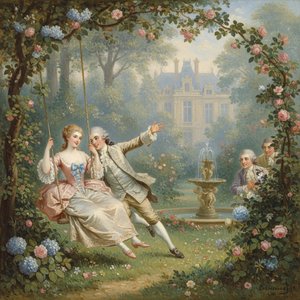
The Rococo Reverie of Fragonard: Love, Leisure & Pleasure in 18th-Century France
Explore the captivating world of Jean-Honoré Fragonard! Discover his Rococo masterpieces, intimate portraits & the allure of 18th-century French art. Learn about 'The Progress of Love' and more at OriginalUniqueArt.
Top 10 Meesterwerken Gedomineerd door 'Chrome Geel': Kunst voor uw Interieur
Ontdek de top 10 beroemde schilderijen gedomineerd door 'Chrome Geel'! Van Gogh, Monet en meer. Leer over kunststijlen & technieken. Museumkwaliteit reproducties voor uw interieur op OriginalUniqueArt.com
Top 10 Meesterwerken Gedomineerd door Okergeel: Kunst voor uw Interieur
Ontdek de top 10 beroemde schilderijen gedomineerd door okergeel! Van Gogh, Rembrandt & Vermeer – leer hun verhaal en bewonder warme kleuren in kunst. Vind museumkwaliteit reproducties voor uw interieur op OriginalUniqueArt.com.


