

 Voorvertoning
 Verstuur
 Delen
Delen
 Details bekijken

 Download
 Vergelijkbare items
 Röntgenonderzoek
 Diavoorstelling
Blindman's Buff
 Oil On Canvas
- WallArt
- Rococo
 1775
1775- Early Modern
 216.0 x 198.0 cm
 National Gallery of Art
 Lees meer
Handgemaakte olieverfreproductie
Met de hand geschilderd in olieverf op canvas in uw gewenste maat en lijst, op bestelling gemaakt door onze kunstenaars. ( Bestel print Koop afbeelding)




P118B $10

P118H $10

P118W $10

P438Z $10

P508JH $12

P508YH $12

P805H $10

P805Z $10

P919BZ $10

P919G $10

P919XJ $10

P959ZH $10

P968JZ $12

W106C $8

W218G $10

W218JH $8

W218Y $10

W307PJ $10

W316G $10

W316PJ $8

W316Y $10

W398PJ $8

W4111J $10

W500HY $15

W500JH $15

W692G $12

W849H $8

W940BG $15

W953PJ $8




Kies uit onze vooraf ingestelde maten die overeenkomen met de originele verhoudingen van het kunstwerk.

U kunt uw eigen afmetingen invoeren om in een specifieke lijst of ruimte te passen. Als de door u gekozen maat niet overeenkomt met de verhoudingen van het originele beeld, zullen we het kunstwerk bijsnijden of het schilderij uitbreiden met extra handgeschilderde elementen. Een digitale mockup wordt ter goedkeuring naar u verzonden voordat de productie begint.
Houd er rekening mee dat de preview op het scherm niet de werkelijke uitsnede of uitbreiding weergeeft. Alleen de mockup toont de uiteindelijke compositie nauwkeurig.
Hoewel aangepaste afmetingen mogelijk zijn, raden we aan een maat uit de vooraf gedefinieerde lijst te selecteren om de originele verhoudingen te behouden.
Na de bestelling zal het team van OriginalUniqueArt.com per e-mail contact opnemen met de klant voor instructies en een mockup-voorbeeld sturen.
Wereldwijde levering () binnen 3 tot 4 weken in plaats van de standaard 5 weken. (6 september). Zonder concessies aan de kwaliteit.

Gratis wereldwijde expressverzending

Hoogwaardig linnen canvas

Volledige verzendverzekering

Garantie op terugbetaling van invoerrechten

Garantie op exacte kleurweergave

Retourbeleid van 100 dagen (alleen bij defecten)

100% Geld-terug-garantie

Korting bij meerdere afnames
 De optie voor glas is alleen beschikbaar bij een formaat kleiner dan 110 cm.

Blindman's Buff
Druktechniek
Afmetingen reproductie
-


Eindtotaal
$ 300
A Symphony of Joy in the Rococo Garden
In the luminous masterpiece Blindman’s Buff, Jean-Honoré Fragonard invites us into a world where the boundaries between reality and a dreamlike pastoral fantasy dissolve. Completed around 1775, this monumental canvas transcends mere depiction to embody the very spirit of Rococo artistry—a celebration of sensuality, frivolity, and the fleeting beauty of youth. As we gaze upon this idyllic garden scene, we are transported to the height of Louis XV’s reign, witnessing a quintessential social pastime that offered the aristocracy a glimpse into an era of unparalleled leisure. The painting's palette is a masterclass in airy optimism, dominated by soft pastel hues of pink, peach, and lemon yellow that seem to shimmer with an inner light, establishing an atmosphere of carefree enjoyment and effortless grace.
The composition itself is a deliberate dance of movement and light. Fragonard employs an asymmetrical arrangement that guides the viewer’s eye across the lush, verdant landscape, creating a sense of spontaneity as if we have stumbled upon a private moment of delight. Within this manicured sanctuary, elegantly dressed figures are scattered strategically throughout the greenery; some linger in the foreground while others recede into the soft-focus distance, adding depth to the social tapestry. A tranquil fountain rests towards the left, providing a serene counterpoint to the energetic playfulness of the men engaged in the game. This juxtaposition of stillness and motion creates a rhythmic vitality that is central to the painting's emotional pull.
Technique and the Language of Light
To behold Blindman’s Buff is to witness the technical brilliance Fragonard perfected during his time in the atelier of François Boucher. His technique is characterized by a remarkable facility and an exuberant use of oil paint on canvas. He utilizes loose, fluid brushstrokes and shimmering glazes to achieve an ethereal effect, layering translucent colors to create a sense of profound luminosity. This meticulous attention to detail allows the light to appear as though it is filtering through leaves and reflecting off silk garments, imbuing the scene with a tactile richness. For the discerning collector or interior designer, this technique offers a captivating texture that brings a sense of life and movement to any space, making a high-quality reproduction feel like a window into another century.
Beyond the mere physical beauty of the paint, the artwork is rich with symbolic resonance. Scattered amongst the blooming blossoms, several birds flutter through the air—a recurring motif in Fragonard’s oeuvre that serves as a poignant symbol of liberty, joy, and the eternal renewal of nature. The game of Blindman’s Buff itself acts as a metaphor for the veiled eroticism and playful uncertainty often found in Rococo genre paintings. It captures a moment of "joie de vivre," where the pursuit of pleasure is both a social ritual and a spiritual release from the rigid formalities of the era.
An Eternal Legacy of Elegance
Historically, this work serves as a profound reflection of the aristocratic culture of 18th-century France. During this period, elaborate gardens and sophisticated social gatherings were essential expressions of status, refinement, and the pursuit of aesthetic perfection. Fragonard captures the very soul of the Ancien Régime—a world of whispered elegance in private salons and sun-drenched afternoons in manicured parks. For those seeking to infuse their surroundings with a sense of historical grandeur and romantic charm, this painting offers an incomparable source of inspiration.
Whether adorning a grand gallery or serving as a focal point in a contemporary living space, Blindman’s Buff continues to resonate with its themes of intimacy and enchantment. It remains a timeless testament to the ability of art to capture the ephemeral nature of happiness, offering a permanent sanctuary of light and laughter for all who behold it.
Biografie van de kunstenaar
Jean-Honoré Fragonard: A Dance of Light and Desire
Jean-Honoré Fragonard’s life unfolded amidst the fragrant fields of Grasse, France, in 1732 – a place inextricably linked to the very essence of his art. His early years were marked by a quiet relocation with his family to Paris, a city that would become the crucible for his artistic development. Initially guided by Jean Siméon Chardin, a master renowned for capturing the subtle beauty of everyday life and the nuances of observation, Fragonard’s path soon intersected with François Boucher, the celebrated painter who served as courtier to Louis XV. It was within Boucher's atelier that the foundations of his distinctive style were firmly laid – a style characterized by graceful forms, delicate colors, and an undeniable sense of playful spirit. The prestigious Prix de Rome in 1752 proved to be a pivotal moment, granting him access to the classical world of Italy for several years. This period wasn’t merely a pilgrimage to ancient masters; it was a transformative awakening – a chance to absorb the vibrancy and sensual allure that would later infuse his own unique artistic vision.The Rococo Master: A Celebration of Pleasure and Intrigue
Upon returning to Paris, Fragonard swiftly established himself as a leading figure in the burgeoning Rococo movement. This wasn’t simply an adoption of a style; it was an embodiment of a complete worldview – one that celebrated pleasure, intimacy, and the fleeting beauty of life. His paintings weren't intended for grand public display but rather for the private salons of aristocrats seeking works that whispered secrets and hinted at hidden desires. *The Swing*, perhaps his most iconic creation, perfectly encapsulates this spirit. The scene unfolds with a young woman playfully kicking off her shoe as a bishop pushes her swing, while a hidden lover gazes up from below – a masterful blend of mischievous energy and veiled eroticism. Other works such as *The Bolt* and *Love Vow* continue this exploration of clandestine encounters and the delicate dance between attraction and restraint. Fragonard didn’t merely depict scenes of love; he created an atmosphere, a mood – one that was both alluring and slightly dangerous. His brushwork became increasingly fluid and spontaneous, capturing not just appearances but also the very essence of fleeting moments. He skillfully employed light and color to evoke emotions and create a sense of immediacy, drawing viewers into his intimate narratives.Beyond the Salon: Experimentation and Evolving Styles
While Fragonard achieved considerable success within the established art world, he wasn’t one to remain confined by its conventions. He demonstrated a remarkable versatility throughout his career, experimenting with different genres and techniques. His early attempts at history painting, though initially praised, didn't fully satisfy him; he found greater freedom in exploring more intimate and personal subjects. A brief flirtation with Neoclassicism – evident in portraits like that of Denis Diderot – showcased his willingness to engage with contemporary artistic trends, but it was the Rococo sensibility that ultimately defined his legacy. He also excelled as a draftsman, producing countless sketches and drawings that reveal his masterful command of line and form. These weren’t merely preparatory studies; they were often works of art in their own right, capturing fleeting impressions and intimate moments with remarkable sensitivity. His red chalk drawings, particularly those depicting young women, are celebrated for their delicate detail and expressive quality.Influences and Legacy
Fragonard's artistic journey was profoundly shaped by a confluence of influences. The meticulous observation of Jean Siméon Chardin instilled in him an appreciation for the subtleties of everyday life, while François Boucher’s mastery of color and composition provided a foundation for his own distinctive style. The Italian masters – particularly Rubens, whose dynamic brushwork and sensual depictions of figures deeply resonated with Fragonard – served as constant inspiration. Furthermore, he was influenced by the works of other Rococo artists such as Jean-Antoine Watteau and Antoine Coysevain. However, Fragonard’s genius lay in his ability to synthesize these influences into a uniquely personal vision, creating paintings that were both elegant and playful, intimate and alluring. His legacy extends far beyond his own lifetime, influencing generations of artists who followed in his footsteps. His emphasis on color, light, and sensuality paved the way for Impressionism, while his rejection of academic constraints inspired a more liberated approach to artmaking.Notable Works & Collections
- The Swing (L'Escarpolette): Wallace Collection, London – A quintessential example of Rococo exuberance.
- The Bolt: View on OriginalUniqueArt - A captivating scene of domestic intrigue and playful tension.
- Love Vow: Discover more about Fragonard’s works on OriginalUniqueArt – A tender depiction of romantic commitment.
- Young Girl Reading: Featured in artworks databases, showcasing his mastery of portraiture and light.
- Works are also prominently displayed at the Musée du Louvre, Grasse Cathedral, The Metropolitan Museum of Art, and The Frick Collection.

Jean-Honoré Fragonard
1732 - 1806 , Frankrijk
Belangrijkste feiten
- Artistic Movement Or Style: Rococò
- Artists Or Movements Influenced By This Artist: ['Neoclassicisme']
- Artists Who Influenced This Artist:
- Chardin
- Boucher
- Date Of Birth: 5 april 1732
- Date Of Death: 22 augustus 1806
- Full Name: Jean-Honoré Fragonard
- Nationality: Frans
- Notable Artworks:
- De schommel
- De Bolt
- Liefde belofte
- Place Of Birth: Grasse, Frankrijk
Gerelateerde artikelen

Top 10 Rococo Meesterwerken: Kunstgeschiedenis voor uw Interieur | OriginalUniqueArt.com
Ontdek de 10 meest iconische Rococo meesterwerken! Duik in de wereld van Fragonard, Boucher & Watteau. Leer over lieflijkheid, pastelkleuren en aristocratie. Museumkwaliteit kunst reproducties op OriginalUniqueArt.com.

The Elegance of Rococo: A Journey Through Pastel Dreams and Ornate Splendor
Embark on an elegant journey through the Rococo era. Discover the delicate beauty of pastel masterpieces, the intricate artistry of 18th-century French masters, and how this era of ornate splendor continues to inspire timeless luxury in fine art collecting.

The Rococo Aesthetic: Opulence, Rebellion & the Pursuit of Pleasure in 18th-Century Art
Explore the opulent world of Rococo art! Discover its origins, key artists like Watteau & Boucher, and lasting influence on design. Expert insights for collectors & enthusiasts.
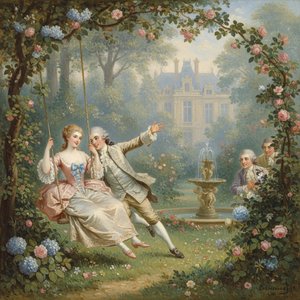
The Rococo Reverie of Fragonard: Love, Leisure & Pleasure in 18th-Century France
Explore the captivating world of Jean-Honoré Fragonard! Discover his Rococo masterpieces, intimate portraits & the allure of 18th-century French art. Learn about 'The Progress of Love' and more at OriginalUniqueArt.
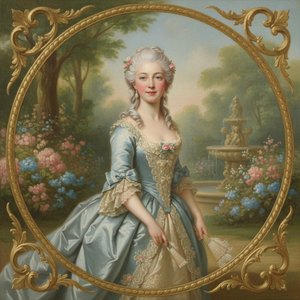
The Elegance of Rococo Portraiture: A Journey Through Grace, Soft Light, and Pastel Dreams
Discover the exquisite world of Rococo portraiture. Explore the delicate beauty of 18th-century French art, from pastel light to graceful asymmetry, and learn how to bring this era of elegance into your home through masterfully hand-painted oil reproductions.


