

 Verstuur
 Delen
Delen
 Details bekijken
 Gids
Gids

 Download
 Vergelijkbare items
 Diavoorstelling
 Q&A
Q&A Statistieken
War and Peace


 Lees meer
Giclée / Kunstafdrukken
Giclée- of canvasafdruk van museumkwaliteit met een snelle productie en flexibele afwerkingsmogelijkheden. ( Bestel handgeschilderde reproductie Schakel over naar digitale afbeeldingen)




































Kies uit onze vooraf ingestelde maten die overeenkomen met de originele verhoudingen van het kunstwerk.

Voer de gewenste breedte en hoogte in, passend bij uw lijst of muur. Een afdruk kan alleen worden ingekort en nooit groter worden gemaakt dan het origineel; een formaat met andere verhoudingen zal daarom een deel van de afbeelding verliezen. Wij sturen u een digitaal mockup ter goedkeuring voordat we tot drukwerk overgaan. De afbeelding op deze pagina toont niet de werkelijke uitsnede — dit is alleen te zien op het mockup.
Wereldwijde levering () binnen 2 weken in plaats van de standaard 4/5 weken. (28 oktober)

Gratis wereldwijde expressverzending

Hoogwaardig linnen canvas

Volledige verzendverzekering

Garantie op terugbetaling van invoerrechten

Garantie op exacte kleurweergave

Retourbeleid van 100 dagen (alleen bij defecten)

100% Geld-terug-garantie

Korting bij meerdere afnames
 De optie voor glas is alleen beschikbaar bij een formaat kleiner dan 110 cm.

War and Peace
Giclée / Kunstafdrukken
Afmetingen reproductie
-


Eindtotaal
€ 71
A Symphony of Stone and Serenity
In the heart of the French Renaissance, few names resonate with as much grace and structural mastery as Jean Goujon. His work, epitomized by the profound themes found in War and Peace, serves as a breathtaking bridge between the rigid classical ideals of antiquity and the expressive, fluid energy of Mannerism. To behold this piece is to witness a delicate dance of stone, where the heavy permanence of marble or limestone is transformed into something that feels almost ethereal. Goujon, a sculptor who breathed life into the very bones of French architecture, possessed an uncanny ability to imbende his subjects with a sense of rhythmic movement, making the inanimate appear as though it were caught in a moment of divine breath.
The composition is a masterclass in balance and architectural harmony. Much like the grand facades of the Louvre that he so famously adorned, this work utilizes a sophisticated interplay of verticality and soft, circular motifs. The eye is naturally drawn to the central focal point, where ornate carvings and classical columns frame a sense of profound stillness. There is a deliberate symmetry at play here, evoking a feeling of stability and eternal order—a hallmark of the Renaissance spirit. Yet, beneath this structured surface lies a subtle tension; the way the light catches the undulating drapery and the intricate relief work suggests a world in motion, reflecting the complex duality of its title.
The Mastery of Mannerist Elegance
Technically, Goujon’s brilliance lies in his unparalleled command over texture and form. He was a sculptor who understood that true beauty resides in the details—the way a fold of fabric clings to an anatomical curve, or how a shallow relief can create the illusion of deep, atmospheric space. His technique draws heavily from the grandeur of Roman sculpture, yet he avoids mere imitation. Instead, he introduces a Mannerist elegance characterized by elongated figures and a sensual fluidity that was revolutionary for his time. The surfaces of the work transition seamlessly from smooth, polished planes to rugged, deeply carved ornamentation, creating a tactile experience that invites the viewer to reach out and touch the history embedded within the stone.
For the discerning collector or interior designer, this piece offers more than just visual splendor; it offers an atmosphere. The monochromatic, grayscale essence of the work lends it a timeless, antique quality that transcends fleeting trends. It possesses a quiet authority that can anchor a room, providing a sense of historical depth and intellectual sophistication. Whether placed in a sunlit gallery or a moody, library-inspired study, the interplay of light and shadow across its classical features creates a dynamic presence that evolves throughout the day.
A Legacy of Symbolism and Emotion
Beyond the technical prowess, War and Peace carries a profound emotional weight. The work captures the zeitgeist of a period marked by both monumental progress and turbulent social shifts. The contrast between the strength of the architectural elements and the delicate, flowing ornamentation serves as a metaphor for the human condition—the struggle to find harmony amidst chaos. There is an inherent nobility in the piece, a sense of permanence that speaks to the enduring nature of peace and the heavy cost of conflict.
Owning a high-quality reproduction of such a masterpiece allows one to bring this fragment of French history into the modern home. It is an invitation to contemplate the beauty of order and the elegance of motion. For those who seek to surround themselves with art that inspires reflection, provides structural grace, and embodies the pinnacle of Renaissance craftsmanship, Goujon’s vision remains an incomparable source of inspiration.
Veelgestelde vragen
Voor wie is "War and Peace" door Jean Goujon een aanbevolen cadeau?
Als cadeau wordt "War and Peace" door Jean Goujon aanbevolen voor Anniversary. Het is ook zeer geschikt voor andere gelegenheden.
Tot welke stijl behoort "War and Peace"?
"War and Peace" is een werk uit de French Renaissance. De stroming geeft de artistieke traditie aan waartoe het werk behoort.
Voor welke ruimte en welk gebruik wordt "War and Peace" aanbevolen?
"War and Peace" door Jean Goujon wordt aanbevolen voor Accent, bij voorkeur in een Living Room. Gebruik en ruimte bepalen samen waar een reproductie het beste tot zijn recht komt.
Biografie kunstenaar
De Beeldhouwer die de Parijse Elegantie Vormgaf
Jean Goujon (ca. 1510 – ca. 1567) staat te boek als een hoeksteen van de Franse renaissance-sculptuur en -architectuur, waarbij hij de stilistische passie van het maniërisme belichaamde en tegelijkertijd diep geworteld bleef in klassieke idealen. Geboren in Normandië, blijft zijn vroege leven gehuld in mysterie, maar zijn enorme productie vestigde hem al snel als een van de belangrijkste artistieke stemmen van zijn tijd—een getuigenis van zijn prodigieuze talent en onwankelbare toewijding aan zijn ambacht. De reis van Goujon begon met vormende ervaringen in Italië, waar hij de grandeur van de Romeinse beeldhouwkunst in zich opnam en de principes ervan integreerde in zijn eigen, unieke stijl. Deze invloed is voelbaar door zijn gehele oeuvre, wat vooral zichtbaar is in zijn meesterlijke behandeling van draperieën en zijn anatomische precisie.
Zijn artistieke opmars begon in de Kathedraal van Rouen (1541-42), waar hij de monumentale taak op zich nam om het grafmonument voor Louis de Brézé, seigneur d'Anet, te beeldhouwen—een opdracht die zijn ontluikende vaardigheid en ambitie ten toon legde. Dit ambitieuze project bezegelde zijn reputatie als een opkomende ster binnen het Franse sculpturale landschap. Tegelijkertief verfijnde hij zijn architecturale kunde bij de Saint-Maclou Kerk, waarmee hij een aangeboren vermogen toonde om artistieke visie te versmelten met structurele techniek. Het resulterende bouwwerk staat als een prachtig voorbeeld van renaissance-kerkelijk architectuur, een weerspiegeling van Goujons toewijding aan zowel esthetische schoonheid als functionele integriteit.
Een Partnerschap van Visionaire Grandeur
Na zijn verhuizing naar Parijs in 1544 ging Goujon een cruciale samenwerking aan met Pierre Lescot, de architect die toezicht hield op de ambitieuze reconstructie van de Saint-Germain-l'Auxerrois kathedraal. Samen ontwierpen en realiseerden zij adembenemende sculpturale decoraties—met name de kansel—een meesterwerk dat de neoclassicistische gevoeligheden van Lescot en Goujons meesterlijke techniek in draperieën perfect belichaamt. Deze periode van samenwerking definieerde de visuele taal van de Franse renaissance, aangezien Goujon begon steen te voorzien van een gevoel van vloeiende beweging en etherische gratie.
Het hoogtepunt van zijn invloed is wellicht het meest zichtbaar in zijn bijdragen aan het Louvre. Zijn werk aan de Façade van de Cour Carrée (vleugel Lescot) blijft een iconische prestatie, die klassieke elegantie toont door middel van ingewikende snijwerken die de Franse artistieke briljantie weerspiegelen. In deze werken kan men het delicate samenspel van licht en schaduw op de gebeeldhouwde figuren waarnemen, een kenmerk van zijn vermogen om leven in koud marmer te blazen. Zijn meesterschap strekte zich uit tot de Façade van het Louvre (detail), waar zijn voortreffelijke oog voor detail een meesterwerk van maniëristische stijl creëerde, waarbij klassieke elegantie werd vermengd met complexe ornamenten die kijkers eeuwen later nog steeds betoveren.
Erfenis van Gratie en Klassieke Vorm
Goujons nalatenschap wordt gedefinieerd door een ongeëvenaard vermogen om de spanning van het maniërisme te harmoniseren met de sereniteit van het classicisme. Zijn sculpturen bevatten vaak nimfen en allegorische figuren die lijken te zweven binnen hun architecturale omgeving, een techniek die het meest beroemd tot uiting kwam in zijn Kariatiden. Deze tien meesterlijke figuren vertegenwoordigen het hoogtepunt van de 16e-eeuwse Franse renaissance-sculptuur en brengen een gevoel van klassieke grandeur en verfijnde elegantie naar de toeschouwer. Door deze werken deed Goujon meer dan alleen gebouwen decoreren; hij beeldhouwde de identiteit van de Franse esthetische verfijning zelf.
De historische betekenis van zijn werk kan niet worden overschat, aangezien zijn benadering van anatomie en draperie generaties Europese kunstenaars heeft beïnvloed. Zijn vermogen om zwaar steen te transformeren in vloeiende, ritmische vormen vestigde een standaard voor het Frans classicisme die lang na zijn dood zou voortduren. Vandaag de dag dienen de resten van zijn genie—van de ingewikkelde details van de vleugels van het Louvre tot zijn diepgaande invloed op architecturale ornamentiek—als een blijvend eerbetoon aan een man die de elegantie van Parijs werkelijk vormgaf.

Jean Goujon
1510 - 1567 , Frankrijk
Belangrijkste feiten
- Artistic Movement Or Style: Maniërisme
- Artists Or Movements Influenced By This Artist: ['Frans Classicisme']
- Artists Who Influenced This Artist: ['Michelangelo']
- Date Of Birth: ca. 1510 Normandië Frankrijk
- Date Of Death: ca. 1567
- Full Name: Jean Goujon
- Nationality: Frans
- Notable Artworks:
- Nymfen (detail)
- Pietà
- Oorlog en Vrede
- Fontaine des Innocents
- Louvre Beeldhouwwerken
- Place Of Birth: Normandië Frankrijk
Gerelateerde artikelen

Top 10 Legendarische Bronzen Meesterwerken die de Kunst Veranderden | OriginalUniqueArt
Ontdek de 10 meest legendarische bronzen meesterwerken die de kunstgeschiedenis veranderden! Van Rodin tot Michelangelo, leer over techniek & betekenis. Museumkwaliteit reproducties voor uw interieur op OriginalUniqueArt.com. Exploreer de collectie online!

Top 10 Bronzen Beeldhouwwerken die de Kunst Voorgoed Veranderden | OriginalUniqueArt
Ontdek de 10 meest legendarische bronzen beeldhouwwerken die kunstgeschiedenis schreven! Van Rodin tot Michelangelo, leer over hun meesterwerken & technieken. Vind museumkwaliteit reproducties en inspiratie voor uw interieur op OriginalUniqueArt.com.

The Enduring Form: Exploring Themes & Techniques in Sculpture Across Historical Periods
Explore the rich history of sculpture from ancient masterpieces to contemporary innovations. Discover key techniques, influential artists & investment potential for discerning art collectors.
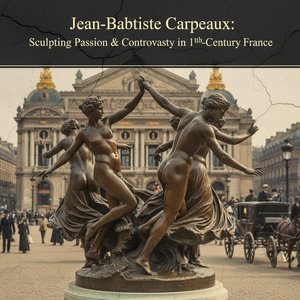
Jean-Baptiste Carpeaux: Sculpting Passion & Controversy in 19th-Century France
Explore the passionate life & controversial works of Jean-Baptiste Carpeaux, a leading French sculptor of the Second Empire. Discover his realism, iconic sculptures like 'Ugolino,' and lasting legacy as a precursor to Rodin.

The Enduring Form: Sculpture Across History, Technique & Emotional Resonance
Explore the rich history of sculpture with OriginalUniqueArt. Discover key techniques, influential artists & investment potential for discerning collectors. Expert insights into valuing and collecting timeless masterpieces.