

 Voorvertoning
 Verstuur
 Delen
Delen
 Details bekijken

 Download
 Vergelijkbare items
 Röntgenonderzoek
 Diavoorstelling
 Statistieken
The Boudoir
 Oil On Canvas
- WallArt
- Rococo
 1733
1733 32.0 x 40.0 cm
 De Walles Collectie
 Lees meer
Giclée / Kunstafdrukken
Giclée- of canvasafdruk van museumkwaliteit met een snelle productie en flexibele afwerkingsmogelijkheden. ( Bestel handgeschilderde reproductie Schakel over naar digitale afbeelding)




P118B $10

P118H $10

P118W $10

P438Z $10

P508JH $12

P508YH $12

P805H $10

P805Z $10

P919BZ $10

P919G $10

P919XJ $10

P959ZH $10

P968JZ $12

W106C $8

W218G $10

W218JH $8

W218Y $10

W307PJ $10

W316G $10

W316PJ $8

W316Y $10

W398PJ $8

W4111J $10

W500HY $15

W500JH $15

W692G $12

W849H $8

W940BG $15

W953PJ $8




Kies uit onze vooraf ingestelde maten die overeenkomen met de originele verhoudingen van het kunstwerk.

U kunt uw eigen afmetingen opgeven om in een specifieke lijst of ruimte te passen. Als de door u gekozen maat niet overeenkomt met de proporties van het originele kunstwerk, zullen wij de afbeelding bijsnijden of uitbreiden met een gespiegelde of effen rand. Een digitaal mockup wordt ter goedkeuring naar u verzonden voordat de productie begint.
Houd er rekening mee dat de preview op het scherm de werkelijke bijsneding of uitbreiding niet weergeeft. Alleen de mockup toont de uiteindelijke compositie nauwkeurig.
Hoewel aangepaste maten beschikbaar zijn, raden wij aan een afmeting uit de vooraf bepaalde lijst te kiezen om de originele proporties te behouden.
Wereldwijde levering () binnen 2 weken in plaats van de standaard 4/5 weken. (16 september)

Gratis wereldwijde expressverzending

Hoogwaardig linnen canvas

Volledige verzendverzekering

Garantie op terugbetaling van invoerrechten

Garantie op exacte kleurweergave

Retourbeleid van 100 dagen (alleen bij defecten)

100% Geld-terug-garantie

Korting bij meerdere afnames
 De optie voor glas is alleen beschikbaar bij een formaat kleiner dan 110 cm.

The Boudoir
Giclée / Kunstafdrukken
Afmetingen reproductie
-


Eindtotaal
$ 81
A Moment of Intimacy: Jean-Baptiste Pater’s “The Boudoir”
Jean-Baptiste Pater's "The Boudoir," painted in 1733, is more than just a portrait; it’s a carefully constructed tableau of aristocratic leisure and subtle emotional resonance. Captured during the height of the Rococo period in France, this intimate scene offers a glimpse into the private world of a wealthy woman, inviting us to contemplate her repose and the delicate balance of power within that space. Pater, a singular pupil of Antoine Watteau – a relationship marked by both admiration and professional friction – masterfully employs the hallmarks of his teacher’s style while imbuing the work with a uniquely personal touch.
The painting depicts a woman lying gracefully on a bed in what is clearly a boudoir, a room designed for private contemplation and feminine pursuits. She appears to be resting or perhaps lost in thought, her posture relaxed yet dignified. The setting itself speaks volumes – a plush couch positioned near the bed suggests comfortable intimacy, while a smaller sofa further back hints at a space capable of hosting discreet gatherings. A chair, strategically placed near the left edge, adds to the sense of quiet domesticity. A bowl sits on a nearby surface, suggesting a moment of refreshment or simply a decorative element contributing to the room’s refined atmosphere.
The Rococo Palette and Pater's Signature Style
Pater’s masterful technique is immediately evident in his use of color and line. The palette is rich and luminous, characteristic of the Rococo style – pastel pinks, soft blues, and creamy yellows dominate, creating a sense of ethereal beauty. However, Pater departs subtly from Watteau's more overtly playful approach. He employs a delicate, shimmering quality to the lines, particularly in the drapery and the woman’s hair, giving the scene an almost dreamlike quality. This technique, anticipating later developments in Impressionism, is one of Pater’s most distinctive features and sets his work apart.
The composition itself is carefully balanced, with a sense of spatial depth achieved through subtle variations in tone and detail. The figures are rendered with remarkable precision, yet retain an air of spontaneity. Notice the way Pater uses light to sculpt the forms, creating a soft, diffused glow that enhances the feeling of intimacy and tranquility. The inclusion of the attentive figure standing near the bed is particularly noteworthy; he’s not merely a spectator but a participant in this private moment, adding another layer of complexity to the scene.
Symbolism and the Language of Leisure
“The Boudoir” is replete with symbolic details that speak to the social conventions and values of 18th-century French aristocracy. The boudoir itself represents a space of female autonomy, a refuge from the demands of public life. The woman’s repose suggests a cultivated sense of self-possession and an appreciation for beauty and refinement. The presence of the attentive figure hints at the importance of male companionship within this sphere – a subtle reminder that even in moments of private indulgence, social connections remained paramount.
Furthermore, the scene embodies the *fête galante*, a popular Rococo motif depicting idyllic gatherings in natural settings. While not explicitly outdoors, “The Boudoir” captures the spirit of this genre by evoking a sense of serenity and leisure. The room is transformed into a miniature paradise, a space where beauty, comfort, and companionship converge.
A Legacy of Elegance: Pater’s Enduring Appeal
Jean-Baptiste Pater's “The Boudoir” remains a captivating work of art due to its exquisite craftsmanship, evocative atmosphere, and subtle emotional depth. It offers a rare glimpse into the private world of 18th-century French aristocracy, revealing both their social conventions and their appreciation for beauty and refinement. Pater’s legacy lies not only in his technical skill but also in his ability to capture the essence of human experience – the quiet moments of contemplation, intimacy, and connection that define our lives.
Biografie van de kunstenaar
Jean-Baptiste Pater: De Enkelste Leerling van Watteau
Jean-Baptiste Pater (December 29, 1695 – July 25, 1736) is een naam die in de geschiedenis van de Franse Rococo kunst een bijzondere plaats inneemt – hij was de enige officieel erkende leerling van Antoine Watteau, de meest gerespecteerde kunstenaar van deze beweging. Geboren in Valenciennes, Frankrijk, begon Pater’s artistieke reis onder de begeleiding van zijn vader, een beeldhouwer, waardoor hij al vroeg een scherp oog kreeg voor vorm en vakmanschap – kwaliteiten die later essentieel zouden blijken te zijn voor zijn eigen werk. Echter, het was Watteau die Pater’s visie radicaal veranderde, een relatie die gekenmerkt werd door bewondering, maar ook door spanning – een dynamiek die resulteerde in een van de meest invloedrijke schilders van zijn tijd.- Vroege Opleiding en Invloeden: Pater’s jeugd was gevuld met het perfectioneren van zijn vaardigheden onder de leiding van zijn vader, Antoine Pater, waarbij hij de basisprincipes van beeldhouwen leerde. Deze vroege training bleek cruciaal te zijn toen hij later de begeleiding zocht van Watteau in Parijs (1713), waar de stijl van de oudere kunstenaar – gekenmerkt door delicate pastelkleuren en etherische, schitterende lijnen – Pater onmiddellijk veroverde.
- De Watteau-Relatie: De invloed van Watteau ging verder dan alleen het kopiëren van zijn stijl; het doordrong zich in Pater’s conceptuele kader. Ondanks de beruchte temperament van Watteau, erkende Pater de diepe begrip van de meester voor sfeer en emotie – kwaliteiten waar hij zelf naar streefde. De korte samenwerking tussen de twee kunstenaars versterkte Watteau’s nalatenschap als Pater’s leidende kracht.
De Rococo Stijl en Techniek
Pater’s artistieke stijl was een perfecte weergave van de Rococo esthetiek – een viering van elegantie, frivoliteit en zintuiglijke genot. Hij maakte gebruik van een meesterlijke techniek met traditionele pastelkleuren en legde schitterende lijnen met buitengewone precisie aan. Deze kenmerkende benadering anticipeert op de latere exploraties van atmosferische perspectief door Francesco Guardi, wat Pater’s scherpe waarnemingsvermogen aantoont. Zijn werk straalt een gevoel voor licht en kleur uit dat typisch is voor de Rococo-periode.- Fête Galante: Pater was vooral bekend om zijn *fêtes galantes*, idyllische scènes die aristocratische bijeenkomsten in tuinen of landschappen weergeven – een genre dat door Watteau werd gepopulariseerd en waar Pater zich als de ware meester van bevond.
- Kleurgebruik: Pater’s palet was doordrenkt met pastelkleuren, die een zachte, dromerige sfeer creëerden. Hij was een meester in het gebruik van licht en schaduw om diepte en dimensie te suggereren.
Belangrijke Werken en Patronage
Pater’s artistieke productie concentreerde zich voornamelijk op *fêtes galantes*, idyllische scènes die aristocratische bijeenkomsten in tuinen of landschappen weergeven – een genre dat door Watteau werd gepopulariseerd en waar Pater zich als de ware meester van bevond. Zijn meest bekende werken omvatten “Conversation Galante”, een adembenemend schilderij van verfijnde sociale interactie, badend in zacht licht, dat de essentie van de Rococo-periode vastlegt – de obsessie met schoonheid en gratie. Een ander belangrijk resultaat is "Landscape with a Cart", die Pater’s vermogen laat zien om subtiele nuances van textuur en kleur te overbrengen – een stuk dat wordt beschouwd als een voorloper van Guardi’s baanbrekende gebruik van atmosferisch perspectief.- Frederick de Grote: Pater verwierf aanzienlijke bekendheid door zijn portretcommissies voor Frederick II, Koning van Pruisen – met name “Le Sultan au Harem” en “Le Sultan au Jardin”. Deze portretten illustreren Pater’s vaardigheid om koninklijk edelmoed te portretteren en de psychologische complexiteit van zijn onderwerpen vast te leggen, waardoor hij zijn reputatie als een koninklijke kunstenaar verstevigde.
- Musea: Pater’s schilderijen bevinden zich in prestigieuze musea over de hele wereld, waaronder het Louvre Museum in Parijs en het Musée des Beaux-Arts de Valenciennes – getuigenissen van hun blijvende artistieke waarde en historische betekenis.
Erfgoed en Artistieke Betekenis
Jean-Baptiste Pater’s bijdrage aan de Franse Rococo kunst is onmiskenbaar. Hij staat als een cruciale figuur in het vastleggen van de geest van zijn tijd, waarbij hij Watteau’s stijlinnovaties omarmt en tegelijkertijd zijn eigen kenmerkende artistieke stem vormgeeft. Zijn meesterlijke techniek en evocatieve composities blijven bewondering opwekken bij kunsthistorici en liefhebbers – een getuigenis van Pater’s blijvende nalatenschap als een van de meest prominente schilders van Frankrijk in de 18e eeuw. Voor een dieper begrip van Pater’s leven en oeuvre, kunt u terecht op OriginalUniqueArt of bekijk de website van het Musée des Beaux-Arts de Valenciennes.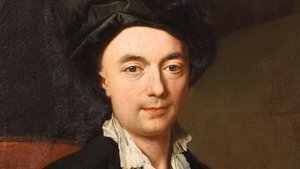
Jean-Baptiste Pater
1695 - 1736 , Frankrijk
Belangrijkste feiten
- Artistic Movement Or Style: Rocococo Pastel
- Artists Or Movements Influenced By This Artist: ['Guardi']
- Artists Who Influenced This Artist: ['Watteau']
- Date Of Birth: 29 dec 1695
- Date Of Death: 25 jul 1736
- Full Name: Jean-Baptiste Pater
- Nationality: Frans
- Notable Artworks:
- Gesprek Galante
- Landschap met wagen
- Place Of Birth: Valenciennes, Frankrijk
Gerelateerde artikelen

The Allure of Elegance in Art: A Historical & Aesthetic Exploration of Refinement & Grace
Explore the exquisite world of Rococo art! Discover its history, masters (Watteau, Boucher & more), and defining elegance. Expert insights for collectors seeking museum-quality reproductions & custom portraits.

Top 10 Rococo Meesterwerken: Kunstgeschiedenis voor uw Interieur | OriginalUniqueArt.com
Ontdek de 10 meest iconische Rococo meesterwerken! Duik in de wereld van Fragonard, Boucher & Watteau. Leer over lieflijkheid, pastelkleuren en aristocratie. Museumkwaliteit kunst reproducties op OriginalUniqueArt.com.

The Rococo Aesthetic: Opulence, Rebellion & the Pursuit of Pleasure in 18th-Century Art
Explore the opulent world of Rococo art! Discover its origins, key artists like Watteau & Boucher, and lasting influence on design. Expert insights for collectors & enthusiasts.

Illuminating the Enlightenment: A Comprehensive Exploration of 18th-Century Painting
Explore the captivating world of 18th-century painting! Discover Rococo's playful elegance & Neoclassicism’s Enlightenment ideals with expert insights into Fragonard, David, and more. A comprehensive guide for art enthusiasts.
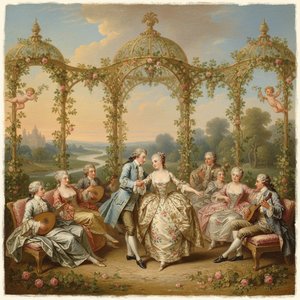
Jean-Baptiste Pater: Rococo Charm & Ephemeral Beauty of 18th-Century France
Explore the captivating world of Jean-Baptiste Pater, a master of Rococo painting. Discover his elegant *fête galante* scenes and shimmering portraits – a glimpse into 18th-century French aristocracy. Learn about his legacy & find high-quality reproductions.