
 Verstuur
 Delen
Delen
 Details bekijken
 Gids
Gids

 Download
 Vergelijkbare items
 Diavoorstelling
 Statistieken
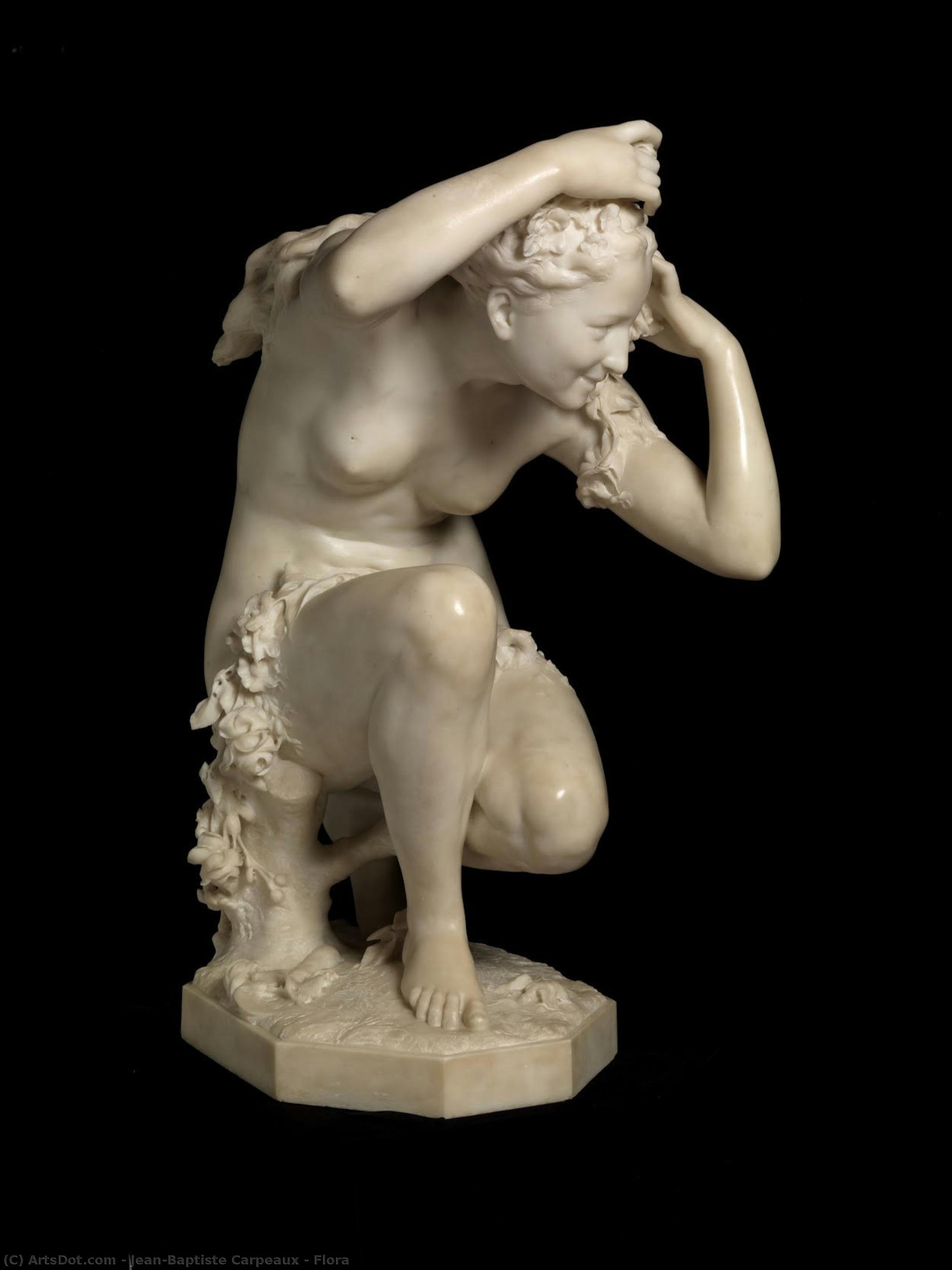
Flora


 Lees meer
Get a print-ready file that goes far beyond the web preview. Every digital image we sell comes from a high-resolution master in our stock database — usually 5,000 to 15,000 pixels wide — so you can print large, crop tightly, or reproduce fine detail with confidence.
No file leaves our studio untouched. A digital expert checks the colors against the original painting and corrects them if needed, then improves clarity and detail with professional retouching tools — always staying faithful to the artist's brushwork and style. The result is an image that looks like the painting, not like a filtered scan.
You approve before you're done: our expert sends the image by e-mail within 72 hours for your review. Not satisfied? Ask for improvements or corrections, or request a refund if the quality falls short.
This is the quality relied on by publishers, design studios, galleries and print shops.
Digitale afbeeldingen
Download een bestand met hoge resolutie voor persoonlijke weergave, afdrukken en creatieve projecten. ( Schakel over naar print Bestel handgeschilderde reproductie)
Inbegrepen bij elke bestelling van een digitale afbeelding
Professionele digitale levering, gegarandeerd
Wanneer u kiest voor OriginalUniqueArt.com, ontvangt u niet alleen een afbeelding – u krijgt een professioneel verbeterd digitaal kunstwerk, met precisie vervaardigd en voorzien van een tevredenheidsgarantie. Dit is alles wat automatisch bij uw bestelling is inbegrepen:

Snelle levering per e-mail
Uw hoogwaardige digitale afbeeldingsbestand wordt binnen 72 uur na bestelling naar u gemaild – klaar voor direct gebruik.

AI-verbeterd digitaal bestand
Uw kunstwerk wordt professioneel geoptimaliseerd met behulp van geavanceerde AI-tools en handmatige bewerkingen, waardoor maximale details, helderheid en kleurnauwkeurigheid worden gegarandeerd.

Gratis levenslange herlevering van digitale bestanden
Je bestand per ongeluk verwijderd of kwijtgeraakt? Geen zorgen – we sturen het u op elk gewenst moment gratis opnieuw toe.

Geen invoerkosten – nooit
Geniet direct van uw kunstwerk zonder invoerrechten, belastingen of verzendkosten – digitale downloads zijn altijd belastingvrij.

Garantie op kleurgetrouwheid
Met behulp van professionele hulpmiddelen en kleurbeheer zorgen wij ervoor dat uw digitale afbeelding de originele kleuren zo nauwkeurig mogelijk weergeeft.

100 dagen tevredenheidsgarantie
Mocht u niet tevreden zijn met uw digitale afbeelding, dan passen wij deze aan of storten wij 100% terug binnen 100 dagen – zonder vragen te stellen.

100% Geld-terug-garantie
Niet tevreden? Ontvang een volledige terugbetaling binnen 100 dagen na ontvangst van uw digitale bestand – zonder vragen te stellen.

Korting bij grote bestellingen
Koop 3 afbeeldingen, bespaar 10% - Koop 5, bespaar 15% - Koop 10+, bespaar 20%. Ideaal voor creatieve projecten, galerieën en bureaus.
A Symphony of Marble and Springtime
In the realm of nineteenth-century sculpture, few works capture the ephemeral essence of joy as profoundly as Jean-Baptiste Carpeaux’s Flora. This exquisite marble masterpiece is far more than a mere depiction of a mythological figure; it is a breathtaking celebration of vitality, movement, and the tender arrival of a new season. The sculpture presents a woman in a moment of intimate grace, crouching with a naturalistic ease that seems to defy the very stone from which she is carved. As she reaches up to adorn her hair with delicate blossoms, her lips part in a subtle, enchanting smile—a feature famously modeled after Anne Foucart, whose youthful radiance provided the sculptor with the perfect vessel for expressing pure, unadulterated delight.
The technique employed by Carpeaux is nothing short of miraculous, bridging the gap between the rigid traditions of classical sculpture and the burgeoning desire for emotional realism. While his training under François Rude instilled in him a mastery of form, Carpeost sought to break free from the cold, static nature of academicism. In Flora, one can observe a tactile sensitivity where the smoothness of skin meets the intricate, organic textures of floral garlands. The way light plays across the undulating surfaces of her limbs creates an illusion of breath and pulse, making the marble appear almost soft to the touch. This mastery of texture and light ensures that the piece remains dynamic, inviting the viewer to move around it to discover new shadows and highlights.
Historical Resonance and Artistic Legacy
The origins of this work are deeply intertwined with the architectural grandeur of Paris. Carpeaux was originally commissioned by the architect Lefuel to create a high-relief for the Pavillon de Flore at the Palais du Louvre, themed around the Triumph of Flora. However, the singular figure we admire today emerged from a period of personal and political transition. Executed in 1873 while Carpeaux was living in London following the fall of the Second Empire, this human-scale version represents a mature refinement of his earlier ideas. Commissioned by the art enthusiast Henry James Turner, the sculpture reflects a moment where the artist, though in exile, found the inspiration to revisit and elevate his most beloved theme.
Symbolically, the piece serves as an allegory for rebirth and the cyclical nature of life. By drawing inspiration from the Crouching Aphrodite of classical antiquity, Carpeaux connects the modern spirit of the 1870s to the timeless beauty of the ancient world. The sculpture does not merely represent a goddess; it embodies the very concept of "Spring"—a period of awakening and flourishing. For the discerning collector or interior designer, this work offers a profound emotional anchor. Whether placed in a sunlit gallery or as a focal point in a sophisticated living space, Flora radiates an atmosphere of optimism and elegance, making it an incomparable choice for those looking to infuse their surroundings with a sense of timeless grace and poetic movement.
Veelgestelde vragen
Waar zou een reproductie van "Flora" door Jean-Baptiste Carpeaux opgehangen moeten worden?
Met zijn Portrait-formaat is een reproductie van "Flora" een prachtige aanvulling op een Living Room.
Welk palet en welke emotie komen samen in "Flora"?
In "Flora" versterken Earthy kleuren een Romantic gevoel.
Wat stelt "Flora" voor en welke sfeer straalt het uit?
"Flora" door Jean-Baptiste Carpeaux combineert flora sculpture, renaissance art, louvre pavilion, french art history, marble statues, anne foucart, jean carpeaux legacy met een Elegant atmosfeer.
Kunstenaarsbiografie
Jean-Baptiste Carpeaux: A Sculptor of Passion and Movement
Jean-Baptiste Carpeaux, a name inextricably linked to dynamism and profound emotionality in 19th-century French sculpture, emerged from modest beginnings to become one of the most celebrated artists of his time. Born in Valenciennes in 1827, the son of a stonemason, his early life was deeply rooted in the tactile realities of craftsmanship – an experience that would fundamentally shape his artistic sensibilities and inform his unique approach to sculpting. This grounding in tangible creation fostered a keen understanding of materials, form, and the very essence of human expression, laying the groundwork for a career defined by its remarkable realism and evocative power. Initially receiving training under François Rude, the renowned creator of the dramatic reliefs adorning the Arc de Triomphe, Carpeaux benefited from a solid foundation in classical technique. However, it was at the École des Beaux-Arts that his distinctive vision truly began to take shape, propelling him towards achieving the prestigious Prix de Rome in 1854 – an event that would irrevocably alter the course of his artistic journey and send him on a transformative voyage to Italy.Roman Reveries: The Seeds of Innovation
The years Carpeaux spent immersed in the heart of Rome proved to be a period of profound artistic development. Surrounded by the monumental masterpieces of Michelangelo, Donatello, and Verrocchio, he absorbed their mastery of anatomy, composition, and, crucially, the ability to imbue sculpture with intense emotional resonance. Yet, rather than simply replicating these Renaissance giants, Carpeaux embarked on his own distinct path, deliberately rejecting the rigid formality that characterized much of Neoclassical sculpture. He sought a more fluid, spontaneous approach – one that captured not just the outward appearance of figures but also their inner lives and the energy of movement. This shift is vividly illustrated in *Pêcheur napolitain à la coquille* (Neapolitan Fisherboy), created during this formative period. The sculpture, depicting a young boy with a shell, stands as a testament to his burgeoning talent; it’s not merely a representation of a figure but an embodiment of youthful exuberance and carefree joy – qualities that would become hallmarks of Carpeaux's distinctive style. This work garnered considerable attention upon its exhibition in Paris, firmly establishing him as a rising star within the artistic community and securing commissions from Empress Eugénie herself, further solidifying his position at the forefront of French sculpture.The Second Empire: A Period of Grand Commissions and Controversy
Carpeaux’s talent flourished during the Second Empire under Napoleon III, an era marked by unprecedented artistic innovation and ambitious public projects. He quickly became a favored artist of the imperial court, receiving numerous commissions for portraits and monumental sculptures designed to celebrate the grandeur of the regime. His work on the façade of the Paris Opéra Garnier, *La Danse*, remains one of his most enduring achievements – a breathtaking display of dynamic movement and graceful forms that captures the swirling energy of dancers in a captivating ballet. However, this magnificent sculpture was not without its detractors; its overt sensuality sparked outrage among some conservative critics who deemed it excessively provocative. Despite facing considerable criticism, *La Danse* cemented Carpeaux’s reputation as a bold and innovative artist, unafraid to challenge conventional norms and push the boundaries of artistic expression. Other significant works from this period include *Ugolino and His Sons*, a profoundly moving depiction of Dante's tragic tale of starvation and despair – showcasing his remarkable ability to convey intense psychological depth through sculpted form. These pieces demonstrated not only technical skill but also a willingness to engage with complex narratives and explore the darker aspects of human experience.Influences and Legacy
Carpeaux’s artistic vision was shaped by a confluence of influences, ranging from the classical masters he encountered in Rome to the contemporary trends emerging within French art. He drew inspiration from Michelangelo's anatomical precision and dramatic storytelling, while simultaneously rejecting the rigid formality of Neoclassical sculpture. The influence of Donatello is particularly evident in his emphasis on naturalism and emotional intensity, qualities that are strikingly apparent in works like *Neapolitan Fisherboy*. His work also reflects a growing interest in Romanticism, characterized by its focus on emotion, individualism, and the sublime. Notably, he was deeply influenced by Auguste Rodin, whom he greatly admired and whose later work would owe much to Carpeaux's pioneering approach to capturing movement and emotional expression. Rodin himself acknowledged Carpeaux as a key precursor, recognizing his groundbreaking efforts in translating the dynamism of life into three-dimensional form. Carpeaux’s legacy extends far beyond his own lifetime; he is remembered not only for his individual masterpieces but also for his role in paving the way for modern sculpture and inspiring generations of artists to embrace greater freedom and expressiveness.A Lasting Impact
Despite facing significant financial challenges and enduring health problems in his later years, Jean-Baptiste Carpeaux remained a dedicated artist until his untimely death in 1875. His influence on subsequent generations of sculptors is undeniable, with many artists citing him as a major inspiration. Today, Carpeaux’s sculptures are displayed in prominent museums around the world – including the Musée d'Orsay in Paris, the Museum of Fine Arts in Boston, and the National Gallery of Art in Washington D.C. – serving as enduring testaments to his artistic vision and his profound impact on the history of sculpture. His work continues to captivate audiences with its raw emotion, dynamic energy, and timeless beauty, ensuring that Jean-Baptiste Carpeaux remains a pivotal figure in the world of art.
Jean-Baptiste Carpeaux
1827 - 1875 , Frankrijk
Belangrijkste feiten
- Artistic Movement Or Style: Naturalisme, Realisme
- Artists Or Movements Influenced By This Artist: ['Rodin']
- Artists Who Influenced This Artist:
- Rude
- Michelangelo
- Donatello
- Date Of Birth: 1827
- Date Of Death: 1875
- Full Name: Jean-Baptiste Carpeaux
- Nationality: Frans
- Notable Artworks:
- La Danse
- Ugolino
- Fisherboy
- Place Of Birth: Valenciennes, Frankrijk