
 Bekijk op ware grootte
 Verstuur
 Delen
Delen
 Details bekijken
 Gids voor studentenkunstwerken

 Download
 Vergelijkbare items
 Röntgenonderzoek
 Diavoorstelling
 Statistieken
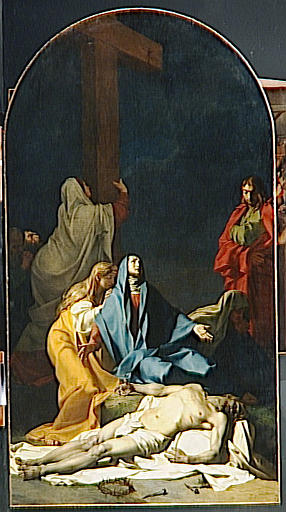
DEPLORATION


 Lees meer
Handgemaakte olieverfreproductie
Met de hand geschilderd in olieverf op canvas in uw gewenste maat en lijst, op bestelling gemaakt door onze kunstenaars. ( Schakel over naar print Schakel over naar digitale afbeeldingen)




P118B $10

P118H $10

P118W $10

P438Z $10

P508JH $12

P508YH $12

P805H $10

P805Z $10

P919BZ $10

P919G $10

P919XJ $10

P959ZH $10

P968JZ $12

W106C $8

W218G $10

W218JH $8

W218Y $10

W307PJ $10

W316G $10

W316PJ $8

W316Y $10

W398PJ $8

W4111J $10

W500HY $15

W500JH $15

W692G $12

W849H $8

W940BG $15

W953PJ $8




Kies uit onze vooraf ingestelde maten die overeenkomen met de originele verhoudingen van het kunstwerk.

U kunt uw eigen afmetingen invoeren om in een specifieke lijst of ruimte te passen. Als de door u gekozen maat niet overeenkomt met de verhoudingen van het originele beeld, zullen we het kunstwerk bijsnijden of het schilderij uitbreiden met extra handgeschilderde elementen. Een digitale mockup wordt ter goedkeuring naar u verzonden voordat de productie begint.
Houd er rekening mee dat de preview op het scherm niet de werkelijke uitsnede of uitbreiding weergeeft. Alleen de mockup toont de uiteindelijke compositie nauwkeurig.
Hoewel aangepaste afmetingen mogelijk zijn, raden we aan een maat uit de vooraf gedefinieerde lijst te selecteren om de originele verhoudingen te behouden.
Na de bestelling zal het team van OriginalUniqueArt.com per e-mail contact opnemen met de klant voor instructies en een mockup-voorbeeld sturen.
Wereldwijde levering () binnen 3 tot 4 weken in plaats van de standaard 5 weken. (26 september). Zonder concessies aan de kwaliteit.

Gratis wereldwijde expressverzending

Hoogwaardig linnen canvas

Volledige verzendverzekering

Garantie op terugbetaling van invoerrechten

Garantie op exacte kleurweergave

Retourbeleid van 100 dagen (alleen bij defecten)

100% Geld-terug-garantie

Korting bij meerdere afnames
 De optie voor glas is alleen beschikbaar bij een formaat kleiner dan 110 cm.

DEPLORATION
Reproductiemethode
Formaat reproductie
-


Totaalprijs
$ 400
Jean Baptiste Regnault’s “Deploration”: A Neoclassical Meditation on Grief
Jean Baptiste Regnault (1754-1829) stands as a quietly significant figure in British art, often overshadowed by the brilliance of his uncle, Thomas Gainsborough. Born on December 20th, 1754, in Sudbury, Suffolk, Dupont’s artistic journey was inextricably linked to that of his renowned relative – he served not merely as an assistant but as a devoted pupil, absorbing and adapting Gainsborough's techniques and sensibilities. His life, though tragically brief, produced a body of work characterized by a serene beauty, a masterful command of light and shadow, and a distinctive approach to landscape painting that blended the influence of Dutch masters with a uniquely English sensibility. Dupont’s early artistic training began under the guidance of his uncle, Thomas Gainsborough, a pivotal experience that shaped his entire career. This apprenticeship wasn't simply about copying; it was an immersion in Gainsborough’s philosophy – a deep appreciation for observation and capturing the essence of nature with understated elegance. Regnault skillfully honed these principles, forging his own path while retaining the core tenets of Gainsborough’s artistic vision. “Deploration,” painted circa 1789-1790, exemplifies this legacy perfectly. It's a monumental allegory depicting the aftermath of Christ’s crucifixion—specifically, the Deposition or Pietà—executed in the opulent style of Neoclassicism. The painting immediately commands attention with its dramatic use of chiaroscuro, skillfully manipulating light and dark to heighten emotional intensity and draw viewers into the scene’s profound sorrow. Regnault's meticulous brushwork reveals a dedication to realism, striving to convey not just visual accuracy but also palpable grief. The composition itself is meticulously structured around a pyramidal form, mirroring classical ideals of harmony and balance. At its apex rests the figure of Christ, rendered with idealized musculature and serene dignity—a deliberate contrast to the overwhelming despair surrounding him. Figures draped in flowing robes surround Christ’s body, conveying the anguish of mourning – Mary Magdalene, Nicodemus, Joseph of Arimathea—each expressing profound sorrow through subtle gestures and facial expressions. The cross dominates the background, serving as a powerful visual anchor and symbolizing sacrifice and redemption. Color plays a crucial role in communicating emotion. Regnault employs a muted palette dominated by browns, creams, blues, and reds, reflecting the solemn atmosphere of the scene. However, the blue robe worn by Mary Magdalene provides a focal point, subtly highlighting her maternal grief and emphasizing the painting’s spiritual depth. The artist's masterful glazing technique ensures that colors blend seamlessly, creating an illusion of luminosity and enhancing the overall impression of tranquility amidst despair. “Deploration” transcends mere visual representation; it embodies the philosophical concerns of its time—a reaction against Rococo frivolity and a return to classical ideals of beauty and virtue. Regnault’s work speaks to universal themes of loss, compassion, and faith, inviting contemplation on mortality and reminding us of the enduring power of art to convey profound emotional truths. Hand-painted reproductions of “Deploration” are available at OriginalUniqueArt.com, allowing collectors and enthusiasts alike to experience this masterpiece's timeless elegance and emotive resonance.- Artist: Jean Baptiste Regnault
- Year Painted: Circa 1789-1790
- Medium: Oil on Canvas
- Style: Neoclassical
Further Exploration:
Consider researching Jean Baptiste Gainsborough, Regnault’s influential uncle and mentor. His artistic principles profoundly impacted Regnault's oeuvre. Also delve into the broader context of Neoclassicism in France during the Enlightenment—a movement characterized by a revival of classical art forms and ideals. Examining comparative artworks from Dutch masters like Rembrandt and Rubens can illuminate Regnault’s stylistic choices and deepen your understanding of his artistic vision. Finally, explore reproductions available at OriginalUniqueArt.com to immerse yourself in the beauty and emotional impact of “Deploration.”Biografie van de kunstenaar
The Grandeur of Neoclassicism: The Life and Legacy of Jean-Baptiste Regnault
In the vibrant and turbulent landscape of late 18th-century French art, few figures commanded as much respect for their technical precision and classical grace as Jean-Baptiste Baron Regnault. Born in 1754, Regnault emerged during an era defined by a profound longing for the ideals of antiquity. While history often casts a spotlight on his contemporary and rival, Jacques-Louis David, Regnault carved out a distinct and luminous space within the Neoclassical movement. His work was not merely a reaction to the excesses of the Rococo, but a deliberate, poetic pursuit of harmony, balance, and the eternal beauty found in mythological and historical narratives.
Regnault’s artistic journey was one of rigorous discipline and academic excellence. His mastery of the human form and his ability to imbue flesh with a soft, ethereal glow were products of intense study. He navigated the prestigious corridors of the French art world, earning accolades that solidified his status among the elite. This period of his life was marked by a deep engagement with the classical tradition, drawing inspiration from the sculptural perfection of ancient Greece and Rome. His training allowed him to move beyond simple imitation, enabling him to infuse his compositions with a sense of movement and emotional resonance that felt both timeless and immediate.
A Mastery of Myth and Emotion
The true essence of Regnault’s genius lies in his ability to transform static mythological subjects into breathing, emotive dramas. He possessed a rare talent for capturing the tension between the divine and the mortal. In works such as La Mort d'Adonis, one can witness his profound command over the themes of mortality and beauty. The painting serves as a poignant study in tragedy, where the exquisite detail of the figures contrasts sharply with the heavy, somber atmosphere of loss. Regnault did not merely paint scenes; he staged emotional experiences, using light and shadow to guide the viewer through the psychological depths of his characters.
His repertoire was equally diverse, ranging from the intensely spiritual to the intellectually provocative. In The Descent from the Cross, Regnault utilizes a more dramatic, almost Baroque-inspired intensity to convey the profound grief and religious fervor of the scene. Here, the weight of the body and the visceral reality of the moment are rendered with a realism that commands reverence. Conversely, in works like Socrate Arrachant Alcibiade du Sein de la Volupté, he explores the intellectual struggles of the classical age. This piece showcases his ability to depict philosophical conflict through the interplay of light and shadow, illustrating the struggle between reason and temptation with masterful composition.
Historical Significance and Artistic Influence
Regnault’s importance extends far beyond his individual canvases; he was a pivotal figure in the evolution of French academic painting. As a teacher and a prominent member of the artistic community, his influence rippled through the next generation of painters, including artists like Guérin and Lorimier. His style—characterized by a certain softness and a more lyrical approach to Neoclassicism compared to David’s starker, more rigid compositions—offered an alternative vision of classical beauty that appealed to a wide range of sensibilities.
To understand the breadth of his contribution, one might consider the following pillars of his career:
- Technical Virtuosity: His unparalleled ability to render anatomical accuracy and delicate textures, particularly in skin and drapery.
- Narrative Depth: The capacity to weave complex allegorical meanings into historical and mythological scenes, making them accessible yet profound.
- Stylistic Versatility: A unique blend of Neoclassical order with a more fluid, emotive sensibility that bridged the gap between different artistic eras.
- Academic Legacy: His role in shaping the aesthetic standards of the French Academy and influencing the trajectory of 19th-century European art.
Though the tides of art history eventually shifted toward Romanticism and beyond, the works of Jean-Baptiste Regnault remain enduring testaments to an era of unparalleled elegance. His paintings continue to captivate modern audiences, offering a window into a world where the pursuit of perfection, the exploration of myth, and the celebration of human emotion were harmoniously intertwined.

jean baptiste baron regnault
1754 - 1829
Snelle feiten
- Artistic Movement Or Style: Landscape painting
- Artists Or Movements Influenced By This Artist: ["Gainsborough's manner"]
- Artists Who Influenced This Artist: ['Thomas Gainsborough']
- Date Of Birth: 1754
- Date Of Death: 1797
- Full Name: Gainsborough Dupont
- Nationality: British
- Notable Artworks:
- Wooded Landscape
- Riders and Packhorses
- Place Of Birth: Sudbury, Suffolk
Gerelateerde artikelen
The Timeless Elegance of Academic Classicism: A Journey Through Order, Precision, and the Pursuit of Perfection
Explore the profound beauty of Academic Classicism. Discover how masters used order, precision, and classical ideals to achieve timeless perfection in art history, from Neoclassical portraits to the pursuit of ideal beauty.

The Enduring Legacy of Oil on Canvas: Technique, History & Aesthetic Impact
Explore the rich history & techniques of oil painting – from Renaissance masters to Impressionism. Discover pigments, layering methods, and why this timeless medium endures. Expert insights for artists & art enthusiasts.

Neoclassical Art: The Ultimate Guide to Timeless Power, Precision, and the Classical Ideal
Master the elegance of Neoclassical art with our expert guide. Explore the transition from Rococo to classical order, discover legendary masters, and learn how to bring timeless Greco-Roman precision and grandeur into your modern collection through premium hand-painted reproductions.
Charles Le Brun: Master of French Baroque Classicism & His Enduring Legacy
Explore the life & art of Charles Le Brun, master of French Baroque Classicism. Discover his royal commissions, influence on Versailles, and enduring legacy through detailed analysis & stunning artworks.

Oil on Canvas: A Historical & Technical Exploration of a Timeless Artistic Medium
Explore the rich history & enduring techniques of oil painting on canvas. Discover the science behind its longevity, conservation practices, and contemporary relevance. Expert insights for art enthusiasts.