Voorvertoning
 Verstuur
 Delen
Delen
 Details bekijken
 Gids
Gids

 Download
 Vergelijkbare items
 Röntgenonderzoek
 Diavoorstelling
 Q&A
Q&A Statistieken
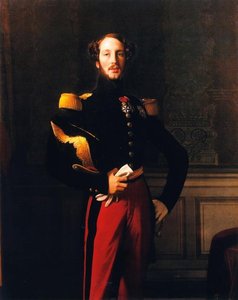
The Bather

- 146.0 x 97.0 cm


 Lees meer
Giclée / Kunstafdrukken
Giclée- of canvasafdruk van museumkwaliteit met een snelle productie en flexibele afwerkingsmogelijkheden. ( Bestel handgeschilderde reproductie Schakel over naar digitale afbeeldingen)




P118B €10

P118H €10

P118W €10

P438Z €10

P508JH €12

P508YH €12

P805H €10

P805Z €10

P919BZ €10

P919G €10

P919XJ €10

P959ZH €10

P968JZ €12

W106C €8

W218G €10

W218JH €8

W218Y €10

W307PJ €10

W316G €10

W316PJ €8

W316Y €10

W398PJ €8

W4111J €10

W500HY €15

W500JH €15

W692G €12

W849H €8

W940BG €15

W953PJ €8




Kies uit onze vooraf ingestelde maten die overeenkomen met de originele verhoudingen van het kunstwerk.

Voer de gewenste breedte en hoogte in, passend bij uw lijst of muur. Een afdruk kan alleen worden ingekort en nooit groter worden gemaakt dan het origineel; een formaat met andere verhoudingen zal daarom een deel van de afbeelding verliezen. Wij sturen u een digitaal mockup ter goedkeuring voordat we tot drukwerk overgaan. De afbeelding op deze pagina toont niet de werkelijke uitsnede — dit is alleen te zien op het mockup.
Wereldwijde levering () binnen 2 weken in plaats van de standaard 4/5 weken. (1 november)

Gratis wereldwijde expressverzending

Hoogwaardig linnen canvas

Volledige verzendverzekering

Garantie op terugbetaling van invoerrechten

Garantie op exacte kleurweergave

Retourbeleid van 100 dagen (alleen bij defecten)

100% Geld-terug-garantie

Korting bij meerdere afnames
 De optie voor glas is alleen beschikbaar bij een formaat kleiner dan 110 cm.

The Bather
Giclée / Kunstafdrukken
Afmetingen reproductie
-


Eindtotaal
€ 72
A Symphony of Line and Light
In the quietude of a private moment, Jean-Auguste-Dominique Ingres captures something far more profound than a simple act of bathing. The Bather, also famously known as the Bather of Valpinçon, is an exquisite masterclass in Neoclassical grace, painted in 1808 during the artist's formative years in Rome. The scene presents a woman reclining with her back turned to the viewer, a composition that immediately establishes a sense of intimate, almost sacred, contemplation. As she rests upon white linen, the soft textures of the fabric contrast beautifully with the smooth, luminous skin of her form. This deliberate choice of pose—reminiscent of the classical Venus Pudica—invites the observer to admire the sculptural perfection of her silhouette without intruding upon her serenity.
The painting is not merely a study of anatomy but an exploration of atmosphere. The subtle presence of figures in the periphery and the anchored weight of a chair in the background suggest a Roman domestic interior, grounding this ethereal moment in a tangible reality. For the discerning collector or interior designer, this piece offers a sense of timelessness; it possesses a quiet authority that can anchor a room, providing a focal point that is both sophisticated and deeply calming.
The Mastery of Ingresian Precision
To look closely at The Bather is to witness the pinnacle of technical virtuosity. Ingres was a devotee of the line, believing that clear, precise contours were the foundation of all great art. Unlike many of his contemporaries who embraced the loose, expressive brushwork of Romanticism, Ingres employed a meticulous, polished technique. He blended his pigments so seamlessly that the surface of the canvas appears almost like polished marble, creating an otherworldly glow that seems to emanate from within the subject herself.
This precision extends beyond the physical form to the very way light interacts with the scene. The artist’s masterful handling of chiaroscuro sculpts the woman's musculature, lending a three-dimensional weight to her back and shoulders. Every curve is rendered with an anatomical accuracy that feels both realistic and idealized. This tension between the tangible reality of the flesh and the dreamlike luminosity of the light creates a captivating emotional resonance, making the artwork feel less like a static image and more like a living, breathing moment frozen in time.
A Timeless Legacy for the Modern Collector
Beyond its technical brilliance, The Bather carries a historical weight that continues to inspire. It represents a pivotal moment in art history where the echoes of antiquity met the burgeoning sensuality of the 19th century. The painting’s ability to evoke a sense of peace and classical beauty makes it an unparalleled choice for high-quality reproductions intended for luxury spaces. Whether placed in a sunlit gallery or a contemporary living room, the work serves as a bridge between eras.
For those seeking to infuse their surroundings with culture and elegance, this reproduction offers more than just decoration; it offers an experience of historical depth. The soft palette of whites, flesh tones, and subtle shadows harmonizes effortlessly with diverse interior palettes, from minimalist modernism to opulent classical styles. Owning a piece that celebrates such profound craftsmanship allows one to surround themselves with the enduring spirit of Neoclassicism, ensuring that the beauty of Ingres’s vision remains a vibrant part of the contemporary home.
Veelgestelde vragen
Met welk medium is "The Bather" door Jean-Auguste-Dominique Ingres uitgevoerd?
Het medium van "The Bather" door Jean-Auguste-Dominique Ingres is Oil On Canvas. Reproducties zijn bedoeld om de uitstraling van deze techniek weer te geven.
Wanneer is "The Bather" door Jean-Auguste-Dominique Ingres gemaakt en bij welke stroming behoort het?
"The Bather" werd gemaakt in 1808, binnen de Neoclassical Precision-stroming.
Kan ik "The Bather" door Jean-Auguste-Dominique Ingres onder ander licht bekijken?
"The Bather" kan laag voor laag worden onderzocht op de Röntgenanalyse pagina van het kunstwerk, een interactieve viewer geïnspireerd op de lichttafel van een restaurator met elf optische lagen van de afbeelding.
Biografie kunstenaar
A Legacy of Line and Form: The World of Jean-Auguste-Dominique Ingres
Jean-Auguste-Dominique Ingres, een naam die synoniem staat voor Neoclassieke precisie en een bijna beeldhouwende benadering van het schilderen, bezit een unieke positie in de geschiedenis van de kunst. Geboren in Montauban, Frankrijk, in 1780, was zijn artistieke reis gekenmerkt door onverzettelijke toewijding aan klassieke idealen, gematigd door een opkomende sensualiteit en een bereidheid om conventies uit te dagen. Ingres was niet alleen het verleden aan het reproduceren; hij was erin verwikkeld in een diepgaande dialoog, een stijl die zowel een tijd zou definiëren als de revoluties van de toekomst zou voorspellen. Zijn vroege leven legde een stevige basis voor zijn toekomstige artistieke inspanningen. Zijn vader, Jean-Marie-Joseph Ingres, was zelf schilder en beeldhouwer, en instilleerde bij jonge Dominique al op jonge leeftijd een liefde voor vorm en techniek. Deze initiële training werd gevolgd door studie aan de Académie Royale de Peinture, Sculpture et Architecture in Toulouse, waar hij zijn vaardigheden verder perfectioneerde onder Guillaume-Joseph Roques. Echter, zijn verhuizing naar Parijs in 1797 en daaropvolgende leerlingschap bij Jacques-Louis David, de leidende figuur van Neoclassicisme, legden daadwerkelijk de basis voor zijn pad. David, de man die het Neoclassicisme tot leven bracht, gaf een rigoureuze discipline en een nadruk op lijn, vorm en historische onderwerpen – principes die Ingres’s werk gedurende zijn hele carrière centraal zouden blijven staan.The Pursuit of Ideal Beauty
Ingres' artistieke filosofie was diep geworteld in de bewondering voor de Italiaanse Renaissance-meesters – Raphael was daarbij een constante bron van inspiratie. Hij geloofde in de kracht van lijn om vorm te definiëren en emotie over te brengen, strevend naar een geïdealiseerde schoonheid die verder ging dan eenvoudige representatie. Deze zoektocht is zichtbaar in zijn vroege werken, zoals *The Ambassadors of Agamemnon in the Tent of Achilles* (1801), dat hem de prestigieuze Prix de Rome opleverde. Het schilderij toont zijn minutieuze aandacht voor detail, precieze draftsmanship en een duidelijke narratieve focus – kenmerken van Neoclassieke stijl. De compositie is zorgvuldig geconstrueerd, met een perfecte balans tussen licht en schaduw, en de figuren worden met een onberispelijke precisie weergegeven. De werken van Raphael waren voor Ingres een model voor harmonie, evenwicht en de verfijning van de lijn. Hij was gefascineerd door de manier waarop Raphael de menselijke figuur vastlegde, met een focus op anatomische perfectie en een elegante compositie. Deze invloed is terug te zien in zijn eigen werk, waar hij probeerde dezelfde idealen te bereiken, maar met zijn eigen unieke stijl. Ingres was niet tevreden met het simpelweg kopiëren van de klassieke meesters; hij wilde hun principes integreren in zijn eigen kunst en zo een nieuwe vorm van schoonheid creëren.Beyond History: Orientalism and Late Masterpieces
Hoewel geroemd om zijn historische en mythologische schilderijen – zoals *The Vow of Louis XIII* (1827) – verlegde Ingres ook zijn grenzen naar andere genres, met name het Orientalisme. Zijn beelden van exotische scènes en vrouwelijke nudes, zoals *The Turkish Bath* (1862), voltooid toen hij een indrukwekkende 83 jaar oud was, onthulden een fascinatie voor sensualiteit en mysterie. Deze werken, hoewel soms bekritiseerd vanwege hun idealiserende representaties, toonden zijn voortdurende bereidheid om te experimenteren en grenzen te verleggen. Ingres’s latere carrière zag hem navigeren door een veranderend kunstenaarslandschap. De opkomst van het Romantiek daagde de dominantie van Neoclassicisme uit, maar Ingres bleef trouw aan klassieke idealen terwijl hij tegelijkertijd elementen van romantische gevoeligheid integreerde in zijn werk. Hij werd een invloedrijke leraar, die de volgende generatie kunstenaars vorm gaf en zijn positie als brug tussen traditie en moderniteit verstevigde. Zijn schilderijen uit deze periode vertonen een complexiteit en expressiviteit die in zijn eerdere werken minder prominent waren.Notable Works
- The Ambassadors of Agamemnon in the Tent of Achilles (1801)
- The Vow of Louis XIII (1827)
- Portrait of Monsieur Bertin (1833-1834)
- The Turkish Bath (1862)
- Grande Odalisque (1814)
A Lasting Influence
Jean-Auguste-Dominique Ingres stierf in Parijs in 1867, waarbij hij een nalatenschap achterliet die nog steeds resoneert. Zijn nadruk op lijn, vorm en geïdealiseerde schoonheid heeft kunstenaars over generaties heen beïnvloed. Remarkably, zijn werk trok de aandacht van kunstenaars die radicaal verschillende stijlen verdedigden – kunstenaars zoals Henri Matisse en Pablo Picasso bewonderden zijn innovatieve benadering van compositie en zijn vermogen om klassieke vormen een gevoel van vitaliteit en emotie te geven. Ingres’s schilderijen worden nu in belangrijke musea over de hele wereld tentoongesteld, als getuigenissen van zijn blijvende artistieke visie. Hij blijft een sleutelfiguur in kunstgeschiedenis – een meester die niet alleen de tradities van het verleden bewaakte, maar ook de weg vrijmaakte voor de toekomst. Zijn werk nodigt ons uit om na te denken over de aard van schoonheid, de kracht van lijn en de tijdloze aantrekkingskracht van klassieke idealen.
Jean-Auguste-Dominique Ingres
1780 - 1867 , Frankrijk
Belangrijkste feiten
- Artistic Movement Or Style: Neoclassicisme
- Artists Or Movements Influenced By This Artist:
- Matisse
- Picasso
- Artists Who Influenced This Artist:
- David
- Poussin
- Date Of Birth: 29 augustus 1780
- Date Of Death: 14 januari 1867
- Full Name: Jean-Auguste-Dominique Ingres
- Nationality: Frans
- Notable Artworks:
- De ambassadeurs
- Belofte Louis XIII
- Portret Bertin
- Turkse bad
- Place Of Birth: Montauban, Frankrijk
Gerelateerde artikelen
Top 10 Meesterwerken van het Neoclassicisme: Kunst voor een Verfijnd Interieur
Ontdek de 10 meest iconische meesterwerken van het Neoclassicisme! Van David tot Ingres, leer over kunst, techniek & geschiedenis. Vind museumkwaliteit reproducties en verfijnde decoratie op OriginalUniqueArt.com. Exploreer de collectie online!

Jacques-Louis David: Neoclassical Ideals & Revolutionary Witness
Explore the life & art of Jacques-Louis David, leading Neoclassical painter of the French Revolution. Discover iconic works like 'The Death of Marat' and his lasting impact on art history. Expert analysis & high-quality reproductions at OriginalUniqueArt.

Émile Jean Horace Vernet: Romantic Realism & Depicting 19th-Century Life
Explore the life & art of Émile Jean Horace Vernet, a master of Romantic Realism. Discover his captivating battle scenes, portraits, and Orientalist works – a window into 19th-century France. Learn about his techniques & enduring legacy.
Top 10 Neoclassicistische Meesterwerken: Kunstgeschiedenis voor uw Interieur
Ontdek de top 10 neoclassicistische meesterwerken! Leer over David, Ingres & Canova en hun tijdloze kunst. Vind museumkwaliteit reproducties voor een elegante inrichting op OriginalUniqueArt.com. Exploreer de collectie online!

Pierre-Auguste Renoir's 25 Meesterwerken: Kleur, Licht & Impressionistische Pracht | OriginalUniqueArt
Ontdek de 25 mooiste schilderijen van Pierre-Auguste Renoir! Duik in de wereld van het Impressionisme, kleur en licht. Van 'Bal du moulin' tot intieme portretten – bekijk de meesterwerken & vind jouw perfecte reproductie op OriginalUniqueArt.com.