

 Bekijk op ware grootte
 Verstuur
 Delen
Delen
 Details bekijken
 Gids voor studentenkunstwerken

 Download
 Vergelijkbare items
 Röntgenonderzoek
 Diavoorstelling
 Statistieken
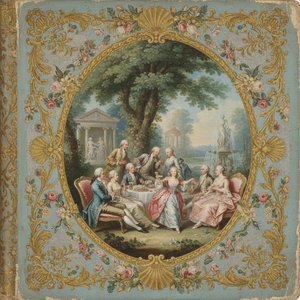
The Marriage Contract
 Acrylic On Canvas
- WallArt
- Rococo
 Renaissance
 47.0 x 55.0 cm
 Museo Nacional del Prado
 Lees meer
Giclée / Kunstafdrukken
Giclée- of canvasafdruk van museumkwaliteit met een snelle productie en flexibele afwerkingsmogelijkheden. ( Koop handgeschilderd kunstwerk Schakel over naar digitale afbeeldingen)




P118B $10

P118H $10

P118W $10

P438Z $10

P508JH $12

P508YH $12

P805H $10

P805Z $10

P919BZ $10

P919G $10

P919XJ $10

P959ZH $10

P968JZ $12

W106C $8

W218G $10

W218JH $8

W218Y $10

W307PJ $10

W316G $10

W316PJ $8

W316Y $10

W398PJ $8

W4111J $10

W500HY $15

W500JH $15

W692G $12

W849H $8

W940BG $15

W953PJ $8




Kies uit onze vooraf ingestelde maten die overeenkomen met de originele verhoudingen van het kunstwerk.

U kunt uw eigen afmetingen opgeven om in een specifieke lijst of ruimte te passen. Als de door u gekozen maat niet overeenkomt met de proporties van het originele kunstwerk, zullen wij de afbeelding bijsnijden of uitbreiden met een gespiegelde of effen rand. Een digitaal mockup wordt ter goedkeuring naar u verzonden voordat de productie begint.
Houd er rekening mee dat de preview op het scherm de werkelijke bijsneding of uitbreiding niet weergeeft. Alleen de mockup toont de uiteindelijke compositie nauwkeurig.
Hoewel aangepaste maten beschikbaar zijn, raden wij aan een afmeting uit de vooraf bepaalde lijst te kiezen om de originele proporties te behouden.
Wereldwijde levering () binnen 2 weken in plaats van de standaard 4/5 weken. (26 september)

Gratis wereldwijde expressverzending

Hoogwaardig linnen canvas

Volledige verzendverzekering

Garantie op terugbetaling van invoerrechten

Garantie op exacte kleurweergave

Retourbeleid van 100 dagen (alleen bij defecten)

100% Geld-terug-garantie

Korting bij meerdere afnames
 De optie voor glas is alleen beschikbaar bij een formaat kleiner dan 110 cm.

The Marriage Contract
Giclée / Kunstafdrukken
Formaat reproductie
-


Totaalprijs
$ 81
A Glimpse into Rococo Society: Unveiling *The Marriage Contract*
Jean-Antoine Watteau’s *The Marriage Contract*, painted around 1711 and now residing in the Museo del Prado, is more than just a depiction of a marital agreement; it's a window into the refined world of early 18th-century France. This captivating oil on canvas exemplifies Watteau’s mastery of the *fête galante* genre – scenes of elegant outdoor gatherings infused with an air of aristocratic leisure and subtle narrative. The painting portrays a rural marriage ceremony, not as a solemn legal act, but as a joyous social occasion brimming with anticipation and delicate charm.Decoding the Scene: Subject & Style
The composition centers around the bride, modestly yet elegantly attired, standing amidst a gathering of onlookers. Lively conversation fills the air as guests observe the proceedings. Two playful dogs – one near the left edge, another to the right – add an endearing touch of spontaneity and life to the scene. Watteau’s style is immediately recognizable: a harmonious blend of Baroque drama and Rococo grace. He eschews rigid formality in favor of fluid lines, soft lighting, and a palette dominated by warm, inviting tones. The figures aren't posed stiffly; instead, they engage with each other naturally, creating a sense of movement and genuine interaction. This isn’t a grand historical narrative but an intimate moment captured with sensitivity and artistry.Technique & Artistic Innovation
Watteau’s technique is characterized by *broken color* – applying paint in small touches rather than smooth, blended layers. This creates a shimmering effect, lending the canvas a luminous quality that enhances its dreamlike atmosphere. His brushwork appears loose and expressive, contributing to the overall sense of spontaneity. The composition itself demonstrates Watteau's skill in balancing asymmetry with harmony. He arranges figures not according to strict rules of perspective but to create a visually pleasing and emotionally resonant arrangement. This innovative approach helped define the Rococo aesthetic and influenced generations of artists.Historical Context & Watteau’s Legacy
Jean-Antoine Watteau (1684–1721) revolutionized French painting with his unique vision. He moved away from the grandeur of Louis XIV's Baroque style, embracing a more intimate and playful aesthetic that reflected the changing social landscape. His *fête galante* paintings were immensely popular among the aristocracy, who appreciated their depiction of refined leisure and romantic pursuits. Watteau’s influence extended beyond his own lifetime; artists like Antoine Watteau (a common confusion – Jean-Antoine was the pioneer) continued to explore this style, solidifying its place in art history. His works, including *Gathering by the Fountain of Neptune* and *Gathering in a Park*, also housed at the Museo del Prado, remain cornerstones of Rococo painting.Symbolism & Emotional Resonance
While seemingly straightforward, *The Marriage Contract* is rich with subtle symbolism. The rural setting suggests a return to nature and simpler values, while the presence of dogs often symbolizes fidelity and domesticity. More broadly, the painting speaks to universal themes of love, commitment, and community. It evokes a sense of joy, optimism, and the promise of a shared future. Watteau doesn’t present marriage as a purely pragmatic arrangement but as a celebration of human connection.Bringing Timeless Beauty Home
Experience the elegance of 18th-century France with a meticulously crafted reproduction of *The Marriage Contract*. OriginalUniqueArt offers handmade oil painting reproductions, allowing you to own a piece of art history and infuse your space with Watteau’s captivating vision. These high-quality reproductions capture the nuances of his brushwork and the luminosity of his palette, ensuring an authentic and enduring work of art.- The Marriage Contract by Jean Antoine Watteau – A masterpiece of Rococo charm.
- Gathering by the Fountain of Neptune by Jean Antoine Watteau – Explore another idyllic scene from Watteau’s repertoire.
- Gathering in a Park by Jean Antoine Watteau – Immerse yourself in the elegance of 18th-century society.
Biografie van de kunstenaar
A Delicate Brushstroke: The Life and Art of Jean-Antoine Watteau
Jean-Antoine Watteau, a name synonymous with the blossoming Rococo style, emerged from the northern French city of Valenciennes in 1684. His brief but incandescent career irrevocably altered the course of eighteenth-century painting, shifting its focus from the grandeur and drama of the Baroque to an intimate world of elegance, leisure, and subtle emotion. Unlike many artists who followed a clearly defined path, Watteau’s journey was marked by initial struggles for recognition within the established art institutions of Paris. Born into a family of modest means—his father a master roofer—young Jean-Antoine displayed an early aptitude for drawing, initially sketching the colorful characters and bustling scenes of his hometown streets. This formative experience instilled in him a keen eye for observation and a fascination with everyday life, themes that would permeate his later work. His initial training under local artists Jacques-Albert Gérin and Julien provided a foundation, but it was his move to Paris around 1702 that truly ignited his artistic development.From Theatrical Scenes to *Fêtes Galantes*
In the vibrant heart of Paris, Watteau entered the workshop of Claude Gillot, a painter specializing in theatrical designs and the popular genre of *fêtes galantes*—depictions of aristocratic outdoor entertainments. This apprenticeship proved pivotal. Gillot’s influence exposed Watteau to the world of commedia dell'arte, with its masked characters and playful narratives, which would become a recurring motif throughout his oeuvre. However, Watteau’s artistic sensibilities didn’t neatly align with the rigid categories favored by the Académie Royale de Peinture et de Sculpture. His genre paintings were deemed unsuitable for official recognition, leading to initial rejection when he attempted to compete for the prestigious Prix de Rome. Undeterred, and demonstrating a remarkable resilience, Watteau persevered, eventually gaining acceptance as a *maître amateur* in 1717—a status that allowed him to exhibit his work independently. This period marked a crucial turning point, allowing him to fully develop his unique style characterized by luminous colors, delicate brushwork, and an air of wistful melancholy. He began to move away from direct theatrical representation towards more poetic and evocative scenes, inventing the *fête galante* as a distinct genre—idyllic gatherings in park-like settings where aristocratic figures engaged in flirtatious pursuits and refined pastimes.The Essence of Rococo: Style and Masterpieces
Watteau’s paintings are instantly recognizable for their distinctive qualities. He possessed an unparalleled ability to capture the elegance and refinement of aristocratic life, not through bombastic displays of power or wealth, but through subtle gestures, nuanced expressions, and a masterful use of light and color. His figures exude a poetic grace and a delicate emotional depth that sets them apart from the more formal portraits of his predecessors. The Country Dance (1718-1721), perhaps one of his most celebrated works, exemplifies this perfectly—a vibrant scene depicting carefree rustic life with exquisite detail and an underlying sense of longing. Other masterpieces such as Ceres (Summer) (1705) demonstrate his skill in portraying the beauty of nature and the human form, while The Embarkation for Cythera (1717) and its companion piece, Pilgrimage to Cythera, are iconic depictions of mythological journeys to the island of love, imbued with a sense of mystery and romantic yearning. Even his theatrical portraits, like Gilles (1719), possess an enigmatic quality that invites contemplation. Watteau’s technique was equally innovative; he employed a feathery brushstroke and a delicate layering of colors to create a shimmering effect, capturing the fleeting beauty of light and atmosphere.Influences and Development
Watteau's artistic lineage is complex, drawing inspiration from diverse sources. He deeply admired Venetian Renaissance masters like Titian and Veronese, particularly their rich color palettes and dynamic compositions. The influence of Flemish artists such as Rubens is also evident in his energetic brushwork and sensuous figures. However, Watteau didn’t simply imitate these predecessors; he synthesized their influences into something entirely new and uniquely his own—a style that became the hallmark of Rococo painting. His early training under Jacques-Albert Gérin exposed him to the theatrical world, while his time with Claude Gillot fostered a fascination with *fêtes galantes*. He was also influenced by the works of artists like Nicolas Poussin, whose use of light and color he adopted for his own compositions. Despite facing initial rejection from the Académie Royale de Peinture et de Sculpture, Watteau continued to develop his style independently, experimenting with different techniques and subject matter until his acceptance as a *maître amateur* in 1717 provided him with the freedom to fully express his artistic vision.Legacy and Enduring Influence
Watteau's artistic lineage is complex, drawing inspiration from diverse sources. He deeply admired Venetian Renaissance masters like Titian and Veronese, particularly their rich color palettes and dynamic compositions. The influence of Flemish artists such as Rubens is also evident in his energetic brushwork and sensuous figures. However, Watteau didn’t simply imitate these predecessors; he synthesized their influences into something entirely new and uniquely his own—a style that became the hallmark of Rococo painting. Despite a tragically short life—he succumbed to tuberculosis in 1721 at the age of just thirty-seven—Watteau left an indelible mark on art history. His work profoundly influenced generations of artists, including Fragonard and Boucher, who further developed the themes and techniques he pioneered. He redefined genre painting, elevating it to a level of artistic sophistication previously reserved for historical or religious subjects. Today, his paintings are treasured in major museums worldwide—from the National Gallery of Art in Washington D.C. to the Museo del Prado in Madrid—continuing to captivate audiences with their beauty, grace, and enduring appeal, solidifying his place as one of the most important and beloved artists of the Rococo period.
Jean-Antoine Watteau
1684 - 1721 , Frankrijk
Snelle feiten
- Artistic Movement Or Style: Rocococo
- Artists Or Movements Influenced By This Artist:
- Fragonard
- Boucher
- Artists Who Influenced This Artist:
- Titian
- Veronese
- Rubens
- Date Of Birth: 1684
- Date Of Death: 1721
- Full Name: Jean-Antoine Watteau
- Nationality: Frans
- Notable Artworks:
- Het Dansfeest
- Ceres (Zomer)
- De Huwelijksovereenkomst
- Place Of Birth: Valenciennes, Frankrijk
Gerelateerde artikelen
The Rococo Style: Aristocratic Leisure & the Pursuit of Delight in 18th-Century Art
Explore the opulent world of Rococo art! Discover Watteau, Boucher & Nattier's masterpieces. Expert insights for collectors seeking museum-quality reproductions and custom portraits at OriginalUniqueArt.

Top 10 Rococo Meesterwerken: Kunstgeschiedenis voor uw Interieur | OriginalUniqueArt.com
Ontdek de 10 meest iconische Rococo meesterwerken! Duik in de wereld van Fragonard, Boucher & Watteau. Leer over lieflijkheid, pastelkleuren en aristocratie. Museumkwaliteit kunst reproducties op OriginalUniqueArt.com.

The Allure of Elegance in Art: A Historical & Aesthetic Exploration of Refinement & Grace
Explore the exquisite world of Rococo art! Discover its history, masters (Watteau, Boucher & more), and defining elegance. Expert insights for collectors seeking museum-quality reproductions & custom portraits.

The Rococo Aesthetic: Opulence, Rebellion & the Pursuit of Pleasure in 18th-Century Art
Explore the opulent world of Rococo art! Discover its origins, key artists like Watteau & Boucher, and lasting influence on design. Expert insights for collectors & enthusiasts.

The Fête Galante & Beyond: Exploring the Artistic World of Jean-Antoine Watteau
Discover the captivating world of Jean-Antoine Watteau, master of the Fête Galante! Explore his iconic paintings, symbolism, and lasting influence on Rococo art. A deep dive for classic art enthusiasts.


