 Voorvertoning
 Verstuur
 Delen
Delen
 Details bekijken
 Gids
Gids

 Download
 Vergelijkbare items
 Röntgenonderzoek
 Diavoorstelling
 Vraag & antwoord
 Statistieken
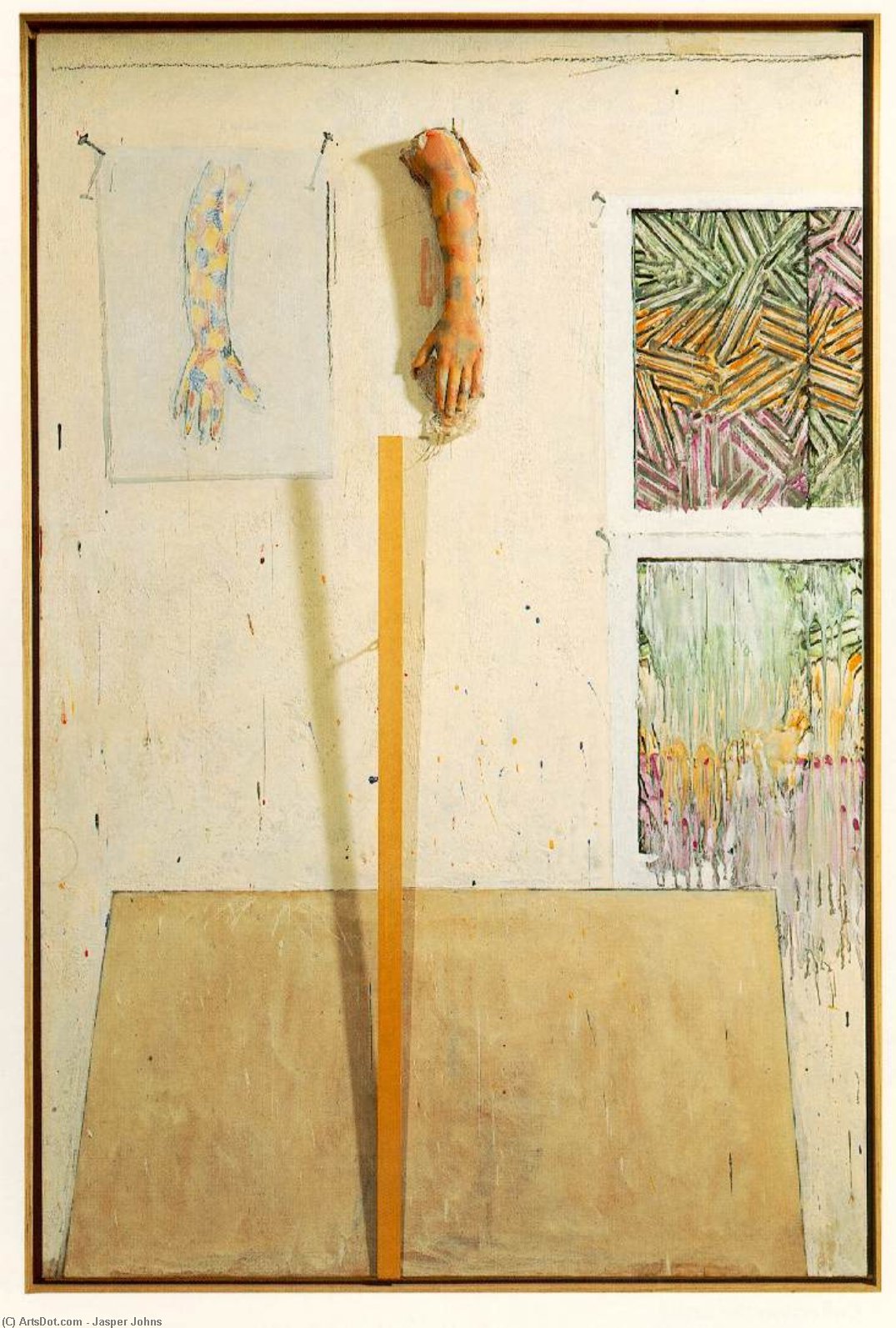
In the Studio

 Lees meer
De kunstwerken die op deze pagina worden weergegeven, zijn beschermd door de auteursrechtwetgeving, wat betekent dat het ons wettelijk niet is toegestaan om identieke reproducties te maken of te verkopen. Deze bescherming wordt gehandhaafd onder internationale overeenkomsten zoals de Conventie van Bern en door nationale wetgeving, waaronder de bepalingen van de Amerikaanse auteurswet - Titel 17. Alle rechten voorbehouden. Reproduceren of distribueren van afbeeldingen is niet toegestaan zonder uitdrukkelijke schriftelijke toestemming van WahooArt.com en de rechthebbenden.
Deze methode voldoet volledig aan de auteursrechtwetgeving, omdat het niet gaat om het kopiëren of dupliceren van het beschermde kunstwerk. In plaats daarvan is er sprake van een creatieve herinterpretatie — een nieuw schilderij dat door het origineel wordt geïnspireerd, maar er niet identiek aan is.
Giclée / Kunstafdrukken
Giclée- of canvasafdruk van museumkwaliteit met een snelle productie en flexibele afwerkingsmogelijkheden. ( Bestel handgeschilderde reproductie Schakel over naar digitale afbeeldingen)




P118B €10

P118H €10

P118W €10

P438Z €10

P508JH €12

P508YH €12

P805H €10

P805Z €10

P919BZ €10

P919G €10

P919XJ €10

P959ZH €10

P968JZ €12

W106C €8

W218G €10

W218JH €8

W218Y €10

W307PJ €10

W316G €10

W316PJ €8

W316Y €10

W398PJ €8

W4111J €10

W500HY €15

W500JH €15

W692G €12

W849H €8

W940BG €15

W953PJ €8




Kies uit onze vooraf ingestelde maten die overeenkomen met de originele verhoudingen van het kunstwerk.

Voer de gewenste breedte en hoogte in, passend bij uw lijst of muur. Een afdruk kan alleen worden ingekort en nooit groter worden gemaakt dan het origineel; een formaat met andere verhoudingen zal daarom een deel van de afbeelding verliezen. Wij sturen u een digitaal mockup ter goedkeuring voordat we tot drukwerk overgaan. De afbeelding op deze pagina toont niet de werkelijke uitsnede — dit is alleen te zien op het mockup.
Wereldwijde levering () binnen 2 weken in plaats van de standaard 4/5 weken. (10 november)

Gratis wereldwijde expressverzending

Hoogwaardig linnen canvas

Volledige verzendverzekering

Garantie op terugbetaling van invoerrechten

Garantie op exacte kleurweergave

Retourbeleid van 100 dagen (alleen bij defecten)

100% Geld-terug-garantie

Korting bij meerdere afnames
 De optie voor glas is alleen beschikbaar bij een formaat kleiner dan 110 cm.

In the Studio
Giclée / Kunstafdrukken
Afmetingen reproductie
-


Eindtotaal
€ 73
In the Studio – A Surreal Echo of Artistic Struggle
The artwork, “In the Studio” by Jasper Johns, stands as a haunting meditation on creativity and isolation—a piece that transcends mere visual representation to delve into profound psychological themes. Executed in oil paint on canvas, this enigmatic composition captures a moment frozen in time within an artist’s workspace, presenting a tableau of unsettling beauty and symbolic resonance. Its muted palette – predominantly beige and cream for the wall – immediately establishes a sense of age and vulnerability, mirroring perhaps the anxieties inherent in confronting one's own artistic process.Style & Technique: Surrealism Infused with Expressionism
Johns’ approach aligns seamlessly with both Surrealist and Expressionist sensibilities. The loose brushwork employed throughout—particularly on the textured wall—creates a palpable physicality that contrasts sharply with the ethereal quality of the abstract windows. This textural layering contributes to an overall feeling of unease, mirroring the artist's internal turmoil. The technique prioritizes capturing emotion rather than precise observation, evident in the bold colors splashed across the window panes – pinks, purples, and blues—which erupt from geometric grids with a deliberate disregard for conventional perspective. It’s a masterful blend that elevates the artwork beyond simple depiction into a powerful statement about artistic experience.Historical Context & Symbolism: Detachment and Fragmentation
Painted in the aftermath of World War II, “In the Studio” reflects the broader anxieties of the era—a period marked by disillusionment and questioning of established norms. Johns’ exploration of fragmented forms and symbolic imagery speaks to the psychological complexities of the time. The prominent severed arm hanging on the wall serves as a potent emblem of detachment – representing not only physical separation but also the artist's fractured self-perception. This unsettling visual motif underscores the difficulty of achieving wholeness in creative endeavor, mirroring Johns’ own personal struggles with identity and belonging.Emotional Impact & Artistic Legacy
“In the Studio” compels viewers to confront uncomfortable truths about artistic ambition and vulnerability. The artwork’s subdued colors and textured surface evoke a sense of melancholy and contemplation, inviting introspection on themes of loss and perseverance. Jasper Johns' masterful manipulation of color and form cemented his place as a pivotal figure in 20th-century art—a pioneer who dared to challenge conventions and explore the subconscious mind. Its enduring appeal lies in its ability to capture the essence of artistic struggle with unflinching honesty, ensuring that “In the Studio” continues to resonate with audiences today.Veelgestelde vragen
Hoe kan ik een reproductie van "In the Studio" door Jasper Johns bekijken?
Om een reproductie van "In the Studio" door Jasper Johns te bekijken, opent u de Voorvertoning pagina van het kunstwerk.
Welke emotie straalt "In the Studio" door Jasper Johns uit?
De emotionele toon die is vastgelegd voor "In the Studio" door Jasper Johns is Melancholic. Het vat het gevoel samen dat het werk uitdrukt.
Waar kan ik de afbeelding van "In the Studio" door Jasper Johns downloaden?
De afbeelding van "In the Studio" door Jasper Johns is te downloaden op de Downloaden-pagina van het kunstwerk: een digitale afbeelding in hoge resolutie om te downloaden.
Biografie kunstenaar
Vroege Leven, Familie en Opleiding
Jasper Johns werd geboren op 15 mei 1930 in Augusta, Georgia. Het huwelijk van zijn ouders eindigde in een scheiding toen hij nog zeer jong was, waardoor hij werd opgevoed in South Carolina. Een groot deel van zijn kindertijd bracht hij door in Allendale, South Carolina, waar hij bij zijn grootouders van vaderskant woonde. Later verbleef hij bij zijn moeder en stiefvader in Columbia, om uiteindelijk bij zijn tante Gladys aan het Lake Murray te trekken. Zijn artistieke reis begon al vroeg; op driejarige leeftijd begon hij al met tekenen. Tegen de tijd dat hij naar de middelbare school ging, was hij al volledig gefocust op zijn ambacht, wat uiteindelijk leidde tot een indrukwekkende afsluiting: hij studeerde af als de beste leerling van het jaar 1947 aan de Edmunds High School in Sumter, South Carolina.
Zijn formele artistieke vorming begon in het zuiden van de Verenigde Staten. Hij volgde drie semesters aan de University of South Carolina in Columbia. Na zijn vertrek van de universiteit verhuisde hij in 1949 naar New York City, de stad die zijn leven zou gaan transformeren. Daar schreef hij zich in bij de Parsons School of Design om zijn studies voort te zetten. Tijdens deze vormende jaren werkte hij diverse bijbanen, waaronder een periode als medewerker in een boekhandel, voordat zijn pad werd onderbroken door de dienstplicht.
Militaire dienst en de terugkeer naar New York
De koers van zijn vroege jaren werd in 1951 abrupt onderbroken toen hij tijdens de Koreaanse Oorlog werd opgeroepen voor de dienst in het Amerikaanse leger. Deze periode van militaire plicht voerde hem weg van de kunstscholen aan de oostkust en plaatste hem in twee uiterst verschillende werelden. Hij was gestationeerd bij Fort Jackson in South Carolina, voordat hij werd uitgezonden naar Sendai, Japan. Deze jaren van militaire dienst creëerden een noodzakelijke afstand tot de bruisende kunstwereld die hij in New York net begon te verkennen.
Tegen de zomer van 1953 keerde hij terug naar New York City. De stad was op dat moment een plek van transitie, en hij vond werk bij Marboro Books. Deze periode van werkzaamheden stelde hem in staat om zich weer te nestelen in het stedelijke leven, waarbij hij zich een weg baande door de sociale en artistieke lagen van de metropool. Juist tijdens deze maanden na zijn diensttijd begon hij de verbindingen aan te gaan die zijn latere artistieke praktijk zouden definiëren, werkend zij aan zij met anderen in de lofts en ateliers van de stad.
De opkomst van een nieuwe visuele taal
Tegen 1954 had er een fundamentele verschuiving opgetreden in de wijze waarop objecten op het canvas werden behandeld. In plaats van de spontane, expressieve gebaren die het tijdperk definieerden, ontstond er een beweging naar zaken die de geest reeds kent. Dit betekende het gebruik van symbolen die geen uitleg behoefften: vlaggen, kaarten, doelen, letters en cijfers. Dit waren geen illustraties van specifieke gebeurtenissen, maar eerder herkenbare vormen die werden ingezet om te verkennen hoe wij betekenis waarnemen. Het werk werd een manier om naar de handeling van het zien zelf te kijken, waarbij het vertrouwde werd gebruikt om de aard van de representatie in twijfel te trekken.
Deze benadering hielp hem te vestigen als een centrale figuur in de ontwikkeling van de Amerikaanse naoorlogse kunst. Zijn eerste solotentoonstelling vond plaats in 1958 in de Leo Castelli Gallery, waar de aanwezigheid van deze alledaagse symbolen voor het eerst een breder publiek ontmoette. De schilderijen probeerden de wereld niet te ontvluchten door middel van abstractie; ze brachten de wereld juist de studio binnen via deze verstilde, repetitieve motieven. Door de noodzaak van een narratief weg te strippen, verschoof de focus naar het oppervlak en naar de wijze waarop een symbool functioneert als een visuele code.
Techniek en Artistieke Stijl
Het oppervlak van een schilderij van Jasper Johns voelt vaak zwaar en gelaagd aan. Hij maakte veelvuldig gebruik van encaustiek, een proces waarbij pigment wordt gemengd met hete was om een dikke, getextureerde laag te creëren. Deze methode zorgt voor een fysieke diepte die tastbaar op het canvas rust, waarbij soms collage en krantenpapier direct in de was worden verwerkt. Deze lagen suggereren geen vluchtige, spontane beweging; in plaats daarvan getuigt het werk van een diepe, bewuste controle. Elke lijn en elke vorm lijkt met een specifiek doel te zijn geplaatst, waarmee hij zich distantieert van de chaotische, emotionele druppels die kenmerkend zijn voor andere stijlen uit het midden van de twintigste eeuw. Hij gaf de voorkeur aan een meer berekende benadering van de constructie van een beeld.
Buiten het canvas laat zijn hand zich op vele verschillende manieren zien. Hij bewoog zich tussen de zware textuur van de encaustiek en de precieze, scherpe lijnen van de grafiek. Zijn artistieke praktijk omvatte lithografie, zeefdruk, ets en aquatint. Deze technieken stelden hem in staat om bepaalde vormen en symbolen te herhalen met variërende texturen. Hij gebruikte vaak dezelfde motieven—cijfers, letters of kaarten—om te onderzoeken hoe deze veranderden wanneer de methode van aanbrengen verschoof. Het werk draait om de manier waarop een toeschouwer een vorm herkent en hoe die herkenning verandert wanneer het oppervlak gelaagd of gefragmenteerd is.
- Target (1958)
- White Flag (1955)
- Colored alphabet (ca. 1959)
- False Start (1959)
- Perilous Night (1982)
Iconische Beelden en Meesterwerken
Het werk van Jasper Johns concentreert zich vaak op zaken die de geest al kent. Halverwege de jaren vijftig transformeerde het schilderij Flag (1954–55) de iconische Stars and Stripes tot een collage, waarbij krantenpapier werd samengesmolten met pigment. Deze benadering veranderde een bekend symbool in een tactiel oppervlak van was en papier. De beeldtaal bewoog zich vervolgens van deze grote, vlakke symbolen naar meer geconcentreerde vormen. De serie met doelen volgde, waarbij de schietschijf werd gebruikt om te bevragen hoe een toeschouwer een eenvoudige vorm waarneemt. Een dergelijk werk, Target with Four Faces (1958), plaatste gezichten binnen het rode veld, wat door hun repetitieve, expressieloze rangschikking een gevoel van onbehagen creëerde.
De focus op herkenbare objecten zette zich voort in de jaren zestig. Het werk Map uit 1961 maakte gebruik van gefragmenteerde afbeeldingen van de Verenigde Staten om naar geografie en identiteit te kijken. Deze periode zag ook een verschuiving naar driedimensionale vormen die alledaagse voorwerpen nabootsten. In 1960 werd de Painted Bronze (Beer Cans) serie vervaardigd. Deze sculpturen werden in brons gegoten maar beschilderd om er exact uit te zien als de gewone objecten die ze representeerden, waardoor de grens tussen een echt object en een geschilderd object vervaagde.
- White Flag (1955)
- Three Flags (1958)
- False Start (1959)
- Colored Alphabet (circa 1959)
Een kring van invloedrijke metgezellen
In de lofts van Manhattan was de lucht dik van gedeelde ideeën en de stille wrijving van nabijheid. Jasper Johns woonde in aangrenzende appartementen van Robert Rauschenberg, een relatie die tot 1961 zowel romantisch als artistiek van aard was. Ze brachten hun dagen door met het ontwerpen van etalages voor winkels als Tiffany en Bonwit Teller, waarbij ze zij aan zij werkten om het alledaagse te transformeren tot iets volstrekt nieuws. Deze nabijheid betekende dat hun werk voortdurend in dialoog was; een voortdurende uitwisseling van gedachten en visuele experimenten die hielp een nieuwe richting te bepalen voor de Amerikaanse kunst.
De kring van invloeders strekte zich uit naar de domeinen van geluid en beweging. Jasper Johns was een goede vriend van de componist John Cage en de choreograaf Merce Cunningham. Deze connecties brachten een ander soort ritme in zijn denken, geworteld in de avant-garde. Hij bewoog zich door een landschap waarin de grenzen tussen verschillende disciplines poreus waren, beïnvloed door de manier waarop Cage en Cunningham de concepten structuur en toeval benaderden. Zelfs de ideeën van Marcel Duchamp bleven op de achtergrond aanwezig en boden een kader om de essentie van wat een object kon representeren, wanneer het binnen een lijst werd geplaatst, fundamenteel in twijfel te trekken.
Nalatenschap en Blijvende Invloed
De verschuiving van de spontane, expressieve gebaren van het Abstract Expressionisme naar de herkenbare beeldtaal van de Pop Art vond grotendeels plaats door zijn handen. Door objecten die de geest al kent—vlaggen, doelen en cijfers—te nemen en deze te behandelen als onderwerpen voor diepgaand onderzoek, veranderde hij de manier waarop kunstenaars het canvas benaderden. Deze beweging naar het alledaagse plaveide de weg voor het werk van Andy Warhol en Roy Lichtenstein, die later voortbouwden op deze ideeën van massacultuur en consumptiegoederen.
Zijn aanwezigheid in de kunstwereld is gekenmerkt door aanzienlijke erkenning. In 1988 werd hij bekroond met de Gouden Leeuw tijdens de Biënnale van Venetië. Later, in 2011, ontving hij de Presidential Medal of Freedom. Deze eerbewijzen weerspiegelen een carrière die in het teken stond van het bevragen van de aard van representatie en de manier waarop symbolen functioneren in een voortdurend veranderende samenleving.
- Flag (1954–55)
- Target (1958)
- Map (1961)
- Perilous Night (1982)
Waar zijn zijn werken vandaag de dag te zien
Om zijn schilderijen en sculpturen in het echt te ervaren, is een reis naar New York City vaak de beste bestemming. Het Museum of Modern Art herbergt verschillende van zijn meesterwerken, terwijl ook het Whitney Museum of American Art en het Metropolitan Museum of Art zijn werk in hun prestigieuze collecties hebben opgenomen. Deze instituten bieden een blik op de verschillende stadia van zijn artistieke evolutie, van zijn vroege experimenten met encaustiek tot zijn latere, diepgaande verkenningen van het atelier van de kunstenaar.
Zijn artistieke aanwezigheid reikt echter veel verder dan de grenzen van de Verenigde Staten. In Londen bewaart Tate Modern werken die zijn langdurige fascinatie weerspiegelen voor de manier waarop wij vertrouwde symbolen waarnemen. Het aanschouwen van deze objecten in zulke uiteenlopende omgevingen biedt de mogelijkheid om met een scherper oog te kijken naar hoe zijn gebruik van textuur en herhaling verandert onder invloed van verschillende lichtinval.
- White Flag, 1955
- Target, 1958
- Map, 1961
- Perilous Night, 1982
- Dancers on a Plane, circa 1964

Jasper Johns
1930 - , Verenigde Staten
Belangrijkste feiten
- Bekende Kunstwerken:
- Flag
- Target
- Map
- False Start
- White Flag
- Geboortedatum: 1930
- Geboorteplaats: Augusta, Verenigde Staten van Amerika
- Kunstenaars Die Deze Kunstenaar Hebben Beïnvloed: ['Marcel Duchamp']
- Kunstenaars Of Stromingen Beïnvloed Door Deze Kunstenaar:
- Pop Art
- Andy Warhol
- Roy Lichtenstein
- Nationaliteit: Amerikaans
- Volledige Naam: Jasper Johns
Gerelateerde artikelen

John Singer Sargent's Top 25 Meesterwerken: Portretten & Schilderijen voor uw Interieur | OriginalUniqueArt
Ontdek de 25 mooiste meesterwerken van John Singer Sargent! Van elegante portretten tot impressionistische schilderijen – leer over zijn leven, techniek & impact. Museumkwaliteit reproducties voor uw interieur op OriginalUniqueArt.com.
The Soul of Color: A Journey into the Emotional Resonance of Lyrical Abstraction
Embark on a cultural journey through Lyrical Abstraction. Explore how masters like Kandinsky used color and motion to translate emotion into visual poetry. Discover the profound beauty of abstract expressionism and learn to curate emotional resonance in your own art collection.

Top 10 Abstract Expressionisme Meesterwerken: Kunst voor uw Interieur | OriginalUniqueArt.com
Ontdek de 10 meest invloedrijke werken van Abstract Expressionisme! Leer over Jackson Pollock, Mark Rothko & meer. Museumkwaliteit kunst reproducties voor uw interieur. Bekijk de collectie op OriginalUniqueArt.com.

John Constable's Top 25 Meesterwerken: Landschappen die de Ziel Raaken | OriginalUniqueArt
Ontdek de 25 mooiste schilderijen van John Constable, meester van de Engelse Romantiek. Van idyllische landschappen tot iconische Hay Wain – bewonder zijn techniek en emotie. Museumkwaliteit reproducties & decoratie op OriginalUniqueArt.com.
Lyrical Abstraction: The Emotional Power of Color and Form in Modern Art History
Explore the profound emotional depth of Lyrical Abstraction. Discover how masters like Raymond Parker used color and form to bridge Impressionism and Abstract Expressionism. Learn about this pivotal movement through our expert-led art history guide.


