

 Voorvertoning
 Verstuur
 Delen
Delen
 Details bekijken

 Download
 Vergelijkbare items
 Röntgenonderzoek
 Diavoorstelling
The Ford
 Oil On Canvas
- WallArt
- Baroque Landscape Painting
 1670
1670- Early Modern
 64.0 x 54.0 cm
 Staatliche Museen zu Berlin
 Lees meer
Giclée / Kunstafdrukken
Giclée- of canvasafdruk van museumkwaliteit met een snelle productie en flexibele afwerkingsmogelijkheden. ( Bestel handgeschilderde reproductie Koop afbeelding)




P118B $10

P118H $10

P118W $10

P438Z $10

P508JH $12

P508YH $12

P805H $10

P805Z $10

P919BZ $10

P919G $10

P919XJ $10

P959ZH $10

P968JZ $12

W106C $8

W218G $10

W218JH $8

W218Y $10

W307PJ $10

W316G $10

W316PJ $8

W316Y $10

W398PJ $8

W4111J $10

W500HY $15

W500JH $15

W692G $12

W849H $8

W940BG $15

W953PJ $8




Kies uit onze vooraf ingestelde maten die overeenkomen met de originele verhoudingen van het kunstwerk.

U kunt uw eigen afmetingen opgeven om in een specifieke lijst of ruimte te passen. Als de door u gekozen maat niet overeenkomt met de proporties van het originele kunstwerk, zullen wij de afbeelding bijsnijden of uitbreiden met een gespiegelde of effen rand. Een digitaal mockup wordt ter goedkeuring naar u verzonden voordat de productie begint.
Houd er rekening mee dat de preview op het scherm de werkelijke bijsneding of uitbreiding niet weergeeft. Alleen de mockup toont de uiteindelijke compositie nauwkeurig.
Hoewel aangepaste maten beschikbaar zijn, raden wij aan een afmeting uit de vooraf bepaalde lijst te kiezen om de originele proporties te behouden.
Wereldwijde levering () binnen 2 weken in plaats van de standaard 4/5 weken. (16 augustus)

Gratis wereldwijde expressverzending

Hoogwaardig linnen canvas

Volledige verzendverzekering

Garantie op terugbetaling van invoerrechten

Garantie op exacte kleurweergave

Retourbeleid van 60 dagen (alleen bij defecten)

100% Geld-terug-garantie

Korting bij meerdere afnames
 De optie voor glas is alleen beschikbaar bij een formaat kleiner dan 110 cm.

The Ford
Giclée / Kunstafdrukken
Afmetingen reproductie
-


Eindtotaal
$ 81
Beschrijving verzamelobject
A Flemish Vision in England: Exploring Jan Siberechts’ “The Ford”
Jan Siberechts’ “The Ford,” completed in 1670, stands as a remarkable testament to the evolving artistic landscape of seventeenth-century Europe. Situated at the crossroads between Flemish Baroque tradition and burgeoning English landscape painting—a period marked by significant cultural exchange—the artwork offers a captivating glimpse into both stylistic influences and broader societal concerns.
Subject Matter and Composition
The scene depicts a tranquil riverside vista populated by livestock – cows, horses, and dogs – overseen by a woman carrying a basket. This seemingly simple composition belies a complex layering of symbolism rooted in Flemish pastoral iconography. Cows traditionally represented fertility and prosperity within the Dutch Republic, while horses symbolized nobility and strength. The presence of dogs underscored themes of loyalty and guardianship.
Stylistic Influences: Baroque Meets Landscape
Siberechts’ approach aligns closely with the Baroque aesthetic prevalent in Antwerp at the time—characterized by dramatic lighting, rich color palettes, and meticulous detail. However, unlike purely topographical depictions favored by English artists, “The Ford” incorporates elements of landscape painting, albeit subtly integrated into the overall narrative framework. This blending reflects the growing fascination with capturing atmospheric effects and conveying emotional resonance – a hallmark of Baroque art’s ambition.
Technique: Oil Paint on Canvas
Executed in oil paint on canvas—a technique common to Flemish masters—Siberechts employed meticulous brushwork to achieve textural realism. Careful attention was paid to rendering the surfaces of the animals and foliage, creating a palpable sense of depth and luminosity. The artist skillfully utilized chiaroscuro – the interplay between light and shadow – to heighten dramatic tension and guide the viewer’s gaze.
Historical Context: Patronage and Artistic Innovation
"The Ford" was commissioned by a wealthy landowner, demonstrating the importance of aristocratic patronage in fostering artistic innovation. Siberechts' work exemplifies the broader trend toward depicting idealized rural life—a genre that resonated deeply with audiences eager for escapism from urban anxieties. It represents not merely a beautiful landscape but also an articulation of humanist values – harmony between humanity and nature – reflecting the intellectual currents shaping seventeenth-century Europe.
Emotional Impact: Serenity Amidst Pastoral Beauty
Ultimately, “The Ford” succeeds in evoking a profound sense of serenity and contemplative wonder. The artist’s masterful handling of color and light contributes to an atmosphere of tranquility, inviting viewers to immerse themselves in the idyllic beauty of the riverside scene. It serves as a poignant reminder of the enduring power of art to capture fleeting moments of sublime experience—a legacy that continues to inspire admiration centuries later.
Biografie van de kunstenaar
A Flemish Vision in England: The Life and Art of Jan Siberechts
Jan Siberechts, born in Antwerp in 1627, occupies a fascinating position in the history of European art—a bridge between the vibrant traditions of Flemish painting and the burgeoning landscape tradition of England. His story is one of artistic development, fortunate patronage, and ultimately, pioneering influence. The son of a sculptor also named Jan Siberechts, he received his initial training within the family workshop, absorbing the skills and aesthetic sensibilities that would form the foundation of his career. By 1648, he had achieved master status in the prestigious Guild of Saint Luke in Antwerp, signaling his recognition as a skilled craftsman. While concrete evidence remains elusive, art historians speculate about a possible sojourn to Italy during the late 1640s or early 1650s. Though unconfirmed, this potential exposure to Italianate landscape painting—with its emphasis on classical compositions and atmospheric perspective—undoubtedly left an imprint on his evolving style, visible in the early works that showcase a delicate balance between Flemish realism and Italianate ideals.Early Training and Artistic Foundations
Siberechts’ formative years were steeped in the artistic heritage of Antwerp, a city renowned for its sculptural tradition and vibrant guild system. His father instilled in him a deep appreciation for craftsmanship and meticulous observation—skills that would prove invaluable throughout his life’s artistic journey. The Guild of Saint Luke provided him with formal training and established standards of excellence, ensuring he mastered the techniques necessary to excel as a painter. Although biographical details remain sparse, scholarly research suggests Siberechts may have traveled briefly to Italy during this period, immersing himself in the stylistic innovations emerging from Rome. This encounter would undoubtedly broaden his artistic horizons and introduce him to influential figures like Nicolaes Berchem and Karel Dujardin—masters of pastoral landscapes who skillfully blended Flemish realism with Italianate ideals. Their works served as a crucial springboard for Siberechts’ own developing style, shaping his approach to composition, color palette, and atmospheric rendering.The Influence of Dutch Masters
Siberechts' artistic sensibilities were profoundly shaped by the prevailing artistic currents of the Netherlands during his early career. Nicolaes Berchem and Karel Dujardin—artists who had achieved considerable renown in Rome—were particularly admired for their depictions of idyllic rural scenes bathed in soft, diffused light. Siberechts meticulously studied their techniques, absorbing their mastery of chiaroscuro (the interplay of light and shadow) and their ability to convey a sense of tranquility and beauty. These Dutch masters championed the use of atmospheric perspective—a technique that simulates the effects of distance by blurring colors and reducing detail—creating depth and realism within their canvases. Siberechts adopted this approach, elevating his landscapes beyond mere topographical representations into immersive experiences for the viewer.From Flemish Countryside to English Estates
The 1660s marked a pivotal moment in Siberechts’ artistic trajectory. He decisively turned his gaze towards the landscapes of Flanders—a region characterized by rolling hills, fertile farmland, and picturesque villages—capturing their essence with remarkable precision. However, Siberechts didn't merely reproduce what he saw; he imbued his paintings with an emotional resonance that transcended mere visual accuracy. He populated his canvases with robust figures—often women engaged in everyday tasks—dressed in brilliantly colored clothing that punctuated the verdant scenes. These figures weren’t simply decorative elements; they served as conduits for conveying human emotion and embodying the rhythms of rural life. Siberechts skillfully manipulated water reflections, creating visual echoes and adding depth to his compositions. This technique mirrored the stylistic innovations championed by Berchem and Dujardin—artists who had mastered the art of capturing atmospheric effects with breathtaking subtlety.A Pioneer in English Landscape Painting
Siberechts’ artistic journey took an unexpected turn when he accepted an invitation from George Villiers, the Second Duke of Buckingham, to decorate Cliveden House—a lavish estate nestled on the banks of the Thames River. This commission presented him with a unique opportunity to experiment with new approaches to landscape painting and establish himself as a leader in this burgeoning genre. He skillfully employed a technique known as “aerial perspective,” simulating the effects of distance by blurring colors and reducing detail—a method that distinguished his work from earlier Dutch landscapes. Siberechts’ meticulous attention to detail—combined with his masterful use of color and light—created canvases that captured not only the physical appearance of Cliveden but also its spirit and grandeur. His subsequent commissions for aristocratic patrons solidified his reputation as a visionary artist who understood how to convey emotion and elevate landscape painting beyond mere topographical representation. He became recognized as the “father of British landscape,” profoundly influencing generations of artists who followed. ## Legacy and Artistic Significance Jan Siberechts’ contribution to art history is undeniable. His pioneering exploration of aerial perspective—a technique that would become synonymous with English landscape painting—transformed artistic conventions and elevated visual storytelling. Approximately one hundred works attributed to Siberechts have survived, offering invaluable insight into his stylistic evolution and artistic vision. He skillfully blended Flemish realism with Italianate ideals—a synthesis that reflected the broader cultural currents shaping Europe during the Baroque period. His landscapes continue to inspire admiration for their beauty and technical brilliance, serving as enduring reminders of a pivotal moment in artistic history. Siberechts’ legacy extends beyond his individual paintings; he established a precedent for documenting English estates with sensitivity and artistry—a tradition that continues to resonate with viewers today.
Jan Siberechts
1627 - 1703 , België
Belangrijkste feiten
- Artistic Movement Or Style: Landschapsschilderkunst
- Artists Or Movements Influenced By This Artist: ['David Teniers de Jeune']
- Artists Who Influenced This Artist:
- Nicolaes Berchem
- Karel Dujardin
- Date Of Birth: 1627
- Date Of Death: 1703
- Full Name: Jan Siberechts
- Nationality: Nederlands
- Notable Artworks:
- Het Ford
- PAYSAGE AVEC FIGURES
- Belsize Estate
- Place Of Birth: Antwerpen, België
Gerelateerde artikelen

Idyllic Visions: Exploring the Pastoral Scene in Art History – From Arcadia to Modern Interpretations
Explore the captivating history of pastoral art from classical Arcadia to modern masterpieces. Discover key artists like Millet & Cole at OriginalUniqueArt. Find serene landscape paintings for your home.
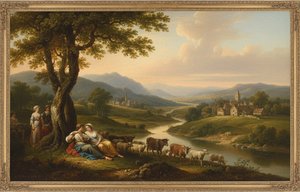
Idyllic Visions: Exploring the Pastoral Tradition in Western Art – Themes, Techniques & Enduring Appeal
Explore the rich history of pastoral art from classical Arcadia to contemporary interpretations. Discover key artists, themes & collecting tips at OriginalUniqueArt.
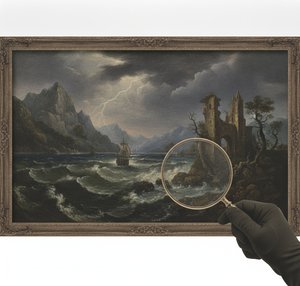
Epic Drama & Dark Vibes: The Ultimate Collector's Guide to Baroque Landscapes
Master the art of drama with our ultimate guide to Baroque landscapes. Discover the power of chiaroscuro, explore legendary masters, and learn how to curate epic, dark-vibe masterpieces for your collection with expert insights from OriginalUniqueArt.
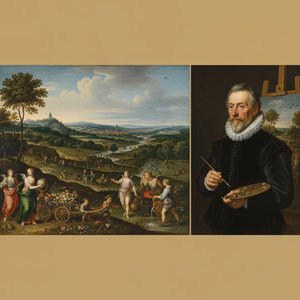
Jan Brueghel the Elder: A Master of Flemish Landscape & Allegory – Exploring Innovation & Influence
Explore the captivating world of Jan Brueghel the Elder, a Flemish Baroque master renowned for his stunning landscapes & allegorical paintings. Discover his collaborations with Rubens and lasting artistic legacy.
Top 10 Landschappen in de Kunstgeschiedenis: Schilderijen & Decoratie Inspiratie
Ontdek de top 10 landschapschilderijen van Monet, Van Gogh & meer! Duik in de geschiedenis en betekenis achter deze iconische kunstwerken. Vind museumkwaliteit reproducties & interieurinspiratie op OriginalUniqueArt.com.

