

 Bekijk op ware grootte
 Verstuur
 Delen
Delen
 Details bekijken
 Gids voor studentenkunstwerken

 Download
 Vergelijkbare items
 Röntgenonderzoek
 Diavoorstelling
 Statistieken
The Crucifixion


 Lees meer
Giclée / Kunstafdrukken
Giclée- of canvasafdruk van museumkwaliteit met een snelle productie en flexibele afwerkingsmogelijkheden. ( Koop handgeschilderd kunstwerk Schakel over naar digitale afbeeldingen)




P118B $10

P118H $10

P118W $10

P438Z $10

P508JH $12

P508YH $12

P805H $10

P805Z $10

P919BZ $10

P919G $10

P919XJ $10

P959ZH $10

P968JZ $12

W106C $8

W218G $10

W218JH $8

W218Y $10

W307PJ $10

W316G $10

W316PJ $8

W316Y $10

W398PJ $8

W4111J $10

W500HY $15

W500JH $15

W692G $12

W849H $8

W940BG $15

W953PJ $8




Kies uit onze vooraf ingestelde maten die overeenkomen met de originele verhoudingen van het kunstwerk.

U kunt uw eigen afmetingen opgeven om in een specifieke lijst of ruimte te passen. Als de door u gekozen maat niet overeenkomt met de proporties van het originele kunstwerk, zullen wij de afbeelding bijsnijden of uitbreiden met een gespiegelde of effen rand. Een digitaal mockup wordt ter goedkeuring naar u verzonden voordat de productie begint.
Houd er rekening mee dat de preview op het scherm de werkelijke bijsneding of uitbreiding niet weergeeft. Alleen de mockup toont de uiteindelijke compositie nauwkeurig.
Hoewel aangepaste maten beschikbaar zijn, raden wij aan een afmeting uit de vooraf bepaalde lijst te kiezen om de originele proporties te behouden.
Wereldwijde levering () binnen 2 weken in plaats van de standaard 4/5 weken. (25 september)

Gratis wereldwijde expressverzending

Hoogwaardig linnen canvas

Volledige verzendverzekering

Garantie op terugbetaling van invoerrechten

Garantie op exacte kleurweergave

Retourbeleid van 100 dagen (alleen bij defecten)

100% Geld-terug-garantie

Korting bij meerdere afnames
 De optie voor glas is alleen beschikbaar bij een formaat kleiner dan 110 cm.

The Crucifixion
Giclée / Kunstafdrukken
Formaat reproductie
-


Totaalprijs
$ 81
The Crucifixion: A Window into Northern Renaissance Grief
Jan Brueghel the Elder’s “The Crucifixion” is not merely a depiction of a pivotal religious event; it's a profound exploration of human response to suffering, rendered with the meticulous detail and emotional depth characteristic of the Flemish Baroque. Painted in Brussels around 1597-1602, this monumental oil on panel offers a visceral experience, pulling the viewer into a chaotic yet deeply moving tableau of grief, curiosity, and detached observation within the context of a Roman crucifixion.
The painting immediately commands attention with its densely populated composition. Brueghel masterfully orchestrates a multitude of figures – mourners draped in somber hues, onlookers scrutinizing the scene with varying degrees of emotion, and even a few individuals seemingly absorbed in their own activities amidst the tragedy. The landscape backdrop, dominated by rolling hills, a distant castle-like structure, and a turbulent sky, provides both spatial context and symbolic weight. The high horizon line amplifies the sense of overwhelming scale, emphasizing the sheer number of people bearing witness to this horrific event.
Brueghel’s technique is a testament to his artistic prowess. He employs a layered approach, building up color and texture through countless thin glazes of oil paint – a hallmark of Northern Renaissance painting. The artist's mastery of hatching and cross-hatching creates a remarkable sense of realism, particularly in the rendering of clothing, faces, and the rough textures of the landscape. Notice how the folds of fabric cling realistically to the bodies of the mourners, while subtle variations in tone capture the nuances of skin and expression. The use of dark blues and grays in the sky contributes significantly to the painting’s somber mood, creating a dramatic contrast with the brighter colors worn by some of the onlookers.
A Symphony of Emotion: Interpreting the Crowd
What truly distinguishes “The Crucifixion” is Brueghel's astute portrayal of human reaction. He doesn’t shy away from depicting the unsettling mixture of emotions present in a crowd witnessing such an event. Some figures are openly weeping, their faces etched with sorrow; others stand silently, lost in contemplation; still others gaze upon the scene with a detached curiosity, almost as if observing a spectacle. This nuanced depiction challenges viewers to consider not only the suffering of Christ but also the complex ways in which humans grapple with tragedy and mortality.
The inclusion of seemingly mundane activities within the scene – a man carrying a basket, a woman tending to a child – underscores Brueghel’s intention to portray the Crucifixion as a universal event, reflecting the human condition. It's a deliberate move away from purely devotional representations, inviting viewers to contemplate the broader implications of suffering and faith.
Symbolism Woven into the Canvas
Beyond its immediate depiction of the crucifixion, “The Crucifixion” is rich in symbolic meaning. The stormy sky serves as a potent metaphor for turmoil and despair, mirroring the emotional landscape of the scene. The distant castle, often interpreted as representing Rome – the seat of imperial power and execution – subtly highlights the political context of Christ’s death. Furthermore, the sheer number of figures present suggests the universality of suffering and the shared experience of mortality.
The positioning of the two prominent crucifixes in the foreground is particularly significant. They serve as focal points, drawing the viewer's eye to the central event while simultaneously emphasizing the enduring nature of faith and sacrifice. The act of crucifixion itself, a brutal and agonizing form of execution, becomes a symbol of redemption and hope within the Christian narrative.
A Legacy of Flemish Mastery
“The Crucifixion” stands as a remarkable achievement in Northern Renaissance art, showcasing Jan Brueghel the Elder’s exceptional technical skill, his profound understanding of human psychology, and his ability to imbue religious subjects with emotional resonance. It shares stylistic similarities with the work of his uncle, Pieter Bruegel the Elder, particularly in its focus on genre scenes depicting everyday life alongside grand historical or religious narratives. However, Jan Brueghel’s painting possesses a greater degree of psychological depth and dramatic intensity.
This powerful image continues to resonate with viewers today, offering a timeless meditation on faith, suffering, and the enduring complexities of the human spirit. Reproductions of “The Crucifixion” provide an accessible way to experience the artistry and emotional impact of this iconic masterpiece, bringing its profound message into homes and spaces around the world.
Biografie van de kunstenaar
Een Erfgoed Geworteld in Vlaamse Grond
Jan Brueghel de Oude, een naam synoniem met levendige landschappen en uiterst gedetailleerde stillevens, kwam voort uit een afkomst doordrenkt van artistieke traditie. Geboren in Brussel in 1568 was hij de jongste zoon van Pieter Bruegel de Oude, die als titanische figuur in de Nederlandse Renaissance schilderkunst al zijn plaats had veroverd met zijn weergaven van boerenleven en uitgestrekte panorama's. De schaduw van zo’n vader zou verstikkend kunnen zijn geweest, maar Jan smidde zijn eigen unieke pad, werd niet slechts een erfgenaam maar ook een vernieuwer binnen de opkomende Vlaamse Barok. Zijn vroege jaren werden gekenmerkt door verlies; Pieter Bruegel de Oude stierf toen Jan nauwelijks een jaar oud was en zijn moeder overleed tien jaar later. Opgevoed door zijn grootmoeder, Mayken Verhulst—zelf een gerespecteerde kunstenares—ontving Jan een fundamentele opleiding in tekenen en aquarel, een voedzame start die zou uitbloeien tot een levenslange toewijding aan nauwkeurige observatie en technische beheersing. De invloed van deze vroege opvoeding, gecombineerd met de artistieke geestdrift van Antwerpen waar hij zijn studies voortzette, legde de basis voor een carrière die werd gekenmerkt door zowel geërfde vaardigheid als persoonlijke visie.
De Bloei van een Barok Visie
Brueghels artistieke ontwikkeling werd diepgaand beïnvloed door zijn reizen naar Italië in de jaren 1590. Napels en Rome boden hem blootstelling aan een andere esthetische gevoeligheid, gekenmerkt door grootsheid, drama en een verhoogd gevoel voor kleur. Hoewel hij deze invloeden absorbeerde, repliceerde hij ze niet simpelweg; in plaats daarvan synthetiseerde hij ze met de Noord-Europese traditie van gedetailleerd realisme die hij van zijn vader had geërfd. Deze fusie resulteerde in een unieke stijl—die zowel de pracht van de Italiaanse Barok als de minutieuze precisie van Vlaamse schilderkunst vierde. Hij werd bekend als “Velvet Brueghel” vanwege zijn vermogen om texturen met verbazingwekkende getrouwheid weer te geven, vooral in zijn bloemschilderijen. Dit waren niet louter botanische studies; het waren vieringen van de vluchtige schoonheid van het leven, doordrenkt van symbolische betekenis. Naast bloemen excelleerde Brueghel in landschappen, vaak idyllische scènes die wemelden van figuren die zich bezighielden met dagelijkse activiteiten of mythologische verhalen. Zijn composities worden gekenmerkt door een panoramisch bereik en een bijna obsessieve aandacht voor detail—elk blad, elk insect, elke rimpeling in het water wordt met uiterste precisie weergegeven.
Collaboratie en Innovatie
Jan Brueghels carrière werd niet alleen gedefinieerd door individuele prestaties; hij was ook een meesterlijke collaborator. Zijn meest significante partnerschap was met Peter Paul Rubens, wellicht de invloedrijkste kunstenaar van de Vlaamse Barok. De twee artiesten deelden een hechte vriendschap en werkten regelmatig samen aan grootschalige projecten, waarbij ze elk hun unieke sterke punten inbrachten. Doorgaans schilderde Rubens de figuren terwijl Brueghel zich richtte op de landschappen en stillevens. Deze samenwerking resulteerde in enkele van de meest adembenemende werken uit het tijdperk, zoals *Adam en Eva in het Paradijs*, waar Rubens’ dynamische figuren naadloos zijn geïntegreerd in Brueghels weelderige en gedetailleerde tuinomgeving. Naast zijn partnerschap met Rubens was Brueghel een productieve vernieuwer, die nieuwe genres pionierde zoals bloemguirlandes—uitgebreide arrangementen van bloemen die vaak religieuze of mythologische scènes omlijsten—en paradijslandschappen, die elementen van zowel landschap als stillevens combineerden om fantastische visies van aardse vreugde te creëren. Hij ontwikkelde ook galerijschilderijen, waarin collecties kunstwerken werden gepresenteerd binnen denkbeeldige museumomgevingen, wat de groeiende interesse in kunstverzameling tijdens de 17e eeuw weerspiegelde.
Een Blijvende Invloed
Jan Brueghel de Oude stierf in Antwerpen in 1625 en liet een nalatenschap achter die verder reikte dan zijn eigen levenstijd. Zijn minutieuze techniek, levendige kleurenpaletten en innovatieve composities hadden een diepe invloed op volgende generaties Vlaamse schilders. Hij stelde nieuwe normen voor detail en realisme vast en inspireerde kunstenaars om de grenzen van hun vak te verleggen. Zijn zoon, Jan Brueghel de Jongere, zette zijn vaders werk voort en creëerde vaak werken die moeilijk te onderscheiden waren van die van de oudere meester. Het was echter Jan Brueghel de Oude die werkelijk de reputatie van de familie vestigde en zijn plaats als een sleutelfiguur in de kunstgeschiedenis verankerde. Zijn werk weerspiegelt niet alleen de artistieke stromingen van zijn tijd, maar ook de bredere intellectuele en culturele verschuivingen van de 17e eeuw, waaronder de opkomst van wetenschappelijke observatie, de bloei van religieuze ijver tijdens de Contrareformatie en de groeiende waardering voor de schoonheid en complexiteit van de natuurlijke wereld. Brueghels schilderijen blijven ook vandaag nog publiek boeien met hun exquise detail, levendige kleuren en blijvende gevoel van verwondering.
- Bekend als “Velvet Brueghel” vanwege zijn meesterlijke weergave van texturen.
- Pionierde bloemguirlandes en paradijslandschappen.
- Nauwe collaborator met Peter Paul Rubens.

Jan Breughel De Oude
1568 - 1625 , België
Snelle feiten
- Artistieke Stroming: Flemish Baroque
- Bekende Werken:
- De Triomf van Neptunus
- Stilleven met Bloemen
- Beïnvloed Door Kunstenaars: ['Pieter Bruegel de Oude']
- Geboortedatum: 1568
- Geboorteplaats: Brussel, België
- Kunstenaars Beïnvloed: ['Vlaamse schilders']
- Nationaliteit: Vlaams
- Overlijdensdatum: 1625
- Volledige Naam: Jan Brueghel de Oude
Gerelateerde artikelen

Mastering Drama and Light: A Definitive Guide to the Flemish Baroque Art Movement
Explore the dramatic brilliance of the Flemish Baroque movement. Discover how masters like Peter Paul Rubens utilized chiaroscuro and dynamic composition to redefine art history through light, shadow, and unparalleled emotion.

The Majesty of Flemish Baroque: A Definitive Guide to Drama, Color, and Grandeur in 17th-Century Masterpieces
Explore the grandeur of Flemish Baroque art. Uncover the dramatic legacy of Peter Paul Rubens and the mastery of light and color. Discover museum-grade, hand-painted oil reproductions and custom commissions at OriginalUniqueArt.com—where history meets fine craftsmanship.

Oil on Canvas: A Historical & Technical Exploration of a Timeless Artistic Medium
Explore the rich history & enduring techniques of oil painting on canvas. Discover the science behind its longevity, conservation practices, and contemporary relevance. Expert insights for art enthusiasts.

The Dramatic Flourish: Exploring the Baroque Movement's Enduring Legacy in Art History
Explore the dramatic world of Baroque art! Discover iconic artists like Caravaggio & Rubens, defining techniques, and its lasting impact on art history. Expert insights for collectors & enthusiasts at OriginalUniqueArt.
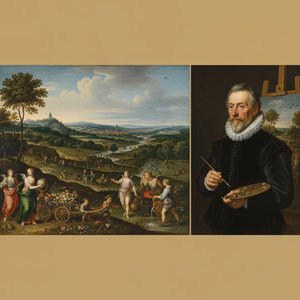
Jan Brueghel the Elder: A Master of Flemish Landscape & Allegory – Exploring Innovation & Influence
Explore the captivating world of Jan Brueghel the Elder, a Flemish Baroque master renowned for his stunning landscapes & allegorical paintings. Discover his collaborations with Rubens and lasting artistic legacy.


