
 Voorvertoning
 Verstuur
 Delen
Delen
 Details bekijken
 Gids
Gids

 Download
 Vergelijkbare items
 Röntgenonderzoek
 Diavoorstelling
 Q&A
Q&A Statistieken
The Ford in the River

- 100.0 x 132.0 cm


 Lees meer
Giclée / Kunstafdrukken
Giclée- of canvasafdruk van museumkwaliteit met een snelle productie en flexibele afwerkingsmogelijkheden. ( Bestel handgeschilderde reproductie Schakel over naar digitale afbeeldingen)




P118B €10

P118H €10

P118W €10

P438Z €10

P508JH €12

P508YH €12

P805H €10

P805Z €10

P919BZ €10

P919G €10

P919XJ €10

P959ZH €10

P968JZ €12

W106C €8

W218G €10

W218JH €8

W218Y €10

W307PJ €10

W316G €10

W316PJ €8

W316Y €10

W398PJ €8

W4111J €10

W500HY €15

W500JH €15

W692G €12

W849H €8

W940BG €15

W953PJ €8




Kies uit onze vooraf ingestelde maten die overeenkomen met de originele verhoudingen van het kunstwerk.

Voer de gewenste breedte en hoogte in, passend bij uw lijst of muur. Een afdruk kan alleen worden ingekort en nooit groter worden gemaakt dan het origineel; een formaat met andere verhoudingen zal daarom een deel van de afbeelding verliezen. Wij sturen u een digitaal mockup ter goedkeuring voordat we tot drukwerk overgaan. De afbeelding op deze pagina toont niet de werkelijke uitsnede — dit is alleen te zien op het mockup.
Wereldwijde levering () binnen 2 weken in plaats van de standaard 4/5 weken. (31 oktober)

Gratis wereldwijde expressverzending

Hoogwaardig linnen canvas

Volledige verzendverzekering

Garantie op terugbetaling van invoerrechten

Garantie op exacte kleurweergave

Retourbeleid van 100 dagen (alleen bij defecten)

100% Geld-terug-garantie

Korting bij meerdere afnames
 De optie voor glas is alleen beschikbaar bij een formaat kleiner dan 110 cm.

The Ford in the River
Giclée / Kunstafdrukken
Afmetingen reproductie
-


Eindtotaal
€ 72
A Timeless Encounter with the Dutch Golden Age
In the quiet depths of Jan Baptist Weenix’s 1647 masterpiece, "The Ford in the River," one finds much more than a mere landscape; one discovers a portal into the soul of the Dutch Golden Age. This monumental canvas, currently preserved within the hallowed halls of the Hermitage Museum, serves as a breathtaking testament to an era where art began to bridge the gap between the rugged reality of Northern Europe and the idealized grandeur of the Italian Renaissance. As your eyes wander across the textured surface, you are immediately swept into a scene of pastoral vitality, where the rhythmic pulse of rural life meets the enduring stillness of antiquity.
The composition is a masterclass in narrative depth, presenting a world teeming with anecdotal detail and human connection. At the heart of the river crossing, figures engage in the humble, everyday rituals of 17th-century existence—a horseman pauses in conversation, while nearby, the subtle movements of travelers and livestock create a sense of spontaneous motion. Weenix does not merely observe; he orchestrates a symphony of movement, where the glistening surface of the water and the heavy, brooding clouds above suggest a fleeting moment captured in the amber of time. For the discerning collector or interior designer, this painting offers an unparalleled sense of gravitas, bringing a sophisticated historical weight to any curated space.
The Alchemy of Light and Italianate Vision
What truly elevates Weenix above his contemporaries is his audacious embrace of the Italianate style. Having traveled through Rome, the artist infused the Dutch landscape with a sense of classical majesty that was revolutionary for its time. The presence of architectural ruins—majestic pillars that hint at a lost, glorious past—transforms a simple river ford into a stage for epic contemplation. This juxtaposition of the ephemeral (the flowing water and passing travelers) against the eternal (the stone ruins) invites the viewer to reflect on the cyclical nature of civilization and the persistence of beauty amidst decay.
Technically, the painting is a triumph of chiaroscuro. Weenix utilizes a dramatic interplay between light and shadow to sculpt the landscape, creating a three-dimensional relief that feels almost tactile. The way the late afternoon light catches the white coat of a prominent horse or illuminates the folds of a traveler's garment demonstrates a profound understanding of tonal richness. Through his meticulous use of oil on canvas, Weenix achieves a textural nuance—from the translucent ripples of the river to the coarse texture of animal hides—that continues to captivate the modern eye. To possess a reproduction of such a work is to invite this masterful manipulation of light into one's own environment, fostering an atmosphere of warmth, depth, and intellectual intrigue.
An Emotional Resonance for the Modern Collector
Beyond its technical brilliance, "The Ford in the River" resonates on a deeply emotional level. It evokes a profound sense of tranquility juxtaposed with endeavor. There is a nostalgic pull to the scene, a longing for a world where the pace of life was dictated by the movement of the seasons and the flow of the river. For those seeking to decorate a sanctuary or a professional study, this artwork provides a focal point that is both stimulating and calming. It does not demand attention through loud colors, but rather earns it through its intricate layers of meaning and its ability to transport the viewer to a different century.
Whether you are an art historian drawn to its stylistic evolution or an interior enthusiast looking for a piece that embodies classical elegance, Weenix’s vision remains strikingly relevant. The painting stands as a bridge between eras, blending the scientific realism of the Dutch tradition with the poetic idealism of the South. It is a piece that rewards repeated viewing, revealing new details—a hidden figure, a shift in the cloudscape, a subtle glint of light—each time it is encountered, making it an enduring investment for any collection dedicated to the heights of European art history.
Veelgestelde vragen
Hoeveel mensen bekijken "The Ford in the River"?
Er bestaat een Statistieken-pagina voor "The Ford in the River". Deze brengt de maandelijkse bezoeken aan het kunstwerk en andere werken van de kunstenaar in kaart, met uitsplitsingen naar land en taal.
Hoe oud was Jan Baptist Weenix toen "The Ford in the River" werd gemaakt?
Jan Baptist Weenix was 26 jaar oud bij het creëren van "The Ford in the River" in 1647. De leeftijd is berekend op basis van het geboortejaar van de kunstenaar, 1621.
Kan ik "The Ford in the River" door Jan Baptist Weenix onder ander licht bekijken?
"The Ford in the River" kan laag voor laag worden onderzocht op de Röntgenanalyse pagina van het kunstwerk, een interactieve viewer geïnspireerd op de lichttafel van een restaurator met elf optische lagen van de afbeelding.
Biografie kunstenaar
De Visionair van de Nederlandse Gouden Eeuw
Jan Baptist Weenix staat als een uniek figuur binnen de Nederlandse Gouden Eeuw, gevierd om zijn bijzondere vermogen om minutieuze observatie te versmelten met een verbeeldingskrachtige visie. Hoewel zijn artistieke oeuvre relatief bescheiden was in vergelijking met tijdgenoten als Rembrandt of Vermeer, is de bijdrage van Weenix aan de Nederlandse kunstgeschiedenis onmiskenbaar—met name zijn baanbrekende verkenning van Italiaanse landschappen doordrenkt met menselijke figuren, waarmee hij een stilistisch precedent schiep dat tot in latere generaties zou resoneren. Geboren in Amsterdam nabij de bruisende haven in 1621, stamde Weenix af van een familie van architecten, een afkomst die zijn vormende jaren waarschijnlijk heeft gevormd te midden van de intellectuele en structurele dynamiek van die tijd.
Ondanks persoonlijke uitdagingen—verslagen suggereren dat hij door een medische aandoening kampte met spraakproblemen—bezat Weenix een vurige passie voor literatuur en kunst, aangewakkerd door een moeder die proactief zorgde voor een leertijd onder Jan Micker, de zwager van Rembrandt. Deze vroege opleiding gaf hem een gedisciplineerde benadering van tekenen en observatie, wat de kenmerken van zijn oeuvre zou worden. Hij verfijnde zijn vaardigheden verder in Utrecht onder de begeleiding van Abraham Bloemaert en keerde terug naar Amsterdam om te studeren bij Claes Corneliszoon Moeyaert, waarmee hij zijn fundament legde in de heersende artistieke stromingen van de Nederlanden.
Een Reis door Licht en Landschap
De koers van Weenix' carrière werd diepgaand veranderd door zijn reizen, met name zijn reis naar Rome in 1643 samen met Nicolaes Pieterszoon Berchem. Dit avontuur stelde hem in staat om kennis te maken met het levendige intellectuele en artistieke milieu van het Bentvueghels-gilde, een ervaring die hem richting een expansiever stilistisch bereik dreef. In Rome omarmde hij de Italiaanse stijl, gekenmerkt door warm, gouden licht en klassieke landschappen die prachtig contrasteerden met de koelere, meer sombere tonen van de traditionele Nederlandse schilderkunst. Deze periode van Romeinse invloed stelde hem in staat de kunst van het "Italiaans landschap" te beheersen, waarbij de ruige schoonheid van Zuid-Europa werd heruitgevonden door een Noord-Europese lens.
Zijn werk uit deze periode combineerde vaak de grandeur van klassieke decors met intieme, menselijke elementen. Of hij nu havengezichten afbeeldde die fluisterden over maritieme handel of weidse vergezichten die een gevoel van tijdloosheid opriepen, Weenix bezat het unieke vermogen om de atmosfeer van een plek te vangen. Zijn meesterschap beperkte zich niet tot verre horizonten; hij was even bekwaam in het vastleggen van de stille, vaak rauwe realiteit van het leven via zijn stillevens. Zijn afbeeldingen van wild en dieren werden gekenmerkt door een verbazingwekkend realisme, waarbij elke textuur—van de ruwe vacht van een jachthond tot de delicate glans van veren—met adembenemende precisie werd weergegeven.
Erfenis van Realisme en Vakmanschap
De betekenis van Jan Baptist Weenix ligt in zijn vermogen om de kloof te overbruggen tussen het rauwe realisme van de Nederlandse traditie en de geïdealiseerde schoonheid van de Italiaanse beweging. Zijn veelzijdigheid stelde hem in staat om diverse onderwerpen te verkennen, van de dramatische spanning in werken zoals Na de Jacht tot de stille, bijna sombere intensiteit van zijn dierstudies. Door zijn penseel wordt de kijker uitgenodigd in een wereld waar de grenzen tussen de geobserveerde natuurlijke wereld en het verbeelde klassieke verleden prachtig vervagen.
Wanneer we reflecteren op zijn leven en werk, bepalen enkele kernaspecten zijn blijvende belang:
- Stilistische Innovatie: Hij was een pionier in het integreren van Italiaanse landschapselementen in de Nederlandse traditie, waarmee hij een nieuwe visuele taal creëerde voor zijn tijdgenoten.
- Technische Meesterschap: Zijn gedisciplineerde training maakte een buitengewoon niveau van detail mogelijk in zowel grootschalige landschappen als intieme stillevens.
- Veelzijdigheid: Zijn vermogen om naadloos te bewegen tussen havengezichten, jachtmotieven en dierportretten getuigt van een zeldzame breedte aan talent.
- Historische Impact: Als lid van de Bentvueghels hielp hij de internationale uitwisseling van artistieke ideeën te bevorderen die de kunstwereld van de 17e eeuw definieerden.
Hoewel zijn leven relatief kort was en eindigde in 1661, blijft de indruk die Jan Baptist Weenix achterliet zichtbaar in de evolutie van de landschapsschilderkunst. Hij leerde toekomstige generaties hoe ze naar de horizon moesten kijken, niet slechts als een grens, maar als een canvas voor licht, geschiedenis en menselijke emotie.

Jan Baptist Weenix
1621 - 1661 , Nederland
Belangrijkste feiten
- Artistic Movement Or Style: Gouden Eeuw
- Artists Or Movements Influenced By This Artist: ['Italiaanse landschapsschilderkunst']
- Artists Who Influenced This Artist:
- Abraham Bloemaert
- Claes Corneliszoon Moeyaert
- Date Of Birth: Amsterdam, Nederland (1621)
- Date Of Death: 1661
- Full Name: Jan Baptist Weenix
- Nationality: Nederlands
- Notable Artworks:
- Na de jacht
- De kliederaar en zijn hond
- Een hond en een kat bij een gedeeltelijk ontgut een hert
- Place Of Birth: Amsterdam
Gerelateerde artikelen

Top 10 Meesterwerken van de Gouden Eeuw: Kunst voor uw interieur | OriginalUniqueArt.nl
Ontdek de 10 meesterwerken van de Gouden Eeuw! Leer over Rembrandt, Vermeer & andere Hollandse schilders. Prachtige kunst reproducties voor uw interieur. Museumkwaliteit prints op OriginalUniqueArt.com.
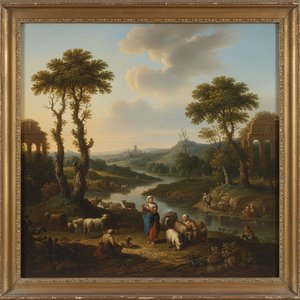
Nicolaes Berchem: Dutch Golden Age Pastoralism & the Evolution of Landscape Painting
Explore the captivating world of Nicolaes Berchem, a leading Dutch Golden Age painter. Discover his idyllic landscapes, masterful technique & lasting influence on art history. Learn more at OriginalUniqueArt.

Golden Light & Dutch Skies: The Timeless Magic of Dutch Golden Age Landscapes
Discover the breathtaking beauty of Dutch Golden Age landscapes. Explore the mastery of light, chiaroscuro, and 17th-century realism through an expert art history lens, celebrating the enduring legacy of the Dutch Masters for discerning collectors and art lovers.

Golden Light & Dutch Skies: Bringing the Magic of Dutch Golden Age Landscapes into Your Home
Transform your home with the breathtaking light of Dutch Golden Age landscapes. Discover how hand-painted oil reproductions of masterworks like Ruisdael and Vermeer bring timeless elegance, atmosphere, and soulful texture to modern interiors. Elevate your space with museum-quality art.
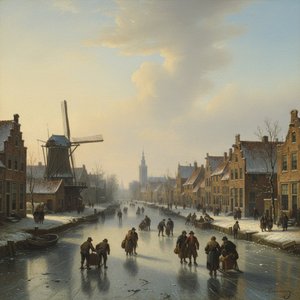
Charles Leickert: Capturing the Dutch Golden Age Light – A Comprehensive Study of Technique, Context, and Legacy
Explore the captivating winter landscapes of Charles Leickert, a master of Dutch Golden Age light & atmosphere. Discover his techniques, symbolism, and lasting legacy – a comprehensive study for art enthusiasts and collectors.