

 Bekijk op ware grootte
 Verstuur
 Delen
Delen
 Details bekijken
 Gids voor studentenkunstwerken

 Download
 Vergelijkbare items
 Röntgenonderzoek
 Diavoorstelling
 Statistieken
Judith Langley
 58.0 x 48.0 cm
 Lees meer
Handgemaakte olieverfreproductie
Met de hand geschilderd in olieverf op canvas in uw gewenste maat en lijst, op bestelling gemaakt door onze kunstenaars. ( Schakel over naar print Schakel over naar digitale afbeeldingen)




































Kies uit onze vooraf ingestelde maten die overeenkomen met de originele verhoudingen van het kunstwerk.

Voer de breedte en de hoogte in die u nodig heeft, passend bij uw lijst of uw muur. Dit is handgeschilderd, dus bij een afmeting met een andere vormverhouding kan de kunstenaar iets meer rondom het schilderij schilderen of juist iets meer weglaten — u kiest zelf. Wij sturen u een digitaal mockup ter goedkeuring voordat het schilderwerk begint. De afbeelding die op deze pagina wordt getoond, is niet het uiteindelijke resultaat — alleen de mockup geeft dit weer.
Na de bestelling zal het team van OriginalUniqueArt.com per e-mail contact opnemen met de klant voor instructies en een mockup-voorbeeld sturen.
Wereldwijde levering () binnen 3 tot 4 weken in plaats van de standaard 5 weken. (24 oktober). Zonder concessies aan de kwaliteit.

Gratis wereldwijde expressverzending

Hoogwaardig linnen canvas

Volledige verzendverzekering

Garantie op terugbetaling van invoerrechten

Garantie op exacte kleurweergave

Retourbeleid van 100 dagen (alleen bij defecten)

100% Geld-terug-garantie

Korting bij meerdere afnames
 De optie voor glas is alleen beschikbaar bij een formaat kleiner dan 110 cm.

Judith Langley
Reproductiemethode
Formaat reproductie
-


Totaalprijs
€ 263
Biografie van de kunstenaar
Jan Anthonisz van Ravesteyn: A Master of Dutch Baroque Portraiture
Jan Anthonisz van Ravesteyn (c. 1572 – 1657) stands as a significant, yet often understated, figure in the vibrant world of 17th-century Dutch art. Born in The Hague, he emerged during a period of immense artistic flourishing—the Dutch Golden Age—and quickly established himself as a favored portraitist for the prestigious House of Nassau and other prominent families. His work offers a captivating glimpse into the lives and aspirations of the nobility, distinguished by a remarkable realism and an astute understanding of psychological nuance. Unlike some of his contemporaries who sought grand historical narratives, van Ravesteyn primarily focused on capturing the individual character of his subjects, imbuing each portrait with a sense of immediacy and intimacy.Early Life and Training
The precise details of van Ravesteyn’s early life remain somewhat elusive, shrouded in the typical gaps of historical records for artists of that era. It is believed he was born in The Hague, though his birthplace remains uncertain. His artistic training is equally debated; while some speculate a direct apprenticeship with Michiel Jansz van Mierevelt—a leading portraitist of the time—the evidence is circumstantial. What *is* clear is that van Ravesteyn quickly gained recognition within the Guild of St. Luke in The Hague, joining in 1598 and demonstrating considerable skill early on. This association with Mierevelt undoubtedly shaped his approach to portraiture, emphasizing naturalism and a keen observation of human form. His marriage in 1604 to Anna Arentsz van Berendrecht solidified his position within the city’s social fabric, further enhancing his opportunities for commissions.The Patronage of the House of Nassau
Van Ravesteyn's career truly flourished through his association with the House of Nassau, one of the most influential families in the Netherlands at the time. He became a trusted portraitist for various members—including Justinus van Nassau and later, his sons—and produced a substantial body of work commissioned by their court. These portraits weren’t merely formal representations; they were carefully crafted studies intended to project power, status, and lineage. The meticulous attention to detail – the rich fabrics, the subtle expressions, the intricate jewelry – all served to elevate the sitter and reinforce their position within the social hierarchy. Notably, he was commissioned to paint Hugo Grotius, a prominent philosopher and statesman, further cementing his reputation as a court artist of considerable standing.Style and Technique
Van Ravesteyn’s artistic style is characterized by a remarkable realism achieved through careful observation and skillful execution. He possessed an exceptional ability to render textures—the velvet of a gown, the sheen of polished metal, the delicate folds of fabric—with astonishing accuracy. His portraits are not idealized; rather, they present subjects in their natural state, capturing both their beauty and their imperfections. He employed a relatively dark palette, utilizing chiaroscuro – the dramatic contrast between light and shadow – to create depth and volume within his compositions. This technique heightened the sense of realism and drew attention to key features of the sitter’s face and clothing. His brushwork is generally smooth and controlled, contributing to the overall polished appearance of his portraits. He was a master of capturing fleeting expressions, conveying subtle emotions through minute shifts in the eyes or mouth.Legacy and Influence
Jan Anthonisz van Ravesteyn’s contribution to Dutch Baroque art is often overlooked compared to some of his more flamboyant contemporaries, but his influence on portraiture during the 17th century is undeniable. He demonstrated a remarkable ability to capture the essence of his subjects, creating portraits that are both visually stunning and psychologically insightful. His work served as a model for subsequent generations of Dutch artists, particularly in the realm of portraiture. His association with the Confrerie Pictura, a group of influential artists dedicated to artistic innovation and intellectual discourse, further solidified his place within the cultural landscape of the time. While he may not be as widely celebrated as Michiel Jansz van Mierevelt or Rembrandt, Jan Anthonisz van Ravesteyn remains a vital link in the chain of Dutch Baroque portraiture, offering a valuable window into the lives and aspirations of the elite during a transformative period in European history. His portraits continue to resonate with viewers today, revealing not only the outward appearance of his subjects but also their inner character and place within the world.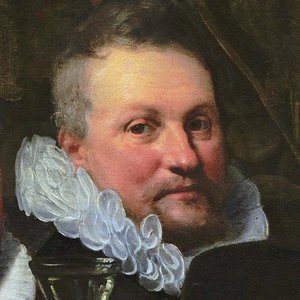
Jan Anthonisz Van Ravesteyn
1572 - 1657
Snelle feiten
- Full Name: Jan Anthonisz van Ravesteyn
- Nationality: Dutch
- Date Of Birth: 1572
- Date Of Death: 1657
- Place Of Birth: The Hague, Netherlands
- Notable Artworks:
- Self-portrait (1618)
- Portrait of Nicolaas Cromh
- Artistic Movement Or Style: Baroque portraiture
- Artists Who Influenced This Artist: ['Michiel Jansz Mierevelt']
- Artists Or Movements Influenced By This Artist:
- House of Nassau
- Dutch Golden Age art