
 Voorvertoning
 Verstuur
 Delen
Delen
 Details bekijken

 Download
 Vergelijkbare items
 Röntgenonderzoek
 Diavoorstelling
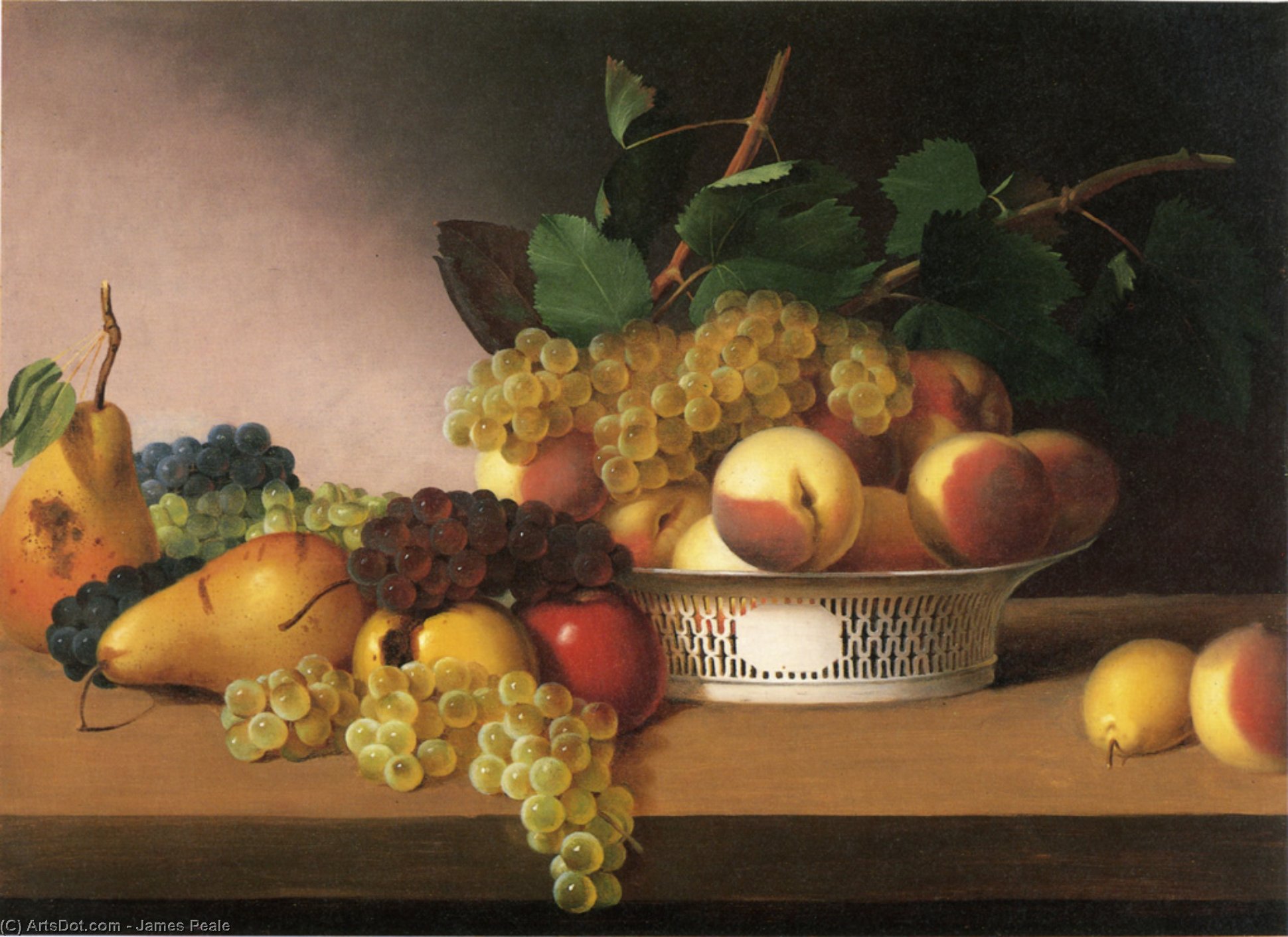
Still Life with Fruit


 Lees meer
Handgemaakte olieverfreproductie
Met de hand geschilderd in olieverf op canvas in uw gewenste maat en lijst, op bestelling gemaakt door onze kunstenaars. ( Bestel print Koop afbeelding)




P118B $10

P118H $10

P118W $10

P438Z $10

P508JH $12

P508YH $12

P805H $10

P805Z $10

P919BZ $10

P919G $10

P919XJ $10

P959ZH $10

P968JZ $12

W106C $8

W218G $10

W218JH $8

W218Y $10

W307PJ $10

W316G $10

W316PJ $8

W316Y $10

W398PJ $8

W4111J $10

W500HY $15

W500JH $15

W692G $12

W849H $8

W940BG $15

W953PJ $8




Kies uit onze vooraf ingestelde maten die overeenkomen met de originele verhoudingen van het kunstwerk.

U kunt uw eigen afmetingen invoeren om in een specifieke lijst of ruimte te passen. Als de door u gekozen maat niet overeenkomt met de verhoudingen van het originele beeld, zullen we het kunstwerk bijsnijden of het schilderij uitbreiden met extra handgeschilderde elementen. Een digitale mockup wordt ter goedkeuring naar u verzonden voordat de productie begint.
Houd er rekening mee dat de preview op het scherm niet de werkelijke uitsnede of uitbreiding weergeeft. Alleen de mockup toont de uiteindelijke compositie nauwkeurig.
Hoewel aangepaste afmetingen mogelijk zijn, raden we aan een maat uit de vooraf gedefinieerde lijst te selecteren om de originele verhoudingen te behouden.
Na de bestelling zal het team van OriginalUniqueArt.com per e-mail contact opnemen met de klant voor instructies en een mockup-voorbeeld sturen.
Wereldwijde levering () binnen 3 tot 4 weken in plaats van de standaard 5 weken. (19 augustus). Zonder concessies aan de kwaliteit.

Gratis wereldwijde expressverzending

Hoogwaardig linnen canvas

Volledige verzendverzekering

Garantie op terugbetaling van invoerrechten

Garantie op exacte kleurweergave

Retourbeleid van 60 dagen (alleen bij defecten)

100% Geld-terug-garantie

Korting bij meerdere afnames
 De optie voor glas is alleen beschikbaar bij een formaat kleiner dan 110 cm.

Still Life with Fruit
Druktechniek
Afmetingen reproductie
-


Eindtotaal
$ 300
Beschrijving kunstwerk
A Symphony of Color and Form: James Peale’s Still Life with Fruit
James Peale's Still Life with Fruit, painted circa 1821, is more than just a depiction of perishable bounty; it’s a meticulously crafted window into the burgeoning aesthetic sensibilities of early America. This remarkable work, now housed within the collections of museums and art institutions worldwide, reveals a masterful blend of Neoclassical restraint and Baroque exuberance – a testament to Peale's artistic versatility and his deep understanding of both European traditions and the evolving American visual landscape.
The painting immediately captivates with its rich palette. Deep crimson peaches glow alongside the vibrant yellows of ripe pears, while the verdant greens of grapes and leafy foliage provide a grounding counterpoint. Peale’s technique is characterized by an almost obsessive attention to detail; each fruit is rendered with astonishing realism – the subtle variations in skin texture, the delicate veins tracing across leaves, even the slight imperfections that speak to their natural origins. This commitment to accuracy wasn't merely technical; it reflected a broader fascination with the natural world prevalent during this period, fueled by advancements in scientific observation and botanical illustration.
The Miniature Master’s Grand Vision
While often associated with his exquisite miniature portraits – a genre where Peale truly excelled – Still Life with Fruit demonstrates his ambition to tackle larger-scale works. This shift reflects a growing interest in still life painting within the American art world, influenced by European trends and a desire to elevate the status of decorative arts. Peale’s background as a cabinetmaker undoubtedly informed his approach; he clearly valued craftsmanship and sought to imbue his paintings with a sense of tactile richness. The arrangement of the fruit itself is carefully considered – a deliberate composition designed to draw the eye across the canvas, creating a dynamic visual rhythm.
Interestingly, Peale’s career was punctuated by military service during the American Revolution, an experience that instilled in him a disciplined approach to observation and execution. This dedication translates into the painting's remarkable clarity and precision. The lighting is particularly noteworthy – a dramatic chiaroscuro effect that casts deep shadows and highlights the luminous surfaces of the fruit, adding depth and drama to the scene.
Symbolism and the American Spirit
Beyond its technical merits, Still Life with Fruit carries symbolic weight. Fruit, in this context, represents abundance, prosperity, and the rewards of labor – themes deeply resonant within the developing American identity. The variety of fruits—peaches, pears, grapes—suggests a connection to the land and a celebration of its bounty. It’s a visual affirmation of the nation's potential for growth and success.
Furthermore, the painting can be viewed as an embodiment of Neoclassical ideals – order, balance, and harmony. The carefully arranged composition, the restrained color palette, and the meticulous rendering of detail all contribute to this sense of formal elegance. However, Peale subtly infuses this formality with a touch of Baroque exuberance—the dramatic lighting, the rich colors, and the sheer abundance of fruit create an atmosphere of opulent delight.
A Timeless Appeal
Still Life with Fruit remains a captivating work of art, offering a glimpse into the artistic and cultural landscape of early America. Its meticulous detail, evocative symbolism, and masterful technique continue to resonate with viewers today. Whether admired for its historical significance or simply appreciated for its aesthetic beauty, this painting stands as a testament to James Peale’s artistry and his enduring legacy.
Biografie van de kunstenaar
James Peale (1749–1831): The Quiet Master of Miniature and Still Life
James Peale, born in Chestertown, Maryland, in 1749, stands as a testament to understated artistic brilliance within the formative years of American art history. Often overshadowed by his more flamboyant brother, Charles Willson Peale—a pivotal figure in establishing an authentically American visual identity—James nonetheless carved out a distinguished career marked by exquisite miniature portraits and luminous still lifes that captured the essence of his era with remarkable grace and precision. His life story is interwoven with familial legacy, military service, and a persistent pursuit of artistic refinement, resulting in a body of work that continues to resonate with collectors and scholars alike.- Early Life and Apprenticeships
- Military Service and Revolutionary Experience
- Collaboration with Charles Willson Peale: A Familial Artistic Partnership
- The Art of Miniature Painting
- Still Life Composition and Technical Mastery
Early Life and Apprenticeships
James Peale’s formative years were shaped by the untimely death of his father, Charles Peale Sr., propelling the family to Annapolis where young James initially apprenticed in saddlery and cabinetmaking. These practical experiences instilled within him not only a meticulous attention to detail—a quality that would become central to his artistic approach—but also an appreciation for craftsmanship honed through hands-on labor. This grounding in artisanal skills undoubtedly influenced his later work, informing his understanding of material properties and textural nuances. His brother Charles’s return from London, having studied under Benjamin West, provided James with invaluable exposure to European artistic conventions and techniques, fostering a broader intellectual horizon.Military Service and Revolutionary Experience
The burgeoning fervor for independence dramatically altered the trajectory of Peale's life. In 1776, he traded brush for musket, accepting a commission as an ensign in William Smallwood’s regiment within the Continental Army. This wasn’t merely a patriotic gesture; it was a period of intense experience that subtly informed his later artistic sensibilities. He rose quickly through the ranks to captain, participating in pivotal battles—Long Island, White Plains, Trenton, Brandywine, Germantown, Princeton, and Monmouth—witnessing firsthand the hardships and heroism of the American Revolution. The pressures of wartime demanded unwavering focus and observation skills, qualities that would serve him well in his subsequent portraiture endeavors.Collaboration with Charles Willson Peale: A Familial Artistic Partnership
Peale’s artistic development was significantly influenced by his brother’s decision to relinquish his miniature portrait practice, allowing James to fully dedicate himself to this demanding art form. Together they established a studio in Philadelphia where Charles taught James how to paint from life—a crucial step in developing Peale's distinctive style. Their collaborative spirit extended beyond the artistic realm; they shared a commitment to civic engagement and intellectual curiosity, fostering an environment that nurtured creativity within their family. Notably, they designed floats for Philadelphia’s Federal Procession of 1788 celebrating the ratification of the Constitution—a testament to their shared vision for the nation's future.The Art of Miniature Painting
Throughout the 1790s and early 1800s, Peale became a master of watercolor on ivory, creating exquisitely detailed portraits that captured not just likeness but also a sense of personality and social standing. These miniatures were highly sought after, reflecting the growing demand for intimate representations of individuals within American society. His technique involved layering translucent washes of color to achieve subtle gradations of tone and luminosity—a hallmark of his artistic style—resulting in images imbued with remarkable atmospheric depth.Still Life Composition and Technical Mastery
Peale excelled in still life compositions, particularly those featuring fruit, demonstrating an exceptional ability to render textures, light, and form with unparalleled realism. He meticulously studied the effects of illumination on surfaces—the way sunlight refracted through translucent peels or reflected off polished apples—capturing these nuances with astonishing accuracy. His masterful handling of color—particularly his use of muted hues—created paintings that conveyed a sense of quiet contemplation and understated beauty. Peale’s legacy resides not only in the exquisite beauty of his artworks but also in his contribution to establishing American artistic identity during a period of profound transformation.
James Peale
1749 - 1831 , Verenigde Staten
Belangrijkste feiten
- Artistic Movement Or Style: Neoclassicisme
- Artists Or Movements Influenced By This Artist: ['Charles Willson Peale']
- Artists Who Influenced This Artist: ['Benjamin West']
- Date Of Birth: 1749
- Date Of Death: 1831
- Full Name: James Peale
- Nationality: Amerikaans
- Notable Artworks: ['Een miniaturatuur van Charles Willson Peale']
- Place Of Birth: Chestertown, Maryland
Gerelateerde artikelen

James Abbott McNeill Whistler: Top 25 Meesterwerken voor Kunstliefhebbers | OriginalUniqueArt
Ontdek de 25 meest iconische meesterwerken van James Abbott McNeill Whistler, pionier van het esthetisme en impressionisme. Van zijn betoverende Nocturnes tot portretten vol harmonie. Vind museumkwaliteit reproducties & decoratie-inspiratie op OriginalUniqueArt.com

Charles Willson Peale: Portraiture, Enlightenment Ideals & Shaping American Identity
Explore the life & art of Charles Willson Peale – Revolutionary portraitist, scientist, and founder of America’s first museum. Discover his iconic paintings of Washington & the Enlightenment ideals that shaped a nation.
Severin Roesen: Evoking National Identity Through American Still Life Painting
Explore the captivating world of Severin Roesen, a major American still life painter influenced by Dutch masters. Discover his lush compositions and the symbolism within his art – a window into 19th-century America.
Titian Ramsay Peale II: A Legacy of Botanical Precision & Artistic Innovation
Explore the life & art of Titian Ramsay Peale II, a master of botanical precision and wildlife painting. Discover his legacy bridging art & natural history at OriginalUniqueArt.

Sir Alfred James Munnings: Top 25 Meesterwerken voor Kunstliefhebbers | OriginalUniqueArt.nl
Ontdek de top 25 schilderijen van Sir Alfred James Munnings, meester van paardenkunst & Engelse impressionisme. Leer over zijn leven, techniek en iconische werken. Museumkwaliteit reproducties op OriginalUniqueArt.com! Ontdek alle meesterwerken online.


