Voorvertoning
 Verstuur
 Delen
Delen
 Details bekijken
 Gids
Gids

 Download
 Vergelijkbare items
 Röntgenonderzoek
 Diavoorstelling
 Q&A
Q&A Statistieken
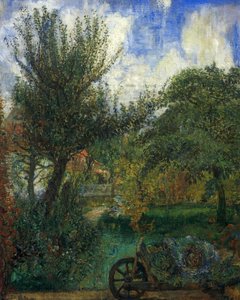
Ensor musicien et ses clefs de sol


 Lees meer
Giclée / Kunstafdrukken
Giclée- of canvasafdruk van museumkwaliteit met een snelle productie en flexibele afwerkingsmogelijkheden. ( Bestel handgeschilderde reproductie Schakel over naar digitale afbeeldingen)




P118B €10

P118H €10

P118W €10

P438Z €10

P508JH €12

P508YH €12

P805H €10

P805Z €10

P919BZ €10

P919G €10

P919XJ €10

P959ZH €10

P968JZ €12

W106C €8

W218G €10

W218JH €8

W218Y €10

W307PJ €10

W316G €10

W316PJ €8

W316Y €10

W398PJ €8

W4111J €10

W500HY €15

W500JH €15

W692G €12

W849H €8

W940BG €15

W953PJ €8




Kies uit onze vooraf ingestelde maten die overeenkomen met de originele verhoudingen van het kunstwerk.

Voer de gewenste breedte en hoogte in, passend bij uw lijst of muur. Een afdruk kan alleen worden ingekort en nooit groter worden gemaakt dan het origineel; een formaat met andere verhoudingen zal daarom een deel van de afbeelding verliezen. Wij sturen u een digitaal mockup ter goedkeuring voordat we tot drukwerk overgaan. De afbeelding op deze pagina toont niet de werkelijke uitsnede — dit is alleen te zien op het mockup.
Wereldwijde levering () binnen 2 weken in plaats van de standaard 4/5 weken. (30 oktober)

Gratis wereldwijde expressverzending

Hoogwaardig linnen canvas

Volledige verzendverzekering

Garantie op terugbetaling van invoerrechten

Garantie op exacte kleurweergave

Retourbeleid van 100 dagen (alleen bij defecten)

100% Geld-terug-garantie

Korting bij meerdere afnames
 De optie voor glas is alleen beschikbaar bij een formaat kleiner dan 110 cm.

Ensor musicien et ses clefs de sol
Giclée / Kunstafdrukken
Afmetingen reproductie
-


Eindtotaal
€ 72
James Ensor’s Unsettling Portrait of Musical Mystery
James Ensor's "Ensor musicien et ses clefs de sol" (Ensor the Musician and His Clefs) is not merely a portrait; it’s an immersion into a world of psychological unease, theatricality, and subtle symbolism. Painted in 1888, this work stands as a pivotal example of Ensor's unique artistic vision – a blend of Symbolism, Expressionism, and touches of Surrealism that continues to fascinate and disturb viewers over a century later. The painting depicts a man, likely self-portrait, seated before a wall adorned with musical notes, his gaze direct and unsettlingly intense. His brown coat provides a grounding element against the vibrant, almost hallucinatory background, while the inclusion of a clock subtly introduces themes of time, mortality, and perhaps, the relentless march of artistic judgment.
Ensor’s stylistic choices are immediately arresting. The palette is rich and saturated, dominated by reds – not comforting hues, but rather intense, bordering on alarming shades that contribute to the painting's overall sense of disquiet. This boldness was a deliberate departure from the prevailing academic styles of the time, reflecting Ensor’s rejection of rigid artistic conventions. He employed a technique characterized by thick impasto, particularly noticeable in the background, creating a tactile surface that seems to pulsate with energy. The figures are rendered with an almost mask-like quality – their features simplified and exaggerated, hinting at hidden emotions and concealed identities. This echoes Ensor’s lifelong fascination with masks, a motif deeply ingrained in his artistic practice, stemming from his childhood spent amidst the spectacle of Ostend's carnival.
The Carnival Within: Symbolism and Personal Narrative
The painting is profoundly rooted in Ensor’s personal history and experiences. The souvenir shop run by his parents, overflowing with masks, curiosities, and theatrical props, served as a constant source of inspiration. These objects weren't simply decorative; they represented a world of performance, disguise, and the blurring of reality and illusion – themes that would become central to Ensor’s artistic exploration. The musical notes scattered across the wall are not just an incidental detail; they symbolize the artist’s own engagement with music, a passion he pursued despite lacking formal training. The act of playing music, particularly improvising, was for Ensor a means of expressing his innermost thoughts and emotions, often in ways that challenged societal norms.
Furthermore, the inclusion of skeletons – a recurring motif in Ensor’s work – suggests an awareness of mortality and the ephemeral nature of existence. They are not presented as frightening specters but rather as participants in this strange musical tableau, adding to the painting's unsettling atmosphere. The man’s direct gaze at the viewer is particularly significant. It’s a confrontational stare, suggesting that he is not simply presenting himself; he is challenging the observer to contemplate their own role within his world of masks and shadows.
Contextualizing Ensor: A Revolutionary Artist
James Ensor was a truly groundbreaking figure in 19th-century art. He rejected the prevailing artistic trends, forging his own distinctive style that defied easy categorization. His work was often met with hostility and criticism, particularly during his early career, as evidenced by the scathing reviews of “Christ’s Entry Into Brussels.” However, Ensor persevered, developing a unique visual language that anticipated the developments of Expressionism and Surrealism. He was associated with the Les XX group, a circle of avant-garde artists who championed innovation and challenged artistic conventions.
Ensor's influence extends far beyond his own lifetime. His exploration of psychological themes, his use of unsettling imagery, and his rejection of academic tradition paved the way for future generations of artists. His work continues to resonate with contemporary audiences, offering a glimpse into the mind of an artist who dared to confront the darker aspects of human experience. Reproductions of "Ensor musicien et ses clefs de sol" provide a tangible connection to this remarkable and profoundly unsettling artistic legacy.
Bringing Ensor Home: A High-Quality Reproduction
OriginalUniqueArt offers meticulously crafted, hand-painted reproductions of James Ensor’s “Ensor musicien et ses clefs de sol,” capturing the artist's distinctive style and emotional intensity. Our skilled artisans use archival-quality materials and techniques to faithfully recreate every detail of this iconic painting, ensuring that your reproduction will be a treasured addition to your art collection for years to come. Whether you’re an art enthusiast, a collector seeking to expand your holdings, or simply someone drawn to the power of evocative imagery, a OriginalUniqueArt reproduction offers a beautiful and authentic way to experience the genius of James Ensor.
Veelgestelde vragen
Welke afmeting moet ik kiezen voor de print van "Ensor musicien et ses clefs de sol" in mijn kamer?
Voor een Living Room is de aanbevolen afmeting voor de print van "Ensor musicien et ses clefs de sol" door James Ensor Large.
Wat is de algemene sfeer van "Ensor musicien et ses clefs de sol" door James Ensor?
"Ensor musicien et ses clefs de sol" door James Ensor wordt qua stemming beschreven als Dramatic. Deze classificatie kan helpen om het werk te laten aansluiten bij een bepaalde omgeving.
Onder welke pseudoniemen of andere namen is James Ensor bekend?
Andere namen waaronder James Ensor, maker van "Ensor musicien et ses clefs de sol", bekend is, zijn onder andere James Sidney Edouard Ensor, Baron Ensor, James.
Biografie kunstenaar
Een leven ondergedompeld in maskers en schaduwen: De wereld van James Ensor
Geboren in Oostende, België, in 1860, kwam James Sidney Edouard Ensor voort uit een fascinerende samensmelting van culturen—zijn vader Engels, zijn moeder Belgisch. Deze dualiteit vormde wellicht de voorbode van de levenslange fascinatie van de kunstenaar voor maskers en vermommingen, thema's die zijn verontrustende maar meeslepende oeuvre zouden gaan dominerende. Opgegroeid te midden van de bruisende energie van een badplaats, werd de jonge James diep beïnvloed door de sfeer van kermissen en rariteiten. Zijn ouders runden een souvenirwinkel vol schelpen, carnavalsmaskers en bijzondere objecten—een waarlijk kabinet van curiositeiten dat zijn verbeelding prikkelde en een rijke visuele woordenschat bood voor zijn toekomstige kunst. Hoewel hij aanvankelijk aarzelde om traditionele academische paden te bewandelen, schreef Ensor zich uiteindelijk in aan de Académie Royale des Beaux-Arts in Brussel, maar vond de rigide structuur verstikkend voor zijn ontluikende artistieke visie. Hij realiseerde zich snel dat hij zijn eigen weg moest banen, een pad dat hem ver voorbij de conventionele grenzen zou leiden.
Van somber realisme naar groteske visioenen
Ensors vroege schilderijen weerspiegelden een meer traditionele benadering, met scènes uit het dagelijks leven in sombere tinten. Werken zoals Russische muziek (1881) en De dronkaards (1883) onthullen een ontluikend talent dat worstelt met het realisme, maar zelfs in deze vroege stukken zijn de sporen van de latere verontrustende beeldspraak al aanwezig. Een cruciale verschuiving vond plaats toen het palet van Ensor lichter werd en zijn onderwerpkeuze steeds bizarrer werd. Hij begon zijn doeken te bevolken met kermissen, skeletten, poppen en allegorische figuren—een wereld doordrenkt van fantasie en vaak grenzend aan het groteske. Dit was niet louter een stilistische verandering; het was een bewuste verkenning van de duistere aspecten van het menselijk bestaan, een afwijzing van maatschappelijke normen en een omarming van het irrationele. Zijn stijl werd direct herkenbaar aan de gedurfde penseelstreken, levendige kleuren en theatrale kwaliteit—een visuele taal die uniek voor hem was. De invloed van zijn jeugdige omgeving is onmiskenbaar: die carnavalsmaskers waren niet simpelweg decoratelijke elementen; ze waren symbolen van verborgen identiteiten, sociale kritiek en de broosheid van de schijn.
Meesterwerken van onrust: Kernwerken en terugkerende thema's
Gedurende zijn carrière produceerde Ensor een reeks werken die het publiek tot op de dag van vandaag blijven choqueren en fascineren. De gescandaleerde maskers (1883) staat als een vroeg getuigenis van zijn fascinatie voor de kracht van vermomming en het vermogen om verborgen emoties te onthullen. Wellicht zijn meest controversiende werk, De opkomst van Christus in Brussel (1888-1889), blijft een krachtige satire op religieuze hypocrisie en maatschappelijke onverschilligheid—een schilderij dat aanvankelijk met harde kritiek werd ontvangen, maar nu wordt gevierd als een meesterwerk. Het verontrustende beeld van Christus die een stad binnenkomt vol groteske, gemaskerde figuren is een krachtig commentaar op de kloof tussen spirituele idealen en menselijk gedrag. Skeletten die vechten om een opgehangene (1891) biedt een rauwe meditatie over sterfelijkheid, verval en de absurditeit van het leven, terwijl De beproevingen van de heilige Antonius (1887) duikt in complexe allegorische thema's van verleiding, zonde en spirituele strijd. Terugkerend in zijn werk zijn de verkenningen van de dood, sociale kritiek, religieuze satire en de grenzeloze kracht van de verbeelding—thema's die een tijdloze relevantie bezitten.
Een pionier van het modernisme: Invloeden en nalatenschap
Hoewel Ensor zich verzette tegen eenvoudige categorisering, is zijn artistieke stamboom complex en fascinerend. Hij erkende invloeden van meesters als Pieter Bruegel de Oude, wiens drukke scènes en moraliserende verhalen resoneerden met zijn eigen visie, evenals Francisco Goya, wiens zwarte humor en onverbloemde weergaven van menselijk lijden een blijvende indruk achterlieten. Ook de nadruk op estheticisme door James Abbott McNeill Whistler speelde een rol in de vorming van Ensors artistieke gevoel. Ensor was echter niet louter een imitator; hij synthetiseerde deze invloeden tot iets geheel nieuws en origineels. Hij wordt nu algemeen erkend als een sleutelfiguur in de overgang van het 19e-eeuwse symbolisme naar het vroeg-20e-eeuwse expressionisme en surrealisme—een ware pionier van de moderne kunst. Zijn onbevreesde verkenning van het onderbewuste, zijn omarming van groteske beelden en zijn afwijzing van academische conventies plaveiden de weg voor toekomstige generaties kunstenaars die de moed hadden om artistieke normen uit te dagen. Ondanks de aanvankelijke weerstand kreeg Ensor in zijn latere jaren uiteindelijk erkenning, waarbij hij in 1929 door koning Albert I tot baron werd benoemd en in 1933 de Légion d'honneur ontving. Hij stierf in Oostende in 1949, en liet een oeuvre na dat blijft boeien, verontrusten en inspireren. Zijn nalatenschap blijft voortbestaan als een getuigenis van de kracht van kunst om ongemakkelijke waarheden onder ogen te zien en de diepten van de menselijke conditie te verkennen.

James Ensor
1860 - 1949 , België
Belangrijkste feiten
- Artistic Movement Or Style: Symbolisme, Expressionisme
- Artists Or Movements Influenced By This Artist:
- Bruegel
- Goya
- Expressionisme
- Artists Who Influenced This Artist:
- Bruegel
- Goya
- Whistler
- Date Of Birth: 13 april 1860
- Date Of Death: 19 november 1949
- Full Name: James Sidney Edouard Ensor
- Nationality: Belgische kunstenaar
- Notable Artworks:
- Masks Confronting Death
- Skeletons Fighting...
- Christ's Entry...
- Place Of Birth: Oostende, België
Gerelateerde artikelen
James Ensor's Grotesque Visions: Social Commentary & Artistic Innovation
Explore the unsettling yet captivating world of James Ensor, a pioneer of Expressionism. Discover his satirical masterpieces, symbolic imagery & lasting influence on modern art. High-quality reproductions available at OriginalUniqueArt.
Figurative Expressionism: Emotional Intensity & Subjective Reality in 20th-Century Art
Explore the powerful world of Figurative Expressionism with OriginalUniqueArt. Discover key artists like Kirchner & Beckmann, understand its emotional depth, and learn how to collect this influential 20th-century art movement.
Unveiling the Mystery: A Journey Through the World's Most Iconic Mask Artworks
Embark on a profound journey through the world's most iconic mask artworks. Explore the spiritual depth, intricate craftsmanship, and rich cultural heritage of global traditions, from Chhau to Gomira, in this expert-led exploration of ancestral artistry and symbolic beauty.

James Abbott McNeill Whistler: Top 25 Meesterwerken voor Kunstliefhebbers | OriginalUniqueArt
Ontdek de 25 meest iconische meesterwerken van James Abbott McNeill Whistler, pionier van het esthetisme en impressionisme. Van zijn betoverende Nocturnes tot portretten vol harmonie. Vind museumkwaliteit reproducties & decoratie-inspiratie op OriginalUniqueArt.com
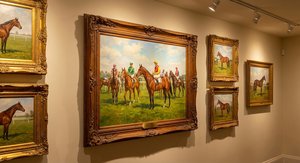
Sir Alfred James Munnings: Top 25 Meesterwerken voor Kunstliefhebbers | OriginalUniqueArt.nl
Ontdek de top 25 schilderijen van Sir Alfred James Munnings, meester van paardenkunst & Engelse impressionisme. Leer over zijn leven, techniek en iconische werken. Museumkwaliteit reproducties op OriginalUniqueArt.com! Ontdek alle meesterwerken online.