

 Bekijk op ware grootte
 Verstuur
 Delen
Delen
 Details bekijken
 Gids voor studentenkunstwerken

 Download
 Vergelijkbare items
 Röntgenonderzoek
 Diavoorstelling
 Statistieken
Tea
 Oil On Canvas
- WallArt
- Contemporary Realism
 1872
1872 66.0 x 48.0 cm
 Lees meer
Handgemaakte olieverfreproductie
Met de hand geschilderd in olieverf op canvas in uw gewenste maat en lijst, op bestelling gemaakt door onze kunstenaars. ( Schakel over naar print Schakel over naar digitale afbeeldingen)




P118B €10

P118H €10

P118W €10

P438Z €10

P508JH €12

P508YH €12

P805H €10

P805Z €10

P919BZ €10

P919G €10

P919XJ €10

P959ZH €10

P968JZ €12

W106C €8

W218G €10

W218JH €8

W218Y €10

W307PJ €10

W316G €10

W316PJ €8

W316Y €10

W398PJ €8

W4111J €10

W500HY €15

W500JH €15

W692G €12

W849H €8

W940BG €15

W953PJ €8




Kies uit onze vooraf ingestelde maten die overeenkomen met de originele verhoudingen van het kunstwerk.

Voer de breedte en de hoogte in die u nodig heeft, passend bij uw lijst of uw muur. Dit is handgeschilderd, dus bij een afmeting met een andere vormverhouding kan de kunstenaar iets meer rondom het schilderij schilderen of juist iets meer weglaten — u kiest zelf. Wij sturen u een digitaal mockup ter goedkeuring voordat het schilderwerk begint. De afbeelding die op deze pagina wordt getoond, is niet het uiteindelijke resultaat — alleen de mockup geeft dit weer.
Na de bestelling zal het team van OriginalUniqueArt.com per e-mail contact opnemen met de klant voor instructies en een mockup-voorbeeld sturen.
Wereldwijde levering () binnen 3 tot 4 weken in plaats van de standaard 5 weken. (23 oktober). Zonder concessies aan de kwaliteit.

Gratis wereldwijde expressverzending

Hoogwaardig linnen canvas

Volledige verzendverzekering

Garantie op terugbetaling van invoerrechten

Garantie op exacte kleurweergave

Retourbeleid van 100 dagen (alleen bij defecten)

100% Geld-terug-garantie

Korting bij meerdere afnames
 De optie voor glas is alleen beschikbaar bij een formaat kleiner dan 110 cm.

Tea
Reproductiemethode
Formaat reproductie
-


Totaalprijs
€ 264
Tea by James Tissot: A Glimpse into Victorian Elegance
James Jacques Joseph Tissot's "Tea," created in 1872, is more than just a painting; it’s a window into the refined social customs and aesthetic sensibilities of the Victorian era. This oil on wood masterpiece, now residing within the esteemed collection of the Metropolitan Museum of Art in New York, exemplifies Tissot's signature style – meticulous detail combined with an insightful portrayal of human interaction.
Subject and Composition
The painting depicts a woman elegantly dressed, seated at a table laden with delicate tea cups and saucers. She is engaged in the act of sipping tea, creating a scene of quiet domesticity and leisure. The composition centers around her figure, drawing the viewer's attention to her attire and demeanor. Several other teacups are present on the table, hinting at a possible gathering or social event. The background features a blurred cityscape visible through a window, suggesting an outdoor setting like a veranda or balcony. This juxtaposition of interior tranquility with exterior activity adds depth and intrigue to the scene.
Style and Technique
Tissot’s style is characterized by its realism and attention to detail. He masterfully employs light and shadow to create a sense of depth and atmosphere, highlighting the textures of the silver tea service and the intricate patterns on the woman's gown. The use of thin glazes of oil paint builds up color and luminosity, resulting in a rich and layered visual experience. Lines are predominantly straight and precise, defining architectural elements like columns and window frames, contrasting with the softer curves of the woman’s dress. The technique showcases Tissot’s skill in capturing not only physical appearances but also subtle psychological nuances.
Historical Context and Symbolism
"Tea" is deeply rooted in the Victorian era's social dynamics. Tea drinking was a significant ritual, symbolizing hospitality, refinement, and social connection. The painting reflects the period's emphasis on fashion and interior design, showcasing the elegance of Victorian clothing and furnishings. The blurred cityscape outside the window serves as a poignant reminder of the passage of time and the changing nature of life. Symbolically, the silver tea service represents domesticity and refinement, while the woman’s attire speaks to her social standing and taste. Tissot's work provides valuable insight into the values and aesthetics of 19th-century British society.
Emotional Impact
Beyond its historical significance, "Tea" evokes a sense of quiet contemplation and understated elegance. The woman’s expression is enigmatic, inviting viewers to interpret her thoughts and emotions. The warm lighting creates a comforting atmosphere, while the meticulous detail draws the eye and encourages close observation. The painting's overall effect is one of serene beauty and timeless appeal, making it a captivating work for art lovers and collectors alike.
Vragen & Antwoorden
Waarvoor wordt een afdruk van "Tea" aanbevolen?
Een reproductie van "Tea" door Jacques Tissot wordt aanbevolen voor Accent. Dit advies is gebaseerd op het onderwerp, de sfeer en de kleuren van het werk.
Welke afmeting wordt aanbevolen voor "Tea" in een Living Room?
Voor een Living Room wordt voor "Tea" een afdruk van Medium aanbevolen.
Hoe intens zijn de kleuren van "Tea" door Jacques Tissot?
De kleuren in "Tea" door Jacques Tissot hebben een Balanced intensiteit.
Biografie van de kunstenaar
Early Life and Artistic Beginnings
Jacques Joseph Tissot, geboren op 15 oktober 1836 in Nantes, Frankrijk, was al vroeg bestemd voor een leven doordrenkt van artistieke passie. Zijn vader, een draperijhandelaar, instilledde in hem een waardering voor vakmanschap en detail – kwaliteiten die zijn artistieke visie diepgaand zouden vormen. Tegelijkertijd voedde zijn moeder, een milliner, zijn gevoeligheid voor schoonheid en mode, waardoor hij werd blootgesteld aan de levendige wereld van Parijse maatschappij. Ondanks familiale verantwoordelijkheden, achtervolgde Tissot onvermoeid zijn artistieke ambities, waarbij hij zich inschreef op de École des Beaux-Arts in Parijs waar hij onder toezicht stond van leraren zoals Ingres, Flandrin en Lamothe. Deze vormende periode versterkte zijn toewijding aan schilderen als een beroep en vestigde hem stevig binnen het invloedrijke Parijse kunstmilieu.The Salon Years and Recognition
Tissot’s debuut op de Paris Salon in 1861 markeerde een keerpunt – de onthulling van “De Ontmoeting van Faust en Margaretha”, een dramatisch tableau dat het publiek veroverde en aanzienlijke lof kreeg van critici. Deze ambitieuze onderneming werd door de staat gekocht om opgenomen te worden in de Luxembourg Gallery, wat Tissot’s groeiende reputatie als schilder wees die in staat was complexe narratieven vast te leggen en diepe emoties over te brengen. Volgende Salon-tentoonstellingen versterkten zijn positie binnen de artistieke gevestigde orde, waarbij hij zijn evoluerende stijl liet zien en opdrachten ontving van prominente patrons. Zijn vroege successen voedden vertrouwen en stuitten hem aan om nieuwe onderwerpen en technieken te verkennen – een traject dat uiteindelijk zijn illustere carrière zou definiëren.Genre Painting and Parisian Society
Tissot’s artistieke doorbraak kwam met zijn serie “La Femme à Paris”, een nauwkeurig geobserveerde weergave van de demi-mondaine wereld van late Victoriaanse Londen. Deze schilderijen, gekenmerkt door hun levendige kleurenpaletten en meesterlijke weergave van texturen – vooral stoffen – werden synoniem met het vastleggen van de aantrekkingskracht en dynamiek van Parijse hogere kringen. Tissot’s aandacht voor detail strekte zich verder uit dan alleen visuele representatie; hij streefde ernaar niet alleen uiterlijkheden, maar ook psychologische nuances weer te geven, die de angsten en aspiraties van zijn onderwerpen weerspiegelden. Zijn werk is een getuigenis van Impressionistische invloeden gecombineerd met realisme, waardoor een ongeëvenaard inzicht wordt geboden in de sociale gebruiken en artistieke smaak van de Belle Époque.Biblical Themes and Japonisme
Gedurende zijn productieve output omarmde Tissot diverse artistieke inspiraties – variërend van middeleeuwse verhalen tot biblieke scènes – wat aantoont dat hij buitengewoon veelzijdig was. Zijn weergaven van religieuze onderwerpen, doordrenkt van spirituele diepte en emotionele resonans, toonden zijn vermogen om visuele storytelling op te tillen tot diepe contemplatie. Tegelijkertijd werd hij gefascineerd door Japonisme – de fascinatie met Japanse kunst en esthetiek die in de Victoriaanse tijd door Europa woedde – wat zich liet zien in composities die doordrenkt zijn van asymmetrische arrangementen en subtiele kleurenharmonieën, vergelijkbaar met Japanse prints. Deze stijlinvloed weerspiegelde Tissot’s intellectuele nieuwsgierigheid en zijn bereidheid om te experimenteren met innovatieve artistieke benaderingen.Later Years and Legacy
Tissot’s leven nam een dramatisch wending toen hij zich inschreef in de Franco-Duitse Oorlog, waarbij hij diende aan de Franse kant – een ervaring die ongetwijfeld zijn wereldbeeld heeft gevormd. Na afloop van de oorlog verplaatste hij zich naar Londen waar hij etsen nastreeft onder Seymour Haden en zijn artistieke vaardigheden verder ontwikkelde door portretten te maken en karikaturen te tekenen voor Vanity Fair. Zijn relatie met Kathleen Newton bloeide uit tot een passievolle vriendschap, die hem inspiratie bood voor vele schilderijen. Tragisch genoeg overleed Kathleen in 1882 – een diepe teleurstelling die Tissot’s creatieve output beïnvloedde. Ondanks deze verdrietige periode bleef hij uitzonderlijk kunstwerken produceren tot zijn dood in 1902. Vandaag de dag is Jacques Joseph Tissot's nalatenschap te vinden in musea in heel Europa en Noord-Amerika – met name het Musée National Jean-Jacques Henner in Parijs – waar zijn beroemde schilderijen blijven inspireren tot bewondering voor hun artistieke briljantie en evocatieve weergave van Victoriaanse levenswijze en geloof. Zijn blijvende invloed op genre schilderkunst en Impressionisme garandeert hem een plaats onder de meest uitstekende kunstenaars van Frankrijk van de 19e eeuw.
Jacques Tissot
1836 - 1902 , Frankrijk
Snelle feiten
- Artistic Movement Or Style: Genre schilderkunst
- Artists Or Movements Influenced By This Artist: ['Impressionisme']
- Artists Who Influenced This Artist:
- Ingres
- Courbet
- Date Of Birth: 15 okt 1836
- Date Of Death: 8 aug 1902
- Full Name: Jacques Joseph Tissot
- Nationality: Frans
- Notable Artworks:
- Faust en Margaretha
- La Femme à Paris
- Place Of Birth: Nantes, Frankrijk
Gerelateerde artikelen

James Abbott McNeill Whistler: Top 25 Meesterwerken voor Kunstliefhebbers | OriginalUniqueArt
Ontdek de 25 meest iconische meesterwerken van James Abbott McNeill Whistler, pionier van het esthetisme en impressionisme. Van zijn betoverende Nocturnes tot portretten vol harmonie. Vind museumkwaliteit reproducties & decoratie-inspiratie op OriginalUniqueArt.com
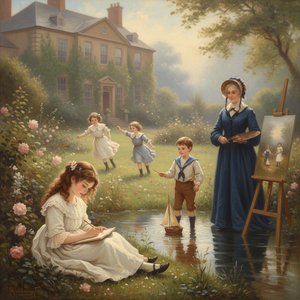
James Sant: Capturing Victorian Childhood & the Evolving Landscape of British Genre Painting
Explore the life & art of James Sant (1820-1916), renowned Victorian portraitist to Queen Victoria. Discover his captivating depictions of childhood, landscapes, and aristocratic society. Learn about his legacy & find fine art reproductions.

The Gaze of a Changing World: Victorian Realism & Modern Life
Explore the captivating world of Victorian Realism! Discover genre painting's rise, social commentary in art, & masters like Fedotov and Wilkie. Expert analysis & high-quality reproductions at OriginalUniqueArt.

Sir Alfred James Munnings: Top 25 Meesterwerken voor Kunstliefhebbers | OriginalUniqueArt.nl
Ontdek de top 25 schilderijen van Sir Alfred James Munnings, meester van paardenkunst & Engelse impressionisme. Leer over zijn leven, techniek en iconische werken. Museumkwaliteit reproducties op OriginalUniqueArt.com! Ontdek alle meesterwerken online.
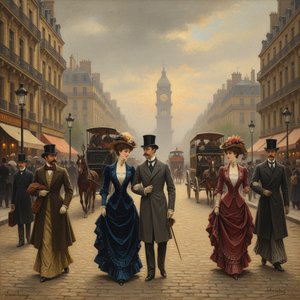
Jacques Joseph Tissot: A Chronicle of Parisian Life & Narrative Evolution
Explore the captivating world of Jacques Joseph Tissot, a master painter of Belle Époque society. Discover his realism, Impressionistic style, and lasting influence on art history. Learn more at OriginalUniqueArt.