
() ·
Een schilderij speciaal voor u gemaakt, met de hand
Handgemaakte olieverfreproductie
Met de hand geschilderd in olieverf op canvas in uw gewenste maat en lijst, op bestelling gemaakt door onze kunstenaars. ( Schakel over naar print Schakel over naar digitale afbeeldingen)
Beschrijving verzamelobject
Explore Jacques Callot’s 'Landscape,' a detailed 17th-century monochrome print showcasing rural tranquility & linear perspective. A masterful example of topographical illustration.
Biografie kunstenaar
Jacques Callot (1592-1635) was een Barok graveur, beroemd om zijn dramatische etsen van oorlog, het hofleven en alledaagse scènes. Een pionier van oude meesterprenten die kunstenaars als Goya beïnvloedde met zijn technische innovaties.
 Lees meer
vanaf ·
Hoofdstuk 1
Hoe groot moet het zijn?
Schuif om de afmetingen te wijzigen; de afbeelding aan de linkerzijde toont de lijst in de werkelijke breedte. De oorspronkelijke verhoudingen blijven behouden.
Kies uit onze vooraf ingestelde maten die overeenkomen met de originele verhoudingen van het kunstwerk.

Voer de breedte en hoogte in die u nodig heeft, passend bij uw lijst of uw muur. Omdat dit handgeschilderd is, kan de kunstenaar bij een afmeting met een andere beeldverhouding iets meer rondom het schilderij schilderen of juist iets meer weglaten — u kiest zelf. Wij sturen u een digitaal mockup ter goedkeuring voordat het schilderwerk begint. De afbeelding die op deze pagina wordt getoond, is niet het uiteindelijke resultaat — alleen de mockup geeft dit weer.
Hoofdstuk 2
Hoe moet het worden geleverd?
Kies de randen van het canvas
Kies uw lijst

Wit €1

Vervagende randen €1

Doorlopende rand €1

P118B €10

P118H €10

P118W €10

P438Z €10

P508JH €12

P508YH €12

P805H €10

P805Z €10

P919BZ €10

P919G €10

P919XJ €10

P959ZH €10

P968JZ €12

W106C €8

W218G €10

W218JH €8

W218Y €10

W307PJ €10

W316G €10

W316PJ €8

W316Y €10

W398PJ €8

W4111J €10

W500HY €15

W500JH €15

W692G €12

W849H €8

W940BG €15

W953PJ €8

H24-GOLD €30

H24-SILVER €30

H36-GOLD €45

H36-SILVER €45
Ingelijst
Lijstrand: . Totale afmetingen inclusief lijst: .
Hoofdstuk 3
Wie schildert het, en moet er iets veranderen?
Na de bestelling zal het team van OriginalUniqueArt.com per e-mail contact opnemen met de klant voor instructies en een mockup-voorbeeld verstrekken
Wereldwijde levering () binnen 3 tot 4 weken in plaats van de standaard 5 weken. (4 november). Zonder concessies aan de kwaliteit.
Hoofdstuk 4
De laatste hand aan
Een naambordje, zoals in een museum?
Details van de gegraveerde bronzen plaat
This elegant plaque features the artist's name and the title of the artwork, finely engraved for a timeless presentation.
It is made from bronze with a refined, elegant finish. The text is precisely laser-engraved for a sharp and permanent result. Measuring 9x2 cm, the plaque is compact yet easy to read. It's built to be durable and scratch-resistant, offering a professional, museum-quality look. Mounting is simple thanks to the included adhesive backing.
Details transparante acrylplaat
The plaque includes essential engraved details such as the artist's name, the title of the artwork, the date it was created, the type of media used-like oil on canvas or watercolor-a brief description of the piece, and a QR code that links to the complete artwork information.
It is crafted from clear acrylic, offering a sleek, modern appearance. The text is UV-engraved in black to ensure strong visual contrast. With a size of 10x15 cm, it ensures optimal readability. It comes equipped with two metal hooks for secure wall mounting. The plaque is designed to be weather-resistant, making it suitable for various environments, and it includes interactive features that work seamlessly with smartphone scanning.
Details zwarte acrylplaat
This elegant plaque includes engraved information such as the artist's name, the title of the artwork, the date it was created, the type of media used (like oil on canvas or watercolor), a short description of the artwork, and a QR code for quick access to more information.
The plaque itself is made from refined black acrylic with a premium finish. The text is laser-engraved in white for high contrast and readability. Its size is 10x15 cm, designed to be easy to read. It comes with two metal hooks for professional mounting. The design is sleek and fits any interior style. It is also weather-resistant and durable, with built-in digital integration for mobile compatibility.
Een beschermende vernis?
Wanneer heeft u het nodig?
Hoofdstuk 5
Uw schilderij, zoals u het heeft besteld

Landscape
Druktechniek
Afmetingen reproductie
-

Geselecteerde topkunstenaars
Meer detail, verfijning en extra productietijd
-

Lijst voor reproductie
-
-
Voor kunstwerken of reproducties die aan één zijde groter zijn dan 105 cm (ongeveer 41 inch), wordt de lijst als een losse set verzonden. Deze methode garandeert een veilige levering en voorkomt schade tijdens het transport.
Professionele montage vereist - dit is geen doe-het-zelfproduct.
De set moet worden gemonteerd en het canvas moet worden gespannen door een ervaren professionele lijstenmaker, met gebruik van houtlijm (niet inbegrepen), een doekspanter en klemmen om de sponningen recht te houden terwijl de lijm droogt. Onjuiste montage of een ongelijkmatige spanning op het canvas kan het kunstwerk permanent beschadigen en wordt niet gedekt door onze garantie.
 Voor kunstwerken of reproducties die aan één zijde groter zijn dan 105 cm (ongeveer 41 inch), wordt de lijst als een losse set verzonden. Deze methode garandeert een veilige levering en voorkomt schade tijdens het transport.
Alle massief houten onderdelen zijn inbegrepen, nauwkeurig op maat gesneden voor montage.
Te monteren met de meegeleverde schroeven, plus houtlijm voor de hoekverbindingen, die niet wordt meegeleverd en door uw lijstenmaker moet worden aangeschaft.
Professioneel gereedschap is vereist en niet inbegrepen: een spanner voor canvas en klemmen om de latten recht te houden terwijl de lijm droogt.
Belangrijk:
De hoekverbindingen vereisen houtlijm, de latten moeten met lijmklemmen worden vastgehouden tot de lijm volledig is opgedroogd, en het spannen van het canvas op het samengestelde frame vereist een doekspanter. Geen van deze artikelen is inbegrepen in de set. Wij adviseren u om een ervaren professionele lijstenmaker te raadplegen voordat u deze maat bestelt.

Naamplaatje
-
-

Beschermende vernislaag
Glanzende vernis (versterkt de kleuren en biedt bescherming tegen licht en vocht)
-

Mijn kunstwerk aanpassen
Voorbeelden van aanpassingen: vervang het gezicht door een eigen foto; voeg een huisdier toe (bijv. vervang de kat door een hond); verwerk een verborgen boodschap in de achtergrond; wijzig het landschap of andere elementen op de achtergrond.
-

Spoedlevering
Wereldwijde levering () binnen 3 tot 4 weken in plaats van de standaard 5 weken. (4 november). Geen concessies aan de kwaliteit.
-
Spoedlevering
Wereldwijde levering naar binnen 5 weken. (11 november).
Inbegrepen
Eindtotaal
€ 267
De optie voor glas is alleen beschikbaar bij een formaat kleiner dan 110 cm.
Inbegrepen bij elke bestelling
- Gratis wereldwijde expressverzending
- Hoogwaardig linnen canvas
- Volledige verzendverzekering
- Garantie op terugbetaling van invoerrechten
- Garantie op exacte kleurweergave
- Retourbeleid van 100 dagen (alleen bij defecten)
- 100% Geld-terug-garantie
- Korting bij meerdere afnames


 Voorvertoning
 Verstuur
 Delen
Delen
 Details bekijken
 Gids
Gids

 Download
 Vergelijkbare items
 Röntgenonderzoek
 Diavoorstelling
 Vraag & antwoord
 Statistieken
In cijfers
- 29lijsten om uit te kiezen
- standaardmaten, in hun eigen verhoudingen
- 5weken om te schilderen en te leveren
Over het origineel


Jacques Callot
1592 - 1635
Snelle feiten over Jacques Callot
- Artistic Movement Or Style: Barok ets
- Artists Or Movements Influenced By This Artist: ['Rembrandt']
- Artists Who Influenced This Artist: ['Philippe Thomassin']
- Date Of Birth: ca. 1592
- Date Of Death: 1635
- Full Name: Jacques Callot
- Nationality: Frans
- Notable Artworks:
- De Heilige Familie aan tafel
- Scène uit de Grandes Misères de la Guerre
- Landschap
- Place Of Birth: Lotharingen, Frankrijk
Biografie kunstenaar
De Meester van de Geëtste Lijn: Het Leven en de Nalatenschap van Jacques Callot
In het grandioze weefsel van de Barok zijn weinig draden zo fijn of zo doordringend gedetailleerd als die van Jacques Callot. Als een virtuoso die de brede streken van de olieverfkunst vermeed ten gunste van de precieze, bijtende naald van de etsnaald, transformeerde Callot de prentkunst van een secundair ambacht tot een diepgaand medium voor sociale commentaar en technische briljantie. Geboren in de regio Lotharingen rond 1592, was zijn reis er een van beweging en metamorfose, die hem van de bevoorrechte zalen van zijn adellijke opvoeding naar de levendige, vaak chaotische straten van Rome en Florence bracht. Hij legde niet enkel de geschiedenis vast; hij etste haar ziel in koperplaten, waarbij hij de vluchtige schaduwen van menselijk lijden en de opzichtige pracht van het hofleven met even grote intensiteit ving.
De artistieke evolutie van Callot werd diepgaand gevormd door zijn reizen door Europa, waardoor hij de diverse texturen van de zeventiende eeuw kon absorberen. Zijn vroege opleiding in Nancy bood een fundament van discipline, maar het was zijn tijd in Italië die zijn genie werkelijk deed ontbranden. Onder de begeleiding van meesters zoals Philipp Tessmann in Rome en later binnen de prestigieuze ateliers van Florence, leerde Callot de humanistische idealen van de Renaissance te verenigen met het dramatische, emotionele gewicht van de Barok. Zijn dienst aan het Hof van de Medici bood hem ongeëvenaarde toegang tot de hoogten van de aristocratische cultuur, maar hij bleef een scherp waarnemer van de wereld onder het vergulde oppervlak, waarbij hij de rauwheid en het vuil van het stedelijk bestaan met een onverzettelijke blik documenteerde.
Technische Revolutie en de Échoppe
Wat Callot werkelijk onderscheidde van zijn tijdgenoten, was zijn revolutionaire benadering van het medium zelf. Vóór Callot ontbrak het de etskunst vaak aan de tonale diepte en de variërende lijndikte die kenmerkend zijn voor traditionele gravures. Hij overbrugde deze kloof door een briljante technische innovatie: de creatie van de échoppe. Deze gespecialiseerde etsnaald, met een ovale punt, stelde hem in staat om de druk van de streek te manipuleren om zwellende en taps toelopende lijnen te creëren. Deze doorbraak stelde hem in staat om de gracieuze, variërende breedtes van een graveerstijl na te bootsen, waardoor er een nieuw niveau van sculpturale dimensie en vloeiende beweging aan zijn prenten werd toegevoegd. Door deze meesterschap bereikte hij een detailniveau waarmee hij het delicate kant van een mouw van een edelman of de angstaanjagende, grillige texturen van een slagveld met even grote precisie kon weergeven.
Deze technische vaardigheid maakte een ongekende reikwijdte aan onderwerpen mogelijk, met name in zijn gevierde serie waarin de duistere zijde van de mensheid werd gedocumenteerd. Zijn werk dient vaak als een visceraal venster op de Miseries van de Oorlog, waarin hij het rauwe, chaotische geweld van conflict vastlegde. In meesterwerken zoals Le Pillage wordt de kijker in een wereld van wanorde en vernietiging geworpen, waar de fijne lijnen van zijn naald de hectische energie van een ontwricht landschap overbrengen. Daartegenover staat zijn vermogen om licht en theatricaliteit te vangen, wat duidelijk blijkt uit werken als Interlude in het Medici-theater, waar de complexe composities de levendige, geënsceneerde magie van de Renaissance-opvoeringen oproepen.
Een Blijvende Indruk op de Kunstgeschiedenis
De historische betekenis van Jacques Callot reikt veel verder dan de grenzen van de zeventiende eeuw. Hij was een pionier van wat we nu herkennen als "oude meesterprenten", waarbij hij een standaard vestigde van narratieve complexiteit en technische uitvoering die generaties prentkunstenaars zou inspireren. Zijn invloed is door de eeuwen heen te volgen, met name in het werk van Francisco Goya, die de gave van Callot deelde om het grafische medium te gebruiken voor het verkennen van de duistere, meer groteske aspecten van de menselijke conditie. Door de etsnaald te verheffen tot een instrument van diepe psychologische en sociale gelaagdheid, verzekerde Callot dat zijn visie zou voortbestaan.
Uiteindelijk blijft het oeuvre van Callot een hartverscheurend mooi paradox: het is zowel een minutieuze verslaglegging van historische wreedheid als een viering van artistieke finesse. Of hij nu de grimmige realiteit van La Roue (Het Rad) afbeeldde of de delicate gratie van een hofdans, zijn prenten bezitten een tijdloze kwaliteit die hun tijdperk overstijgt. Hij blijft een unieke stem in de Barokke canon—een meester die het oneindige vond in het oneindig kleine, en bewees dat zelfs de kleinste geëtste lijn het gewicht van de wereld kon dragen.
Gerelateerde artikelen

Romantische Landschappen: Top 10 Meesterwerken voor een Sfeervol Interieur | OriginalUniqueArt.nl
Ontdek de 10 meest iconische meesterwerken van de Romantiek! Reis door de tijd met Caspar David Friedrich, Turner & Delacroix. Laat je inspireren en vind museumkwaliteit kunst reproducties voor een sfeervol interieur op OriginalUniqueArt.com.

John Constable's Top 25 Meesterwerken: Landschappen die de Ziel Raaken | OriginalUniqueArt
Ontdek de 25 mooiste schilderijen van John Constable, meester van de Engelse Romantiek. Van idyllische landschappen tot iconische Hay Wain – bewonder zijn techniek en emotie. Museumkwaliteit reproducties & decoratie op OriginalUniqueArt.com.
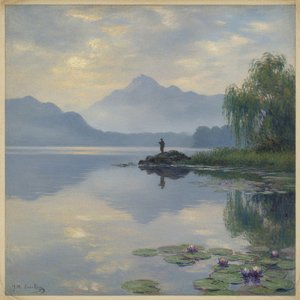
Capturing Stillness: A Curated Exploration of the Most Iconic Lake Landscapes in Art History
Journey through art history's most serene lake landscapes. From Romantic vistas to light-drenched Impressionist waters, discover the stories behind these iconic masterpieces and find museum-quality, hand-painted oil reproductions for your private collection.

Evocations of Place: A Historical Journey Through Landscape Art
Explore the rich history of landscape art with OriginalUniqueArt. Discover renowned artists, movements like Impressionism & tonalism, and expert guidance for collecting timeless pieces. Find your perfect serene escape today!