
 Voorvertoning
 Verstuur
 Delen
Delen
 Details bekijken

 Download
 Vergelijkbare items
 Röntgenonderzoek
 Diavoorstelling
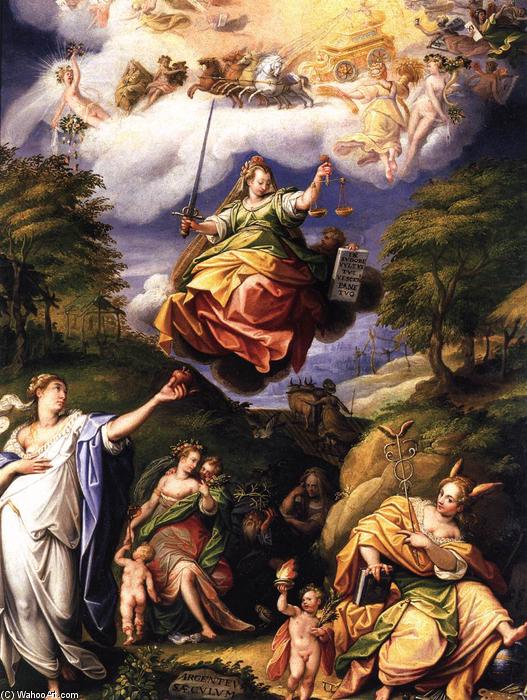
Het Gouden tijdperk
 Acryl op canvas
- Wanddecoratie
- Italian Mannerism
 1587
1587 50.0 x 39.0 cm
 Galleria degli Uffizi
 Lees meer
Giclée / Kunstafdrukken
Giclée- of canvasafdruk van museumkwaliteit met een snelle productie en flexibele afwerkingsmogelijkheden. ( Bestel handgeschilderde reproductie Koop afbeelding)




P118B $10

P118H $10

P118W $10

P438Z $10

P508JH $12

P508YH $12

P805H $10

P805Z $10

P919BZ $10

P919G $10

P919XJ $10

P959ZH $10

P968JZ $12

W106C $8

W218G $10

W218JH $8

W218Y $10

W307PJ $10

W316G $10

W316PJ $8

W316Y $10

W398PJ $8

W4111J $10

W500HY $15

W500JH $15

W692G $12

W849H $8

W940BG $15

W953PJ $8




Kies uit onze vooraf ingestelde maten die overeenkomen met de originele verhoudingen van het kunstwerk.

U kunt uw eigen afmetingen opgeven om in een specifieke lijst of ruimte te passen. Als de door u gekozen maat niet overeenkomt met de proporties van het originele kunstwerk, zullen wij de afbeelding bijsnijden of uitbreiden met een gespiegelde of effen rand. Een digitaal mockup wordt ter goedkeuring naar u verzonden voordat de productie begint.
Houd er rekening mee dat de preview op het scherm de werkelijke bijsneding of uitbreiding niet weergeeft. Alleen de mockup toont de uiteindelijke compositie nauwkeurig.
Hoewel aangepaste maten beschikbaar zijn, raden wij aan een afmeting uit de vooraf bepaalde lijst te kiezen om de originele proporties te behouden.
Wereldwijde levering () binnen 2 weken in plaats van de standaard 4/5 weken. (21 augustus)

Gratis wereldwijde expressverzending

Hoogwaardig linnen canvas

Volledige verzendverzekering

Garantie op terugbetaling van invoerrechten

Garantie op exacte kleurweergave

Retourbeleid van 60 dagen (alleen bij defecten)

100% Geld-terug-garantie

Korting bij meerdere afnames
 De optie voor glas is alleen beschikbaar bij een formaat kleiner dan 110 cm.

Het Gouden tijdperk
Giclée / Kunstafdrukken
Afmetingen reproductie
-


Eindtotaal
$ 81
Beschrijving verzamelobject
Een Fascinerende Kijk Op De Gouden Eeuw
De schilderkunst van Jacopo Zucchi, een naam die resoneert binnen de muziek en kunstgeschiedenis van het Florentijnse Barokke tijdperk, biedt een prachtige reis terug naar het einde van de 16e eeuw. Zijn werkstuk ‘Age of Silver’, geschreven in 1587, is meer dan alleen een mooie afbeelding; het is een complexe weergave van een belangrijke historische periode en een kunstzinnige uitdrukking van een tijd waarin intellectuele contemplatie en emotionele kracht centraal stonden. Een kunstenaar die zich volledig liet leiden door de principes van Mannerisme, een stijl die voortkwam uit de laatste dagen van het Renaissance-idealisme.Een Onderzoek Naar De Symboliek En Stijl
Het schilderij zelf is een gedetailleerde studie naar een thema dat centraal staat: de Gouden Eeuw – een tijd waarin kunstenaars zoals Zucchi zich bezighouden met het verkennen van nieuwe vormen en perspectieven. Een vrouw die in het midden staat, omringd door engelachtigen en andere figuren, houdt een schaal vast, een symbool dat vaak wordt geïnterpreteerd als vertegenwoordiging van rechtvaardigheid en balans – een thema dat ook terugkomt in de kunstgeschiedenis. De schilderijstechniek is kenmerkend voor zijn tijd: een combinatie van olie op paneel die zorgt voor een rijke kleurintensiteit en een prachtige lichtwerking. Zucchi’s aandacht voor detail is ongeëvenaard, waarbij elke beweging en tekstuur zorgvuldig wordt vastgelegd om een gevoel van dynamische energie te creëren. Een stijl die zich afwijst van de harmonieuze vormen van het klassieke Renaissance, maar juist een nieuwe manier biedt om emoties en ideeën weergeven.Historische Context En De Medici’s Patronage
Het werkstuk werd geschreven tijdens het regeringstidperk van Ferdinando I de' Medici, een kunstzinnige prins die Florence als centrum van Europese kunst en wetenschap wilde vestigen. Zijn patronage speelde een cruciale rol bij het stimuleren van creativiteit en innovatie binnen de kunstwereld. Zucchi’s schilderstijl werd sterk beïnvloed door deze periode waarin de kunstenaars zich richtten op het weergeven van complexe emoties en psychologische nuances – een stijl die zou voortduren tot aan zijn dood in 1596. Een tijd waarin filosofen zoals Pico della Mirandola en Erasmus hun invloed hadden op het denken en de kunstpraktijk, waardoor een nieuwe manier ontstond om de wereld te begrijpen en weer te geven.Een Adembenemende Kijk Voor De Moderne Kunstliefhebber
‘Age of Silver’ is meer dan alleen een historische kunstwerk; het is een visuele ervaring die nog steeds aanspoort tot contemplatie en inspiratie. Een prachtige reproductie biedt een kans om de schoonheid van Zucchi's stijl te verkennen en een stukje geschiedenis mee naar huis te nemen. Laat je meevoeren door de kleuren, vormen en emoties die deze tijdloze kunstenaar heeft weten vast te leggen – een kunstwerk dat een blijvende plaats zal vinden in elke kunstcollectie en elk interieur waar het wordt tentoongesteld. Een kunstzinnige ode aan balans, rechtvaardigheid en de kracht van emotionele expressie, geschreven voor een tijd waarin schoonheid en intellectueel onderzoek hand in hand gingen.Biografie van de kunstenaar
The Florentine Master of Mannerist Drama
Jacopo Zucchi stands as a pivotal figure in the evolution of the Florentine Baroque, embodying the stylistic complexities and dramatic grandeur characteristic of Mannerism. This was an era that famously rejected the idealized, harmonious beauty of the High Renaissance in favor of intellectual contemplation, expressive distortion, and a sense of restless energy. Born in Florence around 1542, Zucchi’s formative years were deeply rooted in the prestigious artistic traditions fostered by Giorgio Vasari. By joining Vasari’s studio as a young apprentice, Zucchi absorbed a meticulous approach to observation and a masterful command of technique that would serve as the bedrock of his later innovations.
This early apprenticeship instilled in him a profound understanding of disegno—the humanist concept of drawing as the essential foundation of all artistic creation. Under Vasari’s guidance, Zuc chi learned to balance rigorous anatomical accuracy with the deliberate, expressive manipulation of form. This tension between realism and artifice became the hallmark of his style, propelling him toward a vision marked by dynamic movement, unsettling perspectives, and an exploration of psychological depth that would define his prolific career.
Grandeur in Florence and Rome
Zucchi’s talent quickly earned him placement within some of the most prestigious decorative projects of the late 16th century. His involvement in the decoration of the Palazzo Vecchio, specifically within the Studiolo and the Salone dei Cinquecento, showcased his ability to execute ambitious, large-scale commissions. In these spaces, he blended classical ideals with Mannerist innovation, creating opulent frescoes that celebrated Florentine civic pride through masterful illusionistic painting techniques.
As his reputation expanded beyond the borders of Florence, Zucchi moved to Rome in the early 1570s, where he swiftly established himself as a sought-after master for the highest echelons of the clergy and nobility. His work for Cardinal Ferdinando de’ Medici's palazzo Firenze provided him with unparalleled access to artistic resources and high-profile patronage. It was during this Roman period that his collaborative spirit flourished; notably, he worked alongside his brother Francesco on the monumental fresco cycles adorning the apse and dome of Santo Spirito, leaving an indelible mark on the religious landscape of the city.
A Legacy of Symbolism and Technique
The breadth of Zucchi’s oeuvre reflects a remarkable ability to navigate diverse subject matters, from the deeply spiritual to the elegantly secular. His works often serve as windows into the complex allegories of the 16th century:
- Religious Devotion: In pieces such as Allegory of the Creation, Zucchi captures profound moments of divine connection, utilizing dramatic lighting and celestial figures to evoke a sense of awe and religious fervor.
- Allegorical Narrative: His masterpiece, Age of Silver, demonstrates his command over the Florentine Baroque style, weaving intricate details of justice and angelic presence into a complex tapestry of meaning.
- Portraiture and Elegance: Beyond grand frescoes, Zucchi excelled in intimate portraiture. His Portrait of a Lady showcases his ability to use striking color palettes—such as deep blue tones—and meticulous detail in jewelry to convey the status and grace of his subjects.
Ultimately, the historical significance of Jacopo Zucchi lies in his role as a bridge between the structured traditions of the Renaissance and the emotive, theatrical intensity of the Baroque. Through his mastery of disegno and his embrace of Mannerist distortion, he helped shape a visual language that prioritized the emotional and intellectual impact of art, ensuring his place as one of the most influential painters of the late Italian Renaissance.

Jacopo Zucchi
1542 - 1596 , Italy
Belangrijkste feiten
- Artistic Movement Or Style: Mannerist Painting
- Artists Or Movements Influenced By This Artist: ['Renaissance Art']
- Artists Who Influenced This Artist: ['Giorgio Vasari']
- Date Of Birth: Florence, Italy (1542)
- Date Of Death: Roma (1596)
- Full Name: Jacopo Zucchi
- Nationality: Italian
- Notable Artworks:
- The Assembly of the Gods
- The Miracle of the Snow
- The Toilet of Bathsheba
- Place Of Birth: Florence
Gerelateerde artikelen
Jacopo Tintoretto's Meesterwerken: 25 Schilderijen die de Renaissance Definieerden | OriginalUniqueArt
Ontdek de 25 meest indrukwekkende schilderijen van Jacopo Tintoretto, de meester van het Venetiaanse Renaissance. Duik in zijn dramatische stijl, religieuze thema's & techniek. Vind museumkwaliteit reproducties en decoratie-inspiratie op OriginalUniqueArt.com.

Drama and Distortion: A Definitive Guide to the Mastery of Mannerism and Baroque Art
Explore the dramatic evolution from Mannerist distortion to Baroque grandeur. Discover how light, shadow, and emotion redefined art history through a masterclass in technical mastery and religious fervor.
Drama & Distortion: A Journey Through the Captivating World of Baroque Mannerism
Explore the dramatic tension of Mannerism and the opulent grandeur of Baroque art. Discover how masters used light, shadow, and distortion to redefine European history through a captivating journey of emotional intensity and spiritual fervor.

Mannerism: Bridging Renaissance Harmony & Baroque Drama – A Study of Style & Affectation
Explore the fascinating world of Mannerism! Discover its key characteristics, pioneering artists like Pontormo & Bronzino, and its pivotal role in bridging Renaissance harmony to Baroque drama. A comprehensive guide for art enthusiasts.

Top 10 Barok Meesterwerken: Kunstgeschiedenis voor uw Interieur | OriginalUniqueArt.nl
Ontdek de 10 meest iconische Barok meesterwerken van Caravaggio, Rembrandt & Rubens! Duik in de geschiedenis en passie achter deze klassieke schilderijen. Vind museumkwaliteit reproducties voor uw interieur op OriginalUniqueArt.com.


