
 Bekijk op ware grootte
 Verstuur
 Delen
Delen
 Details bekijken
 Gids voor studentenkunstwerken

 Download
 Vergelijkbare items
 Röntgenonderzoek
 Diavoorstelling
 Statistieken
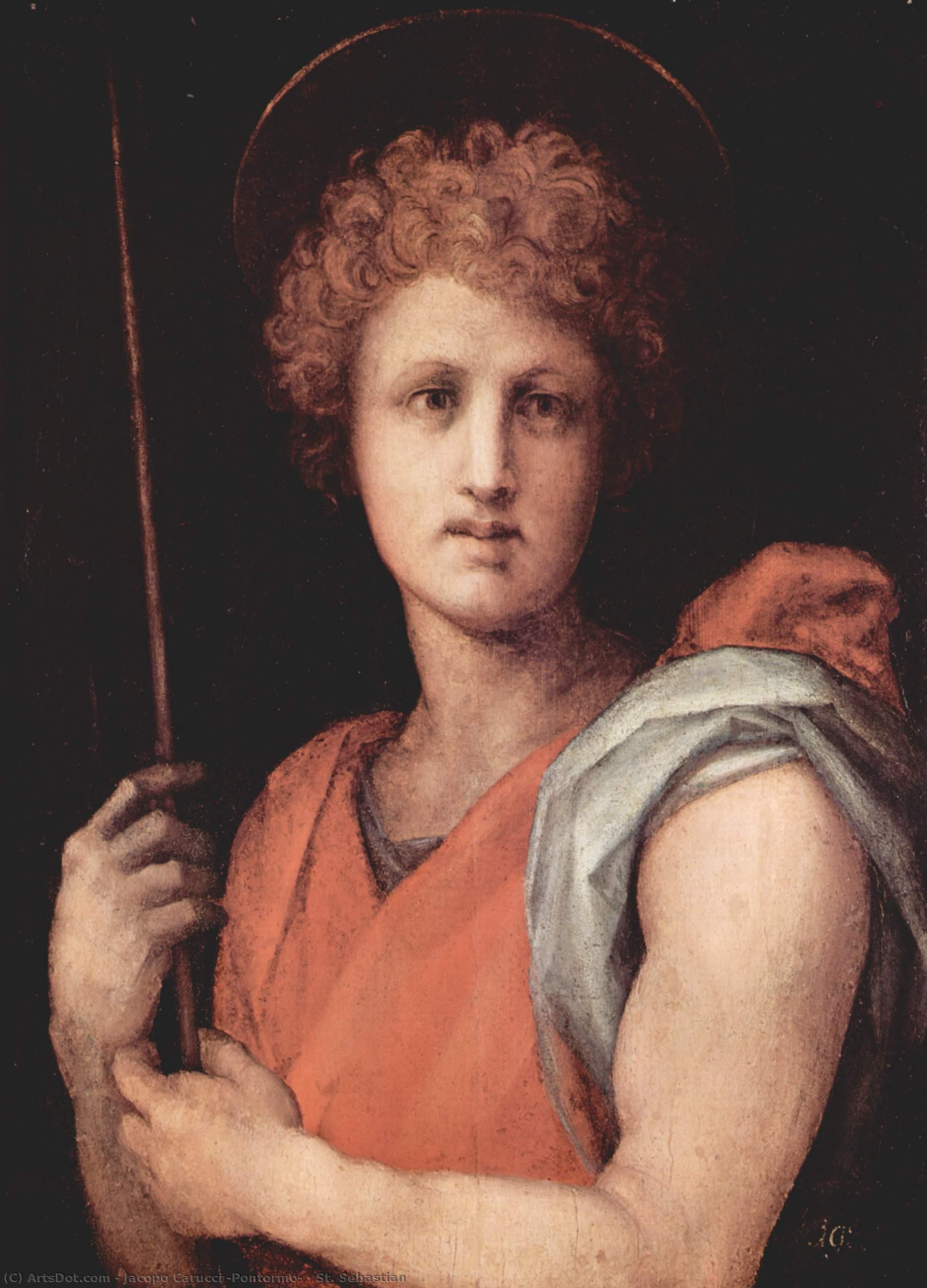
St. Sebastian


 Lees meer
Giclée / Kunstafdrukken
Giclée- of canvasafdruk van museumkwaliteit met een snelle productie en flexibele afwerkingsmogelijkheden. ( Koop handgeschilderd kunstwerk Schakel over naar digitale afbeeldingen)




P118B €10

P118H €10

P118W €10

P438Z €10

P508JH €12

P508YH €12

P805H €10

P805Z €10

P919BZ €10

P919G €10

P919XJ €10

P959ZH €10

P968JZ €12

W106C €8

W218G €10

W218JH €8

W218Y €10

W307PJ €10

W316G €10

W316PJ €8

W316Y €10

W398PJ €8

W4111J €10

W500HY €15

W500JH €15

W692G €12

W849H €8

W940BG €15

W953PJ €8




Kies uit onze vooraf ingestelde maten die overeenkomen met de originele verhoudingen van het kunstwerk.

Voer de breedte en de hoogte in die u nodig heeft, passend bij uw lijst of uw muur. Een afdruk kan alleen worden ingekort, nooit groter worden gemaakt dan het origineel, waardoor een formaat met een andere verhouding een deel van de afbeelding verliest. Wij sturen u een digitaal mockup ter goedkeuring voordat we iets drukken. De afbeelding op deze pagina toont niet de werkelijke uitsnede — dit is alleen te zien op het mockup.
Wereldwijde levering () binnen 2 weken in plaats van de standaard 4/5 weken. (24 oktober)

Gratis wereldwijde expressverzending

Hoogwaardig linnen canvas

Volledige verzendverzekering

Garantie op terugbetaling van invoerrechten

Garantie op exacte kleurweergave

Retourbeleid van 100 dagen (alleen bij defecten)

100% Geld-terug-garantie

Korting bij meerdere afnames
 De optie voor glas is alleen beschikbaar bij een formaat kleiner dan 110 cm.

St. Sebastian
Giclée / Kunstafdrukken
Formaat reproductie
-


Totaalprijs
€ 71
A Portrait of Spiritual Anguish: Unveiling Jacopo Pontormo’s St. Sebastian
Jacopo Pontormo's 1515 depiction of Saint Sebastian is not merely a portrait; it’s an immersion into the heart of Mannerist emotion, a profound exploration of faith, suffering, and the human condition. Painted during a period of artistic upheaval—a deliberate departure from the idealized beauty of the High Renaissance—Pontormo crafted a work that anticipates the dramatic intensity of the Baroque while retaining a distinctly personal and haunting quality. The painting immediately commands attention with its stark contrast: a dark, almost impenetrable background against which the figure of St. Sebastian is rendered in rich, warm hues, creating an immediate sense of isolation and vulnerability.
The composition itself is meticulously constructed, adhering to the pyramidal structure favored by Renaissance artists but imbued with a subtle instability that speaks to the era’s fascination with ambiguity. St. Sebastian's head, centrally positioned, dominates the canvas, his gaze direct and unwavering – an invitation, perhaps, or a plea for understanding. The crossed arms, a gesture of both defense and acceptance, suggest a man caught between earthly suffering and divine grace. The halo encircling his head is not a symbol of triumphant victory but rather a quiet acknowledgment of his martyrdom, a subtle reminder of the spiritual weight he carries.
The Language of Mannerism: Color, Line, and Emotion
Pontormo’s masterful use of color is central to the painting's emotional impact. The dominant palette—deep reds, oranges, and earthy terracotta tones—evokes a sense of warmth and vitality, yet this is immediately tempered by the surrounding darkness. These warm hues are juxtaposed against cooler blues and whites in the draped fabric, creating visual tension and highlighting the figure’s isolation. The artist employs a technique known as *sfumato*, subtly blurring lines and edges to create an atmosphere of ethereal softness—a hallmark of Mannerism. Lines are deliberately soft and blended, avoiding sharp definition; this contributes significantly to the painting's overall sense of fluidity and emotional intensity.
Furthermore, Pontormo’s manipulation of light is particularly noteworthy. It isn’t a dramatic spotlight but rather a diffused illumination that seems to emanate from multiple sources, gently sculpting St. Sebastian’s form and emphasizing his face. This subtle lighting creates a sense of depth and volume while simultaneously flattening the space, drawing the viewer's attention solely to the figure himself. The textures are rendered with remarkable delicacy—the smooth skin, the flowing fabric—suggesting an almost tactile quality that invites close observation.
Symbolism and Historical Context: A Bridge Between Eras
Beyond its aesthetic qualities, St. Sebastian’s image is rich in symbolic meaning. As a martyr for his Christian faith, he represents sacrifice, endurance, and the triumph of spirit over adversity. The arrows piercing his body are not merely depictions of physical pain but potent symbols of spiritual wounds—a visual representation of the suffering endured by all believers. The painting reflects the turbulent religious climate of 16th-century Florence, a city grappling with political instability and religious reform. Pontormo’s embrace of Mannerism can be seen as a response to the perceived rigidity of the High Renaissance, a willingness to explore subjective experience and emotional intensity.
Born Jacopo Carucci in Pontorme, Tuscany, around 1494, Pontormo was a pivotal figure bridging the Renaissance and Baroque eras. His life was marked by both artistic brilliance and personal tragedy – a loss of his wife and children profoundly impacting his work. This experience undoubtedly contributed to the melancholic tone that permeates St. Sebastian, transforming it into a timeless meditation on grief, faith, and the enduring power of the human spirit.
A Timeless Masterpiece: Reproduction and Beyond
Reproductions of Jacopo Pontormo’s *St. Sebastian* offer an exceptional opportunity to experience this profoundly moving work firsthand. The meticulous detail, evocative color palette, and masterful composition are faithfully captured in high-quality reproductions, allowing viewers to appreciate the artist's genius from any vantage point. Whether adorning a grand salon or a more intimate space, this painting continues to resonate with its powerful message of resilience and spiritual depth.
Vragen & Antwoorden
Op welke leeftijd maakte Jacopo Pontormo "St. Sebastian"?
Toen "St. Sebastian" werd gemaakt in 1515, was Jacopo Pontormo - geboren in 1494 - 21 jaar oud.
Kan ik een röntgenopname van "St. Sebastian" door Jacopo Pontormo bekijken?
De Röntgenanalyse-pagina van "St. Sebastian" door Jacopo Pontormo is een interactieve viewer waarmee u door elf optische lagen van de afbeelding van het kunstwerk kunt glijden, inclusief een weergave in röntgenstijl.
Waar past "St. Sebastian" binnen het oeuvre van Jacopo Pontormo?
Binnen het oeuvre van Jacopo Pontormo past "St. Sebastian" binnen de Mannerist Painting-stijl, samen met de thema's van renaissance mannerism, emotional intensity, christian martyrdom, spiritual themes, religious iconography, symbolism rich, pontormo’s unique style, innovation”.
Biografie van de kunstenaar
De Melancholische Visionair: Het Leven en de Nalatenschap van Jacopo Pontormo
Jacopo Carucci, door de geschiedenis bekend onder de evocatieve bijnaam Pontormo, was een kunstenaar wiens penseel de essentie van verandering wist te vangen. Geboren in het kleine Toscaanse dorpje Pontorme rond 1494, werd zijn vroege leven gekenmerkt door een diep gevoel van eenzaamheid en melancholie—eigenschappen die zijn doeken later zouden voorzien van een ongekende psychologische diepgang. Als jonge leerling in Florence bewoog hij zich door een wereld van verschuivende artistieke paradigma's, om uiteindelijk naar voren te treden als een centrale figuur binnen de Florentijnse maniëristische beweging. In tegenstelling tot de meesters van de Hoogrenaissance, die streefden naar perfectie door middel van evenwicht en wiskundige harmonie, keek Pontormo naar binnen; hij zocht naar een manier om de turbulente, vaak verontrustende complexiteit van de menselijke ziel uit te drukken. Zijn vormende jaren werden gevormd in de schaduw van reuzen. Onder de begeleiding van Domenico del Pollaiuolo en de monumentale invloed van Michelangelo Buonarroti, beheerste hij de anatomische precisie die van een meester uit de Renaissance werd verwacht, maar hij bezat ook een onweerstaanbare drang om diezelfde realiteit te vervormen voor een emotioneel effect. Hij putte inspiratie niet alleen uit het sculpturale gewicht van Michelangelo, maar ook uit de ingewikkelde, emotieve gravures van Albrecht Dürer. Deze unieke synthese van Italiaanse vorm en Noord-Europese expressieve details stelde hem in staat een stijl te pionieren waarin figuren hun verbinding met de zwaartekracht leken te verliezen, terwijl ze door ambigue, droomachtige ruimtes zweefden.De Architectuur van het Maniërisme: Stijl en Innovatie
Het aanschouwen van een schilderij van Pontormo is als het betreden van een rijk waar de vertrouwde wetten van de fysica en het perspectief zijn opgeschort. Zijn werk vertegenwoordigt een bewuste breuk met de serene, perspectivische regelmaat van zijn voorgangers. In meesterwerken zoals zijn "Visitation" of de aangrijpende "Deposition", ziet men de kenmerken van zijn revolutionaire maniëristische esthetiek: verlengde ledematen, kronkelende en onnatuurlijke houdingen, en een palet van levendige, bijna zure kleuren die botsen en schitteren met een buitenaards licht. Hij verving de stabiele, driehoekige composities van de Renaissance door kolkende, drukke arrangementen die een gevoel van rusteloze energie en spirituele onrust oproepen. De technische briljantie van Pontormo lag in zijn vermogen om kleur en vorm als psychologische instrumenten te gebruiken. Zijn figuren lijken vaak te zweven in onzekere omgevingen, onbelemmerd door gewicht, wat een gevoel van diepe instabiliteit creëert. Dit was geen loutere kunstmatigheid; het was een bewuste poging om de spirituele angsten van een tijdperk over te brengen dat gevangen zat tussen de zekerheden van de Renaissance en het naderende drama van de Barok. Of het nu via het dramatische licht in zijn "Supper at Emmaus" was of de rauwe, emotieve intensiteit in zijn studies van Christus, Pontormode gebruikte elke penseelstreek om thema's als verdriet, devotie en het goddelijke te verkennen.Een Blijvende Indruk op de Kunstgeschiedenis
De historische betekenis van Jacopo Pontormo kan niet worden overschat. Hij fungeerde als een vitale brug die de klassieke idealen van de 15e eeuw vertaalde naar de expressieve, theatrale taal die veel van de kunst uit de 16e eeuw zou definiëren. Zijn invloed resoneerde door de Florentijnse School, vormde het werk van opvolgers zoals Bronzino en zorgde ervoor dat de spanning tussen schoonheid en kunstmatigheid een centraal thema bleef in de Europese schilderkunst. Zijn oeuvre blijft een getuigenis van de kracht van individuele visie boven traditie. Door zijn portretten, zoals het vorstelijke "Cosimo I de' Medici," en zijn diep symbolische religieuze werken, bewees hij dat kunst meer kon zijn dan een spiegel van de realiteit; het kon een venster zijn naar het onderbewuste. Hoewel zijn leven vaak werd overschaduwd door persoonlijk verdriet, blijven de pracht van zijn kleurgebruik en de complexiteit van zijn composities de kijker betoveren, en nodigen ze iedereen uit om zichzelf te verliezen in de prachtige, vervormde en diep menselijke wereld van de Florentijnse meester.
Jacopo Pontormo
1494 - 1557 , Italië
Snelle feiten
- Artistic Movement Or Style: Manierisme
- Artists Or Movements Influenced By This Artist:
- Michelangelo
- Rosso Fiorentino
- Artists Who Influenced This Artist:
- Leonardo da Vinci
- Andrea del Sarto
- Date Of Birth: 1494
- Date Of Death: 1557/7
- Full Name: Jacopo Pontormo
- Nationality: Italiaans
- Notable Artworks:
- Visitatie
- Deposition
- Halberdiers
- Place Of Birth: Pontorme, Italië
Gerelateerde artikelen

The Enduring Legacy of Oil on Canvas: Technique, History & Aesthetic Impact
Explore the rich history & techniques of oil painting – from Renaissance masters to Impressionism. Discover pigments, layering methods, and why this timeless medium endures. Expert insights for artists & art enthusiasts.

El Greco's Top 25 Meesterwerken: Kunst, Geschiedenis & Decoratie voor Uw Huis
Ontdek de top 25 meesterwerken van El Greco! Duik in het leven en werk van deze renaissance schilder, zijn spirituele kunst & dramatische stijl. Vind museumkwaliteit reproducties voor uw interieur op OriginalUniqueArt.com.
Beyond Perfection: The Dramatic Elegance and Intellectual Tension of Renaissance Mannerism
Explore the captivating world of Renaissance Mannerism. Discover how artists moved beyond High Renaissance harmony into a realm of elegant distortion, psychological tension, and dramatic beauty that bridged the gap to the Baroque era.

The Enduring Power of Painting: A Historical & Contemporary Exploration of Form and Emotion
Explore the rich history & enduring techniques of oil painting with OriginalUniqueArt. Discover masterpieces, learn about art collecting, and find authentic handmade reproductions crafted by skilled artists.

Oil on Canvas: A Historical & Technical Exploration of a Timeless Artistic Medium
Explore the rich history & enduring techniques of oil painting on canvas. Discover the science behind its longevity, conservation practices, and contemporary relevance. Expert insights for art enthusiasts.


