 Voorvertoning
 Verstuur
 Delen
Delen
 Details bekijken
 Gids
Gids

 Download
 Vergelijkbare items
 Röntgenonderzoek
 Diavoorstelling
 Q&A
Q&A Statistieken
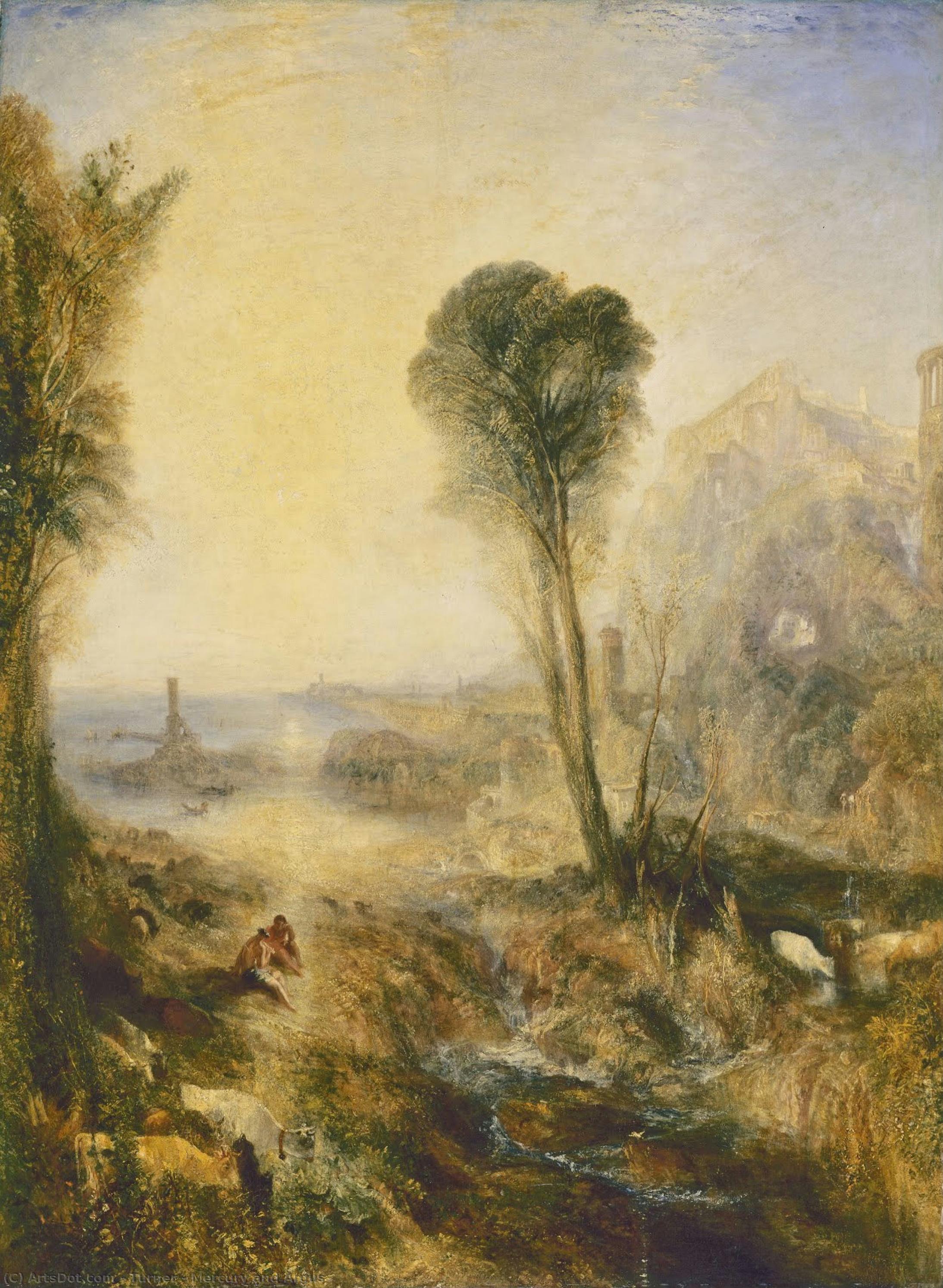
Mercury and Argus

- 151.0 x 111.0 cm


 Lees meer
Giclée / Kunstafdrukken
Giclée- of canvasafdruk van museumkwaliteit met een snelle productie en flexibele afwerkingsmogelijkheden. ( Bestel handgeschilderde reproductie Schakel over naar digitale afbeeldingen)




P118B €10

P118H €10

P118W €10

P438Z €10

P508JH €12

P508YH €12

P805H €10

P805Z €10

P919BZ €10

P919G €10

P919XJ €10

P959ZH €10

P968JZ €12

W106C €8

W218G €10

W218JH €8

W218Y €10

W307PJ €10

W316G €10

W316PJ €8

W316Y €10

W398PJ €8

W4111J €10

W500HY €15

W500JH €15

W692G €12

W849H €8

W940BG €15

W953PJ €8




Kies uit onze vooraf ingestelde maten die overeenkomen met de originele verhoudingen van het kunstwerk.

Voer de gewenste breedte en hoogte in, passend bij uw lijst of muur. Een afdruk kan alleen worden ingekort en nooit groter worden gemaakt dan het origineel; een formaat met andere verhoudingen zal daarom een deel van de afbeelding verliezen. Wij sturen u een digitaal mockup ter goedkeuring voordat we tot drukwerk overgaan. De afbeelding op deze pagina toont niet de werkelijke uitsnede — dit is alleen te zien op het mockup.
Wereldwijde levering () binnen 2 weken in plaats van de standaard 4/5 weken. (2 november)

Gratis wereldwijde expressverzending

Hoogwaardig linnen canvas

Volledige verzendverzekering

Garantie op terugbetaling van invoerrechten

Garantie op exacte kleurweergave

Retourbeleid van 100 dagen (alleen bij defecten)

100% Geld-terug-garantie

Korting bij meerdere afnames
 De optie voor glas is alleen beschikbaar bij een formaat kleiner dan 110 cm.

Mercury and Argus
Giclée / Kunstafdrukken
Afmetingen reproductie
-


Eindtotaal
€ 72
A Vision of Mythic Tranquility
The artwork presents a romantic landscape scene with figures in the foreground and a distant cityscape. A central stream or river leads the eye towards a hazy, distant city. Tall trees dominate the left side of the frame, creating a vertical emphasis and framing the scene. In the foreground on the right, a group of figures, appearing to be shepherds and their flock, occupy the space.
The composition utilizes atmospheric perspective to create depth, with distant objects rendered in paler colors and less detail. The color palette is dominated by warm earth tones, including yellows, browns, ochres, and muted greens, with subdued hints of blue and grey in the sky and distant city. Lines are soft and blurred, contributing to an atmospheric effect, while the water appears fluid and shimmering.
Technical Composition and Style
The painting is executed using oil paint on canvas. The technique involves visible brushstrokes that create a sense of roughness on the trees and ground. The lighting is diffused and soft, suggesting an overcast day or early morning/late afternoon light, with no strong directional light source.
Key visual elements include:
- Shapes: Organic and flowing forms reflecting natural landscape elements.
- Textures: A textured appearance on the trees and ground contrasted with a smooth, hazy texture in the distant cityscape.
- Perspective: Depth achieved through overlapping forms and the winding horizontal lines of the stream.
Veelgestelde vragen
Welk palet en welke emotie komen samen in "Mercury and Argus"?
Het Neutrals palet van "Mercury and Argus" door J.M.W. Turner vloeit prachtig samen met de Nostalgic emotionele toon. Kleur is een van de manieren waarop een kunstwerk gevoel overbrengt.
Is "Mercury and Argus" vrij van auteursrecht?
De auteursrechtelijke status van "Mercury and Argus" door J.M.W. Turner: het werk is bevindt zich in het publiek domein - de auteursrechten zijn verlopen. Dit bepaalt of reproducties van de afbeelding vrijelijk mogen worden gemaakt.
In welk jaar werd "Mercury and Argus" door J.M.W. Turner gemaakt?
"Mercury and Argus" door J.M.W. Turner werd gecreëerd in 1840.
Biografie kunstenaar
A Life Painted in Light: The World of J.M.W. Turner
Joseph Mallord William Turner, universally known as J.M.W. Turner, was far more than a painter; he was a visionary who fundamentally reshaped the landscape of art and laid the groundwork for modern abstraction. Born in Maiden Lane, Covent Garden, London, in 1775, his origins were modest – the son of a barber and wig maker. Yet, even from childhood, an extraordinary talent began to blossom within him. By the age of fourteen, he was enrolled at the Royal Academy, making his debut as an artist just a year later. This early promise wasn’t merely technical proficiency; it hinted at an innate understanding of light, color, and atmosphere – qualities that would become the defining characteristics of his remarkable career. To supplement his artistic education, Turner gained practical experience as an architectural draftsman, honing his perspective and compositional skills—abilities that proved invaluable in rendering both meticulously detailed topographical views and vast, emotionally resonant landscapes. Turner’s formative years were characterized by a relentless dedication to his craft, fueled by natural aptitude and an unwavering pursuit of artistic excellence.The Romantic Tempest: Style and Influences
Turner emerged during the height of the Romantic era, yet he didn't simply replicate its conventions. He absorbed influences from diverse sources – the luminous landscapes of Dutch masters like Claude Lorrain and Aelbert Cuyp, and the poetic approach to nature championed by artists such as Richard Wilson. However, Turner didn’t merely imitate; he synthesized these influences into something entirely new. His work is immediately recognizable for its expressive use of color, often employing bold contrasts and vibrant hues to convey emotion and atmosphere. He possessed a profound fascination with the power and drama of the natural world – turbulent seascapes, fiery sunsets, and swirling storms became recurring motifs in his paintings. Crucially, Turner wasn’t interested in simply depicting what he saw; he sought to capture the *feeling* of a place, the sublime awe inspired by nature's grandeur. This pursuit led him to experiment with increasingly loose brushwork, dissolving forms into washes of color and light—techniques that presaged the Impressionist movement decades later. The influence of John Ruskin is undeniable; from 1840, the critic championed Turner’s work, elevating landscape painting to a level of critical acclaim previously unheard of.A Prolific Legacy: The Scope of Turner's Output
The sheer volume of Turner’s artistic output is astonishing—a testament to his tireless exploration and experimentation. He created over 550 oil paintings, nearly 2,000 watercolors, and an astounding 30,000 works on paper. This prolificacy wasn’t simply a matter of quantity; it reflected his unwavering commitment to exploring diverse subjects, techniques, and styles. His paintings range from meticulously detailed topographical views of British landscapes—such as the dramatic coastal scenes of Cornwall—to dynamic historical scenes and evocative maritime paintings that capture the essence of the sea. He was equally adept at conveying the tranquility of a pastoral scene and the terrifying power of a raging storm. Consider, for example, “Fort Vimieux,” where swirling clouds and crashing waves create an atmosphere of intense drama and sublime beauty. Similarly, "Scene in the Campagna" showcases his ability to capture the warmth and serenity of the Italian countryside with delicate brushwork and luminous colors. Beyond painting, Turner was also a skilled printmaker, further disseminating his artistic vision through engravings and lithographs—making his work accessible to a wider audience.Eccentricity and Remembrance: The Man Behind the Masterpieces
Turner’s personal life was as complex and enigmatic as his art. He remained intensely private and reclusive, often shunning social gatherings and preferring the solitude of his studio or the open road. He fathered two daughters, Evelina and Georgiana, with Sarah Danby, the widow of a fellow artist, but maintained a distant relationship with them. His later years were marked by increasing eccentricity and declining health. Following the death of his father in 1829, he became increasingly morose and withdrawn, living in squalor and neglecting his appearance. He adopted the pseudonym “Mr. Booth” to avoid recognition and even rowed his boat into the Thames during a census to remain untraceable. Despite these eccentricities—or perhaps because of them—Turner remains one of Britain’s most beloved artists. His final years were spent in Chelsea, where he passed away on December 19, 1851, at the age of 76. In a fitting tribute to his enduring legacy, he is buried in St Paul's Cathedral, alongside other British luminaries—a testament to his profound impact on art and culture. His work continues to inspire artists and captivate audiences worldwide, ensuring that the light of J.M.W. Turner will continue to shine for generations to come.Major Achievements
Turner’s career spanned over half a century, during which he achieved remarkable success and critical acclaim. He was elected an Academician in 1802, solidifying his position as one of the leading artists of his time. His paintings were exhibited at the Royal Academy throughout his life, attracting large crowds and generating considerable discussion. His innovative use of color and light revolutionized landscape painting, influencing generations of artists to come. Key works such as "The Fighting Temeraire," depicting the decommissioning of a warship, and “Rain, Steam and Speed – The Great Western Railway,” are considered masterpieces of Romanticism and continue to be celebrated for their dramatic intensity and evocative power. Turner’s legacy extends beyond his individual paintings; he helped establish watercolor as a serious medium for landscape artists, paving the way for future developments in the art form.Historical Significance
J.M.W. Turner's work is not merely aesthetically pleasing; it holds significant historical importance. His paintings offer valuable insights into 19th-century Britain—its industrialization, its relationship with nature, and its evolving social consciousness. His depictions of the Thames River, for example, capture the changing landscape of London as it transformed from a primarily agricultural region to an urban center. Furthermore, his engagement with contemporary issues, such as the abolition of slavery (as evidenced in "Slave Ship"), reflects his progressive views and his commitment to social justice. Turner’s artistic innovations—particularly his use of color and light—anticipated developments in Impressionism and Abstract Art, demonstrating his profound influence on the course of modern art history. His work remains a powerful reminder of the enduring power of art to capture both beauty and truth.
J.M.W. Turner
1775 - 1851 , Verenigd Koninkrijk
Belangrijkste feiten
- Artistic Movement Or Style: Romantiek
- Artists Or Movements Influenced By This Artist:
- Impressionisme
- Abstracte kunst
- Artists Who Influenced This Artist:
- Cozens
- Wilson
- Date Of Birth: 23 april 1775
- Date Of Death: 19 december 1851
- Full Name: Joseph Mallord William Turner
- Nationality: Britse kunstenaar
- Notable Artworks:
- Fort Vimieux
- Scene in the Campagna
- Place Of Birth: Londen, Verenigd Koninkrijk
Gerelateerde artikelen

Evocations of Place: A Historical Journey Through Landscape Art
Explore the rich history of landscape art with OriginalUniqueArt. Discover renowned artists, movements like Impressionism & Romanticism, and expert guidance for collecting timeless pieces. Find your perfect serene escape today!

John Constable's Top 25 Meesterwerken: Landschappen die de Ziel Raaken | OriginalUniqueArt
Ontdek de 25 mooiste schilderijen van John Constable, meester van de Engelse Romantiek. Van idyllische landschappen tot iconische Hay Wain – bewonder zijn techniek en emotie. Museumkwaliteit reproducties & decoratie op OriginalUniqueArt.com.

Romantische Landschappen: Top 10 Meesterwerken voor een Sfeervol Interieur | OriginalUniqueArt.nl
Ontdek de 10 meest iconische meesterwerken van de Romantiek! Reis door de tijd met Caspar David Friedrich, Turner & Delacroix. Laat je inspireren en vind museumkwaliteit kunst reproducties voor een sfeervol interieur op OriginalUniqueArt.com.

The Sublime and the Picturesque: Exploring Emotion & Nature in Romantic Landscape Painting
Explore the emotional power of Romantic landscape painting! Discover the sublime & picturesque traditions, key artists like Friedrich & Cole, and find your perfect artwork at OriginalUniqueArt.
J.M.W. Turner: Light, Atmosphere & the Romantic Sublime
Explore the life & art of J.M.W. Turner, a master of Romantic landscape painting. Discover his innovative techniques, key works, and lasting influence on Impressionism. Find high-quality reproductions at OriginalUniqueArt.