

 Voorvertoning
 Verstuur
 Delen
Delen
 Details bekijken
 Gids
Gids

 Download
 Vergelijkbare items
 Röntgenonderzoek
 Diavoorstelling
 Statistieken
Bean Vine
 Japanese Traditional
 701
701 126.0cm x 48.0cm
 Lees meer
Handgemaakte olieverfreproductie
Met de hand geschilderd in olieverf op canvas in uw gewenste maat en lijst, op bestelling gemaakt door onze kunstenaars. ( Schakel over naar print Schakel over naar digitale afbeeldingen)




































Kies uit onze vooraf ingestelde maten die overeenkomen met de originele verhoudingen van het kunstwerk.

Voer de breedte en hoogte in die u nodig heeft, passend bij uw lijst of uw muur. Omdat dit handgeschilderd is, kan de kunstenaar bij een afmeting met een andere beeldverhouding iets meer rondom het schilderij schilderen of juist iets meer weglaten — u kiest zelf. Wij sturen u een digitaal mockup ter goedkeuring voordat het schilderwerk begint. De afbeelding die op deze pagina wordt getoond, is niet het uiteindelijke resultaat — alleen de mockup geeft dit weer.
Na de bestelling zal het team van OriginalUniqueArt.com per e-mail contact opnemen met de klant voor instructies en een mockup-voorbeeld sturen.
Wereldwijde levering () binnen 3 tot 4 weken in plaats van de standaard 5 weken. (25 oktober). Zonder concessies aan de kwaliteit.

Gratis wereldwijde expressverzending

Hoogwaardig linnen canvas

Volledige verzendverzekering

Garantie op terugbetaling van invoerrechten

Garantie op exacte kleurweergave

Retourbeleid van 100 dagen (alleen bij defecten)

100% Geld-terug-garantie

Korting bij meerdere afnames
 De optie voor glas is alleen beschikbaar bij een formaat kleiner dan 110 cm.

Bean Vine
Druktechniek
Afmetingen reproductie
-


Eindtotaal
€ 263
Veelgestelde vragen
Waar kan ik statistieken vinden over "Bean Vine" door Ito Jakuchū?
Er bestaat een Statistieken-pagina voor "Bean Vine". Deze brengt de maandelijkse bezoeken aan het kunstwerk en andere werken van de kunstenaar in kaart, met uitsplitsingen naar land en taal.
In welke oriëntatie staat "Bean Vine" door Ito Jakuchū?
"Bean Vine" door Ito Jakuchū is een Portrait compositie. Het is raadzaam de verhoudingen te controleren voordat u een afmeting voor de print kiest.
Wat is de luminantie van "Bean Vine" door Ito Jakuchū?
De vastgestelde luminantie voor "Bean Vine" door Ito Jakuchū is Bright Balance.
Biografie kunstenaar
De visie van een Kyoto-koopman: De wereld van Itō Jakuchū
Geboren in 1716 te midden van de bruisende Nishiki-markt in Kyoto, kwam Itō Jakuchū naar voren als een van de meest originele en boeiende kunstenaars van Japan. In tegenstelling tot veel van zijn tijdgenoten die vasthielden aan gevestigde artistieke tradities, werd het pad van Jakuchū uniek gevormmed door de welvarende commerciële achtergrond van zijn familie en een diep persoonlijke betrokkenheid bij de Zen-boeddhistische filosofie. Zijn vader, Itō Genzaemon, was een succesvolle kruidenier, wat de jonge Jakuchū een comfortabele opvoeding bood waardoor hij zich vanaf jonge leeftijd kon wijden aan zijn ontluikende talent voor de schilderkunst. Deze commerciële omgeving gaf hem echter ook een bewustzijn van maatschappelijke verschuivingen en de groeiende invloed van de koopmansklasse in Kyoto—een perspectief dat zijn artistieke visie op subtiele wijze zou voeden. Hoewel van hem werd verwacht dat hij uiteindelijk de familiezaak zou overnemen, lag Jakuchū's passie elders, in de drang om de essentie van het leven vast te leggen met penseel en inkt. Na het overlijden van zijn vader, toen hij pas 23 was, leidde Jakuchū de winkel kortstondig voordat hij deze aan zijn broer toevertrouwde, om zich uiteindelijk volledig toe te wijden aan de kunst.Breken met traditie: Stijl en onderwerp
De artistieke stijl van Itō Jakuchū vormt een fascinerende versmelting van minutieus realisme en speelse experimenteerdrift. Hoewel diep geworteld in traditionele Japanse thema's—met name vogels, bloemen en landschappen—vulde hij zijn werk met een innovatieve geest die hem onderscheidde van velen uit zijn tijd. Hij verwierf bekendheid naast Maruyama Ōkyō door zijn realistische weergaven, maar Jakuchū ging verder dan loutere imitatie van de natuur. Zijn schilderijen kenmerken zich door levendige kleuren, dynamische composities en een bereidheid om conventionele perspectieven uit te dagen. Kippen werden in het bijzonder een terugkerend motief in zijn oeuvre, verheven van bescheiden boerderijdieren tot onderwerpen die waardig waren aan diepgaande artistieke verkenning. Hij schilderde niet simpelweg *wat* hij zag, maar verkende de inherente vitaliteit en het karakter van elk wezen. Naast vogels weerspiegelt Jakuchū's werk vaak Zen-boeddhistische thema's—een contemplatieve stilte, een waardering voor vergankelijkheid en een eerbied voor de natuurlijke wereld. Zijn beroemde Bonthout (Bean Vine) is bijvoorbeeld niet slechts een botanische studie, maar een meditatie over groei, verval en de onderlinge verbondenheid van alle dingen. Zijn meesterlijke polychrome weergaven – *dofshoku sai-e* – worden bijzonder geprezen vanwege de buitengewone aandacht voor detail en een levendig palet dat zelden werd gezien in de Japanse schilderkunst van die periode.Zen-invloed en artistieke ontwikkeling
De invloed van het Zen-boeddhisme op de kunst van Jakuchū is onmiskenbaar. Hij werd een lekenbroeder (*koji*) in de Shōkoku-ji tempel in Kyoto, waar hij zich onderdompelde in Zen-principes die de nadruk legden op directe ervaring, intuïtie en het zoeken naar verlichting door contemplatie. Deze spirituele basis vormde zijn artistieke benadering diepgaand, door een gevoel van onthechting van wereldse zaken te bevorderen en een onwankelbare focus te creëren op het vastleggen van de essentie van zijn onderwerpen. Er wordt gezegd dat hij zelfs speciale toestemming kreeg om klassieke Chinese schilderijen uit de collectie van de tempel te bestuderen, waardoor hij eeuwen aan artistieke traditie absorbeerde terwijl hij tegelijkertijd zijn eigen unieke pad effende. Hoewel Jakuchū aanvankelijk mogelijk studeerde onder Ōoka Shunboku, een kunstenaar van de Kano-school gespecialiseerd in bloem- en vogelkunst, oversteeg hij al snel de conventionele training en ontwikkelde hij een idiosyncratische stijl die zich niet gemakkelijk liet categoriseren. Zijn bereidheid om te breken met gevestigde normen plaatste hem binnen de "Lineage of Eccentets" (Stamboom van de Excentriekelingen)—een beweging die werd uitgelicht in het invloedrijke boek *Kisō no Keifu* van Nobuo Tsuji. Dit werk verdedigde kunstenaars die artistieke conventies uitdaagden, waarmee Jakuchū's plaats als een cruciaal figuur in de Japanse kunstgeschiedenis werd bezegeld.Erfenis en herontdekking
Ondanks zijn talent en toewijding bleef Itō Jakuchū tijdens zijn leven relatief onbekend. Pas in de 20e eeuw begon zijn werk brede erkenning te krijgen, grotendeels dankzij het wetenschappelijke werk van Tsuji, dat de perceptie van de schilderkunst uit de Edo-periode revolutioneerde. De verdediging van Jakuchū door Tsuji als een sleutelfiguur binnen de "Lineage of Eccentrics" wekte hernieuwde interesse in zijn kunst en vestigde hem als een van de belangrijkste en meest innovatieve schilders van Japan. Zijn invloed is ook terug te zien in de ontwikkeling van Ukiyo-e, het populaire genre van houtsneden, wat duidt op een bredere impact op de Japanse kunstcultuur. Jakuchū's bereidheid om te experimenteren met perspectief, kleur en onderwerp baande de weg voor toekomstige generaties kunstenaars om conventies uit te dagen en nieuwe creatieve mogelijkheden te verkennen. Een biografie geschreven door de Zen-monnik Daiten Kenjō in 1766 biedt waardevol inzicht in Jakuchū's artistieke filosofie, waarbij zijn bewuste vermijding van menselijke figuren wordt onthuld—een keuze die zijn focus op de natuurlijke wereld en haar inherente schoonheid onderstreept. Vandaag de dag wordt Itō Jakuchū niet alleen gevierd om zijn technische vaardigheid, maar ook om zijn unieke visie; een testament aan de blijvende kracht van een kunstenaar die durfde zijn eigen pad te volgen en de geest van zijn tijd met ongekende originaliteit vastlegde.Opmerkelijke werken
- Vijfhonderd Arhats: Een monumentaal werk dat Jakuchū's buitengewone vaardigheid en toewijding toont.
- Hanshan en Shide (Kanzan en Jittoku): Demonstreert zijn vermogen om de essentie van de Japanse cultuur en folklore te vangen.
- Krabbten en Pioenrozen: Een klassiek voorbeeld van zijn kenmerkende stijl, waarbij minutieus detail wordt gecombineerd met levendige kleur.
- Bonthout (Bean Vine): Een sumi-e meesterwerk dat de Zen-filosofie belichaamt en complexe details laat zien.
- Twee Kraanvogels: Toont zijn artistieke kracht in het afbeelden van vogelonderwerpen met gratie en precisie.
- Oude Pijnboom: Een indrukwekkend werk dat zijn meesterlijke penseelvoering demonstreert (101 x 40 cm, zijde).

Ito Jakuchū
1716 - 1800 , Japan
Belangrijkste feiten
- Artistic Movement Or Style: Kano school stijl
- Artists Or Movements Influenced By This Artist: ['Ukiyo-e']
- Artists Who Influenced This Artist: ['Ōoka Shunboku']
- Date Of Birth: 2 maart 1716
- Date Of Death: 27 oktober 1800
- Full Name: Ito Jakuchū
- Nationality: Japanse
- Notable Artworks:
- Vijfhonderd Arhats
- Hanshan en Shide
- Kreeft en Peonies
- Place Of Birth: Kyoto, Japan
Gerelateerde artikelen

Ephemeral Expressions: Exploring the Nuances of Ink on Paper Through History & Contemporary Art
Explore the captivating world of ink wash painting – from its ancient origins to contemporary masters. Discover techniques, symbolism & conservation insights with OriginalUniqueArt.com.

Katsushika Hokusai's 25 Meesterwerken: Japanse Kunst voor uw Interieur | OriginalUniqueArt
Ontdek de 25 meesterwerken van Katsushika Hokusai, de Japanse Ukiyo-e kunstenaar! Reis door zijn iconische prints zoals 'The Great Wave' en Mount Fuji. Vind museumkwaliteit reproducties & inspiratie voor uw interieur op OriginalUniqueArt.com.
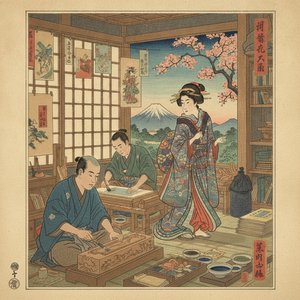
Floating World: The Captivating Art and Legacy of Japanese Ukiyo-e
Explore the profound beauty of Japanese Ukiyo-e. Discover the history, masters like Hokusai, and the enduring legacy of the 'Floating World' through an expert art-historical lens.
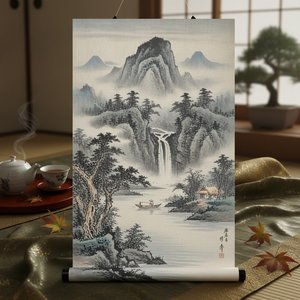
Serenity on Canvas: A Guide to the Timeless Beauty of Japanese Landscape Painting
Discover the serene beauty of Japanese landscape painting. From Hokusai's iconic woodblock prints to meditative sumi-e ink washes, explore a visual journey through the 'floating world' and learn how to bring this timeless Zen aesthetic into your modern home decor.
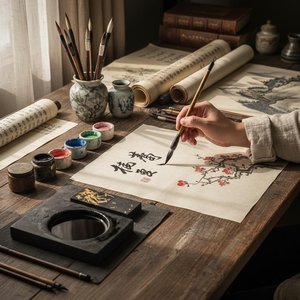
The Alchemy of Ink: Mastering the Timeless Beauty and Art History of Paper and Brush
Embark on a sophisticated exploration of ink wash painting and Sumi-e. Uncover the profound historical lineages, Zen philosophies, and technical mastery behind this timeless medium in our authoritative guide for fine art enthusiasts.
