

 Voorvertoning
 Verstuur
 Delen
Delen
 Details bekijken
 Gids
Gids

 Download
 Vergelijkbare items
 Röntgenonderzoek
 Diavoorstelling
 Statistieken
UNE GALERIE DE MUSEE


 Lees meer
Handgemaakte olieverfreproductie
Met de hand geschilderd in olieverf op canvas in uw gewenste maat en lijst, op bestelling gemaakt door onze kunstenaars. ( Schakel over naar print Schakel over naar digitale afbeeldingen)




P118B €10

P118H €10

P118W €10

P438Z €10

P508JH €12

P508YH €12

P805H €10

P805Z €10

P919BZ €10

P919G €10

P919XJ €10

P959ZH €10

P968JZ €12

W106C €8

W218G €10

W218JH €8

W218Y €10

W307PJ €10

W316G €10

W316PJ €8

W316Y €10

W398PJ €8

W4111J €10

W500HY €15

W500JH €15

W692G €12

W849H €8

W940BG €15

W953PJ €8




Kies uit onze vooraf ingestelde maten die overeenkomen met de originele verhoudingen van het kunstwerk.

Voer de breedte en hoogte in die u nodig heeft, passend bij uw lijst of uw muur. Omdat dit handgeschilderd is, kan de kunstenaar bij een afmeting met een andere beeldverhouding iets meer rondom het schilderij schilderen of juist iets meer weglaten — u kiest zelf. Wij sturen u een digitaal mockup ter goedkeuring voordat het schilderwerk begint. De afbeelding die op deze pagina wordt getoond, is niet het uiteindelijke resultaat — alleen de mockup geeft dit weer.
Na de bestelling zal het team van OriginalUniqueArt.com per e-mail contact opnemen met de klant voor instructies en een mockup-voorbeeld sturen.
Wereldwijde levering () binnen 3 tot 4 weken in plaats van de standaard 5 weken. (26 oktober). Zonder concessies aan de kwaliteit.

Gratis wereldwijde expressverzending

Hoogwaardig linnen canvas

Volledige verzendverzekering

Garantie op terugbetaling van invoerrechten

Garantie op exacte kleurweergave

Retourbeleid van 100 dagen (alleen bij defecten)

100% Geld-terug-garantie

Korting bij meerdere afnames
 De optie voor glas is alleen beschikbaar bij een formaat kleiner dan 110 cm.

UNE GALERIE DE MUSEE
Druktechniek
Afmetingen reproductie
-


Eindtotaal
€ 351
A Vision of Artistic Legacy: Stepping into Hubert Robert’s Grandeur
To encounter Hubert Robert’s “Une Galerie de Musée” is to step through a portal into the very soul of late eighteenth-century intellectual life. Painted around 1798, this monumental oil on canvas does far more than merely document an interior; it invites the viewer into a profound dialogue between the past and the present. The scene unfolds within a vast, majestic museum gallery, where the air seems thick with the quiet reverence of history. Bathed in the soft, diffused glow of natural light streaming from above, the space is populated by artists caught in moments of deep contemplation, their brushes and sketches attempting to capture the eternal essence of classical forms. It is an immersive experience that captures the heart of Romantic antiquarianism, where the grandeur of antiquity meets the burgeoning curiosity of a new era.
The composition is a masterclass in architectural illusion and spatial depth. Robert employs a rigorous linear perspective, utilizing tall, commanding columns and sweeping arched windows to guide the eye toward a distant, mysterious vanishing point. This sense of infinite space is further enriched by the rhythmic arrangement of hanging paintings and the sturdy presence of sculptures that anchor the foreground. The interplay of lines—the strong verticals of the architecture contrasted with the dynamic diagonals of tilted easels and framed works—creates a visual energy that prevents the monumental setting from feeling static. For the collector or designer, this piece offers a sense of structural stability and sophisticated complexity, making it an ideal centerpiece for spaces that demand both presence and narrative depth.
The Poetry of Decay and the Mastery of Light
Robert’s technical prowess is most evident in his ability to render texture and atmosphere through a meticulously controlled palette. The color scheme is a sophisticated arrangement of muted, earthy tones—beige, warm browns, slate greys, and ethereal pale blues—which together evoke the melancholic beauty of weathered stone and aged marble. Subtle highlights of ochre and terracotta breathe life into the architectural details, suggesting the warmth of sunlight hitting ancient surfaces. Through the delicate use of glazing techniques, Robert achieves a luminous quality, allowing light to appear as if it is truly vibrating within the room. The juxtaposition of smooth, polished sculptures against the rugged, textured walls creates a tactile realism that draws the viewer closer to the canvas.
< Symbolism and Emotional ResonanceBeyond its technical brilliance, “Une Galerie de Musée” serves as a powerful symbol of the human endeavor to preserve and revive classical ideals. The presence of artists actively sketching within the gallery is not merely decorative; it represents the continuity of culture and the tireless pursuit of knowledge. There is a poignant tension within the work—a celebration of artistic achievement set against a backdrop that hints at the inevitable passage of time and the beauty found in ruin. This duality evokes a sense of contemplative elegance and nostalgic longing, making the artwork deeply moving for those who find inspiration in the layers of history. For an interior setting, such a piece provides more than just decoration; it offers a window into a world of scholarly passion and timeless aesthetic grace.
Veelgestelde vragen
Hoe kan ik een digitale afbeelding van "UNE GALERIE DE MUSEE" door Hubert Robert verkrijgen?
Om een digitale afbeelding van "UNE GALERIE DE MUSEE" door Hubert Robert te verkrijgen, kunt u een digitale afbeelding in hoge resolutie om te downloaden bestellen op de Digitale afbeelding pagina.
Voor welke gelegenheid wordt "UNE GALERIE DE MUSEE" door Hubert Robert als cadeau aanbevolen?
"UNE GALERIE DE MUSEE" door Hubert Robert is een aanrader als cadeau voor Corporate Gift. Een reproductie van het kunstwerk is een prachtig geschenk.
Hoeveel mensen bekijken "UNE GALERIE DE MUSEE"?
De Statistieken-pagina van "UNE GALERIE DE MUSEE" door Hubert Robert toont statistieken over de publieksbezoeken: het aantal maandelijkse bezoeken aan dit kunstwerk, een vergelijking met de meest bekeken werken van de kunstenaar en de herkomst van de bezoekers.
Biografie kunstenaar
Hubert Robert: A Painter of Ruins and Visions
Hubert Robert, a name inextricably linked to the evocative beauty of ruins and the romantic allure of bygone eras, stands as a singular figure in 18th-century French art. Born in Paris in 1733, his life unfolded against a backdrop of profound artistic transformation—a journey from the ornate elegance of the Rococo to the nascent spirit of Neoclassicism, all while navigating the tumultuous currents of the French Revolution. Robert’s genius wasn't merely in replicating decay; it resided in crafting meticulously detailed visions that resonated with both a poignant nostalgia for the past and an anticipation of the future—a delicate balance between observation and imaginative reconstruction. His formative years were spent within the structured environment of artistic training, initially under the tutelage of the sculptor Michel-Ange Slodtz, who recognized Robert’s innate talent but wisely steered him towards painting, sensing a deeper calling in capturing light, atmosphere, and the subtle poetry inherent in form.Roman Reveries: Shaping an Artistic Identity
The defining moment in Robert's artistic development arrived with his extended sojourn to Rome between 1754 and 1765. Accompanying Étienne-François de Choiseul, he immersed himself completely within the ancient city’s captivating world—a realm steeped in history, architectural grandeur, and a palpable sense of timelessness. This wasn't simply a matter of documenting what he saw; it was an act of profound interpretation, reimagining Rome through his own artistic lens. He spent countless hours sketching the crumbling temples, majestic arches, and overgrown gardens of the Eternal City, absorbing its essence with an almost obsessive intensity. His work during this period is profoundly influenced by Giovanni Paolo Panini, whose meticulous depictions of Roman ruins served as a crucial foundation. However, Robert quickly transcended mere imitation, developing his own distinctive style characterized by an unparalleled level of detail, masterful atmospheric perspective, and a remarkable sensitivity to the interplay of light and shadow—qualities that elevated his *capriccio* compositions – fanciful views juxtaposing classical ruins with contemporary life – into something truly exceptional. His sketchbook pages from this period are invaluable windows into his creative process, revealing not just drawings but also a deep understanding of architectural nuance and landscape composition.Parisian Acclaim and Royal Patronage
Robert’s return to Paris in 1765 marked a significant turning point in his career trajectory. He swiftly gained recognition within the established artistic circles, securing admission to the Académie Royale de Peinture et de Sculpture with “The Port of Rome, Ornamented with Different Monuments of Architecture, Ancient and Modern.” This painting, showcasing his newfound mastery of capturing atmosphere and detail, immediately captivated audiences. His subsequent exhibitions at the Salon – the official art exhibition of the French Academy – garnered widespread acclaim, drawing considerable attention to his evocative depictions of ruins and picturesque landscapes. The critic Denis Diderot, a leading figure of the Enlightenment, famously lauded Robert’s ability to transport viewers to another time and place, recognizing in his work a profound connection between history, memory, and artistic vision. This success swiftly led to royal patronage; he was commissioned to design decorative projects for various palaces and estates, and later appointed as “Designer of the King's Gardens” – a prestigious position reflecting his growing influence within the court. He became a highly sought-after artist, not only for his easel paintings but also for his innovative designs for gardens and palatial interiors—demonstrating a remarkable versatility and an understanding of how art could enhance and elevate the spaces around it.Revolution, Resilience, and Lasting Legacy
The French Revolution presented Robert with unprecedented challenges. As the political landscape shifted dramatically, many artists struggled to navigate the turbulent times. However, Robert demonstrated remarkable resilience, continuing to paint prolifically despite the upheaval. He even experienced a harrowing period of imprisonment during the Reign of Terror, an ordeal that profoundly impacted his work and ultimately fueled a series of drawings documenting his confinement—testaments to both his artistic spirit and his enduring commitment to truth. Following the Revolution, Robert was appointed curator of the newly established Muséum Central des Arts – later known as the Louvre – a testament to his expertise and dedication to preserving France’s cultural heritage. He played a crucial role in organizing and cataloging the museum's vast collection, ensuring that its artistic treasures were safeguarded for future generations. Hubert Robert died in Paris in 1808, leaving behind an extraordinary body of work—a legacy that continues to captivate and inspire with its evocative beauty, technical mastery, and profound understanding of the relationship between art, history, and memory.- Key Influences: Giovanni Paolo Panini, Piranesi, the architectural landscape of Rome.
- Major Themes: Ruins, landscapes, *capriccio* paintings, historical memory, the passage of time.
- Artistic Style: Meticulous detail, atmospheric perspective, evocative lighting, blending observation with imagination.
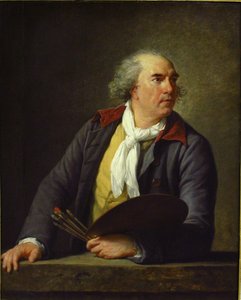
Hubert Robert
1733 - 1808 , Frankrijk
Belangrijkste feiten
- Artistic Movement Or Style: Romantiek, Neoklassiek
- Artists Or Movements Influenced By This Artist: ['Romantiek']
- Artists Who Influenced This Artist:
- Giovanni Panini
- Piranesi
- Date Of Birth: 22 mei 1733
- Date Of Death: 15 april 1808
- Full Name: Hubert Robert
- Nationality: Frans
- Notable Artworks:
- De Haven van Rome
- Vlucht van Galatea
- Place Of Birth: Parijs, Frankrijk
Gerelateerde artikelen

Mastering the Classics: The 25 Greatest Paintings by Nicolas Poussin
Journey through the grandeur of French Baroque with our curated list of the top 25 Nicolas Poussin masterpieces. Explore the stories behind these timeless classical paintings and find museum-quality art reproductions for your decor. Discover all masterpieces on OriginalUniqueArt.com.

Mastering the Classics: The Top 25 Essential Works by Nicolas Poussin
Immerse yourself in the grandeur of French Baroque with our curated guide to the top 25 Nicolas Poussin masterpieces. Explore the stories behind these timeless classical paintings and find museum-quality art reproductions for your decor. Discover all masterpieces on OriginalUniqueArt.com.
Harmonie en Contrast: Abstracte Kunst als Verfrissing van Klassieke Interieurs voor een Tijdloze Uitstraling
Ontdek hoe abstracte kunst uw klassieke interieur verrijkt! Expertadvies over stijlen, kleurgebruik & investeringswaarde. Museumkwaliteit reproducties op OriginalUniqueArt.com.

25 Must-See Masterpieces at the National Gallery, London
Embark on a journey through history with the 25 most iconic masterpieces at London's National Gallery. From Renaissance legends to Impressionist light, explore the stories behind these timeless works and find museum-quality art inspiration. Discover all masterpieces on OriginalUniqueArt.com.

Hubert Robert: Picturing Ruins, Preserving Memory – A Study of Romantic Antiquarianism & Artistic Innovation
Explore the captivating world of Hubert Robert, master of Romantic landscape painting & 'capriccio' ruins. Discover his historical context, artistic innovations, and collecting insights with OriginalUniqueArt.


