 Voorvertoning
 Verstuur
 Delen
Delen
 Details bekijken

 Download
 Vergelijkbare items
 Röntgenonderzoek
 Diavoorstelling
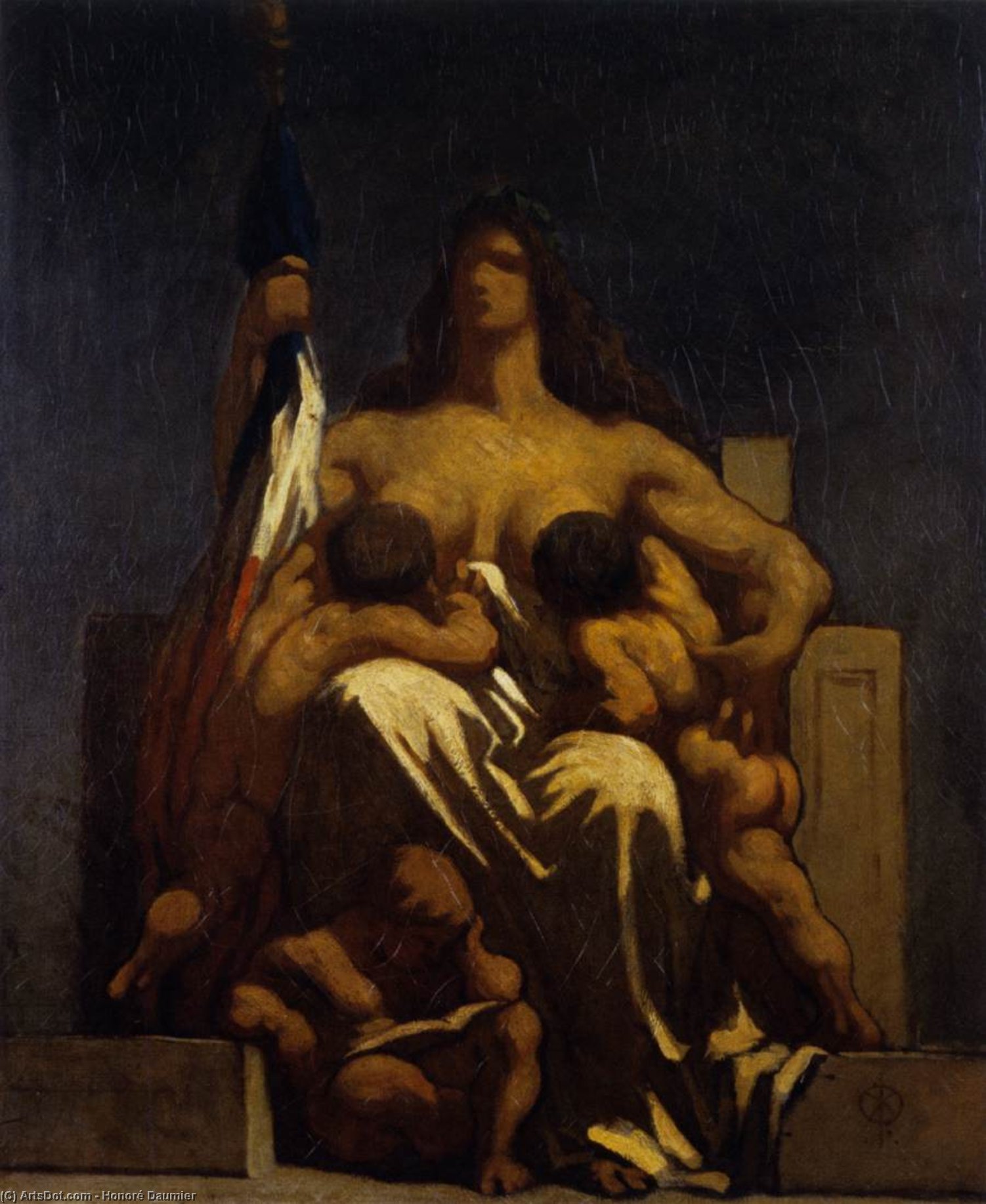
The Republic
 Oil On Canvas
- WallArt
- Academic Realism
 1848
1848 73.0 x 60.0 cm
 Musée d'Orsay
 Lees meer
Handgemaakte olieverfreproductie
Met de hand geschilderd in olieverf op canvas in uw gewenste maat en lijst, op bestelling gemaakt door onze kunstenaars. ( Bestel print Koop afbeelding)




P118B $10

P118H $10

P118W $10

P438Z $10

P508JH $12

P508YH $12

P805H $10

P805Z $10

P919BZ $10

P919G $10

P919XJ $10

P959ZH $10

P968JZ $12

W106C $8

W218G $10

W218JH $8

W218Y $10

W307PJ $10

W316G $10

W316PJ $8

W316Y $10

W398PJ $8

W4111J $10

W500HY $15

W500JH $15

W692G $12

W849H $8

W940BG $15

W953PJ $8




Kies uit onze vooraf ingestelde maten die overeenkomen met de originele verhoudingen van het kunstwerk.

U kunt uw eigen afmetingen invoeren om in een specifieke lijst of ruimte te passen. Als de door u gekozen maat niet overeenkomt met de verhoudingen van het originele beeld, zullen we het kunstwerk bijsnijden of het schilderij uitbreiden met extra handgeschilderde elementen. Een digitale mockup wordt ter goedkeuring naar u verzonden voordat de productie begint.
Houd er rekening mee dat de preview op het scherm niet de werkelijke uitsnede of uitbreiding weergeeft. Alleen de mockup toont de uiteindelijke compositie nauwkeurig.
Hoewel aangepaste afmetingen mogelijk zijn, raden we aan een maat uit de vooraf gedefinieerde lijst te selecteren om de originele verhoudingen te behouden.
Na de bestelling zal het team van OriginalUniqueArt.com per e-mail contact opnemen met de klant voor instructies en een mockup-voorbeeld sturen.
Wereldwijde levering () binnen 3 tot 4 weken in plaats van de standaard 5 weken. (19 augustus). Zonder concessies aan de kwaliteit.

Gratis wereldwijde expressverzending

Hoogwaardig linnen canvas

Volledige verzendverzekering

Garantie op terugbetaling van invoerrechten

Garantie op exacte kleurweergave

Retourbeleid van 60 dagen (alleen bij defecten)

100% Geld-terug-garantie

Korting bij meerdere afnames
 De optie voor glas is alleen beschikbaar bij een formaat kleiner dan 110 cm.

The Republic
Druktechniek
Afmetingen reproductie
-


Eindtotaal
$ 300
Beschrijving kunstwerk
A Portrait of Civic Duty and Social Critique
Honoré Daumier’s “The Republic” (1848) isn't merely a painting; it’s a potent distillation of the anxieties and aspirations swirling within post-revolutionary France. Captured with his signature blend of realism and biting satire, this oil on canvas presents a scene both familiar and profoundly unsettling – a woman, presumably a mother, holding her children close while simultaneously embodying the ideals of republican virtue. The composition immediately draws the eye to her central position; she’s not a regal figure or an idealized Madonna, but a common woman, weathered yet resolute, clutching a flag and a bottle—symbols that speak volumes about the precarious balance between nourishment and civic duty in a nation grappling with its new identity.
Daumier was deeply invested in documenting the social realities of his time. Born in Marseille in 1808, he witnessed firsthand the upheavals of the French Revolution and the subsequent political instability. His art became a relentless critique of the established order – the monarchy, the aristocracy, the Church, and the burgeoning bourgeoisie—all perceived as obstacles to genuine republicanism. “The Republic” is no exception; it’s a pointed commentary on the challenges faced by women in particular during this period of transition. The flag she holds isn't simply a symbol of national pride, but a visual representation of the ideals – liberty, equality, fraternity – that were supposed to underpin the new republic. The bottle, often interpreted as representing sustenance and motherhood, subtly suggests the vital role of family in sustaining these values.
Realism Infused with Dramatic Intensity
Daumier’s technique is characterized by a remarkable directness and emotional intensity. He eschewed the polished surfaces and idealized forms favored by many of his contemporaries, opting instead for a rougher, more immediate style. The brushstrokes are visible, conveying a sense of urgency and immediacy. The palette is muted—earthy browns, ochres, and greys—reflecting the somber mood of the scene and emphasizing the weight of responsibility borne by the central figure. Notice how he uses light and shadow to sculpt her face, highlighting the lines etched by hardship yet radiating an undeniable strength. The background, featuring a simple chair and hinting at a boat, grounds the scene in a domestic setting, further emphasizing the woman’s role as the heart of the family and the embodiment of republican values.
He was heavily influenced by artists like Rubens, particularly in his use of dramatic chiaroscuro – the stark contrast between light and dark—to create a sense of theatricality. This technique amplifies the emotional impact of the painting, drawing attention to the woman’s face and gestures while simultaneously suggesting the turbulent political landscape surrounding her. Daumier's skill lay not just in his technical proficiency but also in his ability to imbue ordinary subjects with extraordinary significance.
Symbolism and Social Commentary
Beyond its immediate depiction, “The Republic” is laden with symbolism. The flag, as mentioned earlier, represents the ideals of the republic, while the bottle speaks to the fundamental needs of family and community. However, the scene isn’t entirely optimistic. The woman's posture suggests a quiet determination rather than triumphant celebration. She’s not basking in victory; she’s enduring—a testament to the ongoing struggle for republican values. Some scholars have suggested that the children represent the future of France, entrusted to this woman’s care as she navigates the complexities of the new political order.
Daumier's work was often controversial during his lifetime, and “The Republic” is no exception. His unflinching critique of social injustice earned him both admirers and enemies. Yet, it remains a powerful and enduring image—a poignant reminder of the challenges inherent in establishing a truly democratic society and the vital role played by ordinary citizens in upholding its ideals.
A Timeless Masterpiece for Reproduction
Reproductions of “The Republic” capture the essence of Daumier’s artistic vision. Available in various sizes, this iconic artwork offers a unique opportunity to bring a touch of historical significance and social commentary into any space. The rich textures and dramatic lighting are faithfully reproduced, allowing you to appreciate the depth and complexity of Daumier's masterful technique. Whether displayed as a statement piece or incorporated into a more subtle interior design scheme, “The Republic” is sure to spark conversation and inspire reflection on the enduring values of liberty, equality, and fraternity.
Biografie van de kunstenaar
Een Leven Geëtst in Satire: De Wereld van Honoré Daumier
Honoré-Victorin Daumier, geboren in Marseille in 1808, leefde een leven dat diep verweven was met de turbulente stromingen van het 19e-eeuwse Frankrijk. Zijn vroege jaren, gekenmerkt door de poëtische aspiraties van zijn vader en de daaropvolgende verhuizing naar Parijs in 1814, brachten hem in een stad die bruiste van artistieke energie. Hoewel aanvankelijk bestemd voor een loopbaan als jurist, leunde Daumier’s hart onwrikbaar naar de kunst. Hij begon zijn carrière als leerling onder Alexandre Lenoir, waar hij klassieke invloeden opnam naast een waardering voor het dramatische clair-obscur van Rubens, en verdiepte zich verder in zijn vaardigheden aan de Academie Suisse. Deze fundamentele training zou cruciaal blijken bij het vormen van zijn kenmerkende stijl – een krachtige mix van realisme en expressieve tekeningstechniek. Maar het was niet alleen de artistieke techniek die Daumier definieerde; het was een diepe gevoeligheid voor de sociale onrechtvaardigheden en politieke absurditeiten om hem heen.De Geslepen Pijl: Karikatuur en Sociale Bekritiek
Daumier’s carrière ontvouwde zich werkelijk in de nasleep van de Revolutie van 1830, een gebeurtenis die de loop van Franse geschiedenis onomkeerbaar veranderde en tegelijkertijd vruchtbare grond bood voor zijn opkomende satirische talent. Hij vestigde zich snel als een meester lithograaf, aanvankelijk door anoniem bij verschillende publicaties bij te dragen voordat hij bekendheid verwierf via zijn werk voor *Le Charivari*, een fel onafhankelijke stripblad dat was opgericht door Charles Philipon. Hier bloeide Daumier’s genie werkelijk uit. Zijn karikaturen waren niet simpelweg humoristische afbeeldingen; ze waren vernietigende aanklachten tegen de bourgeoisie, het juridische systeem en de politieke machthebbers. Hij sprak onverbloemelijk koning Louis-Philippe aan, waardoor hij zes maanden werd gearresteerd in 1832 voor een bijzonder scherp karikatuur. Deze ervaring, die zijn stem niet verstomde, maar juist versterkte, bevestigde zijn toewijding om hypocrisie te ontmaskeren en autoriteit uit te dagen door middel van kunst. Zijn lithografieën werden visuele manifesten, vastleggend de geest van verzet en een kritische commentaar op de maatschappelijke problemen van zijn tijd. De enorme hoeveelheid werk die hij tijdens deze periode produceerde is verbazingwekkend – duizenden lithografieën die zowel populair entertainment als krachtige politieke verklaringen vormden.Buiten Karikatuur: Schilderkunst en Beeldhouwwerk
Hoewel Daumier vooral bekend staat om zijn lithografieën, zou het een onrechtvaardige beperking zijn hem uitsluitend tot deze discipline te reduceren. Hij was ook een toegewijde schilder en beeldhouwer, hoewel erkenning voor dit werk pas later in zijn leven kwam. Zijn schilderijen, vaak beelden van alledaagse Parijse levens – de derde klaswagen, de wasserettes, de advocaten – zijn doordrenkt van een diep gevoel van realisme en empathie. Ze waren geen geïdealiseerde portretten, maar eerder onverbogen weergaven van lijden en strijd. Hij beheerst losse penseelstreken en dramatische belichting om emotie en sfeer over te brengen, wat foreshadowing was voor de technieken die later door de Impressionisten werden omarmd. Zijn beeldhouwwerk, grotendeels gemaakt in klei (veel stukken onbebroekt tijdens zijn leven), toont een vergelijkbare toewijding aan het vastleggen van de menselijke vorm met eerlijkheid en emotionele diepte. Deze beelden, ontdekt na zijn dood, bewijzen een opmerkelijke talent voor modellering en een vermogen om psychologische complexiteit over te brengen door middel van fysieke gebaren.Een Duurzaam Erfgoed: Invloed en Historische Betekenis
Honoré Daumier’s impact op de kunstgeschiedenis is onmiskenbaar. Hij verbond de romantiek met het realisme, waardoor toekomstige generaties kunstenaars een weg vrijmaakten om de wereld te portretteren zoals die werkelijk was – met al zijn imperfecties. Zijn onverbogen sociale commentaar beïnvloedde kunstenaars als Gustave Courbet en Édouard Manet, terwijl zijn innovatieve gebruik van lithografie het drukstechniek radicaal veranderde. Zijn werk resonneert nog steeds vandaag de dag, herinnert ons aan de kracht van kunst om autoriteit uit te dagen, onrechtvaardigheid bloot te leggen en getuige te zijn van de menselijke conditie. Het Musée d’Orsay in Parijs huisvest een aanzienlijke collectie van zijn schilderijen en beelden, waardoor bezoekers een blik krijgen op de wereld die hij zo levendig heeft weergegeven. Zijn lithografieën zijn wijdverspreid toegankelijk via collecties zoals die te vinden zijn op OriginalUniqueArt, waardoor zijn satirische genialiteit voortdurend nadenken en inspireren. Daumier was niet alleen een kunstenaar; hij was een chroniqueur van zijn tijd – een vispoët die zijn talent gebruikte om de stemmen van de minderbedeelde te verheffen en macht verantwoordelijk te houden. Zijn nalatenschap duurt voort als een getuigenis van de blijvende relevantie van kunst als kracht voor sociale verandering.Huidige Meta Beschrijving:
Discover Honoré Daumier (1808-1879), the French master of realism & satire. Explore his powerful lithographs, paintings & sculptures critiquing 19th-century society and influencing modern art.Huidige Meta Trefwoorden:
Honoré Daumier, Honore Daumier, French Realism, 19th Century Art, Political Satire, Lithography, Caricature, Parisian Life, Daumier Prints
Honoré Daumier
1808 - 1879 , Frankrijk
Belangrijkste feiten
- Artistic Movement Or Style: Realisme, Satire
- Artists Or Movements Influenced By This Artist:
- Impressionnisme
- Modern kunst
- Artists Who Influenced This Artist:
- Lenoir
- David
- Date Of Birth: 26 feb 1808
- Date Of Death: 10 feb 1879
- Full Name: Honoré-Victorin Daumier
- Nationality: Frans
- Notable Artworks:
- Rue Transnonain
- Les gens de justice
- Place Of Birth: Marseille, Frankrijk
Gerelateerde artikelen
Honoré Daumier: Social Commentary & Artistic Innovation in 19th-Century France
Explore the life & work of Honoré Daumier, a master of 19th-century French realism and satire. Discover his powerful lithographs, paintings, and sculptures critiquing society – and his lasting influence on modern art.
The Sharpest Wit: A Historical Exploration of Satire in Visual Culture
Explore the history of satire in art! From ancient masters like Aristophanes to Goya & Grosz, discover how artists use wit and critique to reflect—and challenge—society. Expert insights at OriginalUniqueArt.
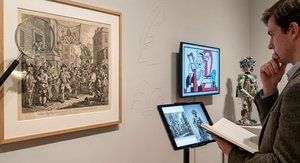
The Sharpest Wit: A Critical Exploration of Satire in Art History – From Hogarth to Contemporary Critique
Explore the history of satire in art! From Hogarth's London to contemporary critique, discover how artists use wit & visual power to reflect and challenge society. Expert insights at OriginalUniqueArt.
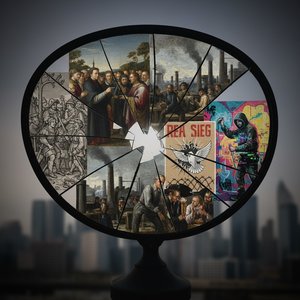
Reflecting Society's Shadows: Social Commentary in Art Through the Ages
Explore the powerful history of social commentary in art! Discover key artists like Hogarth & Daumier, movements from Realism to American Social Realism, and how art reflects—and challenges—society. Expert insights at OriginalUniqueArt.

John Leech: Satirical Visions of Victorian Society – A Comprehensive Examination of His Art & Influence
Explore the satirical world of John Leech, Victorian England's master caricaturist! Discover his iconic work for Punch magazine, illustrations with Dickens, and lasting impact on social commentary & art history. A comprehensive analysis.