Voorvertoning
 Verstuur
 Delen
Delen
 Details bekijken
 Gids
Gids

 Download
 Vergelijkbare items
 Röntgenonderzoek
 Diavoorstelling
 Vraag & antwoord
 Statistieken
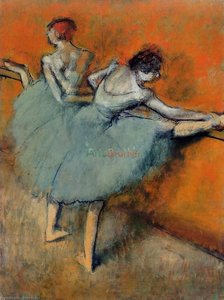
Dance Class


 Lees meer
Giclée / Kunstafdrukken
Giclée- of canvasafdruk van museumkwaliteit met een snelle productie en flexibele afwerkingsmogelijkheden. ( Bestel handgeschilderde reproductie Schakel over naar digitale afbeeldingen)




P118B €10

P118H €10

P118W €10

P438Z €10

P508JH €12

P508YH €12

P805H €10

P805Z €10

P919BZ €10

P919G €10

P919XJ €10

P959ZH €10

P968JZ €12

W106C €8

W218G €10

W218JH €8

W218Y €10

W307PJ €10

W316G €10

W316PJ €8

W316Y €10

W398PJ €8

W4111J €10

W500HY €15

W500JH €15

W692G €12

W849H €8

W940BG €15

W953PJ €8




Kies uit onze vooraf ingestelde maten die overeenkomen met de originele verhoudingen van het kunstwerk.

Voer de gewenste breedte en hoogte in, passend bij uw lijst of muur. Een afdruk kan alleen worden ingekort en nooit groter worden gemaakt dan het origineel; een formaat met andere verhoudingen zal daarom een deel van de afbeelding verliezen. Wij sturen u een digitaal mockup ter goedkeuring voordat we tot drukwerk overgaan. De afbeelding op deze pagina toont niet de werkelijke uitsnede — dit is alleen te zien op het mockup.
Wereldwijde levering () binnen 2 weken in plaats van de standaard 4/5 weken. (10 november)

Gratis wereldwijde expressverzending

Hoogwaardig linnen canvas

Volledige verzendverzekering

Garantie op terugbetaling van invoerrechten

Garantie op exacte kleurweergave

Retourbeleid van 100 dagen (alleen bij defecten)

100% Geld-terug-garantie

Korting bij meerdere afnames
 De optie voor glas is alleen beschikbaar bij een formaat kleiner dan 110 cm.

Dance Class
Giclée / Kunstafdrukken
Afmetingen reproductie
-


Eindtotaal
€ 72
The Captivating World of “Dance Class”
Edgar Degas’s Dance Class, a remarkable oil painting created in 1871 and now residing within the hallowed halls of the Metropolitan Museum of Art, is far more than just a depiction of ballerinas practicing. It's a meticulously observed snapshot of a vibrant microcosm – a ballet studio brimming with youthful energy, quiet anticipation, and the subtle tensions inherent in the pursuit of artistic perfection. Degas, a master of capturing fleeting moments and unconventional subjects, doesn’t offer a grand spectacle; instead, he presents an intimate scene, inviting us to observe the dedication, discipline, and unspoken camaraderie of these young dancers preparing for their performances.
The painting immediately draws the eye with its dynamic composition. Degas eschews traditional, formal arrangements in favor of a horizontal format that emphasizes the space itself – a modestly sized room bathed in diffused light. The arrangement of the dancers is deliberately asymmetrical, creating a sense of movement and suggesting an ongoing process rather than a static pose. Notice how some figures are clustered together, engaged in conversation or instruction, while others stand alone, lost in their own thoughts or focused intently on perfecting a particular step. This deliberate imbalance contributes to the painting’s overall feeling of realism and immediacy.
A Masterclass in Impressionistic Technique
Degas's signature style is powerfully evident in Dance Class. He employs a broken brushstroke technique, applying paint in short, visible dashes that capture the texture of the dancers’ costumes, the worn floorboards, and the subtle play of light and shadow. The color palette is restrained yet remarkably evocative – muted blues, browns, and greys dominate, punctuated by flashes of scarlet in the jackets and emerald green in the ribbons. This deliberate use of color not only reflects the atmosphere of the studio but also subtly emphasizes the dancers’ attire, highlighting their elegance and grace.
Furthermore, Degas's mastery of perspective is remarkable. He skillfully uses atmospheric perspective – a technique where objects appear less distinct and more bluish in the distance – to create a sense of depth within the relatively shallow space. The figures in the background are rendered with softer edges and paler colors, subtly receding into the distance while those closer to the viewer retain greater detail and vibrancy. This careful attention to detail demonstrates Degas’s commitment to accurately portraying his subject matter.
The Ballet Class: A Reflection of Parisian Society
Dance Class offers a fascinating glimpse into the social context of 19th-century Paris, specifically the burgeoning world of ballet. The presence of the piano player, a common fixture in ballet studios at the time, underscores the importance of music in shaping the dancers’ movements and expressions. The watchful instructor, positioned centrally within the composition, represents the rigorous training and discipline required to succeed in this demanding profession. The inclusion of the “stage mothers” observing from the background hints at the social pressures and expectations surrounding ballet performance.
Beyond its depiction of a specific scene, Dance Class speaks to Degas’s broader fascination with movement, beauty, and the human condition. He wasn't simply painting dancers; he was capturing their essence – their grace, their dedication, and their vulnerability. The painting resonates with an emotional depth that transcends mere representation, inviting viewers to contemplate the challenges and rewards of pursuing artistic excellence. It is a testament to Degas’s ability to transform everyday moments into works of enduring beauty and significance.
A Legacy of Impressionism
As part of the Metropolitan Museum of Art's esteemed collection, Dance Class continues to inspire art lovers worldwide. Degas’s innovative approach to subject matter, his masterful technique, and his profound understanding of human emotion have cemented his place as one of the most influential artists of the Impressionist movement. For those seeking a captivating work of art that embodies both technical brilliance and emotional resonance, Dance Class is an unparalleled masterpiece.
Veelgestelde vragen
Waar kan ik het originele werk "Dance Class" door Hilaire-Germain-Edgar Degas bewonderen?
"Dance Class" door Hilaire-Germain-Edgar Degas is te zien in Metropolitan Museum of Art, New York, United States of America. De vermelding van het museum heeft betrekking op het originele werk, niet op reproducties.
Hoeveel licht lijken de kleuren van "Dance Class" te reflecteren?
"Dance Class" door Hilaire-Germain-Edgar Degas heeft een luminantie van Soft Shadow. Luminantie beschrijft hoeveel licht de kleuren lijken te reflecteren.
Hoe oud was Hilaire-Germain-Edgar Degas toen "Dance Class" werd gemaakt?
Toen "Dance Class" werd gemaakt in 1871, was Hilaire-Germain-Edgar Degas - geboren in 1834 - 37 jaar oud.
Biografie kunstenaar
Een Leven Gedoemd aan Beweging
Edgar Degas, geboren Hilaire-Germain-Edgar De Gas in Parijs in 1834, was een kunstenaar van fascinerende tegenstellingen. Hoewel vaak ingelokt bij de Impressionisten – Monet, Renoir en anderen die het schilderen in het late negentiende eeuw revolutioneerden – weigerde hij deze aanduiding te accepteren, en identificeerde zichzelf liever als een realist. Deze toewijding was gebaseerd op zijn minutieuze observatie van de wereld om hem heen en een toewijding aan het onthouden ervan met onverbogen eerlijkheid. Degas’ vroege leven was comfortabel bourgeois; zijn vader was een bankier, en zijn moeder kwam uit een Creoolse familie in New Orleans. Deze achtergrond gaf hem toegang tot onderwijs en artistieke training, hoewel hij vaak klagde over academische beperkingen. Hij meldde zich aanvankelijk aan bij het Lycée Louis-le-Grand, maar zijn echte opleiding begon toen hij begon met kopiëren van werken in de Louvre, waardoor hij zijn vaardigheden verfijnde en een levenslange passie voor klassieke kunst ontbrandde. Echter, Degas’ pad was niet één van strikte traditie; het werd gekenmerkt door voortdurende twijfel en herziening van artistische normen. Hij bezat een onafhankelijk geest die zijn hele carrière zou definiëren.Buiten de Impressionisme: Een Unieke Artistieke Visie
Terwijl tijdgenoten zoals Monet de vluchtige effecten van licht buiten opvolgden, werkte Degas grotendeels binnen de grenzen van zijn studio, zorgvuldig scènes construeerde uit observatie en geheugen. Zijn onderwerpkeuze was beslist modern – een afwijking van de historische of mythologische thema’s die door velen in de academische schilderkunst werden verfijnd. Hij vond inspiratie in het alledaagse leven van Parijzenaars: wasserettes, cabaretdanssters, hoedenmakers en, meest beroemd, dansers. Het is deze fascinatie voor ballet die veel van zijn oeuvre definieert. Degas schilderde niet alleen prachtige ballerina’s; hij ving de slopende realiteit van hun beroep vast – de eindeloze repetities, de fysieke inspanningen, de vluchtige momenten van gratie in een wereld van hard werken. Zijn composities zijn vaak onconventioneel, figuren op onverwachte manieren in beeld brengen en asymmetrische arrangementen gebruiken die een gevoel van dynamiek en directheid creëren. Hij was een meester in het vastleggen van beweging, niet door vervaagde lijnen of wazige effecten, maar door nauwkeurige observatie en zorgvuldige weergave van vorm. *Dancer, A Group of Dancers* en *Women Combing Their Hair* zijn voorbeelden van deze toewijding aan het portretteren van de menselijke figuur in beweging en de complexiteit van het moderne leven onthullen. Hij was niet geïnteresseerd in oppervlakkige schoonheid; hij zocht naar de waarheid onder het oppervlak.Invloeden en Artistieke Ontwikkeling
Degas’ artistieke reis werd gevormd door een diverse reeks invloeden. Zijn vroege opleiding benadrukte klassieke principes, met name het werk van Jean-Auguste-Dominique Ingres, wiens nadruk op vakmanschap en nauwkeurige vorm een blijvende indruk achterliet. Echter, Degas bewonderde ook de Realisten, zoals Gustave Courbet, die academische conventies uitdaagden en het portretteren van hedendaags leven promootten. Een cruciale gebeurtenis in zijn ontwikkeling was zijn associatie met Camille Pissarro, een toonaangevende Impressionist die hem introduceerde bij andere kunstenaars en hem aanmoedigde om te experimenteren met nieuwe technieken. Hij werd gefascineerd door Japanse prints – Ukiyo-e – die invloed hadden op zijn gebruik van asymmetrische composities, platte perspectieven en gedurfde patronen. Hij omarmde ook fotografie, erkende het potentieel ervan als hulpmiddel voor het bestuderen van beweging en het vastleggen van vluchtige momenten in de tijd. Deze bereidheid om verschillende invloeden in zijn werk te integreren is wat hem onderscheidt en bijdraagt aan de unieke karakter van zijn kunst. Hij durfde niet te twijfelen aan het combineren van verschillende bronnen, waardoor iets radicaals ontstond.Belangrijke Prestaties
Edgar Degas stierf in Parijs in 1917, achterlatend een oeuvre dat de aandacht en inspiratie van het publiek tot op de dag van vandaag blijft trekken. Zijn innovatieve benadering van compositie, zijn meesterlijke vakmanschap en zijn onverbogen portretteren van het moderne leven hebben een diepgaande impact gehad op het verloop van kunstgeschiedenis. Hij heeft de weg geëffend voor toekomstige generaties kunstenaars die wilden breken met traditionele conventies en nieuwe manieren om de wereld om hen heen te vertegenwoordigen. Zijn invloed is zichtbaar in het werk van Pablo Picasso en Henri Matisse, onder meer. Musea over de hele wereld – waaronder het Musée d'Orsay en het Musée de l’Orangerie in Parijs – huisvesten significante collecties van zijn schilderijen, pastels, beelden en grafische werken, waardoor zijn nalatenschap voor generaties lang zal voortduren. Degas was niet alleen een schilder van dansers of paardenkoersen; hij was een scherp observator van de menselijke natuur, een meester in vorm en beweging en een ware innovator die de mogelijkheden van kunst herdefinieerde.- Een Meester van Lijn: Degas’ uitzonderlijke vakmanschap onderscheidde hem van zijn tijdgenoten.
- Modern Leven als Onderwerp: Hij richtte zich op hedendaagse Parijse scènes, waarbij hij afweek van de traditie.
- Invloed op Toekomstige Kunstenaars: Zijn werk had een diepgaande impact op Picasso en Matisse.
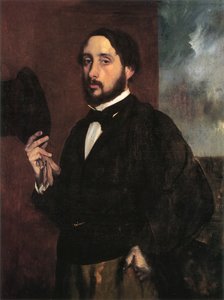
Hilaire-Germain-Edgar Degas
1834 - 1917 , Frankrijk
Belangrijkste feiten
- Artistic Movement Or Style: Impressionisme, Realisme
- Artists Or Movements Influenced By This Artist:
- Picasso
- Matisse
- Artists Who Influenced This Artist:
- Courbet
- Ingres
- Pissarro
- Date Of Birth: 1834
- Date Of Death: 1917
- Full Name: Hilaire-Germain-Edgar De Gas
- Nationality: Frans
- Notable Artworks:
- Danser en tambouren
- De balletles
- Degas in een groene jas
- Place Of Birth: Parijs, Frankrijk
Gerelateerde artikelen

Top 10 Impressionistische Meesterwerken: Kunst die de Wereld Veranderde | OriginalUniqueArt
Ontdek de 10 meest iconische meesterwerken van het Impressionisme! Van Monet tot Renoir, leer over de kunstenaars, technieken & kleuren die deze beweging definieerden. Vind museumkwaliteit reproducties en inspiratie voor uw interieur op OriginalUniqueArt.com.
Top 10 Meesterwerken van het Impressionisme | Kunstreproducties & Decoratie
Ontdek de 10 meest iconische meesterwerken van het Impressionisme met Monet, Renoir & Manet. Leer over hun technieken en kleuren! Museumkwaliteit kunst reproducties voor uw interieur op .
Top 10 Impressionistische Meesterwerken: Kunst die de Geschiedenis Veranderde | OriginalUniqueArt
Ontdek de 10 meest iconische impressionistische meesterwerken van Monet, Manet & Renoir! Duik in de geschiedenis van het impressionisme en bewonder licht, kleur & emotie. Museumkwaliteit kunst reproducties op OriginalUniqueArt.com. Bekijk nu!

Edgar Degas: Capturing Modern Life – A Study of Movement, Observation, and the Parisian Belle Époque
Explore the captivating world of Edgar Degas! Discover his innovative techniques, iconic ballet paintings, and unique portrayal of Parisian life in this insightful art history study.

Top 10 Impressionistische Meesterwerken: Kleur, Licht & Emotie voor uw Interieur
Ontdek de top 10 impressionistische meesterwerken van Monet, Renoir & meer! Duik in kleur, licht en emotie met deze iconische schilderijen. Vind museumkwaliteit kunst reproducties voor uw interieur op OriginalUniqueArt.com.