Bekijk op ware grootte
 Verstuur
 Delen
Delen
 Details bekijken
 Gids voor studentenkunstwerken

 Download
 Vergelijkbare items
 Röntgenonderzoek
 Diavoorstelling
 Statistieken
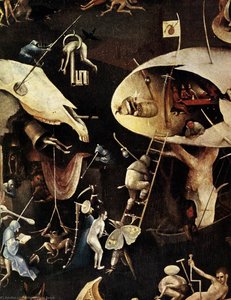
Hermit Saints Triptych (right panel)
 Acrylic On Canvas
- WallArt
- Late Medieval
 1505
1505 86.0 x 29.0 cm
 Palazzo Ducale
 Lees meer
Handgemaakte olieverfreproductie
Met de hand geschilderd in olieverf op canvas in uw gewenste maat en lijst, op bestelling gemaakt door onze kunstenaars. ( Schakel over naar print Schakel over naar digitale afbeeldingen)




P118B €10

P118H €10

P118W €10

P438Z €10

P508JH €12

P508YH €12

P805H €10

P805Z €10

P919BZ €10

P919G €10

P919XJ €10

P959ZH €10

P968JZ €12

W106C €8

W218G €10

W218JH €8

W218Y €10

W307PJ €10

W316G €10

W316PJ €8

W316Y €10

W398PJ €8

W4111J €10

W500HY €15

W500JH €15

W692G €12

W849H €8

W940BG €15

W953PJ €8




Kies uit onze vooraf ingestelde maten die overeenkomen met de originele verhoudingen van het kunstwerk.

Voer de breedte en de hoogte in die u nodig heeft, passend bij uw lijst of uw muur. Dit is handgeschilderd, dus bij een afmeting met een andere vormverhouding kan de kunstenaar iets meer rondom het schilderij schilderen of juist iets meer weglaten — u kiest zelf. Wij sturen u een digitaal mockup ter goedkeuring voordat het schilderwerk begint. De afbeelding die op deze pagina wordt getoond, is niet het uiteindelijke resultaat — alleen de mockup geeft dit weer.
Na de bestelling zal het team van OriginalUniqueArt.com per e-mail contact opnemen met de klant voor instructies en een mockup-voorbeeld sturen.
Wereldwijde levering () binnen 3 tot 4 weken in plaats van de standaard 5 weken. (23 oktober). Zonder concessies aan de kwaliteit.

Gratis wereldwijde expressverzending

Hoogwaardig linnen canvas

Volledige verzendverzekering

Garantie op terugbetaling van invoerrechten

Garantie op exacte kleurweergave

Retourbeleid van 100 dagen (alleen bij defecten)

100% Geld-terug-garantie

Korting bij meerdere afnames
 De optie voor glas is alleen beschikbaar bij een formaat kleiner dan 110 cm.

Hermit Saints Triptych (right panel)
Reproductiemethode
Formaat reproductie
-


Totaalprijs
€ 264
A Vision of Wilderness Faith: Exploring Bosch’s Hermit Saints Triptych (Right Panel)
The Right Panel of Hieronymus Bosch's monumental *Hermit Saints Triptych*, completed around 1505, stands as a haunting testament to the anxieties and spiritual complexities of Renaissance Europe. More than just a depiction of biblical figures—Saint Jerome and Saint Augustine—Bosch’s masterful rendering captures a profound psychological landscape that continues to fascinate scholars and inspire artists today. This section delves into the painting's captivating narrative and artistic brilliance.The Scene: A Precarious Encounter
Painted in oil on panel, the triptych presents a dramatic tableau set within a claustrophobic cave illuminated by an unsettling greenish glow. At its center stands Saint Jerome, depicted with unwavering resolve as he confronts a grotesque creature—likely representing demonic influence—that attempts to intimidate him. Beside him is Augustine, equally steadfast, gazing intently at the same monstrous apparition. The positioning of these saints isn’t merely formal; it underscores their struggle against temptation and evil, mirroring the internal battles faced by individuals grappling with faith during this turbulent period. Bosch meticulously portrays the scene with unsettling realism, capturing not just physical details but also palpable tension.Bosch's Technique: Anatomical Precision Meets Surreal Horror
Bosch’s unparalleled skill lies in his ability to fuse anatomical accuracy—a hallmark of Netherlandish painting—with elements of fantastical horror and symbolic imagery characteristic of his distinctive style. The artist employs a glazing technique, layering thin washes of pigment over thicker underpaintings to achieve remarkable luminosity and depth. Notice the subtle gradations of color that define Augustine’s robe and Jerome’s face, demonstrating Bosch's meticulous attention to detail. However, this technical mastery serves a larger purpose: it amplifies the unsettling atmosphere of the cave and underscores the grotesque nature of the demonic presence. The artist utilizes chiaroscuro—the dramatic interplay of light and shadow—to heighten the sense of drama and emphasize the psychological torment experienced by the saints.Historical Context: Fear, Faith, and the Shadow of Darkness
Bosch’s *Hermit Saints Triptych* emerged during a time marked by significant religious upheaval. The Protestant Reformation was gaining momentum across Europe, challenging papal authority and sparking intense debates about theological doctrines. Simultaneously, anxieties surrounding demonic influence persisted—fueled by folklore and popular piety—reflecting a broader cultural preoccupation with evil and salvation. Bosch’s depiction of the cave and its monstrous inhabitant speaks directly to these concerns, portraying humanity's vulnerability before divine judgment and highlighting the pervasive threat of temptation. The painting serves as a powerful visual commentary on the spiritual struggles of the era.Symbolism: Decoding the Monstrous Gestures
The creature confronting Saint Jerome and Augustine is laden with symbolic significance. Scholars interpret it as representing sin, corruption, and the devil’s relentless assault on human virtue. Its grotesque features—twisted limbs, gaping maw, and piercing eyes—are deliberately designed to evoke horror and provoke contemplation. The cave itself symbolizes purgatory or hell—a place of torment and purification—where souls confront their failings before ascending to heaven. Bosch's masterful use of symbolism elevates the painting beyond mere representation, inviting viewers to engage in a deeper exploration of moral and spiritual themes.Emotional Impact: A Portrait of Inner Conflict
Ultimately, Bosch’s *Hermit Saints Triptych* transcends its formal elements to convey a profound emotional resonance. The painting captures the essence of existential anxiety—the awareness of mortality and the confrontation with evil—themes that resonate powerfully across centuries. It compels us to contemplate the fragility of human faith in the face of overwhelming darkness, prompting reflection on our own spiritual journeys. This reproduction offers an opportunity to experience the unsettling beauty and enduring intellectual significance of one of Bosch’s most iconic works.Vragen & Antwoorden
Welke afmeting wordt aanbevolen voor "Hermit Saints Triptych (right panel)" in een Living Room?
Voor een Living Room wordt voor "Hermit Saints Triptych (right panel)" een afdruk van Large aanbevolen.
Wat stelt "Hermit Saints Triptych (right panel)" door Jeroen Bosch voor?
De thema's die aanwezig zijn in "Hermit Saints Triptych (right panel)" door Jeroen Bosch omvatten cave landscape, hunting scene, religious symbolism, medieval folklore, man with weapon, mountain terrain, symbolic imagery. Samen vatten zij de onderwerpen van het kunstwerk samen.
Welke onderliggende kleur loopt er door "Hermit Saints Triptych (right panel)" door Jeroen Bosch?
Een Amber to Saffron tint loopt door "Hermit Saints Triptych (right panel)" door Jeroen Bosch.
Biografie van de kunstenaar
A Netherlandish Enigma: The Life and Art of Hieronymus Bosch
Born around 1450 in the vibrant, bustling town of ’s-Hertogenbosch in the Netherlands—then part of Brabant—Hieronymus Bosch, originally Jheronimus van Aken, remains one of art history’s most compelling and mysterious figures. His world was steeped in late medieval religious fervor, folklore, and a growing sense of societal unease, all of which would profoundly shape his uniquely unsettling artistic vision. Coming from a family with a long tradition of painting—his grandfather, Jan van Aken, and father, Anthonius van Aken, were both artists—Bosch likely received his earliest training within the family workshop, absorbing the techniques and conventions of Netherlandish painting. However, even in his formative years, he began to diverge from established norms, hinting at the extraordinary imagination that would define his career. Biographical details are frustratingly scarce; records are fragmented, leaving much open to speculation and interpretation, adding to the aura of mystique surrounding both the man and his work. He married Aleyt Goyaerts van den Meerveen sometime before 1481, a union that provided him with some financial security through her family’s holdings, but little else is known about their personal life.Fantastical Visions and Symbolic Depths
Bosch's artistic style is instantly recognizable—a captivating blend of meticulous detail and wildly imaginative imagery. He primarily worked with oil on oak panels, demonstrating a masterful command of the medium, achieving luminous colors and intricate textures. While his early works show influences from traditional Netherlandish painting, particularly in their realism and attention to detail, he quickly moved beyond mere imitation, developing a profoundly original vision. His paintings are not simply representations of reality; they are allegorical landscapes populated by bizarre creatures, hybrid beings, and unsettling scenes that seem plucked from dreams—or nightmares. Religious themes form the core of much of his work, but these are rarely straightforward depictions of biblical stories. Instead, Bosch uses symbolism to explore complex moral and theological concepts, often focusing on the dangers of sin, the fragility of earthly pleasures, and the inevitability of divine judgment. His creatures—grotesque demons, fantastical animals, and strangely human figures—are not merely decorative elements; they are embodiments of vice, temptation, and spiritual corruption. The blending of the sacred and the profane, the beautiful and the grotesque, creates a uniquely unsettling effect that continues to captivate viewers centuries later.Masterpieces of Moral Allegory
Among Bosch’s most celebrated achievements is The Garden of Earthly Delights (c. 1490-1510), a triptych that remains one of the most enigmatic and debated works in art history. When opened, it presents a panoramic vision of paradise, earthly life, and hell—a complex allegorical representation of humanity’s fall from grace. The left panel depicts the Garden of Eden, teeming with fantastical creatures and lush vegetation; the central panel portrays a world consumed by sensual pleasure and unrestrained desire; and the right panel offers a terrifying glimpse into the torments of hell. The Triptych of the Last Judgement (c. 1480-1490) is another powerful example of his skill in portraying both heavenly bliss and infernal torment, while The Ascent of the Blessed (c. 1480-1490) demonstrates his ability to create ethereal and dreamlike scenes. Even smaller works like Epiphany (c. 1495) showcase his innovative use of oil on wood and complex symbolism, revealing a mind constantly grappling with profound questions about faith, morality, and the human condition.Influences and Artistic Development
Identifying Bosch’s direct influences is a challenging task, given the originality of his vision. Scholars suggest possible connections to medieval folklore, religious texts—particularly those emphasizing apocalyptic themes—and the prevailing anxieties of the time, including fears of heresy and social upheaval. However, it's clear that he synthesized these elements into something entirely new and uniquely his own. His early works show a strong influence from traditional Netherlandish painting, particularly in their realism and attention to detail. As he matured, however, Bosch began to experiment with more fantastical imagery and symbolism, developing his distinctive style. He was also influenced by the work of other artists, such as Jan van Eyck and Rogier van der Weyden, but he ultimately surpassed them in originality and innovation. The use of oil paint allowed him to achieve a level of detail and luminosity that had not been seen before, while his mastery of perspective created a sense of depth and realism that was both captivating and unsettling.Legacy and Enduring Influence
Bosch’s work has had a profound impact on art history, influencing generations of artists. Pieter Bruegel the Elder directly followed in his footsteps, adopting similar themes and compositional techniques, while later movements, such as Surrealism, also drew inspiration from Bosch’s dreamlike imagery and exploration of the subconscious. Artists like Salvador Dalí and Max Ernst openly acknowledged their debt to his unsettling visions. Even today, Bosch's work continues to fascinate and provoke debate, solidifying his place as a master of Netherlandish painting and a visionary artist whose influence extends far beyond his own time. His paintings offer valuable insights into the religious, social, and psychological climate of the late 15th and early 16th centuries, challenging conventional norms and paving the way for new forms of artistic expression. He died in 1516, leaving behind a body of work that continues to haunt and inspire, ensuring his enduring legacy as one of art history’s most singular and unforgettable voices.
Jeroen Bosch
1450 - 1516 , Nederland
Snelle feiten
- Artistic Movement Or Style: Surrealisme, Symboliek
- Artists Or Movements Influenced By This Artist: ['Pieter Bruegel']
- Date Of Birth: c. 1450
- Date Of Death: 1516
- Full Name: Hieronymus van Aken
- Nationality: Nederlands
- Notable Artworks:
- Tuin der Zotheid
- Oordeel van Laatste
- Ascentie Verlosse
- Place Of Birth: Den Bosch, Nederland
Gerelateerde artikelen

Golden Light & Dutch Skies: Bringing the Magic of Dutch Golden Age Landscapes into Your Home
Transform your home with the breathtaking light of Dutch Golden Age landscapes. Discover how hand-painted oil reproductions of masterworks like Ruisdael and Vermeer bring timeless elegance, atmosphere, and soulful texture to modern interiors. Elevate your space with museum-quality art.

Jan van Goyen: Master of Dutch Landscape & Atmospheric Perspective
Discover Jan van Goyen, the master of Dutch landscape painting. Explore his subtle technique, atmospheric realism & lasting influence on art history. Learn about this 17th-century pioneer at OriginalUniqueArt.

Golden Light & Dutch Skies: The Timeless Magic of Dutch Golden Age Landscapes
Discover the breathtaking beauty of Dutch Golden Age landscapes. Explore the mastery of light, chiaroscuro, and 17th-century realism through an expert art history lens, celebrating the enduring legacy of the Dutch Masters for discerning collectors and art lovers.
Charles Leickert: Capturing the Dutch Golden Age Light – A Comprehensive Study of Technique, Context, and Legacy
Explore the captivating winter landscapes of Charles Leickert, a master of Dutch Golden Age light & atmosphere. Discover his techniques, symbolism, and lasting legacy – a comprehensive study for art enthusiasts and collectors.
Hieronymus Bosch's Top 25 Meesterwerken: Kunst, Symboliek & Decoratie
Ontdek de top 25 meesterwerken van Hieronymus Bosch! Duik in de symboliek, fantasie & religieuze kunst van deze vroege Nederlandse Renaissance schilder. Vind museumkwaliteit reproducties en inspiratie voor uw interieurdecoratie op OriginalUniqueArt.com.