

 Voorvertoning
 Verstuur
 Delen
Delen
 Details bekijken

 Download
 Vergelijkbare items
 Röntgenonderzoek
 Diavoorstelling
De verleiding van Sint Antonius


 Lees meer
Handgemaakte olieverfreproductie
Met de hand geschilderd in olieverf op canvas in uw gewenste maat en lijst, op bestelling gemaakt door onze kunstenaars. ( Bestel print Koop afbeelding)




P118B $10

P118H $10

P118W $10

P438Z $10

P508JH $12

P508YH $12

P805H $10

P805Z $10

P919BZ $10

P919G $10

P919XJ $10

P959ZH $10

P968JZ $12

W106C $8

W218G $10

W218JH $8

W218Y $10

W307PJ $10

W316G $10

W316PJ $8

W316Y $10

W398PJ $8

W4111J $10

W500HY $15

W500JH $15

W692G $12

W849H $8

W940BG $15

W953PJ $8




Kies uit onze vooraf ingestelde maten die overeenkomen met de originele verhoudingen van het kunstwerk.

U kunt uw eigen afmetingen invoeren om in een specifieke lijst of ruimte te passen. Als de door u gekozen maat niet overeenkomt met de verhoudingen van het originele beeld, zullen we het kunstwerk bijsnijden of het schilderij uitbreiden met extra handgeschilderde elementen. Een digitale mockup wordt ter goedkeuring naar u verzonden voordat de productie begint.
Houd er rekening mee dat de preview op het scherm niet de werkelijke uitsnede of uitbreiding weergeeft. Alleen de mockup toont de uiteindelijke compositie nauwkeurig.
Hoewel aangepaste afmetingen mogelijk zijn, raden we aan een maat uit de vooraf gedefinieerde lijst te selecteren om de originele verhoudingen te behouden.
Na de bestelling zal het team van OriginalUniqueArt.com per e-mail contact opnemen met de klant voor instructies en een mockup-voorbeeld sturen.
Wereldwijde levering () binnen 3 tot 4 weken in plaats van de standaard 5 weken. (22 augustus). Zonder concessies aan de kwaliteit.

Gratis wereldwijde expressverzending

Hoogwaardig linnen canvas

Volledige verzendverzekering

Garantie op terugbetaling van invoerrechten

Garantie op exacte kleurweergave

Retourbeleid van 60 dagen (alleen bij defecten)

100% Geld-terug-garantie

Korting bij meerdere afnames
 De optie voor glas is alleen beschikbaar bij een formaat kleiner dan 110 cm.

De verleiding van Sint Antonius
Druktechniek
Afmetingen reproductie
-


Eindtotaal
$ 300
Beschrijving kunstwerk
De Verleiding van Sint Antonius
Hieronymus Bosch’s *De Verleiding van Sint Antonius* staat als een aangrijpend bewijs van de Noordelijke Renaissance fascinatie voor moraliteit en psychologische tortuur—een visuele exploratie die eeuwen later nog steeds publiek aantrekt. Momenteel gevestigd in het Museo Nacional de Arte Antiga, Lissabon, schildert dit paneelprent verder dan eenvoudige afbeelding; het nodigt uit tot contemplatie over geloof, verleiding en de strijd gevochten binnen de menselijke ziel.
Samenstelling en Symboliek
De scène ontvouwt zich met minutieuze aandacht voor detail, waarbij een man in een boot adrift staat tussen tumultueuze wateren bevolkt door vogels—een bewuste echo van biblische beeldspraak die symbool staat voor chaos en goddelijke rechterlijke macht. Aan zijn zijde staat een andere figuur die een baby vasthoudt, wat vertegenwoordigt zuiverheid en kwetsbaarheid, tegengesteld aan het onheilspellende aanwezig zijn van individuen geplaatst op paarden, ezels en stoelen—emblems van aardse ambitie en wereldlijke afleidingen. Bosch’s meesterlijke gebruik van kleur draagt bij aan de algemene atmosfeer van onbehagen; levendige tinten botsen met gedempte tonen, wat een spiegelbeeld vormt van de interne strijd die gespeeld wordt.
- Belangrijke Elementen: De voortdurende symboliek is cruciaal. Vogels vertegenwoordigen verleiding en goddelijke invloed, terwijl de figuren verschillende toestanden van heiligheid en wereldse begeerte belichamen.
- Kleurenpalet: Bosch gebruikt een rijke kleurencombinatie—voornamelijk rood, geel en blauw—om emotionele impact te vergroten en de intensiteit van het psychologische drama over te brengen.
- Gedetailleerde Afbeeldingen: Intieme afbeeldingen van flora en fauna onderstrepen de artistieke aandacht voor natuur en zijn verband met spirituele thema’s.
Artiest en Stijl
Hieronymus Bosch (1450-1516) bevestigde zijn plaats als een unieke stem binnen de Noordelijke Renaissance beweging, gekenmerkt door zijn verontrustende combinatie van realisme en fantasie. Zijn onderscheidende stijl—gekaraktariseerd door groteske figuren, bizarre landschappen en symbolische narratieven—daagt conventionele kunstnormen uit en onderzoekt de donkerste hoeken van menselijke bewustzijn.
- Noordelijke Renaissance Invloed: Bosch’s werk weerspiegelt de bredere intellectuele stromingen van zijn tijd, waarbij hij zich bezighoudt met theologische debatten en het verkennen van angsten voor zonde en verlossing.
- Techniek: Bosch gebruikte olieverf op eiken planken, waarbij hij dunne lagen pigment aanbracht om een opvallende luminositeit en textuurdiepte te bereiken—een techniek die ervoor zorgde dat zijn schilderijen hun etherische kwaliteit behielden ondanks het afschuwelijke onderwerp.
- Beknopte Werken: Naast *De Verleiding van Sint Antonius* illustreert Bosch’s *Triptychon van De Tuin der Hemelse Genoten* zijn ongeëvenaarde bekwaamheid om complexe psychologische toestanden weer te geven door middel van fantastische beeldspraak.
Historische Context en Betekenis
Gemaakt rond 1501, *De Verleiding van Sint Antonius* komt overeen met de bredere artistieke bezorgdheid van zijn tijd—de exploratie van morele dilemma’s en het weergeven van demonische invloed op gedrag. Bosch’s meesterwerk dient als een krachtige herinnering aan de blijvende relevantie van religieuze symboliek en psychologische introspectie.
- Religieuze Iconografie: Het schilderij grijpt terug naar gevestigde biblische verhalen, waarbij het Sint Antonius’ confrontatie met Satan weergeeft—een motief dat voorkomt in middeleeuwse en renaissances kunst.
- Psychologische Diepte: Bosch’s afbeelding duikt diepgewijd in de complexiteit van menselijke psychologie, waardoor hij de interne strijd vastlegt die individuen ervaren bij het worstelen met verleiding en twijfel.
- Erfenis: Bosch’s invloed strekt zich verder uit dan zijn eigen leven, inspirerende latere kunstenaars en vormgeven percepties van het groteske en sublime—een erfenis die voortdurend resoneert in hedendaagse kunst.
Om een handmade olieverf reproductie van dit iconische kunstwerk te bezitten, verkennen De Verleiding van Sint Antonius pagina op OriginalUniqueArt en ontdek onze zorgvuldig samengestelde Bosch meesterwerken.
Biografie van de kunstenaar
A Netherlandish Enigma: The Life and Art of Hieronymus Bosch
Born around 1450 in the vibrant, bustling town of ’s-Hertogenbosch in the Netherlands—then part of Brabant—Hieronymus Bosch, originally Jheronimus van Aken, remains one of art history’s most compelling and mysterious figures. His world was steeped in late medieval religious fervor, folklore, and a growing sense of societal unease, all of which would profoundly shape his uniquely unsettling artistic vision. Coming from a family with a long tradition of painting—his grandfather, Jan van Aken, and father, Anthonius van Aken, were both artists—Bosch likely received his earliest training within the family workshop, absorbing the techniques and conventions of Netherlandish painting. However, even in his formative years, he began to diverge from established norms, hinting at the extraordinary imagination that would define his career. Biographical details are frustratingly scarce; records are fragmented, leaving much open to speculation and interpretation, adding to the aura of mystique surrounding both the man and his work. He married Aleyt Goyaerts van den Meerveen sometime before 1481, a union that provided him with some financial security through her family’s holdings, but little else is known about their personal life.Fantastical Visions and Symbolic Depths
Bosch's artistic style is instantly recognizable—a captivating blend of meticulous detail and wildly imaginative imagery. He primarily worked with oil on oak panels, demonstrating a masterful command of the medium, achieving luminous colors and intricate textures. While his early works show influences from traditional Netherlandish painting, particularly in their realism and attention to detail, he quickly moved beyond mere imitation, developing a profoundly original vision. His paintings are not simply representations of reality; they are allegorical landscapes populated by bizarre creatures, hybrid beings, and unsettling scenes that seem plucked from dreams—or nightmares. Religious themes form the core of much of his work, but these are rarely straightforward depictions of biblical stories. Instead, Bosch uses symbolism to explore complex moral and theological concepts, often focusing on the dangers of sin, the fragility of earthly pleasures, and the inevitability of divine judgment. His creatures—grotesque demons, fantastical animals, and strangely human figures—are not merely decorative elements; they are embodiments of vice, temptation, and spiritual corruption. The blending of the sacred and the profane, the beautiful and the grotesque, creates a uniquely unsettling effect that continues to captivate viewers centuries later.Masterpieces of Moral Allegory
Among Bosch’s most celebrated achievements is The Garden of Earthly Delights (c. 1490-1510), a triptych that remains one of the most enigmatic and debated works in art history. When opened, it presents a panoramic vision of paradise, earthly life, and hell—a complex allegorical representation of humanity’s fall from grace. The left panel depicts the Garden of Eden, teeming with fantastical creatures and lush vegetation; the central panel portrays a world consumed by sensual pleasure and unrestrained desire; and the right panel offers a terrifying glimpse into the torments of hell. The Triptych of the Last Judgement (c. 1480-1490) is another powerful example of his skill in portraying both heavenly bliss and infernal torment, while The Ascent of the Blessed (c. 1480-1490) demonstrates his ability to create ethereal and dreamlike scenes. Even smaller works like Epiphany (c. 1495) showcase his innovative use of oil on wood and complex symbolism, revealing a mind constantly grappling with profound questions about faith, morality, and the human condition.Influences and Artistic Development
Identifying Bosch’s direct influences is a challenging task, given the originality of his vision. Scholars suggest possible connections to medieval folklore, religious texts—particularly those emphasizing apocalyptic themes—and the prevailing anxieties of the time, including fears of heresy and social upheaval. However, it's clear that he synthesized these elements into something entirely new and uniquely his own. His early works show a strong influence from traditional Netherlandish painting, particularly in their realism and attention to detail. As he matured, however, Bosch began to experiment with more fantastical imagery and symbolism, developing his distinctive style. He was also influenced by the work of other artists, such as Jan van Eyck and Rogier van der Weyden, but he ultimately surpassed them in originality and innovation. The use of oil paint allowed him to achieve a level of detail and luminosity that had not been seen before, while his mastery of perspective created a sense of depth and realism that was both captivating and unsettling.Legacy and Enduring Influence
Bosch’s work has had a profound impact on art history, influencing generations of artists. Pieter Bruegel the Elder directly followed in his footsteps, adopting similar themes and compositional techniques, while later movements, such as Surrealism, also drew inspiration from Bosch’s dreamlike imagery and exploration of the subconscious. Artists like Salvador Dalí and Max Ernst openly acknowledged their debt to his unsettling visions. Even today, Bosch's work continues to fascinate and provoke debate, solidifying his place as a master of Netherlandish painting and a visionary artist whose influence extends far beyond his own time. His paintings offer valuable insights into the religious, social, and psychological climate of the late 15th and early 16th centuries, challenging conventional norms and paving the way for new forms of artistic expression. He died in 1516, leaving behind a body of work that continues to haunt and inspire, ensuring his enduring legacy as one of art history’s most singular and unforgettable voices.
Jeroen Bosch
1450 - 1516 , Nederland
Belangrijkste feiten
- Artistic Movement Or Style: Surrealisme, Symboliek
- Artists Or Movements Influenced By This Artist: ['Pieter Bruegel']
- Date Of Birth: c. 1450
- Date Of Death: 1516
- Full Name: Hieronymus van Aken
- Nationality: Nederlands
- Notable Artworks:
- Tuin der Zotheid
- Oordeel van Laatste
- Ascentie Verlosse
- Place Of Birth: Den Bosch, Nederland
Gerelateerde artikelen
Hieronymus Bosch's Top 25 Meesterwerken: Kunst, Symboliek & Decoratie
Ontdek de top 25 meesterwerken van Hieronymus Bosch! Duik in de symboliek, fantasie & religieuze kunst van deze vroege Nederlandse Renaissance schilder. Vind museumkwaliteit reproducties en inspiratie voor uw interieurdecoratie op OriginalUniqueArt.com.
Hieronymus Bosch: Decoding the Visions of a Netherlandish Master
Explore the captivating world of Hieronymus Bosch! Delve into the symbolism, religious context, and artistic innovation of this Netherlandish master with OriginalUniqueArt's expert analysis. Discover his iconic paintings & lasting influence.
Top 25 Prado Meesterwerken: Kunstgeschiedenis voor uw Interieur | OriginalUniqueArt
Ontdek de 25 meest iconische meesterwerken van het Museo del Prado! Van Velázquez tot Goya, leer over Spaanse kunstgeschiedenis en bewonder barokke pracht. Vind uw perfecte wanddecoratie & museumkwaliteit reproducties op OriginalUniqueArt.com.
Top 25 Meesterwerken: Kunst & Geschiedenis in de Staatliche Museen, Berlijn
Ontdek de top 25 meesterwerken van de Staatliche Museen, Berlijn! Van Nefertiti tot iconische schilderijen – leer over kunstgeschiedenis, technieken & emoties. Vind museumkwaliteit reproducties en interieurinspiratie op OriginalUniqueArt.com.
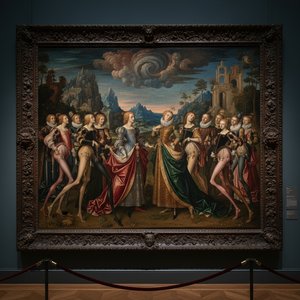
Northern Mannerism: The Dramatic Evolution of Renaissance Art and the Mastery of Elegant Distortion
Explore the dramatic evolution of Northern Mannerism. Discover how masters like Bosch and Grünewald transitioned from Renaissance harmony to profound, elegant distortion through an expert analysis of symbolism, emotional intensity, and artistic innovation.



