
 Print kopen Koop afbeelding in hoge resolutie
 Verstuur
 Delen
Delen
 Details bekijken
 Toevoegen aan favorieten

 Download
 Vergelijkbare werken
 Röntgenonderzoek
 Diavoorstelling
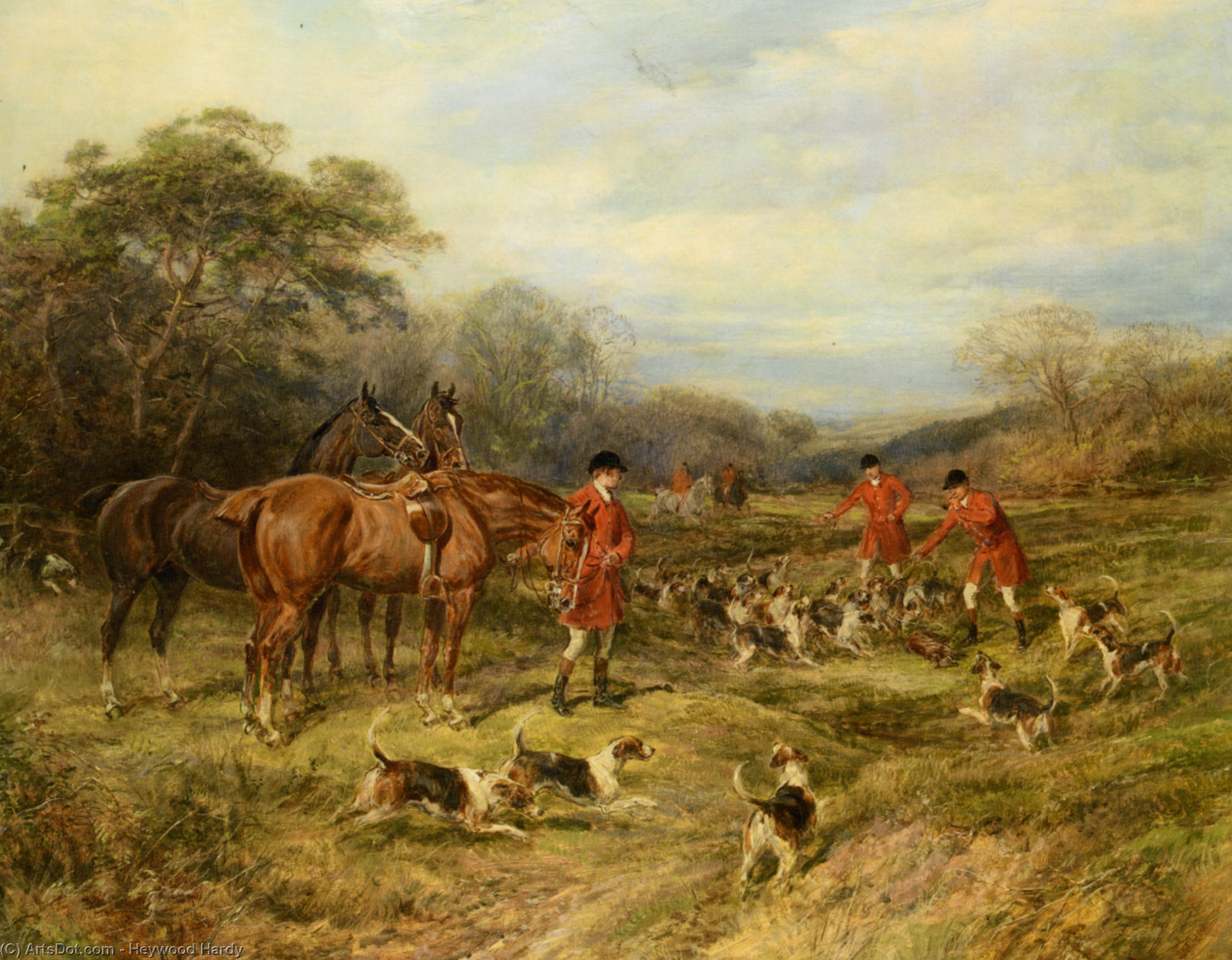
The Kill
 Lees meer
Handgemaakte olieverfreproductie
Met de hand geschilderd in olieverf op canvas in uw gewenste maat en lijst, op bestelling gemaakt door onze kunstenaars.




































Kies uit onze vooraf ingestelde maten die overeenkomen met de originele verhoudingen van het kunstwerk.

U kunt uw eigen afmetingen invoeren om in een specifieke lijst of ruimte te passen. Als de door u gekozen maat niet overeenkomt met de verhoudingen van het originele beeld, zullen we het kunstwerk bijsnijden of het schilderij uitbreiden met extra handgeschilderde elementen. Een digitale mockup wordt ter goedkeuring naar u verzonden voordat de productie begint.
Houd er rekening mee dat de preview op het scherm niet de werkelijke uitsnede of uitbreiding weergeeft. Alleen de mockup toont de uiteindelijke compositie nauwkeurig.
Hoewel aangepaste afmetingen mogelijk zijn, raden we aan een maat uit de vooraf gedefinieerde lijst te selecteren om de originele verhoudingen te behouden.
Na de bestelling zal het team van OriginalUniqueArt.com per e-mail contact opnemen voor instructies en een mockup-voorbeeld sturen.
Wereldwijde levering () binnen 3/4 weken in plaats van de standaard 5 weken. (22 juli). Geen concessies aan de kwaliteit.

Gratis wereldwijde expressverzending

Hoogwaardig linnen canvas

Volledige verzendverzekering

Garantie op terugbetaling van invoerrechten

Garantie op exacte kleurweergave

60 dagen retourbeleid (alleen bij defecten)

100% Geld-terug-garantie

Korting bij meerdere afnames
 De optie voor glas is alleen beschikbaar bij een formaat kleiner dan 110 cm.

The Kill
Techniek reproductie
Afmetingen reproductie
-


Eindtotaal
-
Biografie van de kunstenaar
Heywood Hardy (1842–1933): A Master of Equestrian Art and Rural Landscapes
Heywood Hardy (1842 – 1933) stands as a prominent figure in Victorian British art, particularly celebrated for his captivating depictions of horses and hunting scenes alongside serene landscapes. Born November 25th, 1842, in Chichester, Sussex, he descended from a lineage steeped in artistic tradition—his father, James Hardy Senior, was himself a respected landscape artist and musician, establishing a family legacy that extended across generations.
- Early Life & Family Background: Hardy’s upbringing fostered an appreciation for creativity and performance, shaped by his father's role as Principal Trumpet in the Royal Band. He possessed ten siblings, including brothers James Junior and David, sister Ada, and cousins Frederick Daniel Hardy and George Hardy—a veritable hive of artistic talent.
- Education & Departure: Seeking formal artistic training, Hardy enrolled at the École des Beaux-Arts in Paris under Isidore Pils after leaving home due to a disagreement with his father. This formative period exposed him to continental art trends and cemented his dedication to mastering technique.
Hardy’s artistic journey began with landscapes—a genre he skillfully executed before transitioning to animal painting, focusing primarily on horses and equestrian portraits. His meticulous attention to detail and anatomical accuracy, honed through studies with Professor Alfred Henry Garrod on horse gait, reflected a profound understanding of the subject matter.
- Style Characteristics: Hardy’s artistic style blended realism with Romanticism, capturing scenes of rural life and aristocratic leisure imbued with drama and atmosphere. He skillfully combined observation with imaginative interpretation, mirroring the spirit of his era.
Hardy gained considerable renown for his equestrian portraits—commissioned by influential figures like Lady Ida Sitwell—and achieved lasting fame through his paintings of Grand National winners. His membership in the Royal Society of Portrait Painters and the Royal Society of Painter-Etchers underscored his standing within the British art community.
- Major Achievements & Recognition: Hardy’s consistent participation in Royal Academy exhibitions garnered critical acclaim, notably a commendation praising his depiction of fighting lions as “daring and determined.” His contribution to scientific illustration alongside Professor Garrod further cemented his reputation for precision and artistic skill.
Beyond his celebrated animal paintings, Hardy broadened his repertoire to encompass landscapes—particularly evocative depictions of the Sussex Downs—and ambitious altarpiece commissions that showcased his versatility as an artist. He continued to paint until his death in 1933 at Clymping Church, leaving behind a legacy of beautiful artwork and a profound connection to British artistic heritage.
- Later Life & Legacy: Hardy returned to East Preston, Sussex, dedicating his final years to religious art. His daughters Nina and Mabel Hardy also pursued artistic careers, perpetuating the family’s artistic tradition—Mabel's marriage to Charles Ormond Maugham linking the Hardy family to literary circles.
Heywood Hardy remains remembered as a significant Victorian animal painter, whose work offers invaluable insights into equestrian culture and aristocratic life during that period. His paintings continue to inspire admiration for their beauty, accuracy, and masterful execution—a testament to his enduring artistic vision.

Heywood Hardy
1842 - 1933 , Verenigd Koninkrijk
Belangrijkste feiten
- Artistic Movement Or Style: Romanticisme
- Artists Or Movements Influenced By This Artist: ['Romanticisme']
- Artists Who Influenced This Artist:
- James Hardy senior
- Alfred Henry Garrod
- Date Of Birth: 25 november 1842
- Date Of Death: 20 januari 1933
- Full Name: Heywood Hardy
- Nationality: Britse kunstenaar
- Notable Artworks:
- Huntsmen and hounds off, Warwick Castle beyond
- Mr. F. Bibby's 'Glenside' with J. R. Anthony
- Place Of Birth: Chichester, Verenigd Koninkrijk

