
 Voorvertoning
 Verstuur
 Delen
Delen
 Details bekijken

 Download
 Vergelijkbare items
 Röntgenonderzoek
 Diavoorstelling
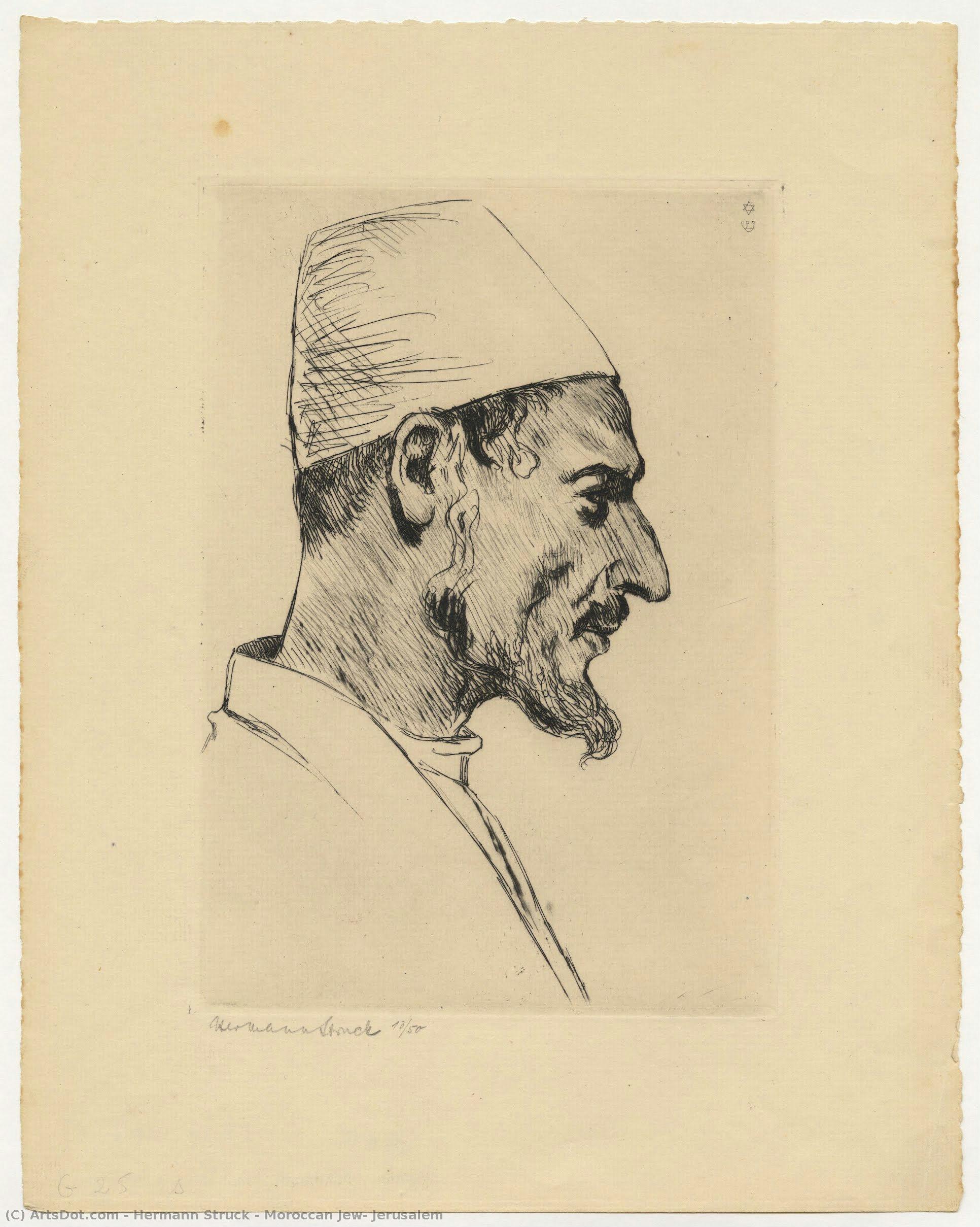
Moroccan Jew, Jerusalem
 Ink On Paper
- Contemporary Realism
 1900
1900- 19th Century
 23.0 x 29.0 cm
 Leo Baeck Institute
 Lees meer
Giclée / Kunstafdrukken
Giclée- of canvasafdruk van museumkwaliteit met een snelle productie en flexibele afwerkingsmogelijkheden. ( Bestel handgeschilderde reproductie Koop afbeelding)




P118B $10

P118H $10

P118W $10

P438Z $10

P508JH $12

P508YH $12

P805H $10

P805Z $10

P919BZ $10

P919G $10

P919XJ $10

P959ZH $10

P968JZ $12

W106C $8

W218G $10

W218JH $8

W218Y $10

W307PJ $10

W316G $10

W316PJ $8

W316Y $10

W398PJ $8

W4111J $10

W500HY $15

W500JH $15

W692G $12

W849H $8

W940BG $15

W953PJ $8




Kies uit onze vooraf ingestelde maten die overeenkomen met de originele verhoudingen van het kunstwerk.

U kunt uw eigen afmetingen opgeven om in een specifieke lijst of ruimte te passen. Als de door u gekozen maat niet overeenkomt met de proporties van het originele kunstwerk, zullen wij de afbeelding bijsnijden of uitbreiden met een gespiegelde of effen rand. Een digitaal mockup wordt ter goedkeuring naar u verzonden voordat de productie begint.
Houd er rekening mee dat de preview op het scherm de werkelijke bijsneding of uitbreiding niet weergeeft. Alleen de mockup toont de uiteindelijke compositie nauwkeurig.
Hoewel aangepaste maten beschikbaar zijn, raden wij aan een afmeting uit de vooraf bepaalde lijst te kiezen om de originele proporties te behouden.
Wereldwijde levering () binnen 2 weken in plaats van de standaard 4/5 weken. (18 augustus)

Gratis wereldwijde expressverzending

Hoogwaardig linnen canvas

Volledige verzendverzekering

Garantie op terugbetaling van invoerrechten

Garantie op exacte kleurweergave

Retourbeleid van 60 dagen (alleen bij defecten)

100% Geld-terug-garantie

Korting bij meerdere afnames
 De optie voor glas is alleen beschikbaar bij een formaat kleiner dan 110 cm.

Moroccan Jew, Jerusalem
Giclée / Kunstafdrukken
Afmetingen reproductie
-


Eindtotaal
$ 81
Beschrijving verzamelobject
A Glimpse into the Soul of Jerusalem
In the delicate, monochromatic world of Hermann Struck’s Moroccan Jew, Jerusalem, time seems to suspend itself within the fine strokes of a pen. Created in 1900, this exquisite drawing serves as more than just a portrait; it is a profound window into a vanishing era and a specific cultural identity. The subject, captured in a dignified profile, wears the traditional turban and head coverings characteristic of North African Jewish heritage, grounding the viewer in the historical tapestry of Jerusalem at the turn of the century. Struck, a master of line, does not merely depict a face; he captures a presence that feels both intimately personal and historically monumental.
The emotional resonance of the piece lies in its quietude. There is a sense of contemplative stillness emanating from the subject’s gaze, inviting the observer to pause and reflect. For the collector or the lover of fine art, this work offers a moment of meditative peace. The subtle interplay of light and shadow across the contours of the man's features evokes a feeling of reverence, making it an ideal centerpiece for a space dedicated to thought, history, or cultural appreciation.
Mastery of Line and Ink
Technically, Moroccan Jew, Jerusalem is a triumph of precision and patience. Struck utilizes the medium of pen and ink with the expertise of a seasoned etcher, employing meticulous hatching and stippling to build volume where there is no color. The artist’s hand is visible in every varying line weight, which creates a sculptural depth across the subject's brow, nose, and beard. This technique allows for a remarkable level of realism while maintaining a stylized, almost graphic elegance that prevents the portrait from feeling like a mere photographic reproduction.
The texture of the work is particularly captivating for those with an eye for detail. The way the ink settles into the paper creates a sense of organic warmth, despite the lack of a palette. Through careful cross-hatching, Struck achieves a sophisticated tonal range that suggests the soft folds of fabric and the ruggedness of skin. This mastery of monochrome makes the piece exceptionally versatile for interior design; its neutral, classic tones allow it to integrate seamlessly into both contemporary minimalist settings and more traditional, opulent decors.
A Legacy of Identity and Artistry
To understand this artwork is to understand the broader context of Hermann Struck’s life and his role in the Zionist art movement. As a German-Jewish artist who would later become a pivotal figure in documenting prominent figures like Albert Einstein and Theodor Herzl, Struck possessed a unique ability to capture the essence of human dignity. This portrait is part of that larger mission—to document the faces, landscapes, and spirits of a people and their connection to sacred lands.
For an interior designer or a discerning collector, acquiring a reproduction of this caliber means bringing a piece of art history into the home. It is a work that speaks of heritage, resilience, and the enduring power of the human spirit. Whether displayed in a private study, a sophisticated gallery wall, or a curated living space, Moroccan Jew, Jerusalem acts as a conversation starter, bridging the gap between the historical significance of the early 20th century and the aesthetic demands of the modern era.
Biografie van de kunstenaar
vroege jaren en opleiding
Hermann Struck, een vooraanstaande Duits-Joodse kunstenaar, werd op 6 maart 1876 geboren in Berlijn, Duitsland. Hij perfectioneerde zijn vaardigheden in de schilderkunst en etskunst aan de Berlijnse Academie voor Schone Kunsten, waar hij de fundamenten legde voor een leven gewijd aan de esthetiek.artistieke carrière
De artistieke loopbaan van Struck werd gekenmerende door zijn uitzonderlijke talent in lithografieën en etsen, werken die vaak Joodse onderwerpen en landschappen tot leven brachten met een ongekende fijngevoeligheid. Zijn werk kreeg wereldwijde erkenning, waardoor hij uitgroeide tot een gerespecteerd figuur binnen de kunstwereld. Een bijzonder mijlpaal in zijn carrière was de publicatie van "Die Kunst des Radierens" ("De kunst van het etsen") in 1908, een baanbrekend werk dat zowel theoretische diepgang als praktische instructies bood aan toekomstige generaties kunstenaars.opmerkelijke werken en associaties
Onder de meest beeldbepalende werken van Struck behoren:- portretten van Ibsen, Nietzsche, Freud, Albert Einstein, Herzl en Oscar Wilde, die zijn vermogen tonen om de essentie van deze prominente figuren te vangen.
- landschapsetsen uit zijn reizen, die zijn meesterschap in het vastleggen van natuurlijke schoonheid demonstreren.
- gecommandeerde portretten, waaronder die van Theodor Herzl, die een iconische representatie van het zionisme werden.
zionistisch activisme en militaire dienst
Struck was niet alleen een kunstenaar, maar ook een gepassioneerd zionist en Joods activist. In 1903 bezocht hij het land Israël en exposeerde daar zijn kunst tijdens het vijfde zionistische congres. Tijdens de Eerste Wereldoorlog vervulde hij een diverse rol als vertaler, liaisonofficier en militair kunstenaar, waarbij hij zijn artistieke oog combineerde met zijn plichtsbesef.erfenis en latere leven
De nalatenschap van Struck leeft voort in zijn talrijke etsen en schilderijen, die te vinden zijn in diverse musea, waaronder het Kaiser-Wilhelm-Museum (Krefeld, Duitsland). Hij kwam op 11 januari 1944 te overlijden in Haifa, Israël.bekijk de kunst van Struck bij OriginalUniqueArt
Ontdek het oeuvre van Hermann Struck op OriginalUniqueArt, met een bijzondere collectie van zijn etsen en schilderijen. Voor meer informatie over het leven en werk van Struck kunt u terecht op Wikipedia. ontdek de kunst van Hermann Struck:
Hermann Struck
1876 - 1944 , Duitsland
Belangrijkste feiten
- Artistic Movement Or Style: Lithografieën, etsen
- Artists Or Movements Influenced By This Artist: ['Marc Chagall']
- Artists Who Influenced This Artist: ['Jozef Israëls']
- Date Of Birth: 6 maart 1876
- Date Of Death: 11 januari 1944
- Full Name: Hermann Struck
- Nationality: Duits-Joods
- Notable Artworks:
- De blinde bedelaar
- Central Park, NY
- Duomo Florence
- Place Of Birth: Berlijn, Duitsland
Gerelateerde artikelen
The Alchemy of Ink: Mastering the Timeless Beauty and Art History of Paper and Brush
Embark on a sophisticated exploration of ink wash painting and Sumi-e. Uncover the profound historical lineages, Zen philosophies, and technical mastery behind this timeless medium in our authoritative guide for fine art enthusiasts.

Ephemeral Expressions: Exploring the Nuances of Ink on Paper Through History & Contemporary Art
Explore the captivating world of ink wash painting – from its ancient origins to contemporary masters. Discover techniques, symbolism & conservation insights with OriginalUniqueArt.com.

Mastering Ink on Paper: The Timeless Art of Precision, Flow, and Calligraphic Heritage
Explore the profound mastery of ink on paper. From Japanese haiku traditions to Ming Dynasty calligraphy, discover the delicate balance of precision and flow that defines this timeless art form through an expert historical lens.
Ephemeral Lines: Exploring Emotional Resonance in Ink Sketching Traditions
Explore the profound art of ink sketching! Discover techniques to express emotion, master line work, and cultivate artistic sensitivity. Learn from historical masters & unlock your creative potential.
Mastering the Flow: The Timeless Art of Ink on Paper and the Legacy of Calligraphic Mastery
Explore the profound elegance of ink on paper. From the rhythmic running script of the Ming Dynasty to Zen-inspired haiku, discover the history, technique, and meditative mastery behind the world's most timeless calligraphic traditions.

