
 Print kopen Koop afbeelding in hoge resolutie
 Verstuur
 Delen
Delen
 Details bekijken
 Toevoegen aan favorieten

 Download
 Vergelijkbare werken
 Röntgenonderzoek
 Diavoorstelling
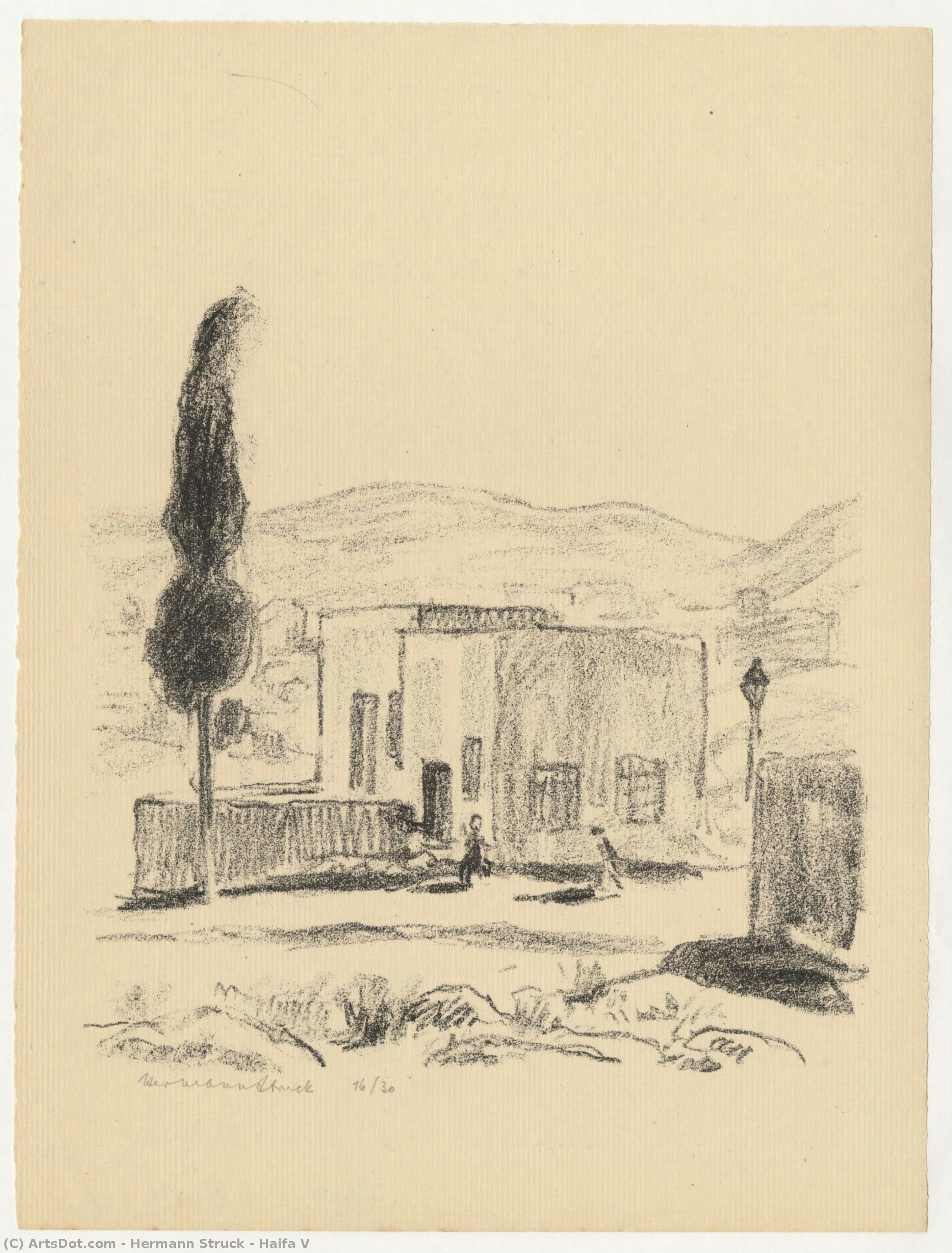
Haifa V
 Drawing
- WallArt
 1900
1900- Modern
 19.0 x 26.0 cm
 Leo Baeck Institute
 Lees meer
Handgemaakte olieverfreproductie
Met de hand geschilderd in olieverf op canvas in uw gewenste maat en lijst, op bestelling gemaakt door onze kunstenaars.




P118B $10

P118H $10

P118W $10

P438Z $10

P508JH $12

P508YH $12

P805H $10

P805Z $10

P919BZ $10

P919G $10

P919XJ $10

P959ZH $10

P968JZ $12

W106C $8

W218G $10

W218JH $8

W218Y $10

W307PJ $10

W316G $10

W316PJ $8

W316Y $10

W398PJ $8

W4111J $10

W500HY $15

W500JH $15

W692G $12

W849H $8

W940BG $15

W953PJ $8




Kies uit onze vooraf ingestelde maten die overeenkomen met de originele verhoudingen van het kunstwerk.

U kunt uw eigen afmetingen invoeren om in een specifieke lijst of ruimte te passen. Als de door u gekozen maat niet overeenkomt met de verhoudingen van het originele beeld, zullen we het kunstwerk bijsnijden of het schilderij uitbreiden met extra handgeschilderde elementen. Een digitale mockup wordt ter goedkeuring naar u verzonden voordat de productie begint.
Houd er rekening mee dat de preview op het scherm niet de werkelijke uitsnede of uitbreiding weergeeft. Alleen de mockup toont de uiteindelijke compositie nauwkeurig.
Hoewel aangepaste afmetingen mogelijk zijn, raden we aan een maat uit de vooraf gedefinieerde lijst te selecteren om de originele verhoudingen te behouden.
Na de bestelling zal het team van OriginalUniqueArt.com per e-mail contact opnemen voor instructies en een mockup-voorbeeld sturen.
Wereldwijde levering () binnen 3/4 weken in plaats van de standaard 5 weken. (20 juli). Geen concessies aan de kwaliteit.

Gratis wereldwijde expressverzending

Hoogwaardig linnen canvas

Volledige verzendverzekering

Garantie op terugbetaling van invoerrechten

Garantie op exacte kleurweergave

60 dagen retourbeleid (alleen bij defecten)

100% Geld-terug-garantie

Korting bij meerdere afnames
 De optie voor glas is alleen beschikbaar bij een formaat kleiner dan 110 cm.

Haifa V
Techniek reproductie
Afmetingen reproductie
-


Eindtotaal
-
Beschrijving kunstwerk
A Window into a Lost Era: The Urban Pulse of Haifa V
In the delicate, monochromatic strokes of Haifa V, we are transported back to the dawn of the twentieth century, specifically to the year 1900. This evocative drawing serves as more than just a mere depiction of a street; it is a temporal bridge that allows the viewer to step into the rhythmic, unfolding life of Haifa, Israel, at the turn of the century. Through the masterful hand of Hermann Struck, the scene breathes with an understated vitality. The artist captures a moment of quiet urban motion, where pedestrians navigate the sidewalks amidst the architectural silhouettes of a developing city. There is a profound sense of nostalgia embedded in the ink, as if we are peering through a vintage lens at a world that was on the precipice of monumental change.
The composition is masterfully balanced, utilizing the interplay of light and shadow to create depth within a relatively small 19 x 26 cm frame. Struck employs a sophisticated technique that highlights his expertise in line work, guiding the eye from the figures in the foreground toward the receding perspective of the street. The presence of a solitary parked car and a central traffic light serves as a subtle historical marker, grounding the piece in an era of transition where traditional pedestrian life began to intersect with the burgeoning mechanical age. These elements are not merely incidental; they act as anchors of realism that lend the drawing an authentic, documentary-like quality.
The Mastery of Hermann Struck and the Art of the Line
To appreciate Haifa V, one must understand the pedigree of its creator. Hermann Struck was not merely a draftsman but a scholar of the medium, famously authoring "Die Kunst des Radierens" (The Art of Etching). This deep theoretical understanding of line and texture is palpable in this work. Even in a drawing format, one can sense the precision of an artist who understood how to manipulate tonal values to suggest volume and atmosphere. His ability to capture the essence of prominent historical figures like Albert Einstein or Sigmund Freud translates here into an ability to capture the "soul" of a location.
For the discerning collector or interior designer, this piece offers a sophisticated aesthetic that transcends simple decoration. The monochromatic palette provides a timeless elegance that integrates seamlessly into diverse decor styles—from the minimalist modern gallery look to the rich, textured warmth of a classical study. It is a work that invites contemplation, offering a quiet, intellectual presence in any room. Owning a reproduction of such a piece is an opportunity to possess a fragment of history, a meticulously rendered moment of urban grace that continues to resonate with the beauty of the human journey through time.
Biografie van de kunstenaar
vroege jaren en opleiding
Hermann Struck, een vooraanstaande Duits-Joodse kunstenaar, werd op 6 maart 1876 geboren in Berlijn, Duitsland. Hij perfectioneerde zijn vaardigheden in de schilderkunst en etskunst aan de Berlijnse Academie voor Schone Kunsten, waar hij de fundamenten legde voor een leven gewijd aan de esthetiek.artistieke carrière
De artistieke loopbaan van Struck werd gekenmerende door zijn uitzonderlijke talent in lithografieën en etsen, werken die vaak Joodse onderwerpen en landschappen tot leven brachten met een ongekende fijngevoeligheid. Zijn werk kreeg wereldwijde erkenning, waardoor hij uitgroeide tot een gerespecteerd figuur binnen de kunstwereld. Een bijzonder mijlpaal in zijn carrière was de publicatie van "Die Kunst des Radierens" ("De kunst van het etsen") in 1908, een baanbrekend werk dat zowel theoretische diepgang als praktische instructies bood aan toekomstige generaties kunstenaars.opmerkelijke werken en associaties
Onder de meest beeldbepalende werken van Struck behoren:- portretten van Ibsen, Nietzsche, Freud, Albert Einstein, Herzl en Oscar Wilde, die zijn vermogen tonen om de essentie van deze prominente figuren te vangen.
- landschapsetsen uit zijn reizen, die zijn meesterschap in het vastleggen van natuurlijke schoonheid demonstreren.
- gecommandeerde portretten, waaronder die van Theodor Herzl, die een iconische representatie van het zionisme werden.
zionistisch activisme en militaire dienst
Struck was niet alleen een kunstenaar, maar ook een gepassioneerd zionist en Joods activist. In 1903 bezocht hij het land Israël en exposeerde daar zijn kunst tijdens het vijfde zionistische congres. Tijdens de Eerste Wereldoorlog vervulde hij een diverse rol als vertaler, liaisonofficier en militair kunstenaar, waarbij hij zijn artistieke oog combineerde met zijn plichtsbesef.erfenis en latere leven
De nalatenschap van Struck leeft voort in zijn talrijke etsen en schilderijen, die te vinden zijn in diverse musea, waaronder het Kaiser-Wilhelm-Museum (Krefeld, Duitsland). Hij kwam op 11 januari 1944 te overlijden in Haifa, Israël.bekijk de kunst van Struck bij OriginalUniqueArt
Ontdek het oeuvre van Hermann Struck op OriginalUniqueArt, met een bijzondere collectie van zijn etsen en schilderijen. Voor meer informatie over het leven en werk van Struck kunt u terecht op Wikipedia. ontdek de kunst van Hermann Struck:
Hermann Struck
1876 - 1944 , Duitsland
Belangrijkste feiten
- Artistic Movement Or Style: Lithografieën, etsen
- Artists Or Movements Influenced By This Artist: ['Marc Chagall']
- Artists Who Influenced This Artist: ['Jozef Israëls']
- Date Of Birth: 6 maart 1876
- Date Of Death: 11 januari 1944
- Full Name: Hermann Struck
- Nationality: Duits-Joods
- Notable Artworks:
- De blinde bedelaar
- Central Park, NY
- Duomo Florence
- Place Of Birth: Berlijn, Duitsland
Gerelateerde artikelen

Top 10 Witte Meesterwerken: Kunstgeschiedenis & Interieurinspiratie
Ontdek de top 10 witte meesterwerken uit de kunstgeschiedenis! Van Monet tot Mondriaan, bewonder abstracte vormen & serene kleuren. Vind museumkwaliteit reproducties en interieurinspiratie op OriginalUniqueArt.com.

Meesterwerken in Zwart: Top 10 Schilderijen Gedreven door Donkere Tinten | OriginalUniqueArt.nl
Ontdek de kracht van donker! Verlies jezelf in onze top 10 zwarte schilderijen, van Caravaggio tot Manet. Leer over meesterwerken, technieken & emotie. Museumkwaliteit reproducties op OriginalUniqueArt.com – Kunst voor uw interieur.
Mark Rothko's Top 25 Meesterwerken: Kleur, Emotie & Abstracte Kunst voor uw Interieur
Ontdek de top 25 meesterwerken van Mark Rothko! Duik diep in zijn emotionele kleurveldschilderijen en abstract expressionisme. Vind museumkwaliteit Rothko reproducties & interieurinspiratie op OriginalUniqueArt.com.

Monochrome Visions: Exploring the Aesthetic & Historical Significance of Black & White Photography
Explore the rich history & artistic power of black and white photography. From early techniques to iconic masters like Ansel Adams, discover why monochrome continues to captivate art lovers today. Expert insights for collectors.
The Eloquent Line: Exploring the Artistic Significance of Sketches Across Movements and Media
Explore the profound artistic significance of sketches throughout history. From Renaissance masters to modern innovators like Van Gogh & Guston, discover how these foundational works reveal technique, emotion, and vision. Learn more at OriginalUniqueArt.

