
 Voorvertoning
 Verstuur
 Delen
Delen
 Details bekijken
 Gids
Gids

 Download
 Vergelijkbare items
 Röntgenonderzoek
 Diavoorstelling
 Vraag & antwoord
 Statistieken
Provençal Winter


 Lees meer
Giclée / Kunstafdrukken
Giclée- of canvasafdruk van museumkwaliteit met een snelle productie en flexibele afwerkingsmogelijkheden. ( Bestel handgeschilderde reproductie Schakel over naar digitale afbeeldingen)




P118B €10

P118H €10

P118W €10

P438Z €10

P508JH €12

P508YH €12

P805H €10

P805Z €10

P919BZ €10

P919G €10

P919XJ €10

P959ZH €10

P968JZ €12

W106C €8

W218G €10

W218JH €8

W218Y €10

W307PJ €10

W316G €10

W316PJ €8

W316Y €10

W398PJ €8

W4111J €10

W500HY €15

W500JH €15

W692G €12

W849H €8

W940BG €15

W953PJ €8




Kies uit onze vooraf ingestelde maten die overeenkomen met de originele verhoudingen van het kunstwerk.

Voer de gewenste breedte en hoogte in, passend bij uw lijst of muur. Een afdruk kan alleen worden ingekort en nooit groter worden gemaakt dan het origineel; een formaat met andere verhoudingen zal daarom een deel van de afbeelding verliezen. Wij sturen u een digitaal mockup ter goedkeuring voordat we tot drukwerk overgaan. De afbeelding op deze pagina toont niet de werkelijke uitsnede — dit is alleen te zien op het mockup.
Wereldwijde levering () binnen 2 weken in plaats van de standaard 4/5 weken. (4 november)

Gratis wereldwijde expressverzending

Hoogwaardig linnen canvas

Volledige verzendverzekering

Garantie op terugbetaling van invoerrechten

Garantie op exacte kleurweergave

Retourbeleid van 100 dagen (alleen bij defecten)

100% Geld-terug-garantie

Korting bij meerdere afnames
 De optie voor glas is alleen beschikbaar bij een formaat kleiner dan 110 cm.

Provençal Winter
Giclée / Kunstafdrukken
Afmetingen reproductie
-


Eindtotaal
€ 72
A Moment Frozen in Provençal Light: Exploring Henry Herbert La Thangue’s “Provençal Winter”
Henry Herbert La Thangue's "Provençal Winter," painted in 1903, isn’t merely a depiction of a rural scene; it’s an immersion into the very soul of the South of France. This oil on canvas transports us to a sun-drenched hillside, where a woman diligently harvests lemons beneath a canopy of roses and ancient trees – a tableau brimming with quiet industry and understated beauty. La Thangue, a key figure in the New English Art Club movement, masterfully captured the essence of Impressionism while firmly rooted in British realist tradition, creating an artwork that resonates with both familiarity and exotic allure.
The painting’s genesis lies within La Thangue's extensive travels throughout Europe. Following his time in Paris, where he honed his skills under Jean-Léon Gérôme, the artist sought to translate the vibrant light and atmosphere of Provence onto canvas. This period marked a significant shift in his style – moving away from purely academic representation towards a more evocative approach that prioritized capturing fleeting moments of natural beauty. “Provençal Winter” exemplifies this evolution; it’s less about precise detail and more about conveying the feeling of warmth, tranquility, and the rhythm of rural life.
Decoding the Palette: Technique and Artistic Choices
La Thangue's technique is characterized by a remarkable sensitivity to light and color. He employs broken brushstrokes – short, distinct marks that blend optically rather than through meticulous layering – creating a shimmering effect reminiscent of sunlight filtering through foliage. The dominant hues are warm earth tones: ochres, siennas, and umbers create the foundation for the landscape, while bursts of pink from the roses and the pale yellows of the lemons inject vibrant energy into the composition. Notice how he uses subtle gradations of color to suggest depth and volume; the distant trees recede into a hazy blue-grey, creating an illusion of atmospheric perspective.
The artist’s choice of medium – oil on canvas – further contributes to the painting's richness and texture. The slow drying time of oil paint allowed La Thangue to build up layers of color gradually, achieving a remarkable sense of luminosity and tactile quality. He skillfully utilizes impasto—thickly applied paint—to accentuate the rough bark of the trees and the textured surface of the lemons, adding a tangible dimension to the scene.
Symbolism and Narrative Resonance
Beyond its aesthetic beauty, “Provençal Winter” is rich in symbolic meaning. The woman harvesting lemons represents not just labor but also abundance, fertility, and the cyclical nature of life. Lemons, traditionally associated with prosperity and vitality, are a potent symbol within this context. The roses, with their delicate fragrance and vibrant color, evoke themes of love, beauty, and fleeting moments of joy. The scene itself suggests a harmonious relationship between humanity and nature – a quiet celebration of the simple pleasures of rural existence.
Furthermore, the painting’s setting—a sun-drenched hillside in Provence—holds historical significance. The region has long been associated with artistic inspiration, attracting painters like Cézanne and Van Gogh who sought to capture its unique light and atmosphere. La Thangue's work reflects this legacy, drawing upon the traditions of plein air painting while forging his own distinctive style.
A Timeless Masterpiece: Reproduction and Legacy
"Provençal Winter" stands as a testament to Henry Herbert La Thangue’s artistic vision and technical skill. OriginalUniqueArt.com offers meticulously crafted, hand-painted oil reproductions that faithfully capture the essence of this iconic artwork. These reproductions are created by skilled artisans using high-quality materials, ensuring that they retain the luminosity, texture, and emotional impact of the original. Whether adorning a living room wall or gracing a corporate office, “Provençal Winter” continues to evoke feelings of serenity, warmth, and timeless beauty—a perfect embodiment of the idyllic charm of Provence.
Veelgestelde vragen
Welke plaatsing past bij het formaat van "Provençal Winter" door Henry Herbert La Thangue?
Het Landscape-formaat van "Provençal Winter" door Henry Herbert La Thangue wordt aanbevolen voor een Living Room. Formaat en ruimte samen bepalen de ideale plaatsing van een reproductie.
Is "Provençal Winter" typerend voor het werk van Henry Herbert La Thangue?
Binnen de bekende thema's van Henry Herbert La Thangue - landscape focus, british countryside, light & color study, french plein air, impressionist light, rural british scene, rural life values, seasonal beauty - legt "Provençal Winter" een eigen focus op rural landscape, winter scene, floral composition, lemon still life, british countryside, impressionist colors, peaceful setting.
Wat is de dominante kleur van "Provençal Winter" door Henry Herbert La Thangue?
De dominante kleur van "Provençal Winter" door Henry Herbert La Thangue is Clay (#9c7232).
Biografie kunstenaar
Het Visionaire Realisme van Henry Herbert La Thangue
Henry Herbert La Thangue vormt een cruciaal figuur in het weefsel van de Britse realistische landschapsschilderkunst, een meester wiens penseel de stille waardigheid van het Engelse platteland en het vluchtige licht van het Europese continent wist te vangen. Geboren in Croydon, Surrey, in 1859, begon zijn artistieke reis te midden van de intellectuele fermentatie van het Victoriaanse Londen. Gevoed door connecties met andere grootheden zoals Stanhope Forbes en Frederick Goodall tijdens zijn tijd aan het Dulwich College, ontwikkelde La Thangende een vroegtijdig, diepgaand waardering voor minutieuze observatie. Deze vormende periode plantte in hem een toewijding aan detail die de kenmerkende stempel van zijn blijvende nalatenschap zou worden.
Zijn formele opleiding werd gekenmerkt door strikte discipline, waarbij hij zowel de Lambeth School of Art als de prestigieuze Royal Academy in Londen bezocht. Het jaar 1879 bleek een keerpunt te zijn toen hij een begeerde gouden medaille ontving, een prestatie die hem naar een transformerende beurs in het atelier van Jean-Léon Gérôme in Parijs loodste. Het was binnen deze Franse setting dat La Thangue kennismaakte met de ethiek van de Barbizon-school. Hoewel zijn instructeurs soms kritiek uitten op zijn neiging tot romantiek, slaagde La Thangue erin de principes van plein air schilderen te verenigen met een onwankelbare toewijding aan het realisme, waardoor hij leerde de directe, atmosferische essentie van natuurlijk licht vast te leggen.
Een Reis door Licht en Landschap
De creatieve geest van La Thangue liet zich nooit door grenzen beperken. Tussen 1881 en 1882 stelden zijn expedities naar Bretagne en de Rhône-vallei in Donzère hem in staat om zichzelf te onderdompelen in de diverse landschappen van Frankrijk. Deze reizen verbreedden zijn artistische horizon en introduceerden een palet van zachte kleuren en serene schoonheid, wat later tot uiting zou komen in werken zoals "A Provençal Stream." Dit stuk dient als een rustgevend getuigenis van zijn impressionistische invloeden, waarbij de beweging van het water en de warmte van de zon met een delicate, evocatieve toets worden weergegeven.
Bij zijn terugkeer naar Engeland in 1886 werd La Thangue een actieve deelnemer aan de veranderende stromingen binnen de Britse kunstwereld. Zijn lidmaatschap van het Royal Institute of Oil Painters verstevigde zijn professionele positie, maar in hart en nieren bleef hij een hervormer. Zijn betrokkenheid bij de beweging om de traditionalistische greep van de Royal Academy uit te dagen, droeg uiteindelijk bij aan de oprichting van de New English Art Club (NEAC). Via dit nieuwe platform pleitte hij voor een democratischere benadering van kunst, waarbij hij werken toonde die de eerlijke, ongepolijste schoonheid van het landleven en de arbeid van de werkende klasse vierden.
Meesterschap van het Landelijke Narratief
De ware ziel van La Thangues oeuvre ligt in zijn vermogen om alledaagse agrarische scènes te transformeren tot diepgaande emotionele ervaringen. Zijn latere jaren, met name zijn tijd in South Walsham, Norfolk, brachten een verdieping van zijn focus op de ritmes van het land. In meesterwerken zoals "The Last Furrow" (1895) legt hij de aangrijpende schoonheid van de oogst vast, gebruikmakend van een realistische techniek die de kracht en de gratie van het rurale bestaan eert. Zijn werk maakt vaak gebruik van een rijke, impasto textuur om fysiek gewicht te geven aan de aarde en de lucht die op zijn canvas worden afgebeeld.
Misschien wel geen enkel werk vat zijn vermogen om symboliek met naturalisme te versmelten beter samen dan "Nightfall," ook bekend als "The Gleaners." In dit aangrijpende olieverfschilderij uit 1895 gebruikt La Thangue warme kleuren en een gevoel van naderende schaduw om de plechtigheid van het oogstseizoen op te roepen. Door zijn ogen is het landschap niet louter een decor, maar een levend personage, doordrenkt met de geschiedenis van hen die erop zwoegen. Zijn nalatenschap blijft een essentieel onderdeel van de traditie van de Newlyn School, en biedt een venster op een verdwenen tijdperk van het Britse pastorale leven door een lens van voortreffelijk, lichtgevend realisme.

Henry Herbert La Thangue
1859 - 1929
Belangrijkste feiten
- Artistic Movement Or Style: Realistisch landschap & genrekunst
- Artists Or Movements Influenced By This Artist: ['Newlyn School']
- Artists Who Influenced This Artist:
- Jean-Léon Gérôme
- Bastien Lepage
- Dagnan Bouveret
- Date Of Birth: 1859
- Full Name: Henry Herbert La Thangue
- Nationality: Engels
- Notable Artworks:
- The Mulberry Tree
- Return of the Reapers
- The Man with the Scythe
- Place Of Birth: Croydon, Verenigd Koninkrijk
Gerelateerde artikelen

Top 10 Impressionistische Landschappen: Meesterwerken voor uw Interieur
Ontdek de 10 meest iconische impressionistische landschappen van Monet, Renoir & meer. Leer over hun technieken en betekenis. Vind museumkwaliteit kunst reproducties voor uw interieur op OriginalUniqueArt.com!
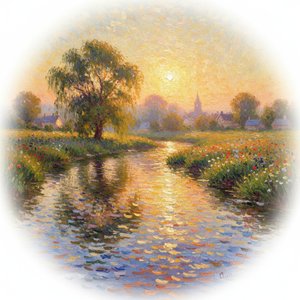
Capturing Light: A Masterclass in the Ethereal Beauty of Impressionistic Landscapes
Explore the ethereal beauty of Impressionist landscapes. Discover how masters like Monet captured fleeting light through color and texture, and learn to curate these timeless, luminous masterpieces for your home collection.

Paul Cézanne's Top 25 Meesterwerken: Kleur, Vorm & De Basis van Modern Art | OriginalUniqueArt
Ontdek de 25 meest iconische schilderijen van Paul Cézanne! Duik in zijn kleurrijke wereld, leer over impressionisme & post-impressionisme en bewonder meesterwerken als 'De Baders'. Vind museumkwaliteit reproducties & interieurinspiratie op OriginalUniqueArt.com.

Evocations of Place: A Historical Journey Through Landscape Art
Explore the rich history of landscape art with OriginalUniqueArt. Discover renowned artists, movements like Impressionism & Romanticism, and expert guidance for collecting timeless pieces. Find your perfect serene escape today!

Top 10 Impressionistische Landschappen: Meesterwerken voor uw Interieur
Ontdek de 10 meest iconische impressionistische landschappen! Leer over Monet, Renoir & andere meesters. Prachtige schilderijen voor uw interieur. Museumkwaliteit reproducties op OriginalUniqueArt.com.